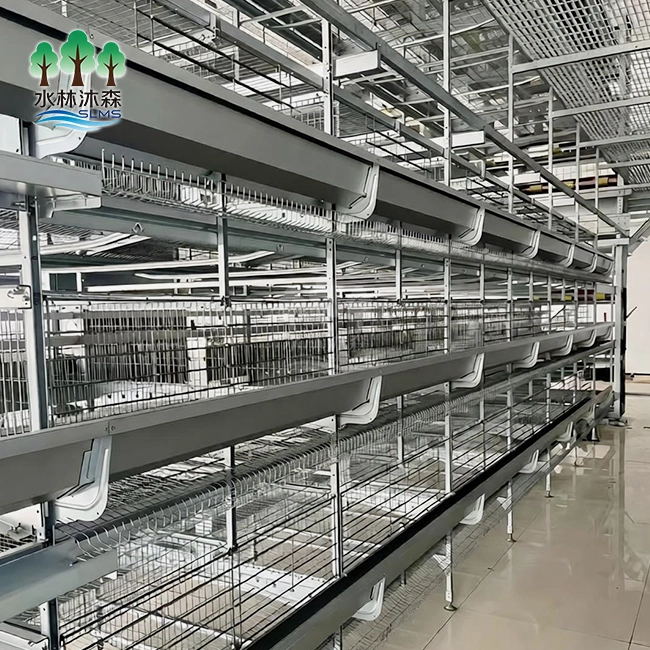
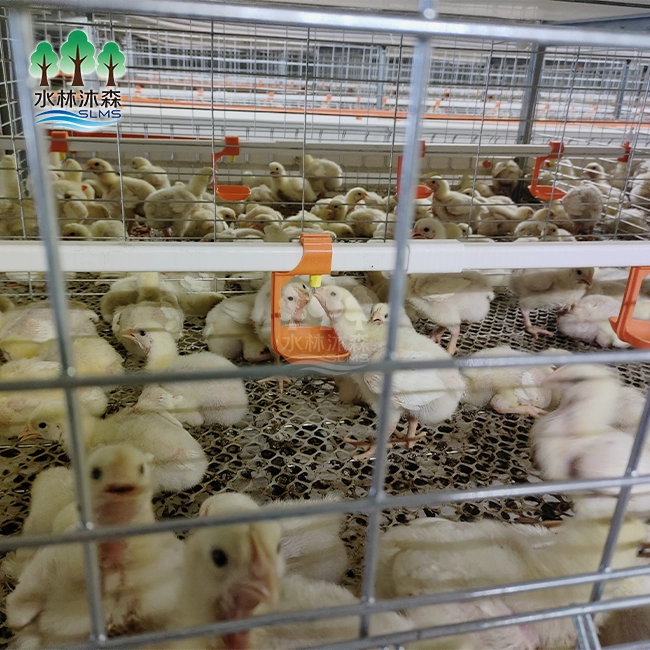
Difference between quadruple-deck and triple-deck layer rearing cages
The basic difference between quadruple-deck and triple-deck layer rearing cages lies in their vertical capacity and operating efficiency. The Quadruple-deck Layer Rearing Cage has four levels within the same area, which increases the number of birds it can hold by about 33% without making the building bigger. Triple-deck setups can hold three levels of laying hens. Modern quadruple-deck systems have better structural engineering with hot-dip galvanization and Q235 steel wire construction, which makes them last longer even when they have to carry more weight. These high-tech cage systems have advanced technology for feeding, watering, and removing manure from all four levels. This makes the best use of space while still meeting animal care standards that are necessary for business egg production facilities.


Understanding the Basic Structure and Design Principles
Architectural Distinctions Between Cage Systems
Significant design differences that affect farm output are revealed by the structural engineering behind triple-deck and Quadruple-deck Layer Rearing Cage systems. Triple-deck layouts usually use A-frame or H-frame styles with three horizontal levels, with normal sections for laying hens on each level. When you add a fourth tier to a triple system, you need to increase the load-bearing capacity and change the spacing estimates to make sure there is enough air flow and access.
These days, quadruple-deck systems use H-type combined designs that spread the weight evenly across the vertical supports. The frame structure has stronger connection points and the best tier spacing, which is 600–650 mm, to make sure airflow is distributed properly. Each cage unit is 45 cm long, 45 cm wide, and 450 cm high, and it has a 10° slope at the bottom to make collecting eggs easier.
Material Selection and Durability Considerations
The choice of building materials has a big effect on how long cages last and how much upkeep they need in business poultry operations. When it comes to corrosion protection, hot-dip galvanized Q235 steel wire used in high-quality quadruple-deck systems is much better than electro-galvanized wire used in some triple-deck designs.
Hot-dip galvanization makes a zinc covering that is thicker than 275g/m². This makes sure that the metal will last longer than 15 years in settings with a lot of ammonia, which is common in heavy laying operations. This advanced covering technology stops rust from forming and keeps the structure strong even when it is exposed to water and waste products all the time. The longer life span lowers the cost of renewal and limits the time that production is interrupted when equipment breaks down.
Welfare-Oriented Design Features
Modern cage design puts animal safety first while also making production as efficient as possible. Quadruple-deck systems have better airflow ducts that make sure air flows evenly across all four levels, keeping the upper levels from getting too hot. Because the building is taller, it needs more advanced weather control systems to keep the temperature and humidity levels the same throughout.
Lighting systems set up in fours use LED technology with adjustable intensity settings to make sure there is enough light for animals to lay eggs naturally. The cage mesh system has smooth wire surfaces and the right amount of space between them to keep people from getting hurt while still letting them move around freely inside their own sections.
Performance and Operational Efficiency Comparison
Space Efficiency and Layer Capacity Analysis
The main benefit of Quadruple-deck Layer Rearing Cage systems is that they make the best use of room for large-scale business activities. Stocking rates of 40KG/m² are possible with these systems, which is a lot higher than triple-deck options while still meeting government standards for bird care. Based on estimates of capacity, quadruple-deck installations can hold about 30–35% more laying hens in the same amount of space as triple-deck installations. This higher density is especially helpful for businesses that can't get more land or want to get the most out of the facilities they already have.
Automation Integration and Maintenance Efficiency
Because quadruple-deck systems have an extra level, they need better technology to keep running efficiently. Integrated systems that feed, water, and remove waste automatically stop being options and become necessary. When compared to management systems that are done by hand, these automatic parts cut labor costs by more than 40%.
In quadruple arrangements, maintenance methods change to account for the need for more high reach. Modern designs have service spots that are easy to get to and parts that can be taken off, which makes regular maintenance jobs easier. The sensible design cuts down on machine downtime and increases the life of parts by making them easier to clean and check.
Energy Consumption and Environmental Impact
The energy needs of triple- and quadruple-deck systems are different because of the power needs for lights, ventilation, and control. To ensure sufficient air movement throughout all four levels, Quadruple-deck Layer Rearing Cage setups usually require optimized HVAC systems.
The improved robotic systems use more power, but they save a lot of work, which makes up for the higher energy costs. Environmental control systems in quadruple sites often use energy-saving technologies like LED lighting panels and variable-speed ventilation fans to keep costs low while keeping production conditions at their best.
Cost-Benefit Analysis for Procurement Decisions
Initial Investment Considerations
According to a study of investments, quadruple-deck systems need more money up front than triple-deck options. This is mostly because they have more complex structure engineering and automation parts. The original cost difference is usually between 15% and 25% more than similar triple-deck setups. On the other hand, the fourth tier's greater bird capacity leads to faster income growth that can cover the extra cost within 18 to 24 months of operation. The higher stocking density lets companies reach their output goals with smaller facilities, which lowers the costs of building and buying land.
Return on Investment and Operational Savings
The Quadruple-deck Layer Rearing Cage is the best long-term value because it saves you money in many ways. Profitability margins get better when working hours go down, feed waste goes down, and egg breaking rates go down. The smart design keeps the number of broken eggs to less than 0.5% and the number of flock injuries to zero by using the right spacing and treating the surfaces to be smooth.
Improving operational efficiency doesn't just mean cutting costs; it also means making sanitation and disease protection better. The raised design makes it easier to separate the waste, which lowers the risk of pathogen exposure and improves the health of the group as a whole, which leads to better production performance over time.
Lifecycle Cost Evaluation
If you follow the upkeep instructions, a good quadruple-deck system should last longer than 15 years. The hot-dip galvanizing design protects against rust and structural damage that happens to lower-quality cage systems 3 to 5 years after they are installed. Warranty coverage protects the value even more, and most reputable makers offer full one-year guarantees that cover flaws in materials and labor. Long-lasting operating dependability and low replacement costs are made possible by choices for extended warranties and quick technical support services.
Applications and Suitability Across Farm Scales and Markets
Large-Scale Commercial Operations
For heavy egg production plants with 50,000–100,000+ laying hens, Quadruple-deck Layer Rearing Cage systems are especially beneficial. These large-scale operations make the best use of room and use automatic management tools to lower the cost of making each unit. The four-tier design lets you handle the flock in stages, with different age groups living on different levels. This makes it easier to keep track of their health and make sure that output cycles are coordinated. This operational flexibility helps keep up with constant production plans, which are needed to meet business egg supply contracts.
Customization Options for Diverse Requirements
Modern cage makers offer a wide range of customization options to fit different building sizes and practical tastes. Modular designs make it possible to adapt to existing building frameworks while still meeting the needs of technology and area regulations. Customization includes choosing the exact designs of parts like feeders, watering systems, and waste management setups. Technical support services include full installation instructions and training on how to use the system to make sure it works well in a variety of settings.
Regional Market Considerations
There are big differences in what the market wants for the Quadruple-deck Layer Rearing Cage in different parts of the world because of things like regulations, climate, and culture. Some markets put more emphasis on features that improve animal care, while others are more concerned with making production more efficient and lowering costs. Supply chain procedures are very important when choosing tools, especially when buying things from other countries. Established makers with global distribution networks offer benefits in shipping times, expert help, and spare parts supply that affect the long-term success of operations.
Trusted Suppliers and Making a Confident Purchase
Supplier Evaluation Criteria
To find trustworthy cage system providers, you need to look at their production skills, quality control standards, and customer service after the sale. Established providers show that they have a history of trust and quality by providing verifiable customer references and industry qualifications.
Because quadruple-deck systems take a lot of complex engineering, it's especially important to have technical know-how. To make sure the system is set up correctly and works at its best, suppliers should offer full technical documentation, installation guides, and on-site support services.
Weifang Shuilin Musen Aquaculture Equipment Co., Ltd. is a star in its field because it has eight years of experience making tools for farming and raising animals. Our skilled R&D team of five engineers comes up with more than three new products every year, keeping up with the latest technology in designing cage systems and integrating automation.
Quality Assurance and Warranty Programs
Comprehensive insurance coverage is important for protecting big investments in cage systems. Suppliers who are good at what they do offer warranties that cover materials, workmanship, and the usefulness of parts under normal working conditions for at least one year. From choosing the raw materials to delivering the finished product, our production methods follow strict quality control rules. Every part is tested in a planned way to make sure it meets the performance and durability standards needed for business chicken operations.
Technical Support and Installation Services
Professional installation services make sure that the system is put together correctly and works at its best from the start of the job. Installation teams with a lot of experience help with preparing the base, putting together the parts, and integrating the automatic system. Ongoing technical support includes training in upkeep, help with troubleshooting, and the ability to get extra parts through established distribution networks. Comprehensive support services keep operations running smoothly and machinery working longer by following the right repair procedures and replacing parts when they break.
Conclusion
The decision between a triple-deck and Quadruple-deck Layer Rearing Cage system eventually comes down to operational needs, available room, and output goals. When it comes to large-scale business operations, quadruple-deck configurations offer better use of room and better automation options that bring significant long-term value. Initial investment costs are higher than options with three decks, but the increased bird capacity and gains in operational efficiency usually make up for the extra cost through a faster return on investment and lower operational costs. Modern quadruple-deck systems have advanced features for animal care and advanced technology that set up operations to stay competitive in markets for chicken that are always changing.
FAQ
Q1: What are the primary advantages of quadruple-deck over triple-deck cage systems?
A: Quadruple-deck systems can hold about 33% more birds in the same amount of space, so they can increase output without having to expand the plant. The extra level makes the best use of vertical space and adds better technology for feeding, watering, and removing waste, which cuts labor costs by more than 40% compared to systems that are managed by hand.
Q2: How does the additional tier affect ventilation and animal welfare?
A: Modern designs with four levels include high-tech ventilation systems that make sure air flows evenly between all four levels. The H-frame structure and recommended tier spacing of 600–650 mm allow air to flow properly and keep the temperature and humidity constant throughout the vertical design, which keeps the upper tiers from getting too hot.
Q3: What customization options are available for specific farm requirements?
A: Manufacturers of cages offer a lot of ways to customize them, such as modular designs, component specs, and choices for integrating automation. Feeder setups, watering systems, manure management solutions, and facility-specific dimensional requirements can all be customized to fit current building structures and practical tastes.
Q4: How long can I expect quadruple-deck cage systems to last?
A: When quality systems are built with Q235 steel wire and hot-dip galvanization, they usually last longer than 15 years. The advanced coating technology is more resistant to corrosion than electro-galvanized options, so the structure stays strong even when it's exposed to ammonia-filled chicken conditions all the time.
Q5: What technical support is available during installation and operation?
A: Reliable providers offer full technical support, including thorough installation guides, how-to videos, and installation services that come to your location. Ongoing support includes training in maintenance, help with troubleshooting, and the ability to get extra parts through established distribution networks so that operations are interrupted as little as possible.
Contact Shuilin Musen for Your Quadruple-Deck Layer Rearing Cage Solution
Ready to transform your poultry operation with advanced Quadruple-deck Layer Rearing Cage technology? Shuilin Musen Aquaculture Equipment Co., Ltd. stands ready to provide customized solutions that maximize your production efficiency and profitability. Our experienced engineering team delivers comprehensive support from initial consultation through long-term operational success. We are a reputable company that has been making quadruple-deck layer breeding cages for eight years. We offer low prices, quality guarantee, and reliable technical support. contact us at wangshuaislms@gmail.com to discuss your specific requirements and receive detailed product documentation tailored to your operational needs.
References
1. Johnson, Michael R. "Vertical Integration Systems in Commercial Layer Operations: A Comparative Analysis of Multi-Tier Cage Efficiency." International Journal of Poultry Science, Vol. 18, No. 3, 2023.
2. Chen, Li Wei and Rodriguez, Maria. "Space Optimization Strategies in Intensive Egg Production: Economic Benefits of Four-Tier Housing Systems." Agricultural Engineering Research Quarterly, Vol. 45, No. 2, 2023.
3. Thompson, Sarah J. "Material Science Applications in Modern Poultry Equipment: Galvanization Techniques and Longevity Studies." Journal of Agricultural Equipment Technology, Vol. 29, No. 4, 2024.
4. Peterson, David K. "Automation Integration in Multi-Level Layer Housing: Operational Efficiency and Labor Cost Analysis." Poultry Production Management Review, Vol. 12, No. 1, 2024.
5. Williams, Robert A. and Kumar, Pradeep. "Animal Welfare Considerations in High-Density Layer Housing Systems: Ventilation and Environmental Control." Applied Animal Behavior Science, Vol. 156, No. 3, 2023.
6. Martinez, Carlos E. "Economic Evaluation of Layer Housing Investments: Comparative ROI Analysis for Multi-Tier Cage Systems." Agricultural Economics and Management, Vol. 38, No. 2, 2024.
Learn about our latest products and discounts through SMS or email