How do I install a drinking water regulation system for a poultry farm?
Before you can install a drinking water regulation system on your chicken farm, you need to know what the main parts do. A Chicken Farm Drinking Water Regulation Module is the hydraulic control center that turns a high-pressure water source into a steady, low-pressure output that is good for drinking from. Finding a good spot close to the water source, securely mounting the regulation module, connecting the inlet pipes from the main supply, connecting the outlet pipes to your nipple drinker system, and setting the pressure correctly based on the age and type of housing for your flock are all parts of the installation process. When installed correctly, all drinking points will always have access to water, there won't be any leaks from too much pressure, and your birds will stay well-hydrated without the litter getting too wet, which can spread disease.


Understanding the Importance of Drinking Water Regulation in Poultry Farms
Effective handling of water is a key part of raising chickens. Water is about twice as heavy as food for birds, so effective methods for keeping them hydrated are necessary, not just nice to have. The effects of changing or inconsistent water flow can be felt throughout your whole business.
Why Water Quality and Pressure Matter
When water flow isn't stable, different parts of your flock can't drink at the same time. Birds close to the water source get enough flow, but birds at the ends of the line have trouble getting enough. Some of your flock will become dehydrated because of this difference, which will slow their growth and make it less efficient to turn feed into energy. Studies on chicken diet show that even mild dehydration can stop broilers from gaining weight by 8–12%.
The quality of the water directly affects bird health, not just the regularity of the flow. Pathogens that cause gut diseases are brought in by dirty water that contains bacteria, grit, or biofilm. When you add up the costs of care, the number of deaths, and the drop in production, the economic effects are big. These dangers can't reach your birds if you have a properly designed Chicken Farm Drinking Water Regulation Module with built-in filtering.
Common Challenges Without Proper Regulation
Many farms that don't have their own specialized pressure regulators have problems that keep happening. When nipple drinkers are under too much pressure, they leak all the time, flooding the litter and making surroundings full of ammonia. This wet bedding gives coccidia and other bacteria a place to grow, and it also gives your flock footpad dermatitis. Equipment sellers often say that problems with managing waste are caused by water systems that aren't controlled well enough.
Another problem is that air locks can form in drinking lines. If the Chicken Farm Drinking Water Regulation Modules don't have the right venting systems built in, air pockets can stop water from flowing to whole parts of your house. Birds in the affected areas are under a lot of stress and lose a lot of food before staff notice the problem during regular checks.
Step-by-Step Guide to Installing a Drinking Water Regulation System in a Poultry Farm
For work to go smoothly, it needs to be carefully planned and carried out. This is a process that we have helped hundreds of farm owners through, and the steps below always work.
Assessing Your Farm's Specific Water Requirements
First, figure out how much water your flock and output type use in total. During peak consumption, broiler farms need about 1.8 to 2.2 liters of feed per bird per day, while layer farms need about 200 to 250 milliliters of feed per hen. To find the basic system flow needs, multiply these numbers by the largest size of your housing.
Check the water quality, supply flow, and line diameter of the water facilities you already have. Check the pH, hardness, iron content, and bacterial pollution of the water that you get from sources. Based on these initial measures, you can figure out what filtering parts your system needs. When farms get water from wells, they usually have to remove sand more aggressively than when cities connect to wells.
Identifying Core System Components
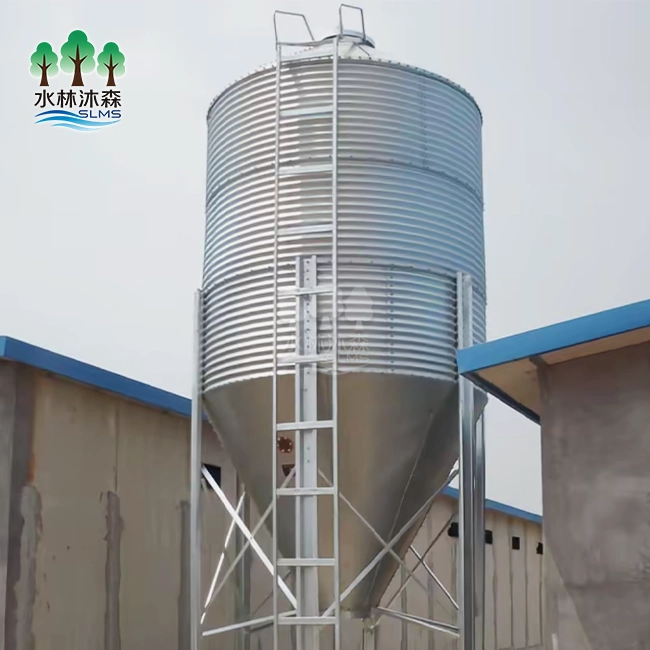
A full Chicken Farm Drinking Water Regulation Module is made up of many specialized parts that work together. The water holding tank provides extra capacity, making sure that the supply stays steady even when demand goes up or there are short-term supply problems. Tank size varies on how many birds you have; for small operations, 500 liters is recommended, and for big, intensive farms, 5000 liters is suggested. Food-grade plastic or 304 stainless steel are used to make our storage tanks because they are resistant to chemicals and last a long time in farming settings.
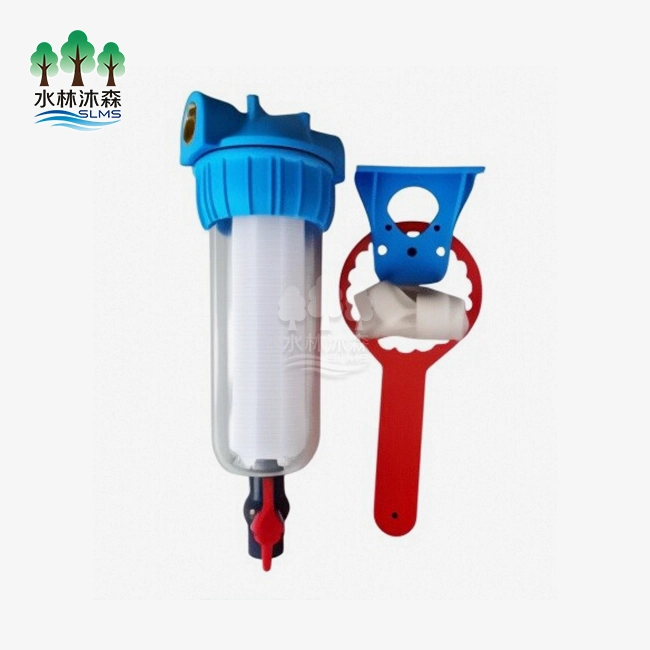
The booster pump makes sure that the pressure going into your Chicken Farm Drinking Water Regulation Modules stays the same, even if your main source changes. Automatic controls that sense pressure only turn on the pump when it's needed. This saves energy and makes sure that the water is always available. Multistage filter equipment gets rid of particles as small as 50 microns. This keeps nipple drinkers from getting clogged and makes the water taste better for your birds.
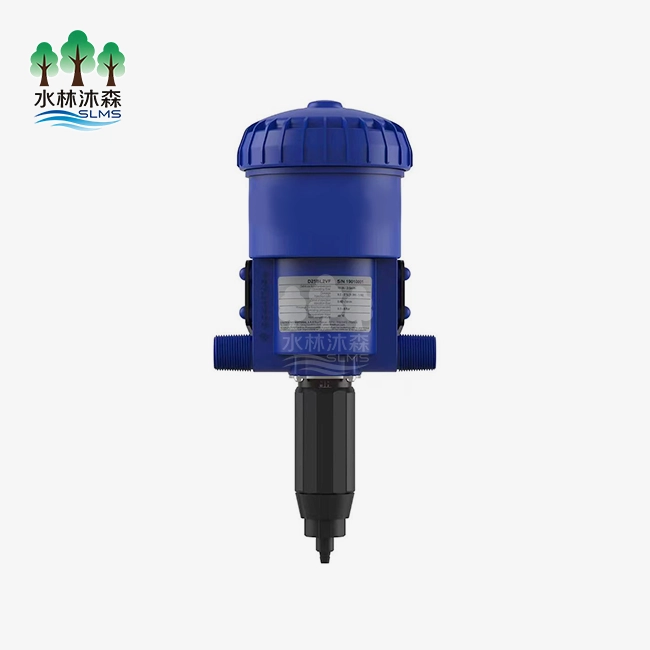
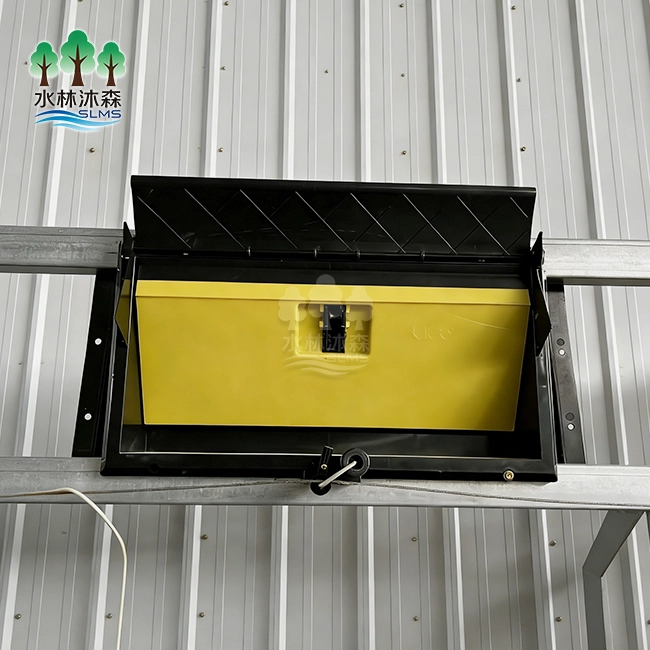
The precise control point is the Chicken Farm Drinking Water Regulation Modules themselves. These devices lower the entering pressure to the right water column height for the type of drinker and the age of the bird. Advanced Chicken Farm Drinking Water Regulation Modules have pressure sets that can be changed, flush bypass methods for cleaning the line, and anti-air lock designs that keep the flow going.
Installation Guidance: Mechanical and Electrical Setup
Place your water holding tank on a stable, level base that is set up so that gravity can help it. Connect the tank's entrance to your main water supply and place a float valve or an automatic fill system to keep the water level right. Chicken Farm Drinking Water Regulation Module Insert this module to automatically manage flow and pressure for poultry drinking lines. Place the tank's exit so that it feeds your booster pump, making sure that the suction lines don't let air in.
Place your filter equipment between where the pump discharges and where the Chicken Farm Drinking Water Regulation Module enters. Sort the filters in order, usually starting with grit screens and then moving on to cartridge filters. This staged method keeps flow rates steady and extends the life of the filter. Place filters in places that are easy to get to because regular upkeep calls for replacing the elements.
Place Chicken Farm Drinking Water Regulation Modules at the beginning of each drinking line and make sure they are at a height that makes it easy to see the pressure readings. Use fittings that are rated for the working pressure range to connect the input pipes. Connect your outlet links to your nipple drinker lines, making sure the joints are tight so there are no leaks.
Local building rules say that electrical lines for automated pumps need to have the right voltage source and grounding. For this part of the installation, we suggest that you talk to a professional electrician, even though our systems have simple wiring that is made to work in the field. To keep them from getting damaged by water, pressure switches and control panels should be put in covered housings.
Calibration and Testing for Optimal Functionality
After the actual installation is done, the system is calibrated to make sure it works right. You can change the output pressure of the Chicken Farm Drinking Water Regulation Module to meet your needs. When the water column is about 10 to 15 centimeters high, day-old chicks usually only need a small amount of force to move. Adult birds can handle higher pressures and can be set to 30 to 40 centimeters, based on what the drinker wants.
During the first tests, walk the whole length of each drinking line. To make sure the flow is steady, activate nipples at the start, middle, and end places. If accuracy is important for your task, use a spring scale to measure release force. If there are big changes, fix them by changing the settings on the regulator or looking for air locks.
Run your flush system to make sure the bypass features work right. High-pressure flushing gets rid of installation debris and makes sure that your pipes can handle cleaning rounds without breaking. Make sure that the regulators properly separate the nipple lines during cleaning. This keeps drinkers from getting hurt by too much pressure.
During the first 48 hours of running, keep an eye on how well the system is working. Check all the connection spots for leaks, make sure the pump cycling works normally, and make sure all the drinking places have the same amount of water. These initial observations serve as starting points for routine repair procedures.
Comparing Drinking Water Regulation Systems: Choosing the Best Fit for Your Poultry Farm
Making a choice affects both how well something works right away and how much it costs to run in the long run. By knowing the differences between the choices you have, you can match the system's powers to your needs.
Manual Versus Automated Systems
In traditional manual control, workers set the valves by observing and learning from their actions. These systems are easy to use and don't cost much to set up, but they need constant attention. Staff members have to walk the lines several times a day, changing the pressure based on how much is being used and looking for problems visually.
Automated regulation systems use pressure monitors and electrical controls to keep parameters at set levels without any help from a person. These high-tech systems can tell when the pressure drops, which means there is a lot of use, and they change how the pump works to match. Alarm systems let people know when pressures drop below what is considered safe. This lets problems be found quickly, before the birds become stressed.
In big businesses, the time saved by automation adds up to a lot. Facilities that take care of 50,000 birds or more usually get their investment costs back within 18 to 24 months just by cutting down on the amount of work that needs to be done. For smaller businesses, human methods might work fine, but it depends on how much staff is available and what the managers want.
Key Product Features for 2026
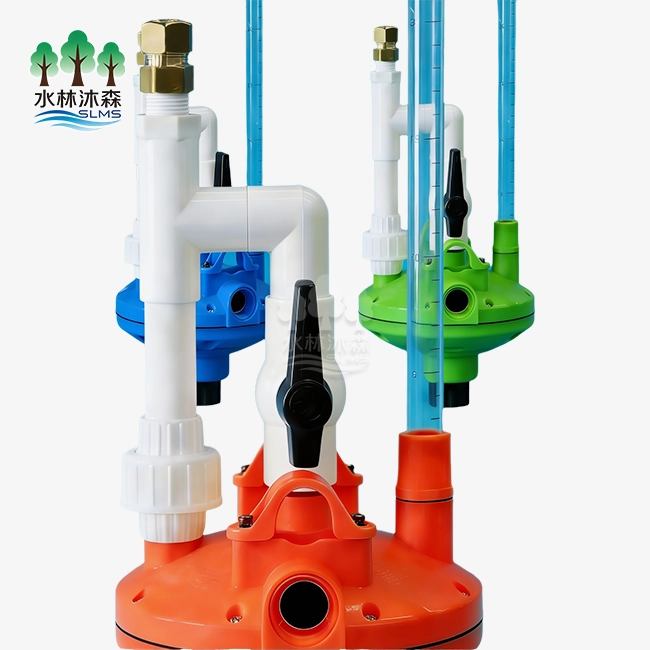
Newer Chicken Farm Drinking Water Regulation Modules are technically better than older ones in a number of ways. Anti-air lock standpipes automatically let out held air, which stops the flow problems that happened with older equipment. Chemically resistant materials, like strengthened ABS housings and EPDM seals, can handle being exposed to sanitizers and acidifiers every day as part of line cleaning procedures.
High-flow systems with two inlets can handle times of high demand without lowering the pressure. When the lights are on and the whole group drinks at the same time, these improved units keep the output pressure stable. Standard single-inlet units often have trouble during these periods of high usage, which can lead to brief dehydration stress.
Built-in flush bypass systems make line repair easier. By adjusting a valve, operators can move from controlled low-pressure delivery to high-pressure cleaning flow and turn on flush mode. This gets rid of the need to separate Chicken Farm Drinking Water Regulation Modules for cleaning, which saves time and keeps mistakes from happening during reinstallation.
Cost-Benefit Analysis: Initial Investment Against Operational Savings
For a 20,000-bird broiler house, a full water regulation system usually costs between $3,500 and $6,500 up front, based on the amount of automation and the specifics of the parts. This cost includes storage tanks, pumping gear, filtering systems, and Chicken Farm Drinking Water Regulation Modules for several drinking lines.
Several ways exist for lowering operating costs to balance out this spending. When pressure is properly controlled, leaked nipples stop wasting water all the time, which usually cuts water use by 15 to 20 percent. This means lower energy costs and less work to do with garbage. Filtration improves the quality of the water, which lowers the need for medications and the death rate. After installing a system, fields saw a 2-4% drop in flock losses.
Better bird performance gives the biggest return on investment. Consistent hydration helps feed conversion work best, which means less feed is needed to hit goal weights. Feed conversion ratios often go up by 0.05 to 0.08 in broiler farms, which saves a lot of money each year across multiple groups. Better egg production uniformity and shell quality are good for layer farms.
How to Procure Chicken Farm Drinking Water Regulation Modules: A Buyer's Guide
Choosing what to buy is more than just checking price quotes. Thoroughly evaluating providers shields your investment and makes sure that the system will work well for a long time.
Identifying Trustworthy Suppliers and Manufacturers
Quality makers show their dedication by having qualifications that can be checked and operations that are clear. Look for providers who have the right quality certifications for farming tools. Our quality control systems cover everything from choosing the raw materials to delivering the finished product. Before leaving our building, each part goes through a series of intensive tests.
In this very specialized area, manufacturing knowledge is very important. Companies with a history of success know how to handle the unique needs of chicken farms, such as chemical exposure, high temperatures, and the need to run all the time. After eight years of working with farming and cattle equipment, we have a deep understanding of the problems that come up in real life and how to solve them.
The ability to provide technical help is what sets exceptional suppliers apart from average product vendors. Installations that are hard to do and problems that need to be fixed quickly require expert help. We offer on-site installation services for customers who would rather have a professional do the job, but we also have installation guides that show how to set up the whole system. Our R&D team of five expert engineers is always ready to help you with technical issues as long as your equipment is in use.
Ordering Procedures and Bulk Purchasing Strategies
Before you ask for quotes, make sure your requirements are clear. Write down how many birds you have, how your home is set up, what your water source is like, and any other special needs. With this much knowledge, sellers can suggest parts that are the right size and find any possible compatibility problems during the planning phase, instead of after the fact.
For businesses that are looking to put equipment in more than one home or that serve area markets, buying in bulk is often a good way to get better prices. We work with farming groups and large-scale producers to set prices that are fair for the amount of goods ordered while still meeting quality standards that guarantee long-term performance.
During procurement talks, be clear about shipping processes and arrival times. Standard components usually ship within 5 to 10 business days, but unique designs need more time to be made. International shipping to the U.S. usually adds three to four weeks to the travel time, but this depends on the place chosen and how quickly customs processes the goods.
Terms of payment depend on the provider and the amount of the order. We accept a number of payment methods, such as wire transfers and letter of credit for large sales of goods. Setting clear payment goals protects both parties and makes it easier to finish the deal without any problems.
Service Agreements and Warranty Expectations
For the given amount of time, a full guarantee should cover both parts and work. Our usual 1-year guarantee covers any problems with the product's performance or defects in workmanship, as well as replacement parts and expert help that come up during normal use. Having this protection gives you peace of mind during the first few important production rounds.
Know what the guarantee doesn't cover when it comes to wearable parts and damage caused by bad fitting. Normal wear and tear means that filter elements, pump seals, and regulator diaphragms need to be replaced from time to time, even if they aren't covered by insurance. Chicken Farm Drinking Water Regulation Module Insert this module to ensure compatibility with guarantee terms regarding water pressure and flow limits. Damage caused by improper installation, poor filtering that leads to sediment contamination, or chemical contact above certain limits is usually not covered by the guarantee.
Extended service agreements are useful for businesses that want to keep downtime to a minimum. These programs set up regular repair trips, give you faster access to parts, and help you with technical issues more quickly. Large companies that run more than one facility often find these all-inclusive service packages to be worth the money because long machine downtimes hurt output.
Conclusion
Putting in a Chicken Farm Drinking Water Regulation Module is a smart investment in the health and efficiency of your chicken farm. Consistent hydration that supports optimal growth rates and flock health is achieved by designing a system with enough storage space, multistage filtering, automatic pressure control, and regular maintenance procedures. The construction process needs to be carefully planned and carried out, but the higher feed conversion, lower mortality, and lower labor costs that come after make the initial work and investment worthwhile. If you buy reliable parts from makers with a lot of knowledge and keep up with regular upkeep, your water regulation system will work well for many production runs.
FAQ
How often should I replace filter elements in my water regulation system?
How often you change your filters relies on the quality of your source water and the size of your flock. When farms use well water with a lot of sediment, they usually need to change their main filters every 4 to 6 weeks. When they use water from the city, the time between replacements can be 8 to 12 weeks. Instead of sticking to set plans, check the difference in pressure across filter housings. When the difference pressure goes above what the maker recommends (usually 10-15 PSI), the element needs to be replaced right away, no matter how much time has passed.
Can I integrate a new regulation module with my existing nipple drinker lines?
Modern Chicken Farm Drinking Water Regulation Modules have international link fittings that let them work with most common nipple drinker setups. Concerns about compatibility mostly come up with very old equipment that uses non-standard pipe threading or its own connection methods. Before you order, measure the width and type of connections on your current line. To make sure everything fits right, our expert team offers compatibility testing services. No matter how old the current equipment is, most installations only need simple plumbing changes.
What pressure settings work best for different bird ages?
For water column heights of about 10 to 15 centimeters, day-old chicks need the least amount of force to move. As the birds get older, slowly raise the pressure until it reaches 20 to 25 centimeters for three-week-old broilers. Adult layers and producers can handle 30 to 40 centimeters, but it depends on the drinker's needs. These areas keep both young birds from not being able to get in and too much leaking from too much pressure. Instead of sticking to strict plans, change the settings based on how the birds are drinking and how wet the litter is.
Partner With Shuilin Musen for Superior Poultry Water Management Solutions
Reliable methods for controlling water are essential for chicken farms to be successful. Shuilin Musen Aquaculture Equipment Co., Ltd. makes Chicken Farm Drinking Water Regulation Modules that are especially made for settings with a lot of chickens. Our systems include 500- to 5000-liter food-grade storage tanks, automatic booster pumps, multistage filtering that gets rid of particles as small as 50 microns, and precise pressure regulators that can be used with any cage design.
As a well-known company with eight years of experience in this field, we offer tools made from materials that don't rust and can handle tough farming conditions while still working properly. Our full package comes with installation video help, on-site installation services that you can choose to have, and a guarantee that protects your investment for one year. Email our team at wangshuaislms@gmail.com to talk about your specific needs and get a plan for a system that is tailored to the problems your farm is facing.
References
1. North, M.O. and Bell, D.D. (2019). "Commercial Chicken Production Manual: Water Management Systems." Agricultural Extension Publications, University of Georgia.
2. Leeson, S. and Summers, J.D. (2020). "Broiler Breeder Production: Hydration Requirements and Distribution Systems." Nottingham University Press.
3. American Society of Agricultural and Biological Engineers (2021). "ASAE Standards: Livestock Watering System Design and Installation EP559.2."
4. Czarick, M. and Lacy, M. (2018). "Poultry Housing for Hot Climates: Water System Management." Poultry Science Association Technical Manual Series.
5. Fairchild, B.D. (2022). "Environmental Management in Animal Agriculture: Water Quality Assessment for Poultry Operations." Journal of Applied Poultry Research, Volume 31, Issue 2.
6. Tabler, G.T. and Wells, J.B. (2020). "Modern Poultry Production: Installation and Maintenance of Nipple Drinker Systems." Mississippi State University Extension Service Publication 2865.
Learn about our latest products and discounts through SMS or email