How does broiler cage design impact feed conversion ratios?
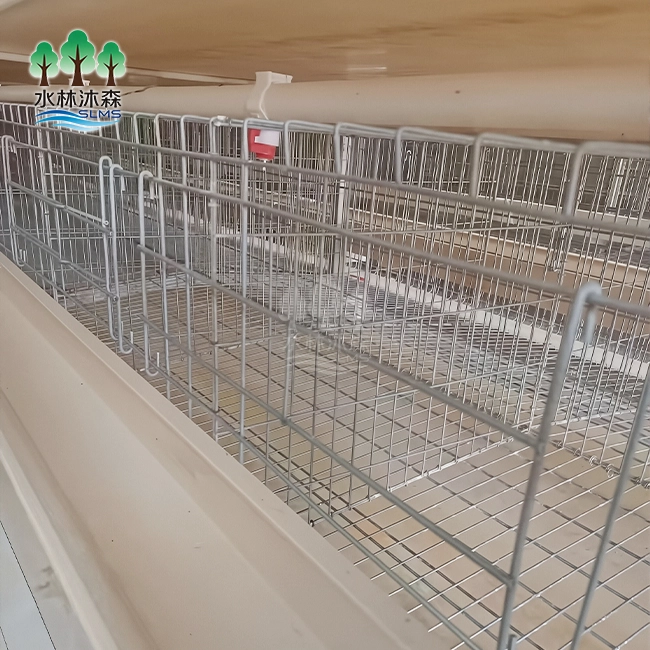
Feed Conversion Ratio (FCR) is greatly affected by the design of broiler cages because it controls how the birds move, how easy it is for them to get food, how stable the setting is, and how stressed they are. A well-designed 3-Level Broiler Chicken Cage makes the best use of space while making sure that all levels have the same access to food and water. The tiered structure cuts down on movement that isn't needed, putting biological energy into weight gain instead of exercise. Hot-dip galvanized steel frames, automatic feeding systems, and controlled air are all features of more advanced designs that help keep diseases from spreading and feed from going to waste. All of these things work together to make Feed Conversion Ratio (FCR) work better, which lets farmers get lower feed costs per kilogram of live weight. This directly makes large-scale poultry businesses more profitable.


Understanding the Relationship Between Broiler Cage Design and Feed Conversion Ratio (FCR)
Why FCR Matters in Commercial Broiler Production?
Feed makes up about 65 to 70 percent of the total cost of raising broilers. Feed Conversion Ratio (FCR) rates how well birds turn food into body mass. It is usually given in kilograms of feed needed for every kilogram of weight gain. Lower FCR numbers mean that the system is more efficient. In areas with a lot of competition, even a 0.05-point increase in FCR can save tens of thousands of birds each production cycle a lot of money. The shape of the cage has a direct effect on this measure because it changes how the birds behave, how stressed they are, how evenly they can get food, and the conditions in the cage.
How Cage Design Influences Bird Behavior and Metabolism
When broilers are kept in systems that aren't properly built, they have to use a lot of energy just to move around, compete for food, and deal with heat stress. These problems can be fixed with modern tiered cage systems that plan their space strategically. The vertical design keeps enough headroom for natural stance while minimizing competition for floor space. When animals are in optimal cage settings where they can't move around much, they use less energy, which helps them build muscle. There is a perfect mix between density and safety in the 3-Level Broiler Chicken Cage. It can hold up to 50 kg/㎡ of chickens without affecting their growth.
The Strategic Role of Multi-Tier Systems in FCR Optimization
Multi-tier systems let you precisely control the world in different levels. Temperature, humidity, and feed spread can all be checked on each floor separately. This fine-grained control stops the uneven growth trends that happen in floor-based systems, where birds near feeders gain weight faster than birds farther away. With the three-tier setup, managers can get to the flock without having to climb up on platforms, which saves money on labor costs while still keeping an eye on the flock at all times. When compared to regular deep-litter living, research shows that controlled-environment cage systems can raise Feed Conversion Ratio (FCR) by 8–12%.
Key Design Features of 3-Level Broiler Chicken Cages That Improve Feed Conversion
Optimized Cage Dimensions and Bird Comfort
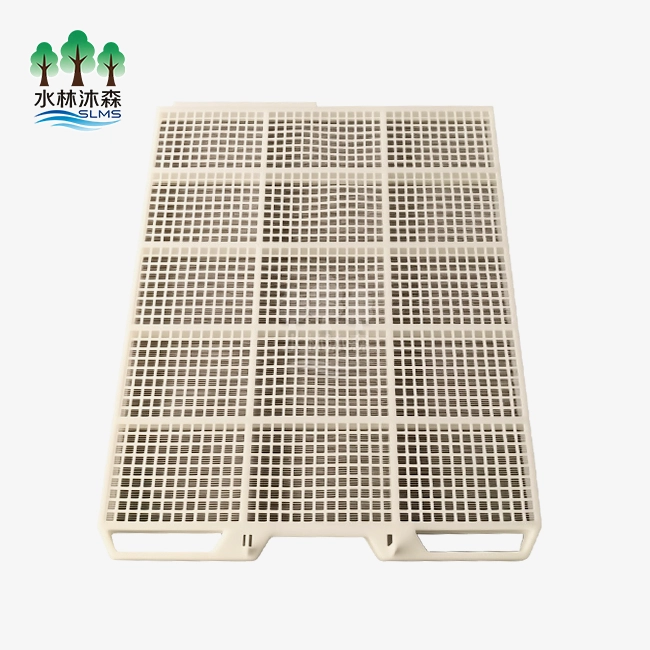
The right cage sizes match the need for room with the needs of the birds' well-being. In a good setup, each cell is about 1400 to 1600 mm long and has 400 to 450 mm of vertical space between each tier. This set-up allows broilers to grow from chicks to market weight without getting in the way of their normal standing or preening habits. When you leave enough space between your feeds, you avoid injuries like breast blisters and leg problems that make it hard to convert feeds. The flooring is made of flexible, raw plastic slats that absorb weight and prevent contact dermatitis, which can make animals eat less.
Advanced Ventilation and Environmental Control Systems
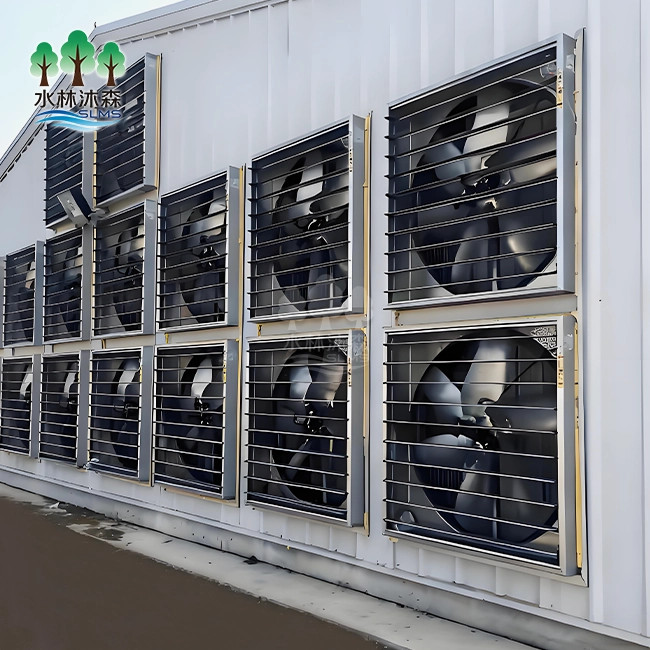
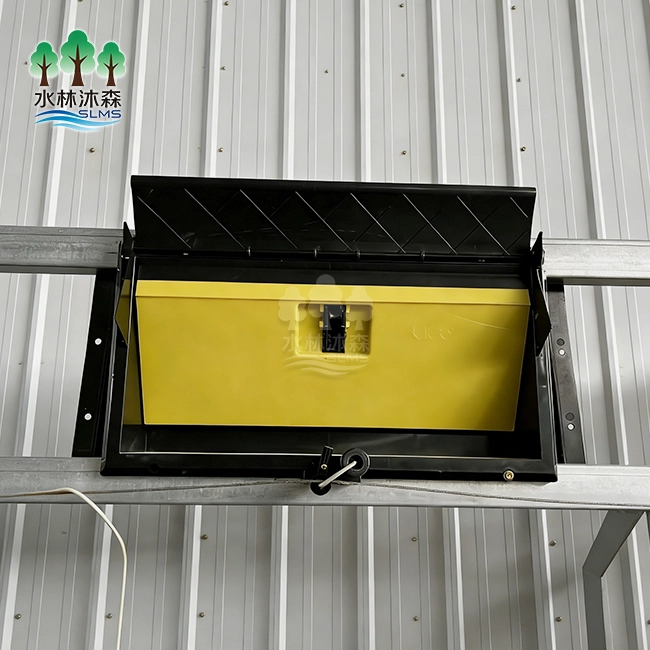
Heat buildup that happens in multi-level homes can be avoided by making sure that air flows evenly through all levels. The design includes side panels with open mesh that work perfectly with tunnel ventilation systems. This makes sure that the temperature and humidity are spread out evenly, which are important for metabolic efficiency. When trash builds up, it can cause high levels of ammonia, which can hurt lung epithelia and make animals eat less. Ammonia levels stay below 20ppm when ventilation is working well, which keeps hunger and growth rates steady. The raised cage structure naturally moves air around below and between levels, which lowers the risk of lung diseases.
Automated Feeding and Watering Technology Integration
Automated feeding systems get rid of the random spread that comes with doing things by hand. Chain or pan feeders give exact meals to all floors of the cage at the same time, giving all the birds the same access no matter where they are. Because of this, powerful birds can't take all the food and leave less-important birds behind in their growth. The built-in mouth drinking system gives access from all angles with steady water flow, keeping the animal hydrated, which is important for digesting food and absorbing nutrients. When compared to standard troughs, automated systems cut down on feed spillage by up to 15%, which directly improves Feed Conversion Ratio (FCR) estimates. The 3-level broiler chicken cage integrates these technologies to maximize feed and water efficiency across all levels of the cage.
Effective Waste Management for Hygiene and Health
Disease control is still a big part of Feed Conversion Ratio (FCR) improvement. The design of the hanging cage keeps birds away from areas where manure builds up. This breaks the circle of feces-to-mouth transmission that causes coccidiosis and necrotic enteritis. Automated dung removal belts move between tiers to keep waste from piling up and raising the level of ammonia. Regular waste removal keeps the air clean and lowers the number of pathogens in the environment, which lowers the cost of medications and increases the efficiency of feed usage. Studies have shown that better cleanliness rules in cage systems can cut FCR decline caused by diseases by 5 to 8 percent.
Durable Materials and Long-Term Performance Stability
Quality of construction has a direct effect on how consistently operations run. The system uses hot-dip galvanized Q235 international standard industrial steel, which gives it a zinc layer thickness of 275 to 600g/㎡. This treatment guarantees a 15–20-year lifespan, even in harsh chicken house settings. Structural stability keeps the feeders and drinkers in the right place during production cycles so that the cage doesn't bend when the birds sit on it. Spraying cage doors with electrostatic electricity makes them even less likely to rust. Durable infrastructure lowers the cost of replacement and the downtime that can temporarily raise Feed Conversion Ratio (FCR) during system changes.
Comparing 3-Level Broiler Chicken Cages with Other Housing Systems for FCR Optimization
Single-Level Cage Systems: Space Inefficiency Trade-offs
Single-tier systems take up a lot more floor room but are easy for managers to get to. Buildings that house 30,000 birds on three levels would need three times as much space as buildings that house birds on one level. This makes building things more expensive, as well as heating and cooling costs in cold places and summertime costs in warm places. While single-level systems make inspection and upkeep easier, they often lead to higher total production costs per bird because they are less efficient at using land and controlling the climate. This cancels out any small benefits that come from being easier to handle the environment.
Traditional Floor Systems: Disease Risk and Feed Waste
Floor-raised broilers come into touch with litter material all the time, which makes them more likely to get sick. When drinkers spill their drinks on wet litter, it makes it easy for bacteria to grow and make ammonia. Birds scratch up and drop food on dirty litter, which is called feed waste. Industry data shows that floor systems usually have Feed Conversion Ratio (FCR) values that are 0.1 to 0.15 points higher than properly run cage systems. This is because floor systems have more problems with cleanliness and feed efficiency. The cost of doing business goes up even more because of the work needed to clean up litter.
Four-Level and Higher-Tier Systems: Complexity vs. Capacity
Four-level or taller layouts make the best use of building room, but they make control more difficult. For top-level checking and harvesting, you need to use elevated platforms, which adds to the cost of infrastructure and raises safety concerns. Ventilation gets harder as you go up in the air, which could lead to differences in the weather between levels. While still being easy to handle, the 3-Level Broiler Chicken Cage strikes the perfect mix between space efficiency and ease of use. Farms say that three-tier systems cut the amount of work that needs to be done by 40% compared to old-fashioned ways, and they don't have the accessibility problems that come with taller buildings.
Energy Consumption and Operational Cost Analysis
Using tiered cage systems keeps birds in smaller, more controlled areas, which means less heating and cooling work needs to be done per square meter of floor space. Automated systems for watering and feeding animals run on set times, which lets energy management be improved. Cage systems use 20–25% less energy per kilogram of live weight than floor systems, which need to stir the litter and ventilate to control ammonia levels more often. Over the course of a production cycle, these operational savings add up to big gains in total revenue that go beyond direct Feed Conversion Ratio (FCR) improvements.
Practical Usage Tips and Maintenance for Maximizing Feed Conversion in 3-Level Broiler Cages
Effective Operational Protocols for Daily Management
Regular tracking schedules keep Feed Conversion Ratio (FCR) function at its best. Every day, the feeders and drinkers should be checked to make sure they work on all levels, looking for clogs or technical problems that make access uneven. Multiple levels of temperature sensors make sure that the environment is constant, and changes are made right away if the differences between levels are more than 2°C. Feed delivery schedules should match the animal's natural eating habits, with new food usually being given in the morning and late afternoon, when intake is highest. Stocking density should never go over the 50KG/㎡ limit, because too much stuffing causes stress and competition that breaks down FCR right away.
Cleaning and Hygiene Protocols for Sustained Performance
By pressure washing feeders and drinkers once a week, you can stop biofilm from building up, which holds germs and makes food taste bad. All surfaces are disinfected with approved quaternary ammonium chemicals or organic acids during the monthly deep cleaning. Manure removal devices need to be used every day to keep ammonia from building up and making people lose their hunger. Complete cage disinfection and structural checking are done between production rounds to find wear spots that need to be fixed. Farms with strict sanitation schedules have 3-5% better Feed Conversion Ratio (FCR) stability than sites with less consistent cleaning schedules.
Troubleshooting Common Challenges
When a system fails, someone needs to fix it right away to keep the Feed Conversion Ratio (FCR) from going down. When the feeder chain breaks or the auger gets stuck, there is a brief lack of feed. This causes animals to eat more to make up for it, which lowers their efficiency. When nipples get plugged, water pressure drops, which leads to dehydration and affects feed conversion right away. If environmental controls fail and temperatures rise above 28°C, it causes heat stress, which makes animals eat less for 24 to 48 hours after the event. Downtime can be kept to a minimum by keeping extra parts for important parts on hand. Technical support tools help workers fix problems quickly, before they affect performance measures.
Innovations Simplifying Maintenance Requirements
Modern cage designs have parts that can be accessed without tools. This means that drinker lines or feeder sections can be quickly replaced without the need for special tools. Modular building lets you work on parts of a system without stopping production in whole areas. Nipple drinkers that clean themselves stop germs from growing. Sloped dung belts make it easier for waste to drain away without having to be scraped by hand. These changes to the design make upkeep tasks easier to do while also making them cleaner. Producers gain from not having to hire as many people and having more stable work plans. The 3-level broiler chicken cage incorporates these innovations, making maintenance tasks more efficient and reducing labor costs.
Procurement Considerations: Choosing the Right 3-Level Broiler Chicken Cage System
Evaluating Performance Specifications and Quality Standards
Decisions about what to buy should focus on how long the structure will last and how well it will work with technology. Check that the materials used to make the cage are made of Q235 steel and that the zinc layer is thicker than 275g/㎡. Make sure the quality of the welding and the structure parts are all the same. Ask current installations for performance statistics, such as Feed Conversion Ratio (FCR) results, system longevity, and how often repair is done. Automated feeding platforms, nipple drinking lines, and garbage management tools should all work with good systems without any problems. If a supplier allows customization, the measurements of the cage can be changed to fit current building requirements.
Supplier Reliability and After-Sales Support
Long-term ties with suppliers protect the continuation of operations. Look at how long a maker has been in business, how easy it is to get expert help, and how easy it is to get spare parts. During the first few production runs, comprehensive warranties that cover both material flaws and structural soundness help lower the risk. On-site installation services make sure that everything is put together correctly and works with the current infrastructure. Staff can get technical help through training videos and online consultations to get the most out of the system. After the sale, responsive help takes care of operating questions and troubleshooting needs for the whole lifecycle of the equipment.
Cost-Effectiveness and Return on Investment Calculation
The original buying price is only one part of the total cost analysis. Figure out how much money you expect to save from higher Feed Conversion Ratio (FCR), less work, and lower disease care costs. In a 30,000-bird business, a 0.10-point increase in FCR usually adds $3,000 to $5,000 to the profit margin each cycle. When 40% of the workforce is cut, saves continue to grow over time. Long-term ownership costs should include maintenance costs, since durable systems only need a few parts to be replaced. Depending on the cost of feed and work in your area, a good cage system will usually pay for itself in three to five output cycles.
Customization for Diverse Production Environments
Different operations have different building sizes, climates, and levels of output. Customization services allow suppliers to change the layout of cages to meet unique needs. Buildings with non-standard ceiling openings can use tier heights that can be changed. Changes to the lengths of the cages make the best use of the room in current structures. Climate-specific treatments on materials make them less likely to rust in seaside areas with a lot of humidity or on desert areas with extreme temperatures. Scalable designs allow for phased adoption, which lets producers move from floor systems over time while testing speed gains before committing fully.
Partnering with Experienced Equipment Providers
Weifang Shuilin Musen Aquaculture Equipment Co., Ltd. has eight years of experience making machines for farming and raising animals. Our skilled research and development team of five engineers is always making cage system technology better, releasing new products every year. Our systems are made with galvanized frames that don't rust and include computerized technologies for feeding, watering, and removing manure that are built for modern busy operations.
Our dedication to strict quality control makes sure that every part can handle heavy use for a long time. Our expert help is complete, and it includes installation videos, setup services on-site, and warranties on all major parts for a year. Our customization options can be used for a wide range of production sizes and environmental conditions, helping everything from small family farms to industrial sites with more than 100,000 birds.
Conclusion
The shape of the cage has a big impact on the results of Feed Conversion Ratio (FCR) because it changes the birds' behavior, the surroundings, their ability to get food evenly, and the spread of disease. The 3-Level Broiler Chicken Cage is a well-thought-out option that optimizes room, makes management easy to reach, and boosts production. Its tiered structure makes the best use of the facility while still meeting welfare standards. Automated systems make sure that resources are delivered consistently, and the building's long-lasting design promises stable performance over time. When used correctly and according to strict operating rules, these systems show measurable FCR gains that directly boost profits. When making purchases, people should focus on getting good supplies, relying on reliable suppliers, and getting full support services.
FAQ
What is the main advantage of using a 3-level broiler chicken cage for feed conversion?
The main benefit is that birds can move around more easily and resources are spread out evenly. The three-tier structure makes the best use of vertical space by keeping more birds per square meter while still giving each bird enough room to move around. This arrangement lowers the amount of energy needed for movement, so nutrients are directed toward weight gain. Automated food and watering systems built into all levels give all birds the same access, no matter where they are located.
How often should 3-level broiler chicken cages be cleaned for optimal FCR?
Using automatic belt systems to remove waste every day keeps ammonia from building up, which makes people feel less hungry. Cleaning feeders and drinkers with pressure water once a week keeps them clean and tasty. Pathogen loads are kept in check by deep cleaning once a month with approved disinfectants. Complete disinfection and structure check are done between production rounds to get the system ready for new flocks. Consistent cleaning rules are directly linked to FCR performance, since disease-related drops in feed intake are the main reason why cage systems lose efficiency.
Can automated feeding systems significantly improve feed conversion compared to manual feeding in these cages?
It is possible to measure the benefits of automated systems in terms of FCR because they ensure accurate distribution time, less spillage, and equal access across all cage floors. When birds are fed by hand, those that are closer to the food sources eat more than those that are farther away, and birds that are farther away don't get enough food. Automated chain or pan systems give meals at the same time, getting rid of feeding orders based on who is in charge.
Partner with a Trusted 3-Level Broiler Chicken Cage Supplier
Shuilin Musen Aquaculture Equipment Co., Ltd. stands ready to enhance your broiler production efficiency with our advanced cage systems. Our engineered solutions deliver proven FCR improvements through optimized design, premium materials, and comprehensive automation integration. We support operations of all scales with customization capabilities tailored to your specific requirements, whether you manage 5,000 or 100,000 birds.
Our technical team provides complete implementation support, from initial consultation through on-site installation and ongoing operational guidance. contact us today at wangshuaislms@gmail.com to discuss how our 3-Level Broiler Chicken Cage manufacturer solutions can reduce your feed costs and maximize profitability. Visit slms-equipment.com to explore our complete product range and discover why leading poultry producers worldwide trust our equipment for reliable, long-term performance.
References
1. Appleby, M. C., Mench, J. A., & Hughes, B. O. (2004). Poultry Behaviour and Welfare. CABI Publishing, Wallingford, United Kingdom.
2. Aviagen Group (2018). Ross Broiler Management Handbook: Nutrition and Feed Management Strategies for Optimal FCR. Aviagen Limited, Huntsville, Alabama.
3. Donald, J. (2016). Feed Efficiency in Broiler Production: Management Factors Affecting Feed Conversion Ratio. Poultry Science Association Annual Meeting Proceedings, Volume 95, Supplement 1.
4. Estevez, I. (2007). Density Allowances for Broilers: Where to Set the Limits? Poultry Science, 86(6), 1265-1272.
5. North, M. O., & Bell, D. D. (1990). Commercial Chicken Production Manual (4th Edition). Chapman & Hall, New York.
6. Xin, H., Berry, I. L., & Tabler, G. T. (1996). Environmental Control Systems for Poultry Production. Journal of Applied Poultry Research, 5(2), 203-215.
Learn about our latest products and discounts through SMS or email