How Negative Pressure Fans Improve Poultry Farm Productivity
Taking care of a big poultry farm requires careful control of the environment. A Livestock Ventilation System Negative Pressure Fan solves this problem by providing controlled airflow that has an effect on the health of the birds, their growth rates, and the farm's general profits. These special vent units lower the air pressure inside the machine compared to the outside air pressure.
They do this by pushing fresh air through certain openings and letting out old, ammonia-filled air. This system gets rid of extra water, keeps temperatures stable, and stops bacteria from growing—three things that have a big effect on death rates and feed conversion efficiency. This technology helps poultry farms with 10,000 to over 100,000 birds, especially when it's used in tunnel or cross-ventilation designs that keep air exchange rates steady no matter what the weather is like outside.


Understanding Negative Pressure Ventilation in Modern Poultry Houses
The Operating Principle Behind Negative Pressure Systems
The basic idea behind negative pressure ventilation is simple, but it works well. On one end of a chicken coop, exhaust Livestock Ventilation System Negative Pressure Fans remove air from inside the coop automatically, making a small hoover. This difference in pressure, which is usually kept between 0.05 and 0.12 inches of water column, pulls in fresh air from the outside through entry vents or evaporative cooling pads at the other end. The resulting airflow design makes sure that the heat and dampness are spread evenly throughout the building, avoiding "dead zones" where they build up.
How well this method works depends on how well the building shell is sealed. Any holes or leaks that aren't supposed to be there throw off the pressure balance, which makes the fan less effective and the airflow patterns less stable. In tunnel-ventilated houses, fast-moving air (usually 600 to 700 feet per minute) creates a wind-chill effect that helps birds get rid of body heat, which keeps them from getting heat stress that can ruin production measures.
Key Performance Benefits for Poultry Operations
Using the right negative pressure ventilation leads to measurable gains in a number of performance measures. Keeping ammonia levels below 25 parts per million lowers the risk of lung diseases and improves the regularity of feed intake. Birds that breathe cleaner air put more of their energy into growth instead of immune response, which leads to better feed exchange rates.
Another important benefit is that you can control the temperature. When it's really hot in the summer, enough air flow lowers the actual temperature by a few degrees, which keeps birds in their thermoneutral zone. On the other hand, minimum air modes get rid of moisture and toxic gases without freezing the flock too much during the winter. This careful control of the environment leads to lower death rates, often by 1-2 percentage points, which is a big difference when you're taking care of tens of thousands of birds.
Optimal Pressure Ranges for Different Production Stages
Depending on the type of chicken house and the size of the flock, different pressure sets are needed. During the first week after being put in place, grill houses only need a small amount of ventilation—enough to get rid of wetness and keep the static pressure between 0.02-0.03 inches. As birds get bigger and make more heat, the ventilation steps work more and more. They reach their fullest capacity during weeks 5–7, when metabolic heat output is highest.
Layer houses that take care of older birds keep their air rates steady but adjust for changes in temperature throughout the year. Breeder operations need even more fine control to make sure that hens are comfortable and that egg production is at its best. For each situation, the total CFM (cubic feet per minute) needs to be carefully calculated based on the number of birds, their weight, and the weather outside.
Comparing Negative Pressure Fans with Alternative Ventilation Approaches
Negative Pressure vs. Positive Pressure: A Technical Comparison
Knowing the difference between these two methods helps people who work in buying choose the right tools. Fans are used in positive pressure devices to push air into a structure. This makes the pressure inside the structure greater, which pulls air out through exhaust points. This method works well in some business settings, but it's not as good for keeping animals.
Livestock Ventilation System Negative Pressure Fan give you more control over where the air entry is located, so you can make sure that fresh air comes in through filtered or cooled openings instead of random cracks. This guided flow of air keeps temperatures even and keeps birds from getting drafts. It's hard for positive pressure systems to keep this level of uniformity, which leads to hot spots and even air flow.
Evaluating Current Market Options for Large-Scale Operations
When looking at different options, longevity is the most important thing to think about. High humidity, toxic ammonia, and constant operation cycles are all things that happen in poultry houses that quickly break down less-than-stellar equipment. High-quality units made from galvanised steel or stainless steel parts last longer than 40,000 hours of use, which means they don't have to be replaced as often during multi-year production cycles.
Noise levels affect both the comfort of workers and their ability to follow the rules. Modern designs with blades that are better at reducing drag and motor bases that reduce vibrations work at much lower decibel levels than older models. This is especially important for businesses that are close to neighbourhoods or hire people to work long hours.
Energy Efficiency Directly Impacts Operational Economics
Energy economy has a direct effect on the costs of running a business. The best fans have rates of more than 20 CFM per watt, which means they use a lot less power over the course of a year. Using inverter-duty motors and variable frequency drives together allows for staged ventilation control, which changes the fan speed to match the needs instead of turning it completely on and off, which saves even more energy.
Cost-Benefit Analysis for Long-Term Investment Planning
The initial cost of the tools is only one part of the total costs of ownership. Unplanned downtime is less likely to happen when units are reliable, which is very important because fan failure during heat events can cause huge flock loses. A well-designed 50-inch Livestock Ventilation System Negative Pressure Fan with 28,000 to 38,000 m³/h of airflow and 150 to 200 square meters of coverage per unit has the power for setups of the right size.
To figure out the return on investment, you have to look at both direct cost saves and increases in productivity. When farms install professional-grade ventilation systems, feed conversion rates always go up by 3 to 5 percent and mortality goes down by 1 to 2 percent. When applied to a 50,000-bird grill house that finishes six groups a year, these ratios bring in a lot more money that quickly covers the cost of the equipment.
Warranty covering and customer service after the sale should be carefully looked at. A free warranty for one year is the basic level of safety, but the real risk of downtime depends on how quickly you can get technical help and how easy it is to get new parts. Manufacturers who offer installation help, troubleshooting tools, and customisation choices are more valuable than providers who only sell equipment.
Installation and Maintenance Best Practices for Maximum System Longevity
Strategic Placement and Sizing Calculations
Finding the right size is the first step in installing something correctly. The highest expected bird weight, the goal air velocity, and the building's cross-sectional area are used by engineers to figure out how many CFM are needed. Systems that are too small can't keep enough air flow going when it's really hot, and systems that are too big waste money and energy.
Where you put the Livestock Ventilation System Negative Pressure Fans has a big effect on how well they work. When possible, units should be mounted on the side away from the usual winds. This will lower the resistance while they are working. Spacing between fans stops interference patterns that make each unit less efficient. Pay close attention to the manufacturer's instructions when setting the mounting height and angle; a bad fitting can make the shutter not work properly and cause back-draft problems.
Inlet Design Demands Equal Consideration
Inlet design needs the same amount of thought. If the system meets the goal static pressure, the ratio of the input area to the fan capacity tells us. When opening sizes are too small, fans have to work harder, which lowers airflow and speeds up wear. When evaporative cooling pads are used together, they need to be properly hydrated and maintained on a regular basis to keep bacteria from growing and blocking airflow.
Routine Maintenance Protocols to Prevent Costly Downtime
Setting up routine repair plans keeps things from breaking down without warning. Once a month, the motor temperature, belt tension (if the model is driven by a belt), bearing state, shutter function, and belt tension should all be checked. When dust and feathers build up on blades, they work less efficiently and cause an imbalance that speeds up bearing wear. Blades should be cleaned at least every three months, and more often in places with a lot of dust.
Pay close attention to the systems that control shutters. When fans stop, centrifugal or balancing systems must be able to move easily so that they can open all the way and close tightly. Sticky or partly closed doors can cut airflow by 30% or more, making the money spent on good fans useless. Cleaning and lubricating the hinge points keeps them working right.
Motor repair makes tools last a lot longer. Making sure the electrical connections are correct, listening for strange noises or vibrations, and keeping an eye on the current draw can help find problems early on, before they become too big to fix. Standard industrial motors can't handle harsh conditions as well as motors that are designed for constant service, have IP55/IP56 protection, and Class F insulation.
The Value of Professional Installation and Certified Service Networks
Regular upkeep can be done by experienced farm staff, but professional help is best for the first installation. Installers who are certified know how to get the right static pressure, find air leaks, and set up control systems so they work at their best. There are a lot of makers that offer installation guides and expert help documents, but on-site service makes sure that everything is set up correctly from the start.
When you work with authorised dealers, you can get real replacement parts, service for your warranty, and expert advice. These connections are very helpful when trying to solve complicated problems or plan for building additions. Distributors who know about the local environment and how chickens are raised can give you information that generic sellers can't.
Custom solutions are made to meet the specific needs of an operation. Facilities that have to deal with different types of homes, oddly shaped buildings, or specific production processes benefit from providers who can change standard equipment. Off-the-shelf goods can be turned into systems that work perfectly on farms by adding different materials, changing the motor power, or adding custom settings.
Enhancing Overall Farm Productivity Through Strategic Ventilation Management
Direct Health and Growth Performance Improvements
There are several ways that the link between air quality and bird behaviour can be seen. Less contact to ammonia protects the lining of the respiratory system, making it less likely that secondary bacterial illnesses will happen. When birds are healthy, they eat the same amount of food every day, so their growth doesn't stop when stress in the surroundings makes them lose their hunger.
Stable temperature stops the energy loss that comes with thermoregulatory stress. Birds that keep their body temperatures in the right range put more of the calories they eat into building muscle than into making metabolic heat or cooling down. This change in efficiency shows up as better feed conversion, with animals needing 0.05 to 0.10 fewer pounds of feed per pound of gain.
Even spread of air makes sure that all birds have similar conditions, which reduces differences within groups. Consistent growth across the population makes it easier for managers to make choices about how to change the feed mix and when to do the processing. Processors like regular groups that produce stable carcass weights and meat quality. They will sometimes pay more for lots that are well managed by the Livestock Ventilation System Negative Pressure Fans.
Documented Case Studies from Commercial Operations
In the southeastern United States, a 100,000-bird grill farm replaced the fans in six tunnel-ventilated houses with high-efficiency negative pressure fans. Monitoring after placement showed that mortality dropped by 1.8% and the feed conversion ratio went up by 4 points. The farm found an extra $42,000 in profit after taking into account the cost of equipment and the higher amount of power used. This was based on the yearly production of six flocks.
Precision ventilation control has become a competitive edge for European chicken processors. A Dutch layer farm that took care of 250,000 birds put together controls for variable-speed fans, ammonia sensors, and temperature monitors that worked in real time. The automatic system constantly changes the amount of air, keeping conditions at their best without any help from a person. The business says that their new system is 2.3% more efficient at feeding and 1.1% better at laying eggs than their old standard system.
Integration with Smart Farm Management Technology
More and more, modern chicken farms use sensor networks and automatic control systems to keep the environment at its best 24 hours a day, seven days a week. Sensors that measure temperature, humidity, ammonia, and carbon dioxide send data streams in real time that help with choices about ventilation stages. Negative pressure fans with variable frequency drives exactly react to controller commands, so they don't lose efficiency when they turn on and off.
With remote tracking, managers can keep an eye on conditions in various homes from their phones and get alerts when parameters move out of acceptable ranges. This makes it possible to move quickly before problems in the surroundings hurt bird health. Historical data logging helps with efforts to make things better all the time by showing trends that help with making changes to facilities and management procedures.
As we look to the future, artificial intelligence programs show promise for managing the world in a way that is ahead of time. These systems can predict the need for air by looking at weather forecasts, bird age profiles, and past performance data. They do this by acting proactively instead of reactively. Early users report even small improvements in efficiency, which suggests that this technology will be widely used in a few years.
Practical Procurement Guidance for Equipment Selection and Supplier Evaluation
Matching Fan Specifications to Your Operation's Requirements
A thorough assessment of the building is the first step in choosing the right tools. To figure out the minimum CFM needs, you need to add up the total floor area, the average store density, and the extreme weather in the area. A single 50-inch Livestock Ventilation System Negative Pressure Fan that moves 28,000 to 38,000 m³/h can successfully cool 150 to 200 square meters. This can be used as a starting point for planning capacity. Tunnel-ventilated homes need one fan for every 50 to 100 feet of building length, but this depends on the width and speed of the air that needs to be moved.
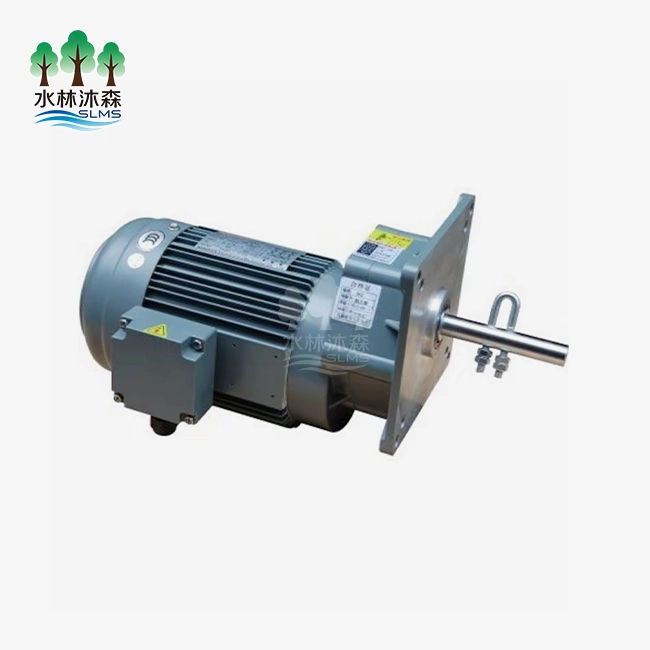
Motor specs are more important than just power numbers. Commercial versions usually use a 1.1 kW motor running at 380V, but make sure the electrical service is compatible before placing an order. Having access to single-phase power may mean that different motor setups are needed. Make sure that the motors have the right duty rates for constant use; equipment made for homes can't handle the demands of business livestock housing.
Identifying Trustworthy Suppliers and Manufacturers
As important as the quality of the tools is how reliable the supplier is. Companies that have been making agricultural tools for a long time show that they understand the needs of that business better than general industrial suppliers do. Companies that offer complete solutions, such as cage systems, watering equipment, and food systems that work with each other, make it easier to coordinate large building or repair projects.
The ability to provide technical help sets apart great providers from average ones. Implementation mistakes can be avoided by having access to installation guides, thorough product documentation, and quick tech support. Manufacturers who keep professional R&D teams, ideally with multiple engineers whose sole job is to improve products all the time, show that they are committed to long-term greatness rather than short-term profit maximisation.
Evaluating Total Cost of Ownership and Investment Protection
The purchase price is only the beginning of the costs of owning a car. The amount of energy used over the years of use often exceeds the cost of the tools, which is why efficiency scores are so important. Fans with service lives of more than 40,000 hours, which is about 4.5 years of constant use, are a better deal than shorter-lasting alternatives, even if they may cost more up front.
Your investment is safe if you negotiate good terms. Make sure you understand the details of the guarantee, such as what parts are covered and how to make a service claim. Find out if the costs of shipping new parts are covered by the guarantee or if they are extra costs. Check to see if technical help is available. Some providers charge for consultations after the initial installation, while others offer ongoing support as part of their service.
The ability to customise meets the specific needs of each business. Flexible manufacturing providers help facilities that don't have standard access to power, have oddly shaped buildings, or have unique material needs. Being able to choose materials that don't rust, change motor power ratings, or change the size of the equipment makes sure it fits the needs of the application perfectly instead of making sacrifices.
Conclusion
Controlling the climate well is what makes the difference between chicken farms that make money and ones that don't. Ventilation systems are the basis of good management. Livestock Ventilation System Negative Pressure Fans designed for cattle use make a noticeable difference in the number of deaths, the speed with which feed is converted, and the general uniformity of the flock. For adoption to go smoothly, it needs to be carefully planned for capacity, professionally installed, and regularly maintained.
This is where experienced makers can be very helpful. The technology keeps getting better. Motors that use less energy, controls that are automatic, and smart tracking systems all offer more ways to make things work better. When facilities buy reliable, the right-sized equipment now, they set themselves up for long-term economic edge across multiple production cycles.
FAQ
What static pressure should negative pressure ventilation systems maintain?
Target static pressure changes based on the season and the type of airflow. Minimum airflow in cold weather usually keeps the water level between 0.02-0.03 inches high, which lets enough air flow without freezing birds. When it's hot outside, tunnel ventilation works at a depth of 0.08 to 0.12 inches to move air quickly and cool things down. Livestock Ventilation System Negative Pressure Fans can reach these goals more efficiently if the inlets are the right size and the house is sealed properly.
How do I calculate the number of fans required for my poultry house?
Find the total CFM needed by multiplying the heaviest bird's weight by the suggested CFM per pound, which for broilers is usually between 1.0 and 1.5 CFM/lb but can change depending on the temperature. To find the rated capacity of each Livestock Ventilation System Negative Pressure Fan at your goal static pressure, divide this number by the total. Keep in mind that as static pressure rises, airflow drops. Include backup power so that there is enough air even if one unit fails at a crucial time.
Can negative pressure fans integrate with automated climate control systems?
Modern Livestock Ventilation System Negative Pressure Fans with changeable frequency drives work perfectly with controls that do everything for you. Sensors that measure temperature, humidity, and gas amounts are used by these systems to change the fan speed all the time. This saves energy while keeping the conditions at the right level. Adding VFD controls to current systems is a cost-effective way for businesses to improve their efficiency without having to buy all new equipment.
Partner with Shuilin Musen for Your Ventilation System Needs
Weifang Shuilin Musen Aquaculture Equipment Co., Ltd. has been making specialised machinery for eight years and now makes air equipment for animals. Our Livestock Ventilation System Negative Pressure Fan is reliable enough for your business, and it comes with a full guarantee and a network of expert support staff. We offer unique solutions that are made to fit the needs of your building, from initial sizing figures to installation help and ongoing service.
Email our team at wangshuaislms@gmail.com to talk to our tech staff about your air problems. If you're planning to build a new facility or improve an existing one, working with a well-known Livestock Ventilation System Negative Pressure Fan maker will protect your investment by giving you access to tried-and-true technology and quick help.
References
1. Czarick, M. and Lacy, M. (2019). Tunnel Ventilation Design and Management for Broiler Houses. University of Georgia Cooperative Extension Publication.
2. Donald, J. (2018). Environmental Management in Poultry Production: Ventilation Systems and Bird Performance. Journal of Applied Poultry Research, 27(3), 445-459.
3. Hoff, S.J. and Janni, K.A. (2020). Mechanical Ventilation Systems for Livestock Housing: Engineering Principles and Best Practices. ASABE Technical Publication.
4. Mitchell, M.A. and Kettlewell, P.J. (2021). Poultry Environmental Physiology: The Interface Between Ventilation and Bird Welfare. Avian Biology Research, 14(2), 78-94.
5. Seedorf, J. and Hartung, J. (2020). Air Quality and Emissions from Livestock Ventilation Systems: Measurement Protocols and Control Strategies. European Poultry Science Journal, 84(1), 112-128.
6. Yahav, S. (2018). Heat Stress Management in Poultry: Ventilation Strategies for Improving Production Efficiency. Poultry Science Reviews, 93(7), 1756-1768.
Learn about our latest products and discounts through SMS or email