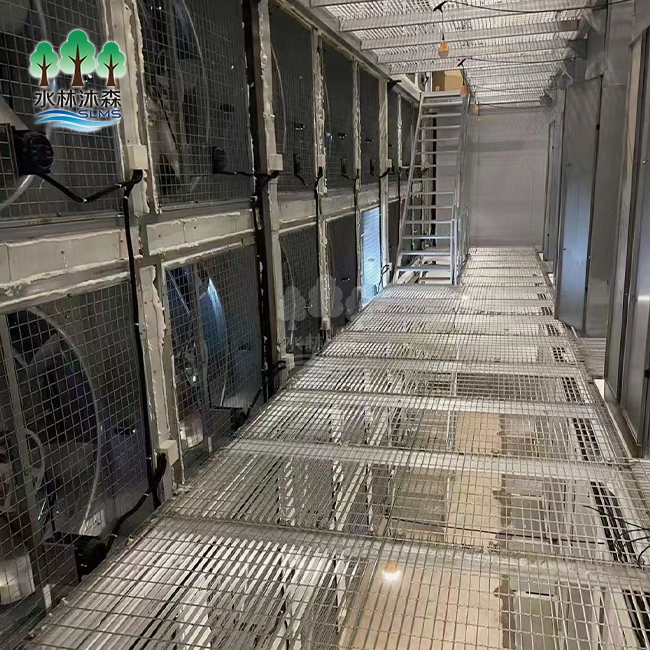
How to install poultry house egg conveyor belt safely and fast guide
Putting in a chicken egg conveyor belt the right way turns collecting eggs from a hard job that needs a lot of work into an easy, automatic process. Weifang Shuilin Musen Aquaculture Equipment Co., Ltd. has been in the farming machinery business for eight years and has helped hundreds of farms set up their equipment successfully.
This guide shows buying managers, farm engineers, and equipment dealers tried-and-true ways to set up chicken egg conveyor belts that keep workers safe, cut down on downtime, and get the most out of their investments. The tips in this article will help your conveyor installation go quickly and work reliably from the start, no matter if you are in charge of a 10,000-bird business or the equipment purchases for several facilities.
Modern chicken farms need efficient methods for handling eggs that keep hygiene standards, cut down on breakage, and reduce the amount of work that needs to be done. Our chicken egg conveyor belts are made from high-quality polypropylene and have lengths between 100mm and 300mm and thicknesses between 0.4mm and 1.2mm. They are designed to work well in the tough conditions of a chicken house.
These methods have been shown to cut the amount of work that needs to be done to collect eggs by hand by more than 40% while still being gentle enough to protect the quality of the eggs. When done right, the installation process usually takes between one and three days, based on the size and complexity of the building.


Understanding the Installation Challenges of Egg Conveyor Belts
Common Installation Obstacles
Installation problems with chicken egg conveyor belts are very different from those with regular industrial conveyors. Misalignment is the problem we see most often when people call for technical help. If the belt tracking is off by even a little, eggs will roll off the sides or the belt will rub against frame parts, wearing them out faster than they should. Another big problem is that the tension is wrong. If it's too loose, the belt slips off the drive wheels, and if it's too tight, you stress the motors and speed up material wear.
The environment in chicken homes makes installation even more difficult. High levels of ammonia, wetness, and dust mean that you need to be very careful when choosing materials and covering them. Many farms don't realise how temperature changes can cause belts to expand and shrink, which can cause problems with regular tracking. Our expert team has seen cases where changes in temperature of 10 degrees caused enough belt expansion to cause problems with systems that weren't fitted correctly.
Safety Principles for Poultry Equipment Installation
There can be no compromise on worker safety during installation. Personal protective tools like safety glasses, work gloves, and steel-toed boots are required by our installation guidelines as a minimum. Lockout/tagout methods keep motors from turning on by mistake while belts are being threaded and aligned when working with electrical parts. After years of working in the field, we came up with these rules, which are now the basis of all of our installation training films.
When installing something, ergonomics are very important. Belt rolls that weigh 15 to 30 kilograms need to be lifted with the right methods or with mechanical help. When our construction teams line up upper-tier conveyors in battery cage systems, they use work platforms with changeable heights so that people don't have to stand in awkward positions. These methods cut down on construction time and keep workers from getting hurt on the job, which slows down the project's finish.
Step-by-Step Guide to Installing a Poultry House Egg Conveyor Belt Fast and Safely
Pre-Installation Assessment and Planning
The installation process starts before the equipment gets to your building. The right belt specs are based on accurate measures of the lengths of the cage rows, the heights of the tiers, and the locations of the collection points. We suggest making a thorough site map that shows where the power outlets are, where the support points are for the structure, and where the clearance zones are. chicken egg conveyor belt specifications, in particular, must be cross-referenced with these measurements to ensure proper tension and tracking. During this part of planning, problems like low ceiling beams or overlapping utility lines are found that could cause the work to take longer than planned.
Make sure that the system you bought meets these site conditions. Our chicken egg conveyor belts come with full support structures, drive mechanisms, and parts for adjusting the strain. Unpack each part in a logical order and compare it to the packing list. Finding missing gear during installation can cause annoying delays, so this step of checking saves a lot of time.
Assembling the Frame and Support Components
Setting up the frame is the first step in making sure that the belt works correctly. Place support brackets at the times stated in your system literature. Depending on the width of the belt and the weight of the eggs, this is usually every two to three meters. Carefully level each support point with precise tools; over long runs, even small differences add up and cause tracking problems. The galvanised steel frame parts of our chicken coops don't rust in hard conditions, and the structure stays strong even after years of use.
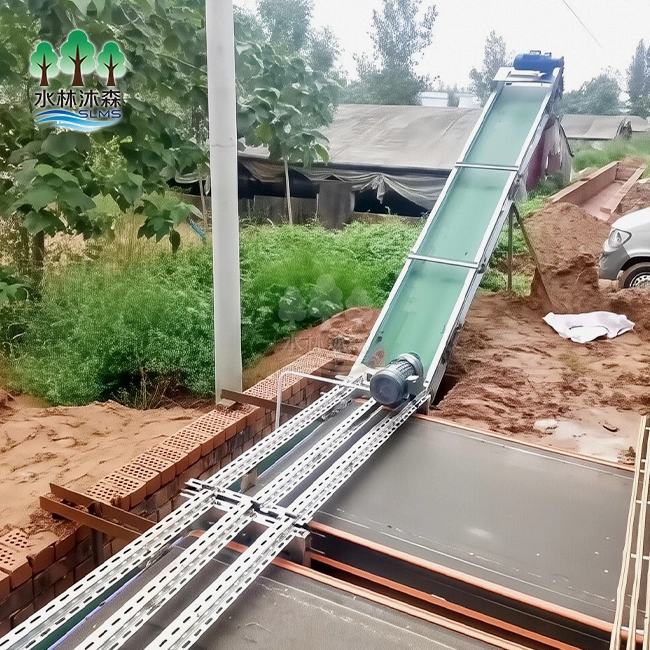
Install the drive motors and tension rollers according to the instructions given by the maker. The drive wheel is usually put in place at the end where the eggs are discharged and moved to collection tables. At the other end, tension control tools let you make small changes while the machine is being set up. All mounting nuts should be tightened to the stated torque values. Loose connections cause vibrations that hurt eggs and speed up the wear of parts.
Belt Threading and Alignment Techniques
To thread the belt, you need to use measured technique instead of force. First, put the belt roll close to the end of the machine that is under stress. Unroll just enough to reach the drive end, plus a little extra to join it together. Make sure that the belt fits properly in any guide holes before you thread it over all of the support rollers. For egg-holding texture, the herringbone or perforated design that is popular in chicken egg conveyor belts should face up.
Adjustments to the alignment keep the belt from moving side to side while it's working. For tracking control, most systems have capped rollers or movable guide rollers. Start making changes to the belt while it is under light stress. Then, slowly add more tension while watching how it tracks. The belt should run straight on all of the rollers without touching any parts of the frame. This process needs to be done slowly, because rushing causes tracking issues that last and need to be fixed several times later.
Tensioning Methods for Optimal Performance
The right amount of strain keeps you from slipping without being too stressed. When egg loads rise during peak egg-laying times, under-tensioned belts tend to slip on the drive wheels. Motors are overworked, heat is made, and belt life is shortened when stress is too high. As a general rule, we suggest that the tension be set so that the middle of the belt can bend about 25 mm vertically when modest downward pressure is applied.
Different types of systems have different ways to change the tension. Screw-type adjusters give you exact control, while spring-loaded methods keep the tension constant even if the belt slightly stretches. Run the empty belt for a few minutes after the first tensioning, then check and make any necessary changes. During the first few hours of use, new belts tend to stretch a little, so plan to check the tightness again after the first day of production.
Electrical Integration and Automation Setup
Local safety rules and laws must be followed when making electrical links. Power lines should be run through safe conduit and kept away from metal parts of buildings that could short circuit in wet conditions. Overload safety and an emergency stop feature that can be accessed from multiple places along the conveyor run should be built into motor controllers. We give you wiring plans that are specific to your system. You should follow them exactly to keep your guarantee valid.
Automated systems with speed controls or sensors for counting eggs need to be calibrated more. Place sensors so that they can reliably find eggs without getting false alarms from belt roughness or trash. Most speed controls start out slowly, at about 5 to 10 meters per minute. They are then changed depending on the size of the group and how it is collected. When needed, our technology support team helps with these control system changes through video chat.
Final Inspection and Safety Verification
A pre-startup check finds problems before they hurt the eggs or the equipment. Check the whole length of the belt for loose gear, that it's tracking correctly, and that there are enough space between moving parts as you walk along it. Make sure that all of the safety guards are in place, especially those that go around drive systems and pinch points. Make sure that the emergency stop buttons stop the belt from moving right away by pressing them.
Run the empty chicken egg conveyor belt through several full rounds while looking at how it works from different angles. If you hear strange sounds, it means that the signals aren't aligned correctly or are being interfered with. Make sure that the belt always goes back to the center of the track. For future use, write down the original settings, such as the motor speed, belt strain, and controller factors. This basic data is very helpful when trying to figure out what's wrong or teaching new repair staff.
Optimizing Conveyor Belt Performance Post-Installation
Speed Adjustment for Throughput and Egg Protection
Optimisation of belt speed strikes a balance between egg safety and collecting efficiency. While faster speeds increase throughput, they also increase the chance that eggs will roll or bounce against gathering places. We suggest starting at 8 meters per minute and slowly speeding up while keeping an eye out for egg cracks or chips. Depending on how the cages are set up and how the collection table is made, most processes work best at 10 to 15 meters per minute.
The ability to change speeds lets you adjust for group age and output cycles. Slower speeds that use less energy are good for young groups that lay fewer eggs. During busy times, speeds may need to be higher to keep eggs from piling up in boxes. Our chicken egg conveyor belts can make these changes with just a few simple settings on the controller. This gives us practical freedom across production cycles.
Energy Efficiency and Maintenance Scheduling
When many conveyors are going all the time in big buildings, the energy costs add up quickly. Choose motors that are the right size for the load—motors that are too big waste energy, and motors that are too small don't work as well. To get the most out of the energy we use, our engineering team sizes drive systems based on the length, width, and expected egg loads of the belts.
Regular repair makes equipment last longer and keeps it from breaking down at crucial times for production. Visual checks every day find new problems like frayed belts or noisy roller bearings before they become major problems. Cleaning once a week gets rid of dust and other organic matter that can harbour germs. Lubricating the tension systems and bearing points once a month keeps the process running smoothly. We give you full maintenance plans that are tailored to the way your system is set up, and our one-year warranty covers problems caused by manufacturing.
Cleaning Protocols and Biosecurity
Keeping the sides of chicken egg conveyor belts clean has a direct effect on the quality of the eggs and on following food safety rules. When properly cleaned, the non-absorbent polyethylene material in our belts stops germs from growing. To get rid of biological leftovers without hurting the belt surfaces, use detergents with a neutral pH and soft brushes. Stay away from bleach solutions with a lot of chlorine in them or water that is very hot; these can break down belt materials over time.
Set up cleaning plans that work with the times you handle your flock. Deep cleaning during house cleanup between groups is a good time to disinfect completely. In between these deep cleanings, cleaning obvious dirt spots every day keeps bacteria from building up. Unlike solid belt designs, our open belts let debris fall through instead of building up on egg-contact areas, which means less work needs to be done to clean them.
Selecting the Right Egg Conveyor Belt for Your Poultry House
Material Considerations for Durability and Hygiene
Choice of materials affects both how long a system lasts and how well it meets food safety standards. Premium polyethylene is very resistant to chemicals like ammonia and cleaning products, and it can still be bent in a range of temperatures that are common in chicken houses. This material doesn't let microbes grow if it's kept in good shape, which supports safety rules that are necessary for modern egg production.
Different operating needs are met by thickness standards ranging from 0.4mm to 1.2mm. For lighter-duty jobs in smaller sites with moderate egg loads, thinner belts work best. Heavy gauge materials can handle the constant stress of moving thousands of eggs every hour on a large scale. With widths ranging from 100mm to 300mm, they can fit a variety of cage styles and egg collection rates. Our technical staff helps you figure out the best specs based on the details of your building and the amount of work you need to do.
Automated Versus Semi-Automated System Comparison
In fully automatic systems, collecting eggs is combined with counting, sorting, and packing them all at the same time. These setups save the most time and money on labour, but they are more difficult to set up and cost more at first. Semi-automated systems move the eggs to central pickup points where they are processed by hand; in such configurations, the chicken egg conveyor belt often serves as the critical link between the automatic collection head and the manual packing stations. This method works well for businesses that are switching from hand collection or places where the cost of labour is still low.
Which amount of automation to use relies on the size of the business and its plans for growth. A plant with 20,000 birds can usually afford to be fully automated because it saves so much time and money on labour in just two production cycles. Smaller businesses or ones that only make things during certain times of the year may find that semi-automated systems give them a better return on their investment. We take the time to understand each client's unique situation so that we can make tips that are right for them instead of answers that work for everyone.
Evaluating Manufacturers and Supplier Capabilities
When looking for trusted suppliers, you need to look at more than just the cost of the tools itself. The quality of the manufacturing decides whether your conveyor works well for years or needs to be fixed all the time. Our eight-year history in making agricultural tools, along with the work of our skilled five-engineer research and development team, shows that we are dedicated to making quality goods. We release more than three new versions of our products every year, and we're always improving the designs based on what we learn from customers and our own experience in the field.
Long-term happiness is greatly affected by the availability of technical help. Downtime and installation problems are less likely to happen when equipment providers offer installation guides, quick technical support, and on-site help when it's needed. Our full help includes complete installation instructions, video tutorials, technical support via email at wangshuaislms@gmail.com, and the ability to visit sites for more complicated installations. Customisation options let systems be made to fit the needs of each location, instead of pushing standard configurations to work in places where they don't belong.
Case Studies: Successful Fast and Safe Installations in Poultry Houses
Mid-Scale Layer Operation Installation
A 35,000-bird laying hen house in the Midwest recently switched from collecting eggs by hand to using our automatic chicken egg conveyor belt. The team that put together the four-tier, 80-meter system did it in two business days. Planning was very important—the farm made sure measurements were correct and electricity work was done before the tools arrived, so there were no delays. The installation team started by making sure the frame structure was level and square, because they knew that this was the most important part of the alignment process.
The second day was spent winding and tensioning the belt and making sure the tracking was set correctly. The farm immediately saved money on labour because now only two workers do the collection job that used to require five. The quality of the eggs also got better; the rate of breaking dropped from 2.8% to 1.1% when the handling effects of hand-collection were taken away. The farm manager told us that the installation videos we sent them ahead of time helped their support staff understand the system quickly, which made the start-up go more smoothly.
Large-Scale Integration Project
Our chicken egg conveyor belts were installed in eight houses at the same time at a 150,000-bird complex that was also expanding its facilities. This size required careful project management and delivery in stages. The buying team worked closely with our engineering staff to make sure that all of the houses had the same specs while still taking into account small differences between sites. When you order in bulk, you save money on each unit and make sure that all of your parts will work together.
Installation teams worked on multiple homes at the same time, and even though the job was big, it was finished in three weeks. Because everything was done in the same way, lessons learned in earlier installations made later parts run more smoothly. The building now has a semi-automated method that requires 60% less collection work than the old one. Energy tracking shows that the motors that are the right size use 30% less electricity than the ones that were too big before. This project showed that the problems that come with putting in big amounts of equipment can be solved by careful planning and working together with suppliers.
Conclusion
For chicken egg conveyor belt installation to go smoothly, it needs to be carefully planned, carried out in a methodical way, and safety rules must be followed at all times. The steps in this guide are tried-and-true ways that have been developed over hundreds of installations in a wide range of poultry businesses. When the frame is lined up correctly, the belt is tightened carefully, and safety checks are done methodically, systems are made that work efficiently and keep workers and goods safe.
Whether you choose a belt's length or width, the material you choose should meet the needs of your building and the amount of work you need to do. Optimising after installation by changing the speed and planning upkeep times will make sure that your investment keeps giving you better performance. To get the best fitting results and long-term happiness, work with makers that offer full technical support, the ability to customise products, and a history of using their products in poultry applications.
FAQ
How long does typical installation take?
How long it takes to install depends on how complicated the system is and how ready the building is. In a well-prepared building, a single-level conveyor system can usually be set up in one working day. It takes two to three days to fully install and start up multi-tier setups in battery cage houses. It could take one to three weeks for large facilities to set up multiple lines across several houses, based on the size of the team and how well they work together. Installation time is cut down by a large amount when exact measurements and electrical setup are done before the installation.
What safety certifications should equipment meet?
When it comes to electricity safety, chicken egg conveyor belts should meet the rules in your area. Check to see if the company in the United States follows OSHA rules about machine safety and lockout/tagout. For food safety reasons, materials must not allow germs to grow and must be able to withstand cleaning methods. Our systems are made of food-grade polypropylene that can come into touch with egg products. This meets the biosecurity and cleanliness standards that are necessary for business chicken operations.
Can we upgrade from manual to automated collection incrementally?
Putting in place technology in stages works well for many tasks. Install conveyors in just a few houses at first to get used to how they work before moving on to more. This method spreads the cost of capital over several production cycles, giving staff time to get used to the new ways of doing things. Standardising the specs of equipment when it is first bought makes it easier to add more capability later. Through modular system design, we support phased deployment, and we keep specs the same across product generations to make growth easier.
Partner with a Trusted Chicken Egg Conveyor Belt Manufacturer
Shuilin Musen Aquaculture Equipment Co., Ltd. offers tried-and-true egg collection options that are made to fit your needs. Our systems are made from high-quality materials and can be customised to fit a wide range of facilities, from small family farms to big industrial complexes. The thicknesses range from 0.4mm to 1.2mm, and the widths range from 100mm to 300mm. With eight years of experience specialising in agricultural machinery and a five-engineer R&D team, we offer more than just equipment.
We provide full solutions that include installation help, thorough video instructions, and quick technical support. Because we offer a one-year guarantee and care about our customers' success, we are the go-to provider for chicken egg conveyor belts for businesses that put reliability and performance first. You can talk to us about how our automation solutions can cut your labour costs by more than 40% while also improving egg quality and output at wangshuaislms@gmail.com or slms-equipment.com.
References
1. Agricultural Engineering Society. 2021. Best Practices in Poultry House Automation Systems. Agricultural Technology Press.
2. Davidson, R.L. 2020. Conveyor Belt Installation and Maintenance for Food Production Facilities. Industrial Equipment Publishers.
3. National Poultry Technology Council. 2022. Safety Standards for Egg Collection Equipment. Poultry Industry Publications.
4. Peterson, M.K. and Thompson, J.S. 2019. Material Selection for Agricultural Conveyor Applications. Journal of Agricultural Engineering Research, Volume 34, Issue 2, pages 145-167.
5. Stevens, B.A. 2021. Automation ROI in Commercial Layer Operations. Poultry Business Management Quarterly, Volume 18, pages 22-41.
6. Wilson, D.T. 2023. Modern Egg Handling Systems: Design, Installation, and Optimization. Livestock Equipment Technical Review, Volume 29, Issue 3, pages 78-95.
Learn about our latest products and discounts through SMS or email