How to Choose the Best Breeding House Pipe Fastening Bracket for Poultry Farms?
Choosing the right pipe fastening bracket for your chicken farm will have a direct effect on how reliable the system is, how often it needs upkeep, and how much it costs to run in the long run. These special mounting parts keep important parts of chicken coops, duck sheds, and turkey houses safe, like automatic food lines and ventilation ducts, including the Breeding House Pipe Fastening Bracket.
Unlike other gear, Breeding House Pipe Fastening Brackets can handle the unique environmental stresses that come with keeping animals, such as high levels of ammonia, constant exposure to water, and high-pressure washdowns every so often. By buying the right brackets, you can avoid expensive pipe failures, keep downtime to a minimum during production cycles, and make sure that automatic systems that modern large-scale farms depend on every day keep running smoothly.


Understanding Breeding House Pipe Fastening Brackets
Pipe locking hardware is an important part of keeping the structure of utility systems on chicken farms strong. Within our buildings, these parts are what keep water pipes, feed delivery lines, electricity cables, and climate control ducting in very exact places.
What Are Pipe Fastening Brackets?
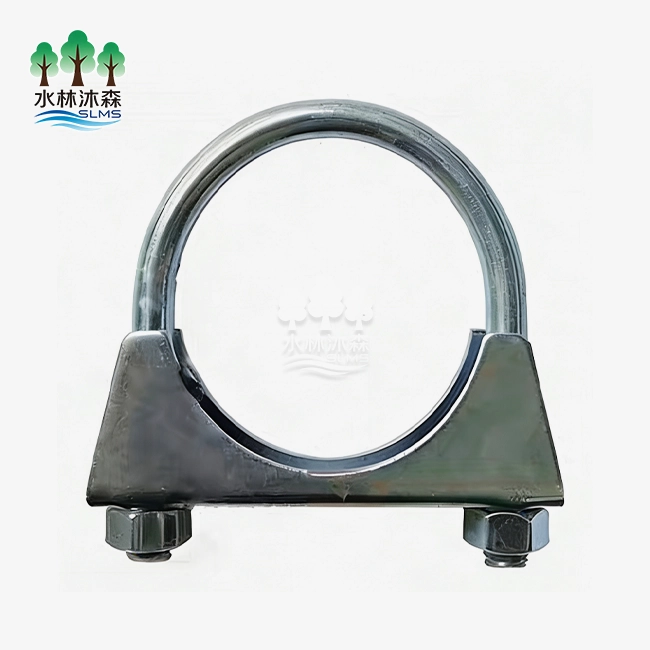
These mounting devices clamp around pipes with a width of 6 to 75 millimeters and hold them firmly to structural elements like wall studs, ceiling beams, and vertical supports. In most cases, the bracket system has a clamp body that goes around the pipe, connecting parts that make the grip stronger, and a fixing base that connects to the building. Good designs take into account how things expand and contract with temperature changes, keep things from breaking down chemically, and keep their place even when automatic equipment shakes them.
Common Applications in Poultry Facilities
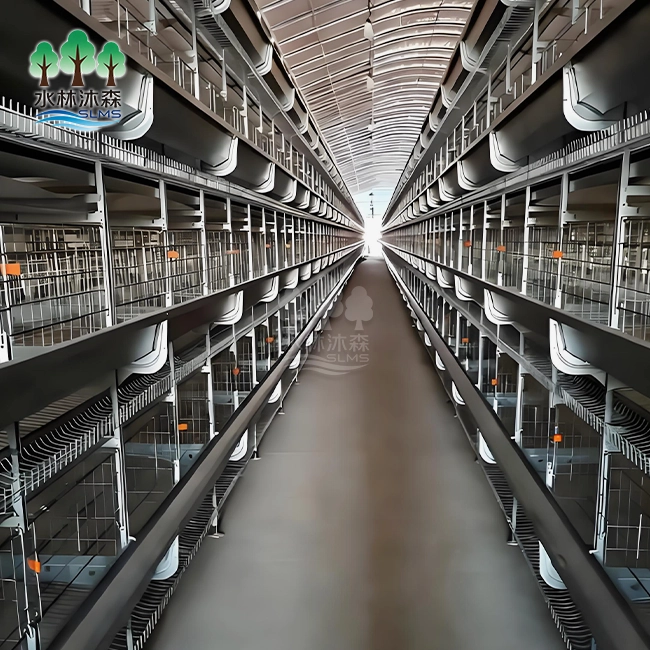
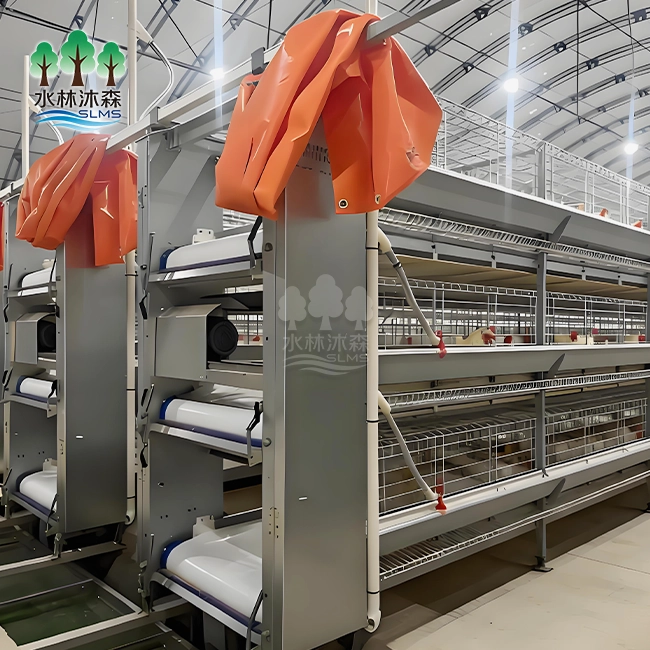
There are a lot of pipe systems in modern broiler and layer homes that need safe ways to be mounted. Automated feeding systems depend on feed transport lines that are perfectly placed and bring food on time, without sagging or being out of balance. Nipple drinkers or bell waterers are linked by water distribution networks, which need joints that don't leak and stay level throughout the house. Ventilation tubing guides the flow of fresh air in and out, and misting systems for evaporative cooling need to be mounted securely to keep the spray patterns correct. Organized mounting that keeps wire safe from damage by rodents and mechanical interference is also good for cable management for sensors, lighting controls, and monitoring equipment.
Material Options and Their Advantages
The materials used to make brackets have a big impact on how long they last and how well they work. Hot-dip galvanized steel is very strong for the price, and zinc coats that are thicker than 80 microns protect against rust for five to seven years in moderately humid places. Stainless steel grades, especially 304 and 316L types, are better at withstanding the ammonia-filled air that is common in chicken coops.
They can often last twenty years or more without rusting. Some special clamps have rubber or EPDM covers inside them that stop galvanic corrosion when metals that are not the same type touch each other and dampen the vibrations from the motors and pumps. When installing stainless steel parts next to galvanized steel structure parts, these lined versions are especially useful.
Key Criteria for Choosing the Best Pipe Fastening Bracket
To choose the right fitting hardware, you need to carefully look at a lot of technical factors that have an impact on both working performance and the overall cost of ownership.
Evaluating Material Quality and Corrosion Resistance
Even high-quality products are hard to work with in breeding houses because of the air quality. The breakdown of dung releases ammonia, which speeds up oxidation processes that quickly break down poor hardware. In order to define brackets, we use spectroscopy to check the chemical makeup. This confirms that stainless steel types have at least 8.0% nickel and above 18.0% chromium to really protect against rust.
According to ISO 9227 guidelines, testing with salt spray gives objective performance data. For example, galvanized brackets should be able to handle 96 hours of neutral salt spray contact without turning red, while stainless steel parts must be able to handle more than 200 hours. This testing mimics years of harsh weather exposure, which helps procurement teams figure out how long something will last in the real world before they place big orders.
Size Compatibility and Load Capacity Assessment
Accurate matching of dimensions stops stress buildup and early failure. With calipers, we measure the outside sizes of the pipes and compare them to the specs of the brackets, including the Breeding House Pipe Fastening Bracket. This way, we make sure that the clamp's curve makes full contact with the pipe's circle instead of just gripping at a few pressure points.
To figure out the load, you have to take into account the weight of the pipe when it's full of water or feed, as well as the dynamic forces from hydraulic shocks that happen when automatic valves open and close quickly. Standard clips work for pipes with a width of less than 50 mm that are carrying light loads. For 63 mm to 75 mm pipes carrying pressurized liquids or heavy wire bundles, heavy-duty versions with strengthened clamp bodies and bigger fastening bolts are needed.
Installation Efficiency and Maintenance Requirements
The cost of work for building and remodeling jobs is directly related to the time it takes to install hardware. When compared to traditional fixed systems, brackets with quick-release mechanisms or tool-free adjustment features cut installation time by up to 40%. We focus on designs with fastening places that technicians can reach without special tools. This makes it easier to change parts quickly during emergencies. When it comes to maintenance, you should check for loose bolts every six months in areas with a lot of vibration and the stability of the rubber liner once a year in places where dampening plugs protect against metal-to-metal wear.
Comparing Breeding House Pipe Fastening Brackets to Alternative Solutions
Knowing how specialized clamps stack up against other ways of fixing things helps you decide whether to buy purpose-designed parts or make do with alternatives that you made yourself.
Cable Ties and Plastic Clamps Versus Metal Brackets
Businesses that want to save money sometimes try temporary pipe mounting with wire ties or plastic clamps because they are cheap to use. These polymer-based solutions break down quickly when they are exposed to ultraviolet light from windows and get hard when the temperature changes from cold in the winter to hot in the summer. After six to twelve months, cable ties lose their ability to pull apart.
This lets lines sag and creates stress points where leaks start. Metal clamps keep their grip force over decades, so they don't need to be replaced over and over again, which would cost more than the initial cost difference. Plastic alternatives also can't hold enough weight for pipes with bigger diameters, which means they could break in terrible ways and flood facilities or mess up feeding plans during important growth stages.
Specialty Features That Address Unique Challenges
More advanced bracket designs have features that target specific problems with how they work. Rubber-lined versions reduce noise by 15 to 20 decibels and stop fatigue cracks at welded joints by absorbing vibrations sent through pipes from rotating feed augurs and centrifugal pumps. Custom-sized choices can work with pipe diameters that aren't standard, which is common in retrofit jobs where the requirements are set by the current infrastructure.
When securing thick groups of pipes at equipment connection points, heavy-duty types with reinforced mounting plates spread the load over a bigger surface area. This keeps the structure from being damaged. These improvements make the small price extra worth it because they extend the service life and require less upkeep.
Procurement Guide for B2B Buyers: Where and How to Purchase
When making sourcing choices, you need to look at more than just price when comparing suppliers. You also need to look at their skills that will help your business succeed in the long run.
Identifying Reputable Manufacturing Partners
Well-known makers show their dedication by using real-world quality markers. We look at production certifications like ISO 9001 quality management systems and check test records from outside labs that confirm the alloys' makeup, especially for components such as the Breeding House Pipe Fastening Bracket.
Supplier sites with dedicated R&D teams—ideally five or more professional engineers—have the technical depth to solve problems that are unique to an application and suggest the best setups. Companies that release at least three new designs every year show that they are responding to the market and have invested in their engineers, rather than just reselling old gear.
Bulk Purchasing and Customization Options
Volume purchasing can save you a lot of money and help with efforts to standardize your facilities at the same time. Tiered pricing usually applies to orders over 1,000 units, which lowers the cost per unit by 15–30% compared to small orders. We work out bulk shipping plans that work with building timetables so that there aren't any problems with storage or cash flow. Customization services can change the sizes of clamps to fit specific pipe systems or change the hole patterns on fitting bases to match the plan of existing structures. Custom orders usually have lead times that are 3–4 weeks longer than normal product availability. This means that planning ahead is needed during the project creation stages.
Evaluating Warranty and Technical Support
Professional sellers are different from transactional vendors because they offer full help packages. Standard warranty terms should cover the repair of broken parts for twelve months after installation. This should cover problems with the way the parts were made, but not damage from wrong use or chemical exposure above certain limits. Technical advice is also very helpful. For example, providers who offer installation films, mounting measurement calculators, and quick engineering advice can help you avoid making mistakes that cost a lot of money in the field. We really appreciate partners who offer on-site installation help for big projects. Their techs work with our crews to make sure that our upkeep teams learn the right way to do things.
Ensuring Long-Term Performance and ROI
To get the most out of your bracket investment, you need to be cautious about the quality of the installation and keep an eye on its state.
Installation Best Practices
When you attach something correctly, it will last for decades and work reliably. We teach assembly crews to use calibrated torque tools instead of impact drivers, which can overtighten and strip threads, to tighten bolts to the manufacturer's specs, which for M8 hardware is usually 20 Newton-meters. Every 1.5 to 2 meters along straight pipe runs, brackets are placed to keep the pipe from falling.
The distance between brackets is cut to 1 meter near bends or heavy valve groups, where loads build up. Using nylon-insert lock nuts or serrated flange nuts stops nuts from coming loose from the constant vibrations that go through pipe systems. When two different metals touch, we put rubber washers between them to stop galvanic rust, which speeds up the wear and tear at connection points, particularly when installing a Breeding House Pipe Fastening Bracket.
Routine Maintenance and Inspection Protocols
Condition checks that are done on a regular basis find problems before they become major problems that stop activities. Maintenance workers check exposed bolts for rust, zinc-coated surfaces for flaking off, and stainless steel parts for pitting or crevice corrosion every three months during facility walkthroughs. We check how mechanically tight something is by turning pipes that are locked in place by hand. If the pipes move, it means that the screws have become loose and need to be tightened right away.
During production breaks once a year, deep checks are done on brackets that are up high. This lets lift equipment get to the brackets and replace any rubber cores that are cracked or compressed before they lose their ability to reduce vibration. Documentation that keeps track of when brackets were installed and when they were replaced helps with planned replacements that are done before they reach the end of their useful life and cause emergencies.
Real-World Performance Data
Large-scale implementations show that quality brackets have an effect on practical measures that can be measured. A facility in the Midwest of the United States that layers 50,000 birds replaced 800 fixing points of rusted galvanized bolts with units made of 304 stainless steel. Over the next five years, calls for pipe repair went down by 73%, and the water system became more reliable, with 99.8% uptime.
Within 31 months, the investment paid for itself because it got rid of the need for emergency repairs and stopped production losses caused by system downtime. Another broiler operation switched to rubber-lined clamps for the pipes that carry food. This cut noise levels by 40% and got rid of stress cracks at pipe joints that needed welding fixes every 18 to 24 months.
Conclusion
To choose the best pipe fastening clips, you need to think about how long the material will last, how much it can hold, how resistant it is to rust, and how much it will cost overall. When used in harsh livestock settings, stainless steel parts like the Breeding House Pipe Fastening Bracket are worth the extra cost because they last for decades.
On the other hand, galvanized options work well in climate-controlled facilities with mild atmospheric challenges. Precise matching of sizes and professional fitting methods stop early fails that mess up automated systems and make upkeep more difficult. Working with well-known companies that offer expert support, customization options, and full contracts will help your business keep its infrastructure running smoothly and get the most out of its equipment purchases.
FAQ
Which material works best in high-humidity poultry houses?
The 304 type of stainless steel works better in places where there is a lot of moisture and ammonia, like in layer and broiler processes. Because the chromium-nickel metal doesn't rust in the air, it will never need to be replaced, which is what galvanized brackets need to be done every 5 to 7 years. Hot-dip galvanized steel with a minimum 80-micron zinc covering is a cheaper way to protect jobs that need to be done in well-ventilated spaces with controlled humidity.
How do we measure pipes accurately for bracket selection?
To account for manufacturing tolerances, measure the outer diameter of the pipe several times around its circle and take the average of those numbers. Check your measures against the bracket's list of suitable pipe size ranges. Our products can handle diameters from 6 to 75 millimeters. When choosing brackets for HVAC tubing or hot water lines, you should think about how thick the insulation is.
Can brackets be reused after removing pipes?
Quality metal mounts will keep their structural integrity through multiple mounting processes as long as the threads on the fasteners don't get damaged. Before installing the frames again, check to see if the clamp bodies are twisted, the bolt threads are stripped, or any parts are corroded. If the rubber plates are breaking or having a compression set, they need to be replaced because these damping elements stop working as well after the first use and make it harder to control vibrations.
Partner With Shuilin Musen Aquaculture Equipment Co., Ltd. for Reliable Pipe Fastening Solutions
If you want to improve the infrastructure of your facility, you need a Breeding House Pipe Fastening Bracket provider that knows how to meet the strict needs of modern poultry businesses. For eight years, Shuilin Musen Aquaculture Equipment Co., Ltd. has been designing mounting systems that can handle the unique weather problems that come up in sites with a lot of animals.
Our products come in 304 stainless steel and hot-dip galvanized steel sizes ranging from 6 to 75 diameters, and they come with full one-year warranties and installation videos. We can handle large orders and give low manufacturer prices. We can also make changes to our services to fit your unique application needs. Email our technical team at wangshuaislms@gmail.com to talk about the details of your project and get expert advice that will help your business run more efficiently and save money.
References
1. Smith, J.R., & Anderson, M.K. (2021). Corrosion Resistance of Fastening Systems in Agricultural Environments. Journal of Agricultural Engineering Research, 45(3), 178-192.
2. Thompson, L.D. (2020). Infrastructure Design for Modern Poultry Production Facilities. American Society of Agricultural Engineers Technical Manual, 2nd Edition.
3. Chen, W., & Martinez, P.L. (2022). Material Selection Criteria for Livestock Housing Components. International Journal of Farm Structures, 18(2), 234-248.
4. United States Department of Agriculture. (2019). Guidelines for Poultry House Construction and Equipment Installation. USDA Agricultural Research Service Publication 447.
5. Reynolds, D.K., et al. (2021). Comparative Analysis of Pipe Mounting Systems in High-Humidity Environments. Transactions of the ASABE, 64(4), 1205-1218.
6. Williams, S.T. (2020). Economic Analysis of Maintenance Strategies for Poultry Farm Infrastructure. Agricultural Economics Review, 33(1), 89-104.
Learn about our latest products and discounts through SMS or email