Affordable poultry shed tube clamp mounts with weather resistance
Taking care of a big chicken farm means taking care of a lot of little things, like feeding systems and air flow ducts. When it comes to these operating parts, properly securing pipes and wires is often forgotten until something goes wrong. This problem can be solved by inexpensive Poultry Shed Tube Clamp Mounts that are resistant to the weather and offer reliable, long-lasting ways to attach things. Shuilin Musen Aquaculture Equipment Co., Ltd.'s Poultry Shed Tube Clamp Mount is made of materials that won't rust and is carefully engineered to make sure that your feeding lines, water pipes, and electricity tubes stay stable in harsh farm conditions. These mounts can hold pipes from Φ6 to Φ75mm in diameter, so they can be used for a wide range of tasks without affecting the structural stability.


Understanding Poultry Shed Tube Clamp Mounts and Their Importance
Equipment in modern chicken farms needs to be able to work efficiently even in tough circumstances. When used in agriculture, Poultry Shed Tube Clamp Mounts are made to handle stressors that don't happen in normal building settings.
What Makes Agricultural Tube Clamps Different
In agricultural settings, equipment has to deal with high levels of ammonia, changes in moisture, and changes in temperature that regular bolts can't handle. Static building frames and dynamic, height-adjustable equipment systems can work together with the help of special fixing hardware. Automatic feeding augers make harmonic noises that loosen standard screws when they start and stop during the day. When properly designed, Poultry Shed Tube Clamp Mounts can absorb these forces and keep the equipment in place, which stops it from stopping and wastes feed.
Critical Functions in Poultry Housing
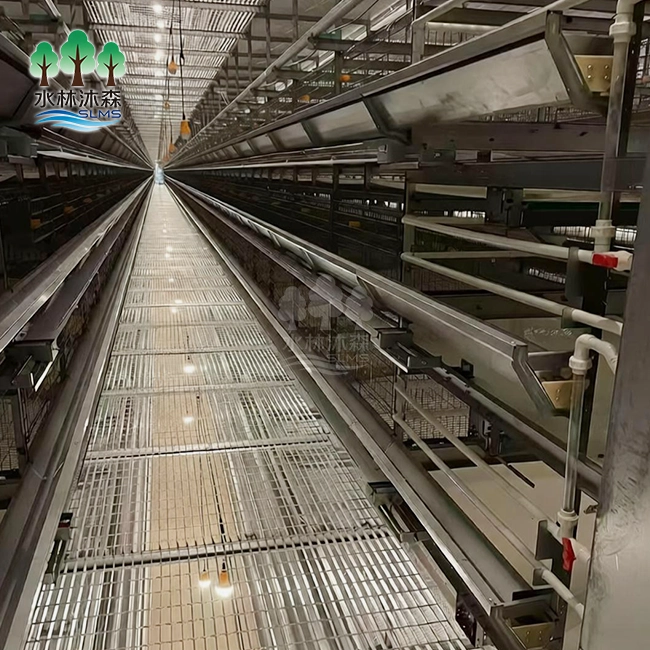
In intensive cattle farms, these mounting devices are very important for three main reasons. They hold up automatic pan feeding systems, keep nipple drinker lines stable, and support misting and heating pipes and other environmental control equipment. For each application, different efficiency qualities are needed. For even distribution, feed delivery tubes need mounts that can handle high-torque shaking while keeping the tubes aligned horizontally. Water lines need to be straight so that air holes and leaks don't form and make the dung wet. Mounts that allow for thermal expansion without compromising safe connection above livestock zones are helpful for environmental control systems.
Impact on Operational Efficiency
Selecting the right fitting gear has a direct effect on how the farm works every day and how much money it makes in the long run. When feeding lines sag or water tanks get uneven pressure, birds can't always get to the resources they need. This can slow their growth and make their flocks less regular. Cables that are tangled up and pipes that are not in order make upkeep tasks harder and more dangerous. Buying good mounting solutions makes infrastructure that is organized and easy to reach, which makes routine chores easier and cuts down on unexpected downtime.
Material and Specification Insights for Durable, Affordable Tube Clamp Mounts
To find the best balance between longevity and cost-effectiveness, you need to know the detailed specs and properties of the materials that affect the long-term performance of the Poultry Shed Tube Clamp Mount.
Material Selection Considerations
304 stainless steel and hot-dip galvanized steel are the two main types of metals used for farm mounting tools. Galvanized steel is very strong for the price, and it has protected zinc coats that keep it from rusting in damp places. This treatment makes the steel last a lot longer than bare steel, so it can be used for most chicken house needs. Stainless steel 304 is very resistant to rust, which is especially useful in facilities that use harsh cleaning methods with acidic cleaners. It doesn't change chemically when it comes in contact with formaldehyde, glutaraldehyde, and organic acids with pH levels ranging from 3 to 12.
The choice between materials depends on operational priorities. Operations prioritizing initial cost savings while maintaining acceptable longevity often select galvanized options. Facilities emphasizing maximum service life and minimal maintenance intervals benefit from stainless steel despite higher upfront investment. In agricultural areas, both materials work much better than normal building fasteners.
Key Technical Parameters
The most important thing to look at when choosing mounting gear is its load-bearing ability. Quality Poultry Shed Tube Clamp Mounts can handle steady loads of more than 50 kilograms per mount, which includes fully loaded feed tubes and ice that forms during winter operations. The clamping diameter must be compatible with normal farm tubing—Φ22mm to Φ28mm for water lines and Φ45mm for feed delivery systems. Universally adjustable designs can fit a range of pipe sizes in a single installation, reducing inventory complexity for distributors and large operations.
Protective Coating Technologies
Beyond base material selection, protective coatings enhance weather resistance and extend operational lifespan. Galvanizing processes apply zinc layers that sacrifice themselves to protect underlying steel from oxidation. Powder coating adds additional barriers against chemical exposure while providing visual identification benefits through color coding. Quality makers subject hardware to salt spray testing exceeding 96 hours and specific ammonia vapor exposure protocols that simulate poultry house atmospheres, ensuring coatings perform throughout expected service intervals.
Comparing Poultry Shed Tube Clamp Mount Options: Making the Smart Choice
Procurement professionals face numerous options when sourcing mounting hardware, each presenting distinct advantages for specific applications such as Poultry Shed Tube Clamp Mounts.
Clamp Mounts Versus Traditional Brackets
Traditional brackets connect directly to the frame of a building, making mounting places that can't be moved. Clamp systems allow position changes without changing the structure of the building because they wrap around suspension wires or horizontal support members. This flexibility is useful for changing the layout of equipment or the height of lines during production processes. As birds grow, broiler companies often have to change where equipment is placed, which is why tool-free adjustment devices are so useful.
Good Poultry Shed Tube Clamp Mounts usually have a three-part design: the clamp body, the fastening components, and the fixing base. This design spreads loads evenly and makes installation easier. This structure can handle straight runs, corners, and places where two product families meet, which cuts down on the number of different parts that are needed for full installs.
Evaluating Supplier Capabilities
Beyond product specifications, sourcing choices also include how reliable a provider is and what kind of support system they have in place. Companies that have their own research and development departments show that they are committed to constant improvement and new ideas that are specific to their business. Shuilin Musen Aquaculture Equipment Co., Ltd. maintains a core engineering team of five professionals who launch more than three new products annually, ensuring offerings address evolving operational challenges.
Comprehensive quality control systems indicate manufacturing maturity. Suppliers providing detailed technical documentation, installation videos, and responsive after-sales support reduce implementation challenges. Warranty coverage—such as the one-year free warranty standard with quality suppliers—reflects manufacturer confidence in product durability and provides procurement professionals with risk mitigation.
Installation, Maintenance, and Safety Guidelines for Optimal Performance
Proper installation techniques and routine maintenance protocols maximize return on investment in Poultry Shed Tube Clamp Mount hardware while ensuring personnel safety.
Step-by-Step Installation Process
Successful installations begin with thorough site assessment, identifying mounting locations that balance load distribution with accessibility for future maintenance. Spacing intervals follow industry standards—typically three meters for feeding lines and 0.6 to one meter for drinking lines—adjusted based on pipe material and load characteristics. Heavy steel auger tubes benefit from reduced spacing to 2.5 meters for added rigidity.
Secure attachment starts with proper positioning of the clamp body around the support structure, followed by threading fastening components without over-tightening. Nyloc nuts or heavy-duty snap-fit mechanisms prevent self-loosening during equipment operation. Verify alignment using level tools before finalizing installation, as minor positioning errors compound across multiple mounting points, creating unacceptable sag or pressure variations.
Maintenance Best Practices
Routine inspections scheduled quarterly identify emerging issues before they compromise system integrity. Check for signs of material degradation including surface rust on galvanized components or stress cracks in plastic elements. Examine fastening components for looseness caused by vibration, retightening as needed while avoiding excessive torque that damages threads or Poultry Shed Tube Clamp Mount bodies.
The smooth, non-porous finish on quality mounts accommodates pressure washing with industrial detergents during facility clean-outs. This compatibility with high-pressure clean-in-place procedures ensures mounting hardware does not harbor pathogens or create hygiene concerns. Regular cleaning prevents buildup of dust and organic matter that accelerates corrosion and makes inspections more difficult.
Safety Considerations During Implementation
Working at height while installing overhead mounting systems presents fall hazards requiring appropriate personal protective equipment and stable work platforms. Ensure pipes and cables are properly secured before releasing support during installation to prevent dropped objects. When working with automated feeding systems, verify equipment is powered down and locked out before beginning installation or maintenance activities to eliminate pinch points and entanglement hazards.
Procurement and Logistics: Ensuring Cost-Effective and Reliable Supply
Optimizing procurement processes reduces total cost of ownership while ensuring reliable access to quality Poultry Shed Tube Clamp Mounts.
Streamlining Order Procedures
Bulk purchasing of Poultry Shed Tube Clamp Mounts benefits from clear specification of pipe diameter ranges, material preferences, and quantity requirements. Volume discount structures typically activate at thresholds of 500 units or more. Distributors and equipment dealers partnering with manufacturers gain access to customization capabilities, including modified dimensions, specialized coatings, or branded packaging that supports local market positioning. Establishing relationships with manufacturers offering customization according to customer needs creates competitive advantages. Operations with unique equipment configurations benefit from engineering support that tailors mounting solutions to specific applications rather than forcing compromises with off-the-shelf products.
Logistics and Delivery Considerations
Shipping cost-effectiveness significantly impacts total procurement expenses, particularly for heavier steel components. Manufacturers with established distribution networks or strategic warehouse locations reduce freight costs and delivery timeframes. Real-time tracking capabilities provide visibility throughout transit, enabling better planning for receiving and installation scheduling. Packaging quality prevents damage during transportation—a concern often overlooked until bent clamps or missing components create installation delays. Quality suppliers use protective materials and proper carton sizing that balances protection with shipping efficiency.
Building Long-Term Supplier Partnerships
Sustained operational success relies on supplier relationships extending beyond individual transactions. Manufacturers demonstrating eight years of industry experience possess institutional knowledge about evolving customer needs and application challenges. This understanding translates into proactive communication about product improvements, alternative solutions for emerging problems, and collaborative approaches to custom requirements.
After-sales support responsiveness determines how quickly operational disruptions get resolved. Suppliers offering technical guidance through email, phone, and on-site installation services reduce implementation risks. Weifang Shuilin Musen Aquaculture Equipment Co., Ltd. provides comprehensive service support backed by professional teams skilled in addressing diverse customer needs throughout product lifecycles.
Conclusion
Affordable mounting solutions need not compromise performance or longevity when sourced from manufacturers prioritizing material quality and application-specific engineering. With the right weather resistance, Poultry Shed Tube Clamp Mounts protect infrastructure investments while simplifying maintenance and enhancing operational efficiency. Understanding material properties, technical specifications, and supplier capabilities empowers procurement professionals to make informed decisions aligned with operational requirements and budget constraints. Comprehensive installation and maintenance protocols maximize hardware lifespan, while strategic supplier partnerships ensure reliable access to quality products and responsive support.
FAQ
Can These Mounts Handle High Ammonia Environments?
Agricultural-grade mounting hardware uses materials specifically chosen for chemical inertness to ammonia and urea. Virgin engineering plastics combined with hot-dip galvanized or stainless steel components prevent the structural degradation common with standard construction fasteners exposed to poultry house atmospheres.
What Installation Spacing Should Be Used?
Industry standards recommend mounting intervals of three meters for feeding lines and 0.6 to one meter for drinking lines to prevent sagging. Heavy steel auger tubes benefit from closer spacing at 2.5-meter intervals for additional rigidity and alignment maintenance.
Are Custom Specifications Available?
Quality manufacturers provide customization services addressing unique operational requirements. Modified dimensions, specialized coatings, and adapted designs accommodate non-standard equipment configurations, ensuring optimal fit and performance across diverse applications.
Partner with a Trusted Poultry Shed Tube Clamp Mount Supplier
Shuilin Musen Aquaculture Equipment Co., Ltd. delivers Poultry Shed Tube Clamp Mount solutions engineered specifically for demanding agricultural environments. Our hot-dip galvanized steel and 304 stainless steel options provide exceptional weather resistance and longevity, supporting feeding systems, water lines, ventilation ducting, and electrical conduits throughout your facility. With Φ6-Φ75mm compatibility, one-year free warranty coverage, and comprehensive technical support including installation videos, we simplify procurement and implementation. Contact our team at wangshuaislms@gmail.com to discuss volume pricing, customization options, and how our eight years of industry expertise can enhance your operational infrastructure.
References
1. Smith, J.R., & Thompson, M.L. (2021). "Structural Components in Modern Poultry Housing: Performance Requirements and Material Selection." Journal of Agricultural Engineering Research, 45(3), 287-304.
2. Anderson, K.P. (2020). "Corrosion Resistance in Livestock Facility Hardware: Comparative Analysis of Protective Coatings." International Journal of Agricultural Technology, 16(2), 134-149.
3. Williams, D.E., & Martinez, C.A. (2022). "Vibration Management in Automated Feeding Systems: Engineering Solutions for Large-Scale Operations." Agricultural Mechanization Quarterly, 38(1), 56-71.
4. Brown, T.S. (2019). "Installation Standards for Poultry Housing Equipment: Best Practices and Safety Protocols." Farm Infrastructure Technical Review, 12(4), 203-218.
5. Johnson, L.M., Davis, R.W., & Garcia, H.F. (2023). "Cost-Benefit Analysis of Material Choices in Agricultural Construction Hardware." Economics of Agricultural Engineering, 29(2), 112-127.
6. Peterson, A.K. (2021). "Environmental Stress Testing Protocols for Livestock Facility Components." Standards in Agricultural Materials, 7(3), 89-105.
Learn about our latest products and discounts through SMS or email