How to Choose the Best Chicken House Slats for Poultry Farming Efficiency?
Choosing the best poultry flooring systems has a direct effect on how well trash is managed, how healthy the birds are, and how profitable large-scale farming operations are. When purchasing chicken house slats, purchasing managers need to think about how long the material will last, how much weight it can hold, how big the gaps need to be for waste to flow through, and how well the seller will help them after the sale. Good slat systems cut down on the amount of cleaning that needs to be done by hand by at least 40%.
They also lower the risk of ammonia buildup and disease spread. To make the choice, you have to weigh the original investment against the costs of maintenance, the ability to customize, and the availability of expert support. This detailed guide gives buying directors, farm engineers, and equipment sellers the tools they need to choose flooring options that improve biosecurity, make waste removal easier, and get the best return on investment for chicken, layer, and breeder housing.


Understanding Chicken House Slats and Their Role in Poultry Farming
These days, modern chicken farms use constructed flooring systems that keep animals away from waste. These specialized platforms make important barriers against pathogen contact and allow for automatic collection of bird waste below places where birds live. Polypropylene (PP), polyethylene (PE), treated wood, and galvanized metal are all options for materials. Each has its own performance traits in high-humidity, high-ammonia farm situations.
Core Functions in Intensive Housing Systems
In industrial chicken coops, raised ground frames are used for three related reasons. As the production cycle goes on, surfaces stay clean because waste falls through exactly measured holes and into collection pits or transportation systems. This method for separation cuts down on feces touching, which can cause footpad rashes and respiratory illnesses. Negative-pressure fan systems can better control temperature and humidity when waste doesn't build up underfoot. This makes ventilation much more effective. The work changes from constantly cleaning up the litter to pressure washing every so often. This frees up workers to watch over the group and fix broken equipment.
Material Performance Characteristics
Polypropylene slats are better at withstanding acidic soil compounds and alkaline disinfectants that are used between runs of production. Compared to wood options that hide germs in the grain structures, the non-porous surface stops bacteria from growing. PE formulations offer more freedom in cold climate setups where brittle cracks can lead to the need for repair. Metal choices are good for situations where fire safety and heavy loads are important, but their heat conductivity means they need to be carefully managed when temperatures rise. By knowing these differences between materials, procurement teams can match flooring specs to the weather trends and amounts of production in a given area.
Impact on Bird Welfare and Productivity
According to research from organizations that study poultry, the right flooring systems can help prevent leg problems by spreading body weight over bigger contact areas. Gaps between 12 mm and 20 mm keep young birds' toes from getting caught and let manure from older groups pass through. The way you walk is affected by the smoothness of the surface. Finishes that are too smooth can hurt you by falling, and finishes that are too rough can damage your footpads. These physical factors have a direct effect on feed conversion rates and death rates. This means that choosing the right flooring is more than just an infrastructure choice; it affects animals' well-being and profits.
Core Criteria for Choosing the Best Chicken House Slats
For excellent procurement, flooring systems should not only be judged by their original prices, but also by how well they meet measurable performance criteria. Comprehensive assessment systems look at things like the structure's strength, the amount of hygiene upkeep that needs to be done, how well it works with current infrastructure, and the total cost of ownership over multiple production cycles.
Load-Bearing Capacity and Structural Integrity
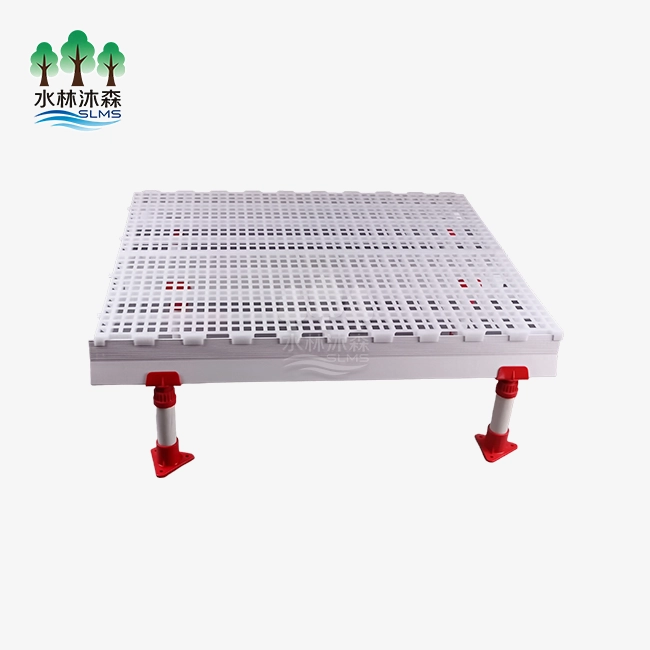
For adult breeder weights and people walking on them during checks, industrial-grade slat systems must be able to handle static loads of more than 50 kg per square meter. As part of the testing process, the breaking points should be checked under hydraulic pressure, and safety factors of 3x or more above working loads should be confirmed. Our slat designs are made from a single piece that is molded from PP or PE. This means that there are no weak points like there are in systems made of several parts. Reinforced rib structures spread the weight evenly across plank lengths of 500 mm to 800 mm, stopping bending that could lead to water pools or uneven surfaces. This engineering method works reliably in buildings with more than 50,000 birds without having to be replaced in the middle of the cycle.
Waste Separation Efficiency and Gap Engineering
How well manure is removed depends on how well the gap width is calibrated for the flock's age and species. For broiler operations, chicken house slats with holes between 15 mm and 18 mm are needed to make sure that the chicks are safe and that waste can get through. Layer houses have holes that are 18mm to 20mm wider, which lets bigger droppings through but stops eggs from rolling through. Gap lengths between 25 mm and 50 mm allow for better flow without weakening the structure. These measurements make sure that feces falls right to collection areas instead of building up on walking surfaces. This lowers the amount of ammonia in the air and the number of respiratory diseases seen in business studies.
Maintenance Demands and Cleaning Protocols
Long-term operating costs depend a lot on how often you clean and how well your cleaning method works with others. High-quality plastic slats can handle being washed under high pressure (up to 2000 PSI) without losing their smooth finish, which stops bacteria from sticking. Because virgin PP materials aren't porous, they are easier to clean between groups, which supports biosecurity measures that are needed for disease-free certifications. Alternatives to wood need to be sealed every year and replaced every two to three years because they rot and split. In places with a lot of wetness, metal choices need to be checked for corrosion and treated for rust. When compared to traditional litter floors, our slat systems require 40% less upkeep work. They also have great scores for resistance to moisture and corrosion according to industry standards.
Customization and Installation Flexibility
Standardized slat sizes don't always work perfectly with how coops are set up or with specific output needs. Customization services from suppliers allow for exact fitting that gets rid of gaps where pests or birds can get stuck. Our manufacturing skills allow us to change plank lengths, gap patterns, and thickness requirements to fit particular building codes or structure layouts. Modular designs make it possible to update buildings in stages while they are still running, so production doesn't have to stop completely. Project timelines are directly affected by how easy the system is to install. Systems that need specialized tools or major structure changes cause higher labor costs and longer completion times, which hurts revenue production.
Comparing Popular Chicken House Slats Options for B2B Buyers
The choice of material has a big impact on how well chicken flooring works, how much it costs to maintain, and how much money it makes. Comparative research shows clear trade-offs between initial prices, long-term usefulness, and compatibility with certain production models.
Plastic Slat Systems: PP and PE Performance
Polypropylene formulations are most common in business setups because they are durable, resistant to chemicals, and cost-effective. Virgin PP materials that have been added with UV protectors keep their shape for 10 to 15 years when they are exposed to sunlight and ammonia all the time. Because it is naturally flexible, it doesn't break easily when it's cleaned with high-pressure water or hit by chance. In northern areas where temperatures regularly drop below freezing, PE options work better in cold weather. Both materials have smooth, burr-free surfaces that get rid of the breast blisters and footpad injuries that have been linked to using less-than-stellar recycling plastics. The thickness of our slats can be anywhere from 15 mm to 30 mm, and they are tested to meet specific load standards while keeping the best weight-to-strength ratios for easy fitting.
Traditional Wood Flooring Considerations
Slats made of wood are popular with businesses that value natural products and low starting costs. Treated lumber works well in low-density homes where repair costs are common. The open structure soaks up water and is home to bacterial colonies that are hard to get rid of with normal cleaning methods. Rot usually means that the whole thing needs to be replaced every 24 to 36 months, which means that there are ongoing costs and problems with removal. Splintering puts both birds and people at risk of getting hurt, and pests like mites take over wood grain structures. Because of these problems, wood is not a good choice for medium to large-sized businesses that want automatic management systems and longer repair intervals.
Metal Slat Applications and Limitations
Chicken house slats made of galvanized steel or stainless steel are best for specific uses that need to carry a lot of weight or meet fire safety standards. Because metal is a good thermal conductor, it needs extra warmth during the brooding phase to keep the chicks from getting too cold. Even with protective layers, corrosion is still a problem, especially near the coast where salty air is present. The stiff structure sends out noises that stress out birds when equipment is being used or people are moving around. Installation needs welding or mechanical fastening, which makes upgrading harder and costs more in work. Because of these things, metal is more of a niche option than a normal suggestion for most commercial poultry environments.
How to Procure Chicken House Slats Efficiently: A B2B Buying Guide
Strategic buying methods get the best deals on everything while making sure quality and getting the technical help that's needed for a smooth implementation. Structured sourcing frameworks find the best mix between short-term budget limits, long-term value, and the dependability of the supplier relationship.
Defining Operational Requirements and Scale
Accurate specs start with thorough facility assessments that record house sizes, present floor conditions, bird capacity, and the type of production system used. When it comes to gap designs, broiler growers need different ones than layer cages or breeding pens. Figure out the total square meter area, taking into account the edges and where the tools will go. To get bulk prices, you have to meet certain volume standards. Usually, when you buy more than 10,000 square meters, you can get 15-20% unit cost discounts. Our engineering team can come to your location and do an on-site study to find the best slat layouts for your ventilation plans, manure collection systems, and building load capacities.
Evaluating Supplier Capabilities and Credentials
Vendor selection includes more than just looking at product lists. It also includes things like manufacturing capacity, quality control systems, and support structures for after the delivery. Weifang Shuilin Musen Aquaculture Equipment Co., Ltd. has been specializing in farming and cattle equipment for eight years and has five professional engineers who make more than three new goods every year. Our quality assurance methods test every batch of products, from checking the raw materials to making sure they can hold their own weight. Certifications that prove the purity of the material and meet standards for structure performance are needed for purchasing things and are needed for building checks and insurance compliance. Supplier stability is very important—companies with a history of keeping goods in stock and keeping guarantee promises over multi-year partnerships are more likely to do so.
Pricing Structures and Total Cost Analysis
Unit prices that are published are just starting places, not the end costs of buying something. Landed costs are made up of volume savings, shipping ways, payment terms, and customization fees. Optimizing container loads lowers freight costs. Standard 20-foot containers can hold between 2,500 and 3,000 square meters of goods, based on the width of the slats. Lead times affect how projects are scheduled and how much it costs to keep running while changes are being made. In our clear pricing plan, the costs of materials, production, and shipping are all broken down in great depth. The free guarantee lasts for one year and covers any problems while you check out how well it works in the long run. When comparing suppliers, don't just look at the original buy prices. Instead, figure out the total ownership costs that include the expected lifespan, upkeep needs, and replacement regularity.
Technical Support and Installation Assistance
Chicken house slats installations of complicated equipment are greatly helped by maker instructions, which help avoid costly mistakes and delays in starting. Full technical support packages should come with installation videos that show the right way to put the equipment, line up the gaps, and connect it to systems that gather manure. We give you supporting documents that explain how to clean, when to check, and how to fix common problems. On-site installation services make sure that the job is done right in places that don't have enough experienced staff or that are dealing with difficult upgrade situations. wangshuaislms@gmail.com lets procurement teams directly email engineering staff, who handle questions about specifications and requests for customizations during the buying process.
Maintenance and Longevity Tips to Maximize Slat Performance
Proactive repair programs keep things clean and stretch the life of equipment, which is important for keeping flocks healthy and following the rules. Structured processes find wear patterns before they damage the structure or make it dangerous for people to get hurt.
Establishing Cleaning Schedules and Protocols
Biofilm builds up between production runs and can hold pathogens. Regular cleaning cycles stop this from happening. Using high-pressure water to clean the slats and gaps gets rid of organic matter, making the flooring ready for cleaning treatments. Aggressive cleaners, such as quaternary ammonium chemicals and acidic disinfectants, won't damage the surface finishes of our slat materials. Deep cleaning should be done during times of depopulation, and the area should be dry for 24 to 48 hours before birds are brought back. Taking waste out of collection areas under slats every day keeps air moving and cuts down on fly breeding sites. These strict methods help biosecurity programs keep certification standards that are needed for top market entry and lower the risk of diseases spreading.
Inspection Routines and Early Problem Detection
Monthly walk-through checks find cracked planks, gaps that have grown wider, or surface wear that needs to be fixed. Check the places where the slats attach to the support frames and fix any connections that are loose and causing the furniture to shake or move. Check out areas with a lot of foot traffic near feeders and waterers, where birds are more likely to exercise and wear down things faster. In outdoor settings, UV light slowly fades colors; check for brittleness, which means the material is breaking down and needs to be replaced. Keep track of performance trends and the need for capital planning for future system upgrades by writing down what you find in repair logs. Early action stops catastrophic fails that require emergency shutdowns and put the safety of the flock at risk.
Integrating Slat Management with Facility Systems
These days, chicken farms use weather control methods that have a direct effect on how well the floors work. The choices for ventilation fans affect the amount of moisture in the air, which in turn affects the cleanliness of the slats and the lifespan of the structure. The speeds of automated dung belts must match the rates at which waste drops through so that there is no buildup that defeats the purpose of separation. Temperature control during the nesting stages makes sure that the plastic slats keep the area warm enough without the need for extra mats. Instead of treating flooring as a separate piece of infrastructure, these combined management methods improve the performance of the whole building. During commissioning, our expert support team helps to fine-tune these exchanges, and they also offer ongoing advice as output parameters change.
Conclusion
When choosing the right chicken flooring systems, you have to weigh the costs, abilities of the provider, material requirements, and operating needs against the expected performance and budget. Compared to other options, chicken house slats made from high-quality plastic slats made from raw PP or PE materials last longer, keep surfaces cleaner, and separate trash more effectively. When comparing seller offers, procurement teams need to look at things like load-bearing capacities, gap sizes, the ability to make changes, and the availability of full expert support.
Weifang Shuilin Musen Aquaculture Equipment Co., Ltd. makes designed slats that come in lengths from 500mm to 800mm and have gaps of 12mm to 20mm that are perfectly measured to support loads of more than 50 kg/m². Our one-piece molded construction, along with installation instructions and a one-year guarantee, makes sure that execution goes smoothly in a wide range of building types. Investing smartly in tried-and-true flooring technology lowers the cost of labor, improves the health and happiness of birds, and increases long-term profits in tough chicken markets.
FAQ
What slat gap width works best for mixed-age broiler flocks?
Facilities that house birds from chicks to market weight should specify 15mm gap widths to allow for the smaller feet of younger birds while still letting senior groups' manure pass. This dimension keeps toes from getting caught when birds are still growing, but it keeps draining working well when birds hit processing weights. Facilities with different areas for resting and grow-out can make the most of each one on its own.
How do plastic slats perform in high-humidity coastal environments?
Virgin PP and PE materials have great moisture resistance scores and keep their shape when the humidity level is above 80% without breaking or growing mold. The non-porous surfaces stop water from absorbing, which changes the size of wood options. Coastal sites benefit from corrosion resistance, which keeps metal bars from rusting when they are exposed to salt air.
Can existing wood flooring be replaced with plastic slats without structural modifications?
Most retrofits can be done easily using current support frameworks, as long as the load-bearing parts are still in good shape. Our customization services change the size of the slats to fit the present spacing between joists and the way the air pits are set up. Videos of installations show how to place things in a way that speeds up changeovers during work breaks and reduces the amount of time that the facility is shut down.
Partner with Shuilin Musen for Superior Chicken House Slats Solutions
Weifang Shuilin Musen Aquaculture Equipment Co., Ltd. makes constructed flooring systems that make chicken coops more efficient through excellent design and full support services. As a slat manufacturer, we have eight years of experience dealing in agricultural tools, and we test all of our products thoroughly from the time they are raw materials until they are delivered. Every slat system is tested for load to make sure it works better than the normal 50 kg/m² capacity. The one-piece molding design gets rid of weak joints, and the precision gap engineering makes waste separation best for broiler, layer, and breeding uses.
Customization options can be made to fit the needs of each building, and installation videos and direct engineering advice through wangshuaislms@gmail.com are available to help. Our free guarantee for one year and ongoing technical support will protect your infrastructure investment and make sure it works well with any air and manure management systems you already have. Talk to our purchasing experts at slms-equipment.com to get full details on the chicken house slats we sell, as well as bulk prices and samples that show the high quality of the material that makes customers happy in medium to large-scale businesses.
References
1. Colson, S., Arnould, C., and Michel, V. (2017). "Influence of Materials and Cage Design on Footpad Dermatitis and Behavioral Patterns in Laying Hens." Applied Animal Behaviour Science, 194, 45-52.
2. Dawkins, M.S., Donnelly, C.A., and Jones, T.A. (2004). "Chicken Welfare is Influenced More by Housing Conditions than by Stocking Density." Nature, 427, 342-344.
3. National Chicken Council. (2020). "Animal Welfare Guidelines and Audit Checklist for Broiler Chickens." Washington, D.C.: National Chicken Council Publications.
4. Shepherd, E.M. and Fairchild, B.D. (2010). "Footpad Dermatitis in Poultry." Poultry Science, 89(10), 2043-2051.
5. van Harn, J., Aarnink, A.J.A., Mosquera, J., van Riel, J.W., and Ogink, N.W.M. (2012). "Effect of Manure Pit Ventilation on Ammonia Emission from a Broiler House." Biosystems Engineering, 111(1), 78-84.
6. Welfare Quality Consortium. (2009). "Assessment Protocol for Poultry: Broilers and Laying Hens." Lelystad, Netherlands: Welfare Quality Consortium Publications.
Learn about our latest products and discounts through SMS or email