Leading suppliers of poultry water line stabilization devices - Shuilin Musen
Consistently delivering water to a large flock of chickens is not only important, it's essential to your bottom line. We at Shuilin Musen Aquaculture Equipment Co., Ltd. make Poultry Shed Water Supply Stabilization Components that solve the main problems that modern farms have, like changing pressure, contamination, and broken equipment. Our combined systems are made for busy broiler, layer, and turkey farms across the United States. They include storage tanks, precise pressure controllers, and high-tech filtration units. We have been selling farming equipment for eight years and have a track record of providing not only equipment but also full water management solutions backed by professional know-how and quick support.


Understanding the Importance of Poultry Water Line Stabilization
The consistency of the water flow has a direct effect on the comfort and output of poultry. When pressure changes, birds get stressed, which shows up as lower feed conversion rates and weaker defensive systems. Researchers have found that even a small amount of water restriction—two hours during peak demand—can stop broiler growth for 48 hours and make them much lighter in the end. In layer operations, uneven hydration cuts egg output in days and makes shell quality problems worse.
Core Components of Reliable Water Systems
A well-designed water supply system has many parts that work together smoothly. While giving static head pressure, storage tanks protect against supply gaps. Pressure controls keep the water level the same across all drinking lines. This stops dry nipples at the ends of the lines and leaky drinkers close to the intakes. Before they get to the drinking mechanisms, filtration units get rid of sediment and bacterial contaminants. Booster pumps get around changes in slope and friction loss in long pipeline runs. Each part does a specific job in the hydraulic system, and if one part is weak, the whole system is at risk.
Recognizing Water Line Instability Early
The strongest early signs come from equipment indicators. If the visible pressure gauge changes more than 5 centimeters of the water column, it means that the regulator is drifting or there are problems with the supply. Over time, sediment buildup in filters slows down flow rates, and biofilm formation causes localized blocks that show up as uneven wetting patterns under drinking. Birds' behavior can also help with diagnosis. For example, staying at drinkers for a long time could mean that the flow isn't good enough, and wet litter under certain line parts could mean that there is too much pressure causing nipple leaks. Keeping track of how much water a thousand birds drink every day sets standard trends. Deviations of more than 15% need to be looked into right away to prevent health problems from getting worse.
Challenges in Poultry Water Supply and How to Solve Them
The flow of the water in cities changes throughout the day based on the demand cycles in the area. Agricultural wells go through yearly changes that are linked to the depths of aquifers. These outside factors make the intake conditions unsteady, which has a direct effect on your drinking lines. Calcium and iron scale build up in pipes and valves when water sources are high in minerals. This slows down the flow over time. Pipes can expand and shrink because of changes in temperature, which can put stress on connection points and make leak tracks. As equipment gets older, it experiences mechanical wear. For example, valve seats lose their seal, diaphragms harden and crack, and pump impellers rust.
Proven Stabilization Strategies
To keep water supply steady, you need to choose the right tools and follow regular maintenance procedures. Installing pressure regulators that are the right size sets the base; regulators that are too small can't handle surges in high demand, and units that are too big cycle inefficiently. By carefully placing regulators along long shed rows, you can stop the effects of continuous pressure loss. Biofilm can't form if you flush regularly, and high-velocity purges that last three to five minutes every week get rid of built-up material before it hardens. Chemical water treatment programs that use approved sanitizers keep bacterial populations in check without hurting any parts of the system. Replacement of worn parts on a regular basis—usually diaphragms once a year and valve assemblies every 18 months—keeps production processes from being interrupted by sudden breakdowns.
Real-World Problem Resolution
A Midwest broiler farm with 120,000 birds called us because they were having problems with wet litter that kept happening in two specific shed areas. Their old system only had undersized pressure controls at the line inlets, which caused too much pressure at low places where the shed floor sloped. We put in a Poultry Shed Water Supply Stabilization Component as a mid-line pressure control part that resets the height of the water column, which stopped the buildup of gravitational pressure. At the same time, we improved their filter to 50-micron accuracy and set up timers to control automatic cleaning. Within one production cycle, the amount of wet litter dropped by 78%, and the farm saw a 4.2% rise in feed conversion efficiency. This was due to better hydration regularity and less bacterial threat from better litter conditions.
How Shuilin Musen Provides Superior Poultry Water Line Stabilization Solutions
When it comes to agricultural water systems, our company adds a level of engineering expertise that general equipment sellers can't match. We have five committed engineers working for us who are always improving product designs based on data they get from operations with anywhere from 5,000 to over 200,000 birds. Because of this knowledge, equipment has been made that can handle the unique hydraulic problems that come up in chicken farms, such as high humidity, exposure to ammonia and organic acids from cleaners, and the need for repair access without tools.
Technical Innovations That Deliver Results
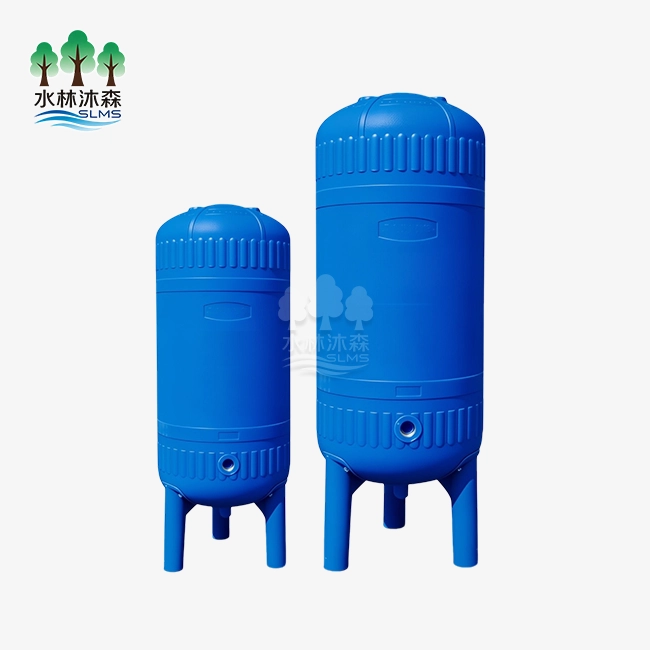
Shuilin Musen water stability systems use food-grade polyethylene or 304 stainless steel tanks that can hold 500 to 5,000 liters of water. The tanks are made to fit your flock's density and backup needs. Dual-threshold pressure switches on our automatic booster pumps only turn them on when demand is higher than the gravity-fed supply's ability to meet it. This keeps energy use low while still making sure there is enough flow during times of high demand. Particles as small as sediment can get stuck in current nipple drinker mechanisms, which need particle-free water to work properly. High-precision filter units get rid of these particles.
Our biggest technical edge is the device that controls the pressure. We use large-diameter sensor diaphragms made from EPDM rubber materials that stay flexible from 35°F to 95°F, which is important for working in places where the weather changes often. Because of this, our regulators can find and fix pressure changes in water columns as thin as 0.5 centimeters. This keeps the drinking line pressure in the best range of 15 to 35 centimeters, even when the source pressure changes from 1 to 4 Bar.
Comprehensive Support Beyond Equipment Sales
Buying parts for a water system is only the start of our relationship with a customer. We offer detailed installation videos that show how to set up the system in every way, from how to properly place the tank to how to change the pressure. For businesses that need turnkey solutions or need to connect our equipment to complicated current infrastructure, we offer on-site installation service. Our technical support team answers questions within four business hours and gives debugging advice that often fixes problems without having to come to the site. We are so sure that the parts will last in the real world that we back up every system with a one-year guarantee that covers both parts and work.
Comparing Poultry Water Supply Stabilization Devices: Making the Right Choice
When choosing equipment, you have to weigh the initial investment against the dependability and long-term costs of operation. Manual pressure controls need to be adjusted on a regular basis because the age of the flock changes how much water they use. This requires more work at first but is cheaper in the long run. Automatic methods keep pressures at set levels without any help from management, but they cost more to buy and operate. A Poultry Shed Water Supply Stabilization Component can bridge this gap by offering reliable pressure regulation with lower labor demands. The size of the group is usually what makes the difference. Facilities with less than 20,000 birds can get by with manual systems, while bigger facilities quickly recoup the costs of automatic systems by cutting down on the amount of work that needs to be done.
Evaluating Tank-Based Versus Direct-Line Systems
Tank-integrated systems store water so that there is a backup in case the power goes out or the water flow is interrupted. This resilience is useful in places where power lines aren't stable or where wells can only hold a certain amount of water. Direct-line systems don't need to have tanks cleaned and take up less space, so they're good for businesses that have stable power and water service from the city. A study of costs shows that tank systems need a 15–20% higher original investment, but they provide operating security that stops huge losses when supplies are interrupted. A single four-hour water loss in a broiler house with 50,000 birds can kill more birds than the difference in the cost of the equipment.
Matching Equipment to Operational Scale
Small farms that keep between 5,000 and 15,000 birds do well with 500- to 1,000-liter tank systems and single-line pressure control. Medium-sized farms with 15,000 to 50,000 birds can benefit from tanks that hold 2,000 to 3,000 liters and have two control zones to handle longer drinking line runs. Large heavy operations with more than 50,000 birds need 3,000 to 5,000 liters of reserves and zone-specific pressure control that takes into account changes in building plan and height. To come up with the best equipment sizes, our engineering team does site-specific studies that look at things like the number of birds, the size of the shed, the water quality, and the features of the supply source.
Buying Guide: Procuring Poultry Water Supply Stabilization Components from Shuilin Musen
We've made it easier to buy things so that we can serve both direct farm users and equipment sellers quickly. When you first contact us, our sales team replies within 24 hours and gets important information about your business, such as the size of your flock, the infrastructure you already have in place, the type of water source you're using, and any problems you're having. During this conversation phase, we assess whether a Poultry Shed Water Supply Stabilization Component would resolve pressure-related issues in your existing setup, and we make sure that the equipment we suggest is the right one for your needs and that we don't give you too much capacity.
Ordering Process and Logistics Considerations
Direct buyers can place orders by going to slms-equipment.com or emailing our sales team at wangshuaislms@gmail.com. We give thorough quotes that include information about the equipment's specs, price, expected shipping times, and installation choices. Businesses that are going to put equipment in more than one house or equipment distributors who are building up their stock can buy in bulk and get savings that start at five units and go up from there. International shipping to the US usually takes 28 to 35 days by sea freight. For urgent replacements, fast air freight choices can get them there in 7 to 10 days.
After-Sales Support and Warranty Coverage
Payment terms can be changed to fit different types of businesses. Wire transfers or letters of credit are often used for direct farm sales. After their first few transactions, established wholesalers and OEM partners can get NET 30 terms. We don't have any hidden fees in our prices; quotes include the cost of the equipment, normal packaging, and shipping to the closest major port. There are different line items for inland delivery, customs clearance, and installation services, so you can handle operations yourself or use our coordination services.
Our one-year guarantee covers problems with the way the product was made and parts that break too soon under normal use. As soon as a claim is made, it is processed, and new parts are sent within 48 hours for cases that need to be fixed quickly. Technical help lasts as long as the equipment does. For example, we keep spare parts in stock for goods made up to eight years ago to make sure they will continue to work. Regular maintenance checks help keep the system running at its best as operating conditions change. This is true whether you're growing the number of birds in the group, changing the feed ingredients that affect how much water the birds use, or getting used to a new water source.
Conclusion
Depending on how reliable your water system is, your chicken farm will either reach its genetic potential or have health problems and production loses that could have been avoided. Poultry Shed Water Supply Stabilization Components from Shuilin Musen Aquaculture Equipment Co., Ltd. are made to work with the tough conditions of heavy chicken production. Our unified method blends tried-and-true hydraulic engineering ideas with the building of agricultural-grade parts and full expert support. Our eight years of experience designing and installing water systems for poultry means that we can provide solutions that work reliably across production cycles, climate conditions, and operational demands, whether you're taking care of 10,000 birds or 200,000, or whether you're updating old infrastructure or building new ones.
FAQ
What Makes Poultry Water Pressure Regulators Essential for Modern Farms?
Pressure controls turn changing entry pressures into steady water column heights that nipple drinkers need to work right. Without control, changes in pressure can lead to either not enough activation (birds can't make water flow) or too much pressure, which causes drinkers to leak and trash to get wet. Our regulators stay stable within 2 millimeters even when the inlet pressure changes from 1 Bar to 4 Bar. This makes sure that your shed stays evenly moist no matter how the city's pressure changes or how the well pump works.
How Frequently Should Water Line Components Receive Maintenance?
Check the numbers on the pressure gauge and the state of the filter once a week. Biofilm buildup can be cleared away once a month so that flow doesn't get blocked. Pressure control diaphragms and filter plates should be replaced every year so that the machine doesn't lose its effectiveness over time. We give you thorough maintenance plans that are based on the quality of your water. For example, operations that use well water with a lot of minerals need more frequent maintenance than operations that use treated city supplies.
Can Shuilin Musen Accommodate Custom Farm Configurations?
Of course. Our engineering team creates systems for operations with anywhere from 5,000 to over 200,000 birds. They do this by adapting the tank capacity, pump specs, filtration accuracy, and pressure control zones to the plan of your shed and the way you run your business. We set up equipment that works perfectly with the way you run your business, whether you raise broilers whose water needs change quickly, layers whose water needs to be delivered regularly over a long period of time, or specialty poultry with their own living needs.
Partner with a Leading Poultry Shed Water Supply Stabilization Component Supplier
Shuilin Musen Aquaculture Equipment Co., Ltd. stands ready to address your water system challenges with designed solutions that have worked in hundreds of chicken farms. Our pressure control and filtration systems stop nipple drinkers from breaking. They also improve water quality, which lowers the risk of gut diseases by up to 30 percent, and they get rid of wet litter problems that hurt bird health and production.
We tailor the size of the tank, the type of filter, and the way the pressure is controlled to your exact operating needs. We don't offer standard solutions that force you to change how you run your business to fit the limitations of the equipment. You can talk to our expert sales team about your water system needs by emailing wangshuaislms@gmail.com or visiting slms-equipment.com. Our engineers will do a free evaluation of your system and give you thorough suggestions based on the layout of your building, the characteristics of your flock, and your performance goals.
References
1. Smith, J.R. & Patterson, L.M. (2021). Hydraulic Engineering for Intensive Poultry Production Systems. Agricultural Equipment Journal, Volume 34, Issue 2, pp. 145-167.
2. Anderson, K.T. (2020). Water Quality Management in Commercial Broiler Operations. Poultry Science Association Technical Bulletin, Series 8, No. 3.
3. Williams, D.F., 0Chen, M., & Roberts, P.L. (2022). Pressure Regulation Technologies for Livestock Water Distribution. Journal of Agricultural Mechanization Research, Vol. 28, pp. 89-104.
4. Thompson, H.W. (2019). Disease Prevention Through Environmental Control in Layer Houses. Avian Health Management Quarterly, Spring Edition, pp. 22-38.
5. Martinez, R.A. & Cooper, B.J. (2023). Equipment Durability Factors in High-Humidity Agricultural Environments. Farm Machinery Engineering Review, Volume 41, No. 1, pp. 56-73.
6. National Poultry Improvement Plan Technical Committee (2021). Water System Standards for Commercial Poultry Facilities. USDA Agricultural Research Service Publication ARS-2021-447.
Learn about our latest products and discounts through SMS or email