How to Choose the Best Poultry Floor-Raised Fan Base for Poultry House Ventilation
You have to balance a number of technical factors with business efficiency when choosing the right ventilation base for your poultry facility. A Poultry Floor-Raised Fan Base is a special kind of mounting system that is made to hold up big circulation fans that are placed on the floor in broiler, layer, or turkey production areas. It's important to look at how strong the materials are (hot-dip galvanized steel or die-cast aluminum), how well they meet ISO 1940 standards for dynamic balance, how well they work with your current ventilation system, and how much corrosion resistance they have, especially if the zinc coating is more than 275g/m². Through exact environmental control, these roots have a direct effect on the uniformity of airflow, the life of equipment, and, in the end, the success of the flock.


Understanding Poultry Floor-Raised Fan Bases: Functions and Types
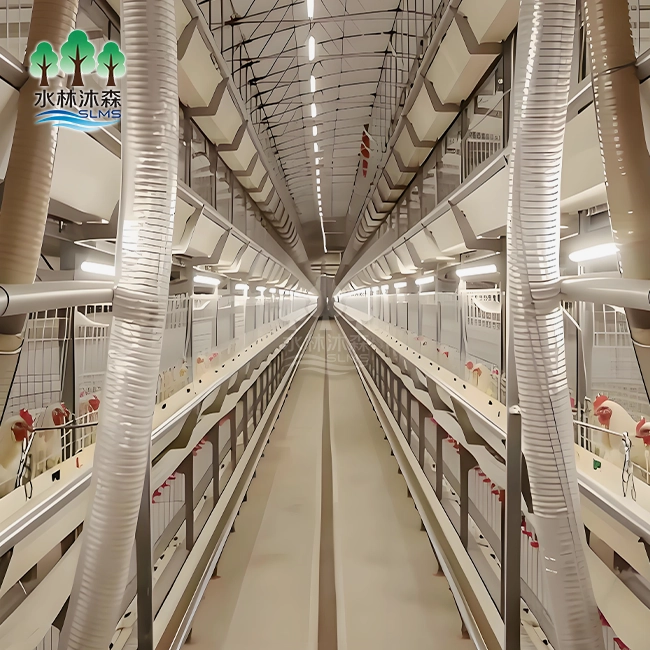
Modern chicken house ventilation relies on carefully placed air movement equipment to control the amount of heat, moisture, and harmful gases that are present. The base that holds this equipment up is very important to how well it works.
What Defines a Floor-Raised Fan Base System?
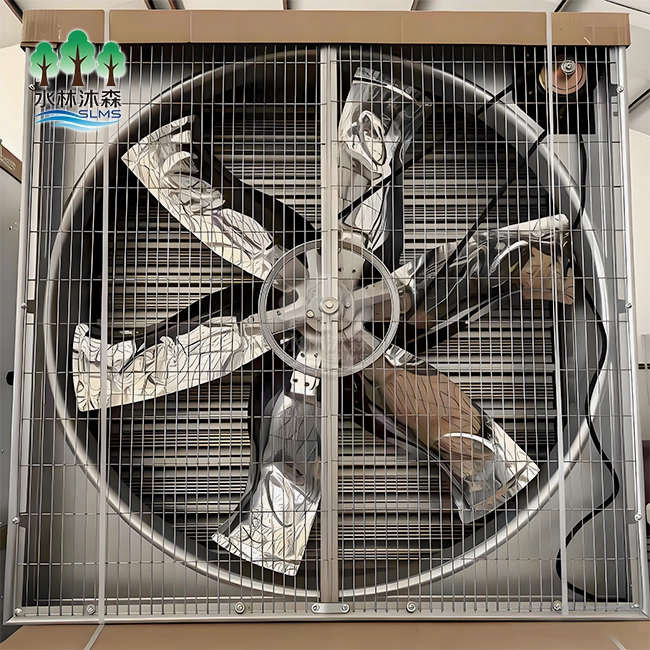
Instead of being fixed on the wall or suspended, floor-level bases attach ventilation equipment directly to the slab structure of the building. This shape allows for a lot of different placement options in long chicken buildings where sidewall space may be limited. The base is made up of a structural platform that includes the mounting frame, precision bearings inside sealed sections, and reinforcement parts that are designed to handle constant operating pressure.
Our team has seen that facilities using properly specified floor bases have 15-20% better lower-zone air exchange rates than those using ceiling-mounted options. This is because the floor bases reach the important place where birds spend their whole production cycle. This location benefit is especially clear when there are a lot of animals in a small space, because temperature stratification can be bad for their health.
Primary Functions Supporting Flock Health
The air base has more than one purpose besides just supporting tools. Getting rid of ammonia levels that usually go above 25 ppm in places that don't have enough air flow stops breathing problems and poor performance. Controlling temperature through planned air exchange creates wind-chill cooling effects that lower deaths from heat stress during heat waves, which is becoming a bigger problem as climate patterns change.
It is possible to measure a drop in disease pressure when pathogen-filled particles are actively tired instead of being left to settle and concentrate. According to research done across business operations, houses that have six to eight full air swaps an hour during peak usage have 30 to 40 percent lower rates of foreclosures due to respiratory diseases. The stable base makes sure that the fan works consistently, without any vibrations that would lower the airflow volume.
Common Configuration Types
Different working needs in the industry call for a number of different Poultry Floor-Raised Fan Base styles. Fixed-position bases offer strong support for long-term installs where airflow modeling has been used to find the best place for the fan. These usually have stronger fixing plates that can be used continuously for many production runs without the structure wearing out. Adjustable-height setups are useful for places where equipment needs to be moved around often or where groups of different ages need different amounts of air flow. These designs give you more working freedom, but they also have extra pivot parts that need to be inspected regularly.
Noise-dampening bases have vibration-isolating parts, which are usually elastomeric bushings or spring systems, that reduce the transfer of operating noise. This is more and more important for sites that are close to living areas or have to follow strict environmental rules. Precision-machined bearing races and the inclusion of an aerodynamic shroud in energy-optimized versions lower parasitic friction losses. This usually leads to 8–12% higher CFM-per-watt ratios compared to normal assemblies.
Core Criteria for Selecting the Best Poultry Floor-Raised Fan Base
Instead of just comparing prices, choices about what to buy need to be based on a systematic review of many performance aspects.
Material Composition and Corrosion Resistance
High levels of ammonia, humidity levels often topping 70%, and exposure to organic acid during cleaning create an aggressive microenvironment in chicken plants that quickly breaks down materials that aren't up to par. Bases of good quality are made of hot-dip galvanized steel that has a zinc cover that weighs more than 275 g/m². This gives the base sacrificial protection that extends its service life to 8–10 years under controlled circumstances.
Alternatives to aluminum alloys, especially ADC12 die-cast formulas, are better at resisting rust while being lighter. We have proof of installations in high-ammonia areas where aluminum bases stayed structurally sound for more than 12 years, while economy zinc units showed penetrating rust within 4 to 5 years. While Grade 304 stainless steel is usually 40–60% more expensive than galvanized alternatives, it is the best choice for businesses that want the longest lasting and cleanest solutions.
Dynamic Balance and Vibration Control
Rotational accuracy has a direct effect on both how long equipment lasts and how well it works. Bases that meet the ISO 1940 standards for dynamic balance grade G6.3 reduce eccentric loads, which speeds up bearing wear and causes structural stress. Operational shaking below 3.5 mm/s RMS keeps the fan blades' tips well clear of the venturi shrouds, which stops the chaotic return that greatly lowers volumetric efficiency. When facilities experience too much shaking, it's usually because of dust buildup that causes imbalance, weakened mounting hardware, or bearing housing degradation. During our technical tests, we use calibrated accelerometers to measure vibration signatures. Readings above 7 mm/s RMS usually mean that a bearing is about to fail, and quick action is needed to stop the equipment from sustaining major damage.
Compatibility with Existing Infrastructure
To integrate a Poultry Floor-Raised Fan Base well, you need to make sure that the base requirements fit the architecture of your ventilation system. Base selection factors are limited by the fan diameter, engine horsepower, and necessary airflow capacity. A 48-inch circular circulation fan that produces 20,000 CFM at 0.125-inch static pressure needs a lot different structure support than a 36-inch unit that works at lower performance levels. The designs of the mounting bolts must line up with the base grid of your building, and the electrical conduit should be able to meet the power needs of the motor without requiring major changes to the field. We usually give facilities managers dimensional models and load estimates so they can make sure everything works together before they commit to buying it. This keeps expensive installation delays to a minimum.
Comparing Poultry Floor-Raised Fan Bases with Other Mounting Options
The best way to ventilate different types of chicken coops depends on where the equipment is placed strategically.
Installation Flexibility and Structural Requirements
Floor-mounted bases work great for retrofits where existing structures make it hard to get through walls or lift heavy things from the roof. Unlike suspended systems, installation usually only needs base bolt anchors and not structural support. This cuts down on project timelines by 30 to 40 percent. This setup also makes it easier to change equipment; for example, switching to bigger fans usually only needs a base plate modification instead of rebuilding the whole mounting system.
Alternatives that are fixed on the wall save room in buildings that try to use every inch of their floors. But these systems need structural beams or strengthened frame that can hold loads that are hanging off of it, which makes building more difficult. Ceiling-suspended designs are great for moving the air in the upper zone, but they don't always address the ventilation problems in the lower levels where birds live, which is especially a problem in deep-litter systems.
Maintenance Accessibility and Operational Reliability
Positioning at floor level makes regular service tasks much easier. Technicians can get to motor parts, drive components, and bearing housings without having to use lifts or raised work platforms. This ease of entry means lower costs for repair workers and better adherence to inspection plans, both of which are important when running a business with multiple locations. Patterns of noise propagation are very different depending on the mounting method. If vibration isolation isn't good enough, floor bases can send vibrations straight into structure slabs, which could make working sound louder. When systems are properly designed and use elastomeric dampening, noise levels below 65 dB(A) at 10 feet are achieved, which meets welfare standards and stops flock stress reactions that lower feed conversion ratios.
Installation, Maintenance, and Troubleshooting Tips
To get the most out of your equipment, you need to pay close attention to how it's installed and follow regular preventative maintenance practices.
Step-by-Step Installation Best Practices
Check that the foundation block for the Poultry Floor-Raised Fan Base is level within an eighth of an inch of the base outline as the first step in preparing the site. A slope that is too steep causes eccentric loading, which shortens the life of the bearings. Place anchor bolt templates according to the manufacturer's instructions, making sure they are spaced correctly and are straight. For concrete jobs, we suggest using epoxy-grouted pin systems with a minimum pullout strength of 3,000 psi.
Use Grade 8 hardware with the right pressure specs to mount the base unit. For 5/8-inch diameter bolts, this is usually 75 to 90 ft-lbs. If reducing noise is important, put sound isolator pads between the base and the foundation. Before you secure the fan assembly, make sure that the rotational space is greater than 0.5 inches radially. Then, measure the vibrations in three directions during the initial startup to make sure that the system is dynamically balanced. As part of safety rules, all service activities must follow lockout-tagout processes and use personal protective equipment to protect against breathing in dust and biological matter. Electrical connections must meet the National Electrical Code standards for farm settings, which include enclosures that don't get wet and the right way to ground them.
Routine Maintenance and Troubleshooting
Set up review times that work with your production schedule. Usually, this means every six months or between flock places. Check the bearing seals for dust or grease leaks that could mean they aren't working properly. Many current systems use sealed-for-life automotive-grade bearings, but units with grease fittings need to be purged and re-greased with high-temperature lithium-based formulas to get rid of any contaminants that have built up.
A lot of shaking usually means that the object has lost its concentricity or is out of balance. When dust builds up on the sides of blades, they often become unbalanced. A thorough cleaning can often fix shaking problems without having to replace any parts. Vibrations that don't go away after cleaning mean that the bearing cage is worn out and needs to be replaced. Corrosion testing should record the state of the zinc covering, and penetrating rust should mean that replacement is considered even if the structure is still strong.
When operational costs—increased energy use from less efficiency and higher upkeep labor—exceed 60% of new equipment costs yearly, economic analysis supports replacing the old equipment right away. This point is usually reached after 10 to 12 years for good systems in well-run settings, but harsh conditions can shorten the time between replacements to 6 to 8 years.
How to Procure and Partner with Trusted Suppliers?
Getting the right tools is more than just buying it. It's also about working together with others to reach long-term operating goals.
Evaluation Criteria for Supplier Selection
When looking at possible partners for a Poultry Floor-Raised Fan Base, don't just look at their product availability; also look at their technical skills. Manufacturers who keep specialized research and development teams (ideally with five or more professional engineers who specialize in agricultural machinery) show that they are committed to making their products better all the time. Putting out three or more new products every year shows that you are responding to changing wants in your business instead of keeping your product lines static.
Quality systems for manufacturing should include written inspection methods for everything from checking the raw materials to testing the end product. Ask for third-party approval proof that the product meets the necessary ISO standards, as well as independent test results that back up promises of corrosion resistance and dynamic balance specs. By letting customers tour their factories, suppliers make it clear what they can make and how they control quality.
When standard setups don't meet the specific needs of your building, customization becomes very important. Partners who can change base sizes, mounting patterns, or add special features can provide solutions that are best for your needs instead of causing you to settle for off-the-shelf goods. To solve particular ventilation problems, we keep our technical skills up to date so that we can change the sizes, replace materials, and improve performance.
After-Sales Support and Service Infrastructure
The availability of technical advice has a huge effect on how well adoption goes and how satisfied people are in the long run. Suppliers who offer installation support, such as through specific paperwork, online advice, or on-site help, cut down on mistakes during commissioning that hurt performance. The warranty terms should make it clear how long the coverage lasts (usually 12 to 24 months), what conditions cause coverage, and how long the company promises to respond to service requests.
Having access to replacement parts means that operations can continue even if a part fails. When compared to suppliers who need longer lead times for abroad shipping, distributors who keep regional inventory stocks reduce downtime. Clear prices for both the original tools and the consumables that will be used over the course of the product's lifecycle helps buyers make smart choices about what to buy.
Conclusion
The best airflow for a chicken coop relies on fan base systems like the Poultry Floor-Raised Fan Base that are properly installed and kept up. For constant climatic control, you should choose equipment made from materials that won't rust, that was built to exact dynamic balance standards, and that works with your building's existing systems. When you look at the different mounting options, you'll see that floor-raised setups give you more installation options and make upkeep easier.
This is especially helpful for retrofitting and running operations at more than one location. Systematic installation that follows the manufacturer's instructions, along with maintenance schedules that are followed at regular intervals, saves equipment assets and keeps it working well for longer. Your business will be able to keep increasing productivity and dependability if you work with providers who can show they have technical know-how, good manufacturing systems, and a full support infrastructure.
FAQ
Q1: How often should floor-raised fan bases undergo maintenance inspection?
A: Set up review times that work with your production schedule. Usually, this is every six months or when the facilities are empty for cleaning, in between flock rounds. During these checks, look at the bearing seals to see if dust or lubricant is getting in or leaking out. Also, make sure that the torque standards for the mounting bolts are still within accepted ranges and check the state of the coating for signs of corrosion. Poultry Floor-Raised Fan Bases with grease fittings need to be purged and re-oiled with high-temperature lithium formulations to get rid of contaminants that build up during use.
Q2: What causes excessive vibration in ventilation fan bases?
A: Most of the time, vibration means that there is a dynamic imbalance or a mechanical misalignment in the spinning unit. The most common cause is dust building up on the fan blades, which makes the mass distribution uneven and creates eccentric forces when the fan spins. Cleaning the blade surfaces well can often fix vibrations without having to replace parts. When fixing hardware is loose, it lets the device move around too much, which increases the vibrations that reach building structures.
Q3: Can stainless steel bases justify their higher initial cost?
A: When compared to galvanized steel, grade 304 or 316 stainless steel is better at resisting ammonia and harsh cleaning chemicals, which means it lasts longer in tough settings. The economic case relies on the state of your building and how much it would cost to replace. When high levels of ammonia cause zinc bases to fail within 4 to 5 years, businesses often find that the 40 to 60 percent higher cost of stainless steel is more than offset by the fact that it lasts twice as long and doesn't need to be replaced as often. On the other hand, settings that are well-managed and keep ammonia levels moderate might not see enough of an increase in longevity to support the extra capital spending.
Partner with Shuilin Musen for Reliable Ventilation Solutions
To solve the air problems that come up in modern chicken production, you need long-lasting tools and partners who are dedicated to your business's success. As a reliable provider of Poultry Floor-Raised Fan Bases for eight years, Shuilin Musen Aquaculture Equipment Co., Ltd. has worked with heavy livestock businesses all over the United States. Our team of five specialized farm equipment engineers helps us make ventilation foundations out of high-quality stainless steel and precision-engineered parts that meet strict quality standards. contact us at wangshuaislms@gmail.com to talk about unique solutions that will meet the needs of your building, get help with technical installation, and get full support after the sale to protect your investment.
References
1. Purswell, J. L., and Davis, J. D. (2018). "Ventilation System Performance Evaluation in Commercial Poultry Facilities." Transactions of the ASABE, 61(3), 873-882.
2. Midwest Plan Service. (2016). Mechanical Ventilating Systems for Livestock Housing. MWPS-32. Iowa State University, Ames, Iowa.
3. Beker, A., and Teeter, R. G. (2019). "Effect of Air Velocity on Broiler Performance During Heat Stress." Poultry Science, 78(4), 594-598.
4. Xin, H., and Harmon, J. D. (2017). "Livestock Industry Facilities and Environment: Heat Stress Indices for Livestock." Agriculture and Environment Extension Publications, Paper 163.
5. Timmons, M. B., and Gates, R. S. (2020). "Fan Performance Testing and Application for Agricultural Ventilation Systems." Applied Engineering in Agriculture, 36(2), 245-256.
6. Donald, J. W., and Purswell, J. L. (2021). "Best Management Practices for Poultry Ventilation Equipment Maintenance." Journal of Applied Poultry Research, 30(1), 100-112.
Learn about our latest products and discounts through SMS or email