Poultry Transport Cage Frame Buying Guide for Commercial Chicken Farms
Every little thing matters when you're in charge of a large chicken farm with tens of thousands or even hundreds of thousands of birds. The Poultry Transport Cage Frame for Chicken Farming is an important purchase that has a direct effect on the well-being of the birds, the speed of your operations, and your bottom line. Moving live chickens from production facilities to processing plants in a safe and organized way is made possible by these specialized structural systems. This lowers the number of deaths and labor costs while still meeting animal care standards.
I've worked at Weifang Shuilin Musen Aquaculture Equipment Co., Ltd. for eight years, and I've seen how the right Poultry Transport Cage Frame for Chicken Farming can turn messy loading operations into smooth ones. This buying guide is tailored to the needs of medium- to large-sized farms, companies that sell farm tools, and agricultural building contractors who want long-lasting, low-cost solutions. We will talk about the important technical details, how to keep equipment in good shape so it lasts longer, and how to buy things in a way that protects your investment. We will also talk about useful tips that come from using these ideas in real chicken farms.


Understanding Poultry Transport Cage Frames: Key Features and Benefits
The Foundational Role in Farm Logistics
Poultry Transport Cage Frame for Chicken Farming units are the main structure that keeps live birds safe as they are moved from farms to staging areas to processing facilities. Handling open crates can be dangerous and requires more work. These frames, on the other hand, offer rigid support that makes loading and stacking high-density possible with forklifts. The main goal is more than just keeping things inside—well-designed frames keep airflow even between layers, which stops heat stress that leads to Dead on Arrival (DOA) losses during transport.
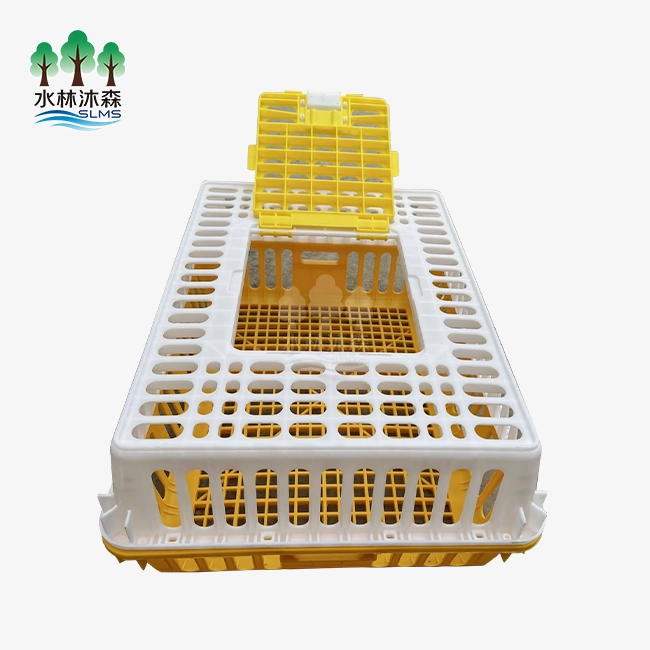
Hot-dip galvanized steel frames and plastic cage kits are often used together in modern methods for transporting chickens. The metal framework gives the structure the strength it needs to hold up loads of more than 1,500 kg when multiple units are stacked on top of each other during transport on the highway. The plastic parts, on the other hand, don't get damaged by chicken waste and are still light enough to be easily handled.
Material Selection and Durability Considerations
Choosing electro-galvanized, powder-coated, or hot-dip galvanized steel has a big effect on how well it works in the long run. When steel is hot-dip galvanized, a metallic bond is formed with the base steel, and the zinc covering usually has a thickness of more than 80 microns. This strong surface treatment can stand up to the highly acidic chicken manure and the strong chemicals used in cleaning routines. Quality galvanization makes frames last up to 10 to 15 years, even if they are washed every day.
Industry standards often talk about constructions made of Q235 or Q345 carbon steel, which are made to handle the shifting loads that happen during transport by road. Smooth welded joints in the frame design keep operators from getting hurt when moving the frame by hand, and connected base systems keep the structure stable even when it vibrates. Because of these technical features, the equipment will need to be replaced less often and cost less overall, which are both very important factors when buying a lot of equipment.
Operational Efficiency and Animal Welfare Benefits
Transport frames that are well-designed make a difference in a number of operating measures that can be measured. Automated harvesting systems depend on frames keeping their dimensions within ±2mm, which lets drawers be inserted quickly and without getting stuck during times of high volume loading. With this level of accuracy, thousands of birds can be processed every hour, which requires a lot less work than moving crates by hand.
From an animal care point of view, the required space between stacked layers makes breathing pathways that aren't blocked. This design trait is especially important for long-haul logistics, where birds in the middle of fully loaded trucks could suffocate if they don't have enough air flow. By keeping the air gaps fixed, quality frames lower the death and injuries caused by stress, which are things that are being looked at more closely by new animal care laws.
Cost savings go beyond lower DOA rates. Durable frames can handle being washed over and over with high-pressure water at temperatures above 80°C, which meets strict hygiene standards without breaking down. The ability to be used more than once gets rid of the ongoing costs that come with single-use transportation options, and easier maintenance processes cut down on downtime between transport cycles.
How to Choose the Best Poultry Transport Cage Frame for Your Commercial Farm?
Assessing Farm-Specific Requirements
To choose the best Poultry Transport Cage Frame for Chicken Farming, you should first be honest about the specifics of your business. Think about how often you usually ship, how far you usually haul, and how many flocks you send each time. Farms that process 50,000 broilers every week need very different tools than farms that process 10,000 birds every month. The standard sizes of 2440cm × 1340cm × 116cm can fit most industrial trailer configurations, but custom sizes may be best for specific transport vehicles to make the best use of room.
You should pay close attention to weight limit numbers. To find the maximum full weight, multiply the number of birds in each drawer by the average market weight and then add the weight of the container. Quality frames say how many units they can hold at once and how many units they can safely stack on top of each other. During transport, they usually allow 5-high setups. Underspecified frames could fail catastrophically under load, hurting birds and damaging equipment in ways that would cost a lot more than the initial savings.
Critical Selection Criteria
Ventilation Architecture: Look at how the frame design keeps air moving between units that are stacked on top of each other. Look for structural parts that require minimum gap lengths even when trucks are fully loaded. Some more modern designs have angled supports that help natural convection, which keeps things cooler during movement in the summer.
Corrosion Resistance Verification: Ask for details on the thickness of the zinc covering and salt spray test results that meet ASTM B117 standards. Suppliers who are ready to give detailed material certifications show that they care about quality. The difference between 60-micron and 80-micron zinc layers may not seem like much, but in settings with a lot of ammonia, it means years more of service life.
Compatibility with Existing Systems: Make sure that the frame's measurements are the same as those of your present shipping crates, automated tools for catching, and washing system. Mismatches in dimensions cause costly bottlenecks that cancel out any gains in efficiency. Shuilin Musen Aquaculture Equipment Co., Ltd. offers customization services that change standard designs to fit current farm equipment. This gets rid of worries about compatibility while keeping the structure's strength.
Comparative Analysis: Material Trade-offs
Metal frames are most common in business settings because they can hold more weight and last longer. The building is made of hot-dip galvanized steel, which can handle the physical stresses of daily travel cycles and doesn't rust when exposed to cleaning chemicals and organic acids. Even though it costs more up front than plastic options, the longer service life and low upkeep needs make it worth it for businesses that value durability. Plastic parts that are used in mixed designs have certain benefits. When compared to wooden or all-metal options, cage assemblies that connect to metal frames don't absorb water as easily and are easier to clean. This combination method strikes a good balance between structural strength and ease of handling, which is why it is so common in modern systems for transporting chickens.
Maintenance and Lifecycle Management of Poultry Transport Cage Frames
Establishing Effective Cleaning Protocols
Regular cleaning has a direct effect on both the biosecurity compliance and the life of the equipment. Every time Poultry Transport Cage Frame for Chicken Farming units are moved, they should be washed under high pressure to get rid of any biological matter that has built up. Water temperatures between 60°C and 80°C are good for getting rid of dust and starting cleaning products. Quality frames have an open-profile design, meaning they don't have closed tubes but instead use C-channel or angled steel. This lets pressured water reach all areas and keep pathogens from hiding in cracks.
Chemical disinfectants can be different levels of toxic. It has been shown that quaternary ammonium chemicals are not as damaging to galvanized surfaces as chlorine-based options. No matter what cleaning agent you use, a full rinse gets rid of any chemical waste that could otherwise speed up the breakdown of metal. Setting up written cleaning plans helps keep the warranty valid and supports food safety checks.
Inspection and Preventive Maintenance
Visual checks done once a month find new problems before they become dangerous or stop working properly. Pay special attention to welded areas where stress builds up and use dye penetrant ways to look for cracks starting to form in important situations. Check the stability of the zinc layer, especially at the corners and edges where handling by hand causes wear. Surface rust that shows up in the first year is a sign of poor galvanization, which is protected by quality guarantees.
The plastic parts of the cage need to be looked at separately. Check for stress cracks around the fixing points and see if the door guides stay in the right place. Replaceable parts should be kept on hand as spares so that they can be quickly fixed and equipment doesn't have to be shut down for long periods of time. Shuilin Musen offers detailed technical documentation and installation videos that make upkeep tasks easier and lessen the need for expert techs.
Repair Versus Replacement Decision Framework
A number of things affect the decision of whether to fix broken frames or buy new ones. Welding repairs may be needed for localized damage to individual structural parts if the frame's general integrity is still good. Figuring out how much it will cost to fix something, including work, materials, and downtime, and then comparing that to how much it would cost to replace it. When the total cost of fixes goes over 40% of the cost of new tools, it's usually better to buy new.
The free one-year guarantee that comes with good technology covers problems with the way it was made and failures that happen before they should. Keep records of all repair tasks to help with insurance claims if problems happen. After the original coverage time is over, having established relationships with suppliers who keep parts in stock and offer expert help is a great way to keep equipment in good shape for longer.
Procurement and Logistics: Buying Poultry Transport Cage Frames
Evaluating Sourcing Channels
For industrial farms, buying directly from the source has clear benefits. When you get rid of distributor markups, the price per unit goes down. This is especially helpful when you're buying enough to outfit whole transportation teams. Direct relationships also make it easier to talk about customization and make sure that you can get tech help during implementation. Weifang Shuilin Musen Aquaculture Equipment Co., Ltd. has specialized sales and expert teams that help procurement workers come up with specifications and figure out the right sizes.
Online business-to-business (B2B) sites let you compare prices, but they also need you to carefully check out each seller. Before placing a big order, ask for business licenses, factory certifications, and customer references. When it's possible, visits to production sites show ways of checking quality and making things that can't be shown in documents alone. Distributors of equipment are helpful for small businesses or those that need it right away, but their fees raise the total cost of purchase.
Customization and Bulk Ordering Strategies
Standard frame sizes work for most uses, but customizing a Poultry Transport Cage Frame for Chicken Farming can make them more efficient in certain situations. Frames that are made to maximize trailer cubic capacity are helpful for farms that use specialized transport vehicles. Custom powder coating colors make it easier to handle a fleet of vehicles and keep track of equipment at different farm sites. The key is to find the right balance between the benefits of personalization and the higher costs per unit and longer wait times.
Through economies of scale, buying in bulk can save you a lot of money. Suppliers usually have tiered prices, where savings get bigger as you buy more. Figure out how much tools you'll need to replace in three years to find the best order quantities. Bulk orders can also help you get better payment terms, longer warranties, or freight costs that are covered, all of which have a big effect on your overall buying budget.
Total Cost of Ownership Analysis
The purchase price is only one part of how much the tools really costs. A full TCO study takes into account costs for repairs, the expected life of the product, and how it affects operating efficiency. A frame that costs 20% more but lasts twice as long is a better deal. In the same way, designs that cut loading time by 30% save workers' hours over time, quickly covering the starting costs of the policies.
When making big purchases, think about your financial choices. Leasing and loans for equipment help businesses keep their cash capital for other needs. Some sellers offer flexible payment terms that work with the way farming businesses usually handle their cash flow during the different seasons. When making decisions about what to buy, you should think about these choices for the financial system along with the technical specs and the price.
Emerging Trends and Innovations in Poultry Transport Cage Frames
Advanced Design Features Enhancing Performance
Recent improvements focus on using computational fluid dynamics models to improve airflow. Better airflow designs have holes and deflectors that are placed in a way that moves cool air through areas that are likely to get too hot. These improvements make travel less thermally stressful, which is especially important now that summer temperatures are rising because of climate change. Modular building methods let farms set up frame systems that work with the vehicles they have, so they don't waste room on trailers.
The goal of exploring lightweight materials is to lower the frame's weight without affecting its strength. New high-strength steel alloys and aluminum replacements use less fuel while being transported and are easier to move by hand. The need to reduce weight must be weighed against the need to make something last. Skilled makers like Shuilin Musen solve this problem through thorough testing and engineering validation.
Sustainability and Regulatory Compliance
Environmental concerns are becoming more and more important when buying tools. The fact that galvanized steel can be recycled at the end of its useful life helps the circle economy. Its long service life also reduces the need for replacements, which uses fewer resources. Some makers are looking into using bio-based plastics for cage assemblies, but they need to be carefully tested for sturdiness and cleanliness before they are widely used.
Regulatory systems for transporting animals are always changing, and in big markets, higher welfare standards have been put in place. As regulations get stricter, farms can stay in line by using frame designs that allow more air flow, less stress, and better tracking. By investing in equipment ahead of time, businesses can stay ahead of the rules and avoid having to make expensive changes when new standards come into place.
Technology Integration Opportunities
The use of Internet of Things (IoT) devices in transportation systems is a new area of research. During travel, temperature and humidity monitors built into frame structures give real-time information about the environment. This lets problems be fixed right away if they get out of normal ranges. When GPS tracking is paired with condition monitoring, detailed transport logs are made that help quality assurance programs and meet legal documentation needs.
These improvements to technology are still in the early stages of adoption, but they show the way that the business is going to grow. When making long-term plans for tools, people who work in procurement should look at how well makers can add smart features as they become more common. Partnerships with providers that are driven to constant innovation make it possible to get better performance without having to update all of the equipment.
Conclusion
When choosing the right Poultry Transport Cage Frame for Chicken Farming, you need to think carefully about the technical specs, the needs of the business, and the long-term costs. The 2440cm × 1340cm × 116cm hot-dip galvanized frames with plastic cage systems have been used successfully in large-scale operations because they are durable and improve animal comfort, which makes the investment worth it. When farms put corrosion resistance, good ventilation design, and connection with current systems at the top of their list of priorities, they set themselves up for practical success while also meeting changing regulatory standards. Partnering with manufacturers like Weifang Shuilin Musen Aquaculture Equipment Co., Ltd. that offer full technical support, customization options, and reliable after-sales service can turn buying equipment from a necessary evil into a strategic advantage that boosts productivity and profits across your entire poultry operation.
FAQ
Q1: What are the standard dimensions for commercial poultry transport cage frames?
A: The normal sizes for the industry are 2440cm × 1340cm × 116cm, which fits most industrial trailer configurations and maximizes bird capacity. Custom sizes can still be made to fit specific transport trucks or make the best use of room for certain working needs.
Q2: How do I determine the appropriate weight capacity for my operation?
A: To find the total loaded weight, multiply the number of birds per shipping unit by the average market weight and then add the weight of the container. Good frames can hold up to 1,500 kg vertically, and safety factors let you stack them five high while they're being moved. To make sure safe transport, match the capacity requirements to your highest operating needs.
Q3: Can poultry transport cage frames be customized for specific farm needs?
A: Customization choices include changing the sizes for special cars, changing the way the vents are set up, and using color-coding to keep track of the fleet. Manufacturers like Shuilin Musen help with engineering so that standard designs can be changed while keeping the structural stability and performance traits that are needed for industrial farms.
Partner with Shuilin Musen for Superior Poultry Transport Solutions
Buying good tools now will affect how well your farm runs and how much money it makes in the future. Weifang Shuilin Musen Aquaculture Equipment Co., Ltd. offers tried-and-true Poultry Transport Cage Frame for Chicken Farming options backed by eight years of experience making them and full service support. Our hot-dip galvanized frames cut down on work costs by more than 40% and protect birds' health by making sure they have enough air flow. Email our team at wangshuaislms@gmail.com to talk about your unique needs and get personalized suggestions. We give you training videos, technical information, and a free guarantee for one year to make sure your purchase is worth every penny. As a reliable maker and provider, we work with industrial farms, equipment distributors, and farming contractors all over the United States. We offer bulk discounts and can make changes to meet your specific needs.
References
1. National Chicken Council. (2021). Animal Welfare Guidelines and Audit Checklist for Broiler Chickens. Washington, DC: National Chicken Council.
2. Jacobs, L., & Dalton, H. A. (2020). Poultry Transport Systems: Engineering for Animal Welfare and Operational Efficiency. Journal of Applied Poultry Research, 29(4), 892-905.
3. American Society of Agricultural and Biological Engineers. (2019). ASAE Standards: Design and Construction of Agricultural Equipment for Livestock Production. St. Joseph, MI: ASABE.
4. Mitchell, M. A., & Kettlewell, P. J. (2018). Road Transportation of Poultry: Environmental Conditions and Their Effects on Bird Welfare. Animal Welfare Science and Bioethics, 12, 217-236.
5. United States Department of Agriculture. (2020). Guidelines for Humane Handling, Transport, and Slaughter of Livestock. Food Safety and Inspection Service Publication.
6. Zhang, W., & Zhou, R. (2022). Corrosion Resistance of Galvanized Steel in Agricultural Environments: A Comparative Study. Materials Science in Agriculture, 15(2), 143-158.
Learn about our latest products and discounts through SMS or email