How to install a poultry house ventilation baffle system
To get the best airflow throughout your building, installing a Poultry House Ventilation Baffle system needs to be carefully planned and carried out exactly as planned. When negative pressure ventilation is used, this air inlet device can be mounted on sides or ceiling zones to control the speed and direction of entering fresh air. When placed correctly, the baffle system sends cold air upward, where it mixes with warmer air near the roof before falling to bird level. This keeps the temperature from changing, which can be stressful for your flock and slow down growth rates


Understanding Poultry House Ventilation Baffle Systems
Modern chicken farms depend on stable weather conditions to get the most work done and make sure the birds are happy and healthy. Poultry House Ventilation Baffle units are the most basic way to control the flow of air in small areas where chickens are kept.
How Baffle Systems Regulate Airflow?
The way baffle systems work is by making controlled air jets that move fresh air around your house in a planned way. These screens keep air moving up and along the roof so birds don't get cold air directly on them, which could cause thermal shock and breathing problems. The Coanda effect explains this. It says that air follows the shape of objects and slowly mixes with warmer air that has been building up before it reaches your group. This method keeps all areas at the same temperature, so there are no hot spots or cold spots that lower the efficiency of feed conversion.
Core Benefits for Commercial Operations
Putting in place a properly planned baffle system leads to measurable changes in how things work. When constant airflow moves through trash areas, ammonia levels drop by a lot. This directly lowers the frequency of footpad dermatitis. Directed air flow keeps mist from building up on walls and ceilings, which improves moisture control. Because you keep the static pressure right with less fan usage, energy costs go down. Studies at several business facilities have shown that improved input systems can cut heating costs by 15 to 25 percent during cold weather. These systems can also make flocks more regular by lowering differences in weight during processing.
Common Problems Without Proper Baffle Installation
Facilities that don't have enough Poultry House Ventilation Baffle systems or whose inlets aren't well taken care of will have problems. Where carbon dioxide builds up, "dead air zones" form in corners and along sides. Temperature stratification makes microclimates that aren't comfy. Birds near walls have different conditions than birds in the middle of pens. During winter low ventilation modes, cold air comes in and falls directly on birds, making them use more energy to keep their bodies warm instead of growing. Because of higher mortality rates, longer grow-out times, and less efficient use of feed, these natural problems directly lead to lower profits.
Key Principles and Design Considerations for Ventilation Baffles
To choose the right Poultry House Ventilation Baffle design, you must first understand the unique needs and working goals of your building.
Airflow Velocity and Distribution Fundamentals
A good barrier design is based on getting the air to move at the right speeds at the entry points. Industry rules say that the air speed at the baffle hole should stay between 800 and 1000 feet per minute during low ventilation modes. This speed makes sure that the throw distance is right—the air stream needs to go at least halfway across the width of your house for proper mixing. In this case, static pressure tracking is very important; keeping the water column between 0.05 and 0.12 inches high makes sure that the baffles work within the range of performance they were built for. When there isn't enough pressure, air dumps on birds, and when there is too much pressure, fans work less well and use more energy.
Material Selection and Durability Factors
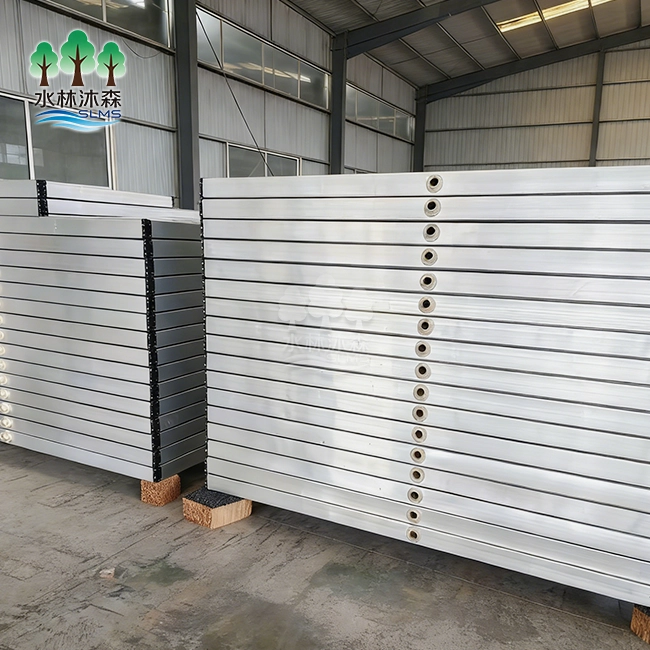
The building materials used have a big effect on how well they work and how often they need to be maintained. Our shield panels are made with fiberglass or nanofiberglass cores that don't absorb water and keep their shape even when temperatures change. The frame system is made up of parts made of aluminum alloy or stainless steel, which were chosen because they don't rust in high-ammonia settings like those found in chicken houses.
Standard PVC choices may seem like a good deal at first, but they often bend when exposed to heat for a long time, which weakens the seal. The 5 cm thickness standard we give you gives you the best insulation value, stopping condensation from forming while keeping the lightweight handling properties. Because of this design choice, your repair staff won't need any special lifting gear to fix or service units.
Customization Requirements for Different Poultry Operations
Because of differences in bird density, heat production, and operating timelines, broiler houses need different baffle designs than layer houses. In later stages of growth, broiler processes usually need stronger airflow, which means bigger baffle holes and stronger actuation mechanisms. Layer facilities can make smaller adjustments because keeping the environment stable over long production cycles is the most important thing.
Duck and waterfowl businesses have special needs when it comes to managing moisture. These buildings need better sealing and repair more often. We can change the length and width to exactly fit your sidewall needs. This way, it fits in with your current structure perfectly and there are no gaps that could make pressure control less effective.
Step-by-Step Installation Guide for Poultry House Ventilation Baffle Systems
Depending on how well it was installed, your Poultry House Ventilation Baffle system will either work as intended or become a constant source of operating annoyance.
Pre-Installation Assessment and Planning
Do a full evaluation of the building before any physical installation work starts. Take exact measurements of your home's walls height, installation zone length, and the distance from the ceiling to bird level. Figure out how much air you need based on the size of your house and the number of birds you expect to live there. This math problem tells you how many Poultry House Ventilation Baffle units you need and how far apart they should be.
Check the ability of your current fans and controllers to make sure they can work with automatic baffle actuation systems. During this time, you should talk to technical experts. At Shuilin Musen, our engineering team is available to help you make sure that your specs match your operational needs. We give you full training videos that show you how to measure things and how to avoid making common mistakes.
Preparing Support Structures and Mounting Points
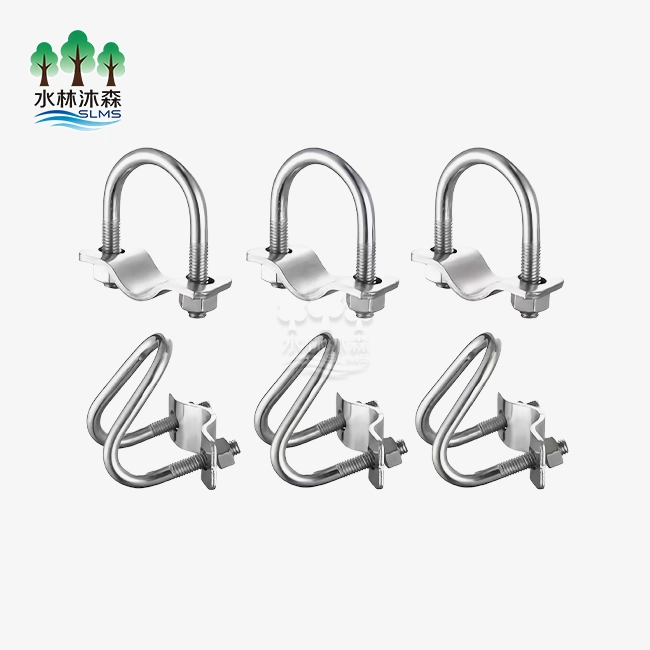
Setting up safe mounting places along your sides is the first step in installation. Mark where the baffles will go at regular intervals. Depending on the width of the house and its air needs, this is usually done every 10 to 15 feet. Use corrosion-resistant screws to put together the guide frame parts. The high-zinc coating on our metal parts needs hardware that works with them to stop galvanic rust.
Make sure that all of the fixing surfaces are level and straight. Even small differences can make it hard to seal and cause airflow to be distributed unevenly. When adding on to an existing building, carefully check the sidewalls for damage. Damaged panels or structural parts need to be fixed before the baffle placement can begin. Our units are designed to be light, which means that normal wall framing can hold the load without any extra support in most cases.
Securing Baffles and Aligning for Optimal Performance
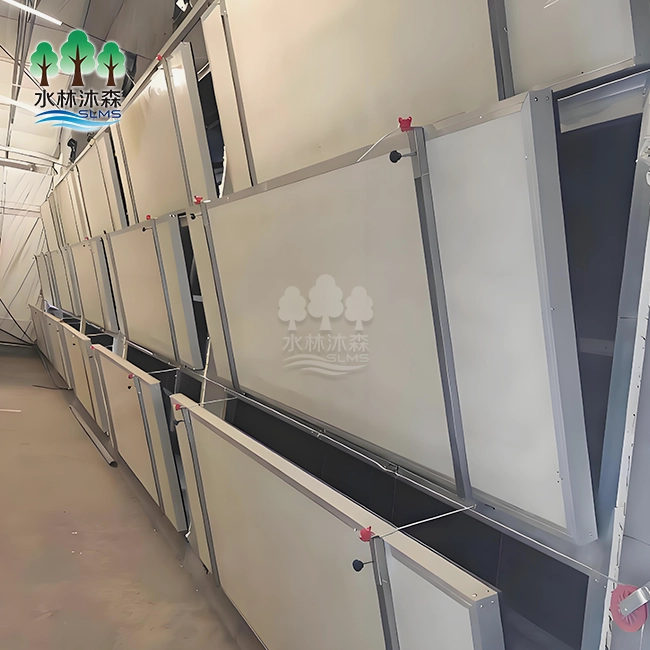
Place each baffle panel into the guide frame that has already been fitted. Make sure that the flow guide panel fits properly against the sealing sides. Follow the instructions to connect the electric opening device or the hand winch system. Put steel wire rope through pulley systems and make sure the tension stays the same all the way through the device. Pay close attention to the details at this stage, because opening reactions that aren't consistent are caused by wires that are too loose, and systems that are too tight put stress on actuator motors and shorten the life of parts.
Change the angle of the shield to send air toward the roof peak. When the baffles are lined up correctly, they make an air jet that hits the middle of the house at ceiling height. Before putting the whole system together, test each unit on its own. Move the baffle back and forth between fully open and closed positions while listening for binding or odd resistance that could mean the alignment is off.
Integration with Existing Ventilation Equipment
You can create opening routines for baffle motors that are connected to your environmental controller based on static pressure or temperature setpoints. Calibrate static pressure sensors to get accurate results. Where you put the sensors is very important; the best places are in the middle of the room, away from direct airflow. Run your minimum air fans and watch how the baffles react.
When systems are properly connected, they keep the goal static pressure by changing the holes of the baffles automatically. If the pressure changes too much, either change the sensitive settings on the controls or make sure there are no air leaks around the edges of the baffles. During this time of integration, our technology support team will still be available to help with problems and setting up the system. Our systems come with a one-year guarantee that covers any problems with parts that break during this important break-in time.
Troubleshooting Common Installation Challenges
The most common fitting problem is air leaking around the edges of the shield. This problem usually happens because the seal isn't complete or there is dirt blocking the full closing. Thoroughly clean all areas that seal and check the state of the gasket. Different opening patterns on different vents usually mean that the controller isn't calibrated correctly or that the actuator isn't working as it should.
Make sure that all of the motors get the same signal strength, and look for voltage drops along long wire runs. Noise that is too loud while it is running is a sign of mechanical binding or worn roller bearings. Take care of these problems right away, because in a chicken coop, small problems get worse very quickly.
Optimization and Maintenance for Long-Term Performance
The installation of your Poultry House Ventilation Baffle system is just the start of its useful life. Whether you reach your efficiency goals depends on how well you do with ongoing tuning and preventive repair.
Post-Installation Airflow Adjustment Techniques
Spend a few days after startup making the system work better. Use multiple monitors put around the house at bird level to keep an eye on how the temperature is spreading. Temperature changes of more than two to three degrees Fahrenheit mean there are problems with the flow of air that need to be fixed. Individual baffle angles should be changed little by little, with enough time between changes to see the affects.
Asymmetric designs are good for some facilities—for example, baffles on the sides that get the most wind may need different settings than covered edges. Visual proof of airflow patterns can be seen with smoke tests. Let out non-toxic smoke near baffles that are closed to find leaks. Do it again with the baffles open to see the path of the air jet and how it mixes. This way of diagnosing finds the specific parts that need help instead of making changes to the whole system that might not get to the root causes.
Regular Maintenance Protocols and Inspection Schedules
Make a repair schedule that includes both regular and thorough care times. Once a month, the shield should be checked to make sure it works, for physical damage, and to make sure the seal is still intact. Maintenance that is done every three months includes lubricating moving parts, checking wire rope for breaking, and trying how fast actuators respond. Use high-pressure washing systems to do a thorough cleaning between flocks. Our panels can handle harsh cleaning methods without breaking down.
For yearly checks, a more thorough study is needed. Take off the pulley sections and look them over for wear. Check the frame's mounting places for rust or loosening. Check the electrical links and repair any parts that are breaking down. This methodical technique stops accidents from happening at crucial times for production, when environmental control has to be maintained at all costs.
Measuring Long-Term Performance Benefits
Keep an eye on measurable measures that show the value of the system. Take seasonal changes and production plans into account when you compare energy costs before and after baffle installation. Keep an eye on success markers for the flock, such as feed conversion ratios, mortality rates, and processing weights. When facilities switch from basic ventilation to improved baffle systems, feed performance always goes up by 8 to 12 percent. Lower amounts of ammonia mean lower rates of rejection at processing.
Keep track of these improvements—they show that it's worth spending money on system repair and give information that can be used to support similar changes in other buildings. Our clients say that if you handle your Poultry House Ventilation Baffle system correctly, you can usually get your money back within two to three production cycles by saving money on energy costs and making the birds perform better.
Purchasing and Procurement Considerations for B2B Clients
Comparing the starting prices of equipment is only one part of making strategic procurement choices. You also need to look at the total ownership value and the Poultry House Ventilation Baffle supplier's abilities.
Evaluating Supplier Credentials and Support Infrastructure
When choosing a Poultry House Ventilation Baffle provider, find out how knowledgeable they are about the product and how long they've been in business. Shuilin Musen Aquaculture Equipment Co., Ltd. has been specializing in chicken farm equipment for eight years and has a team of engineers who work hard to come up with custom solutions for difficult ventilation problems. Equipment breakdowns don't wait for easy business hours, so how quickly a supplier responds is very important.
Check to see if potential providers offer easy-to-reach technical help and keep enough parts on hand. Ask for case studies from sites that are about the same size and type of business as yours. Get in touch with those sources directly to compare what they say about success to what they actually do. Our complete support system includes training guides, on-site service, and quick troubleshooting help that lasts longer than the warranty time.
Understanding Warranty Terms and After-Sales Commitments
Standard one-year guarantees cover a wide range of things and handle claims in a variety of ways. Check to see what parts are covered and what situations make coverage invalid. Our guarantee covers all structural and mechanical parts against problems caused by poor manufacturing, which shows that we are confident in the quality of the build. Make sure that reaction times for service claims are clear—days without working ventilation equipment can be very bad for the health of flocks.
Check the availability of parts and the clarity of prices in addition to the guarantee terms. Long-term cost exposure and supply chain weakness are caused by proprietary designs that need replacement parts that are made by a specific maker. Our systems use motors that are standard in the industry and metal parts that are easy to find. This reduces the chance of downtime and gives you options for replacing old equipment.
Logistics and Customization Capabilities
For large projects, the manufacturing schedules, shipping schedules, and building windows need to be coordinated. Talk to possible suppliers about wait times in an honest way, keeping in mind that custom dimensions—which are necessary for proper baffle installation—extend production times compared to off-the-shelf goods. Our ability to customize means that we can precisely match your facility's needs without taking too long. Learn about shipping methods, trade rules, and total landing costs before you buy something from another country.
Optimizing containers has a big effect on the price per unit for large sales. Talk about the availability of fitting services when you're talking about buying something. Although detailed installation videos allow people to do it themselves, having expert help on-site during the initial setup reduces problems and speeds up the process of reaching peak performance. This service is especially helpful when remodeling several homes at once or when dealing with complicated retrofit situations.
Conclusion
Putting in a good Poultry House Ventilation Baffle system changes how you can control the surroundings in your chicken farm. The process needs careful planning, exact installation, and a commitment to regular upkeep. The benefits go beyond just better airflow; they also include measured changes in flock performance, energy economy, and cost control. If you choose high-quality parts that are made to last in harsh chicken house environments, your investment will pay off over many production cycles. Working with sources who have a lot of experience can help you with technical issues that come up between designing something in theory and seeing it work in the real world.
FAQ
Q1: How often should I inspect and replace baffle system components?
A: Visual checks done once a month find clear damage or operational issues that need to be fixed right away. Maintenance done every three months includes adjusting the mechanics and lubricating the parts. Plan full checks to be done between each flock cycle, and use the break to clean and look over each part in detail. Replace seals and gaskets every two to three years, based on how often they are cleaned and how much they are used. Under regular conditions, wire rope and pulley systems need to be replaced every four to five years.
Q2: Can I retrofit baffle systems into existing poultry houses without major modifications?
A: Retrofitting is a popular use case that doesn't usually require any changes to the structure other than installing fixing points. The majority of current panel designs are strong enough to handle Poultry House Ventilation Baffle frame systems. The most important thing to check is that there is enough wall room between the structural posts to fit normal baffle sizes. The electrical grid needs to be looked at because automated systems need controllers that work with each other and power lines that reach the right places.
Q3: What energy savings can I expect compared to basic fan-only ventilation systems?
A: When facilities switch from unchecked inlets to properly designed shield systems, their heating costs usually drop by 15 to 25 percent when they are operating in cold weather. These saves come from better static pressure control, which lets fans work more efficiently, and better air mixing, which stops temperature stagnation. During the cooling season, the benefits aren't as big, but they can still be seen. Better air circulation lets temperature setpoints be a little higher without making birds less comfortable.
Partner with Shuilin Musen Aquaculture Equipment Co., Ltd. for Complete Ventilation Solutions
Your building should have air equipment that is built to last and is backed by real scientific knowledge. Shuilin Musen Aquaculture Equipment Co., Ltd. makes unique Poultry House Ventilation Baffle systems to very high standards. Our aluminum alloy and stainless steel frame construction doesn't rust, and our 5cm protected panels keep condensation from forming. Every system comes with clear instructions on how to install it, and it is covered by our full one-year guarantee.
Whether you run broiler houses that need a lot of airflow or layer farms that need to keep the environment very precise, we can come up with solutions that meet your needs. Email our engineering team at wangshuaislms@gmail to talk about your ventilation problems and get professional advice on how to improve the control of air quality in your building. You can look at our whole line of products at slms-equipment.com and get in touch with a reliable Poultry House Ventilation Baffle maker who wants your business to succeed.
References
1. American Society of Agricultural and Biological Engineers. (2019). Design of Ventilation Systems for Poultry and Livestock Housing. ASABE Standards EP270.5.
2. Donald, J. (2018). Environmental Control in Poultry Production Facilities. International Journal of Poultry Science, 17(8), 402-411.
3. Lacy, M. P., & czarick, M. (2020). Tunnel Ventilation of Broiler Houses: Design and Management. University of Georgia Cooperative Extension Bulletin 1086.
4. National Chicken Council. (2021). Guidelines for Poultry House Construction and Environmental Management Systems.
5. Purswell, J. L., & Dozier, W. A. (2019). Air Velocity and Temperature Distribution in Commercial Broiler Houses. Applied Engineering in Agriculture, 35(4), 577-585.
6. Yahav, S., & McMurtry, J. P. (2017). Thermotolerance Acquisition in Broiler Chickens: Environmental Factors and Management Strategies. Poultry Science Journal, 96(4), 879-889.
Learn about our latest products and discounts through SMS or email