Affordable breeding chicken transport cage frames with ventilation
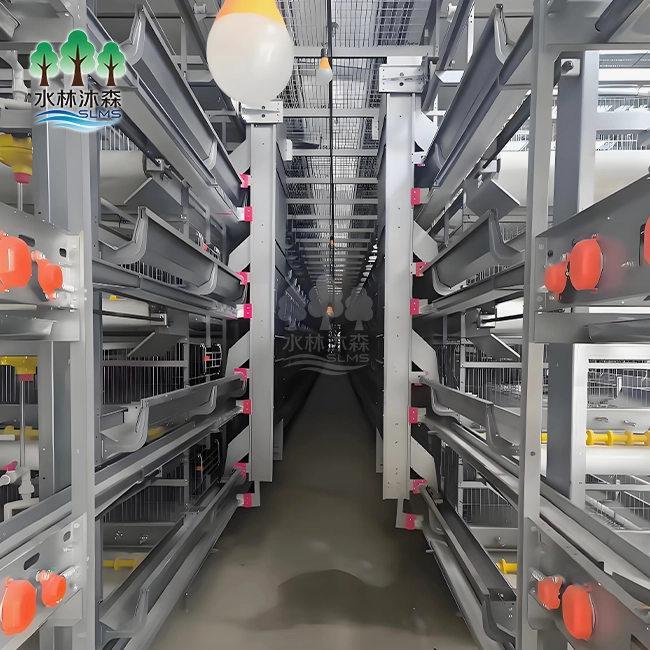
When running big poultry businesses, making money often depends on how well the logistics work. Affordable Breeding Chicken Transport Cage Frames with air are a useful way to move flocks from one facility to another, keep them temporarily while they are being cleaned, and handle group checks. The Breeding Chicken Transport Cage Frame solves the shipping problems that modern farms face by combining strong structure with smart airflow design. At Shuilin Musen, our multi-layered system combines hot-dip galvanized steel frames with carefully ventilated plastic cage sections. This lowers heat stress and death rates while increasing working efficiency.
Understanding Breeding Chicken Transport Cage Frames and Their Ventilation Features
Transportation deaths are still a big problem for the whole chicken business. Comparative studies show that not enough air flow during transportation raises the death rate at landing by about 15 to 20 percent. The Breeding Chicken Transport Cage Frame solves this problem by focusing on improving airflow instead of just keeping the chickens inside.
Core Structural Components
Choosing the right materials and designing how they are put together are the building blocks of effective chicken transport. Our frames are made of Q235 carbon steel that has been hot-dip galvanized to get a zinc covering that is thicker than 275g/m². This standard is very important in places where there is a lot of ammonia from chicken waste and strong disinfectants used for safety reasons. The galvanized finish successfully prevents corrosion, ensuring structural stability over many years of heavy use.
Along with the metal structure, the cage parts are made of UV-stabilized modified high-density polyethylene. This type of material can work in temperatures ranging from -20°C to +50°C without breaking. It keeps working well during both cold-chain shipping and summer heat. The nanometer-level smoothness of the plastic surfaces keeps feces from sticking, which means that about 30% less water is used for cleaning than with traditional designs.
Ventilation Dynamics and Animal Welfare
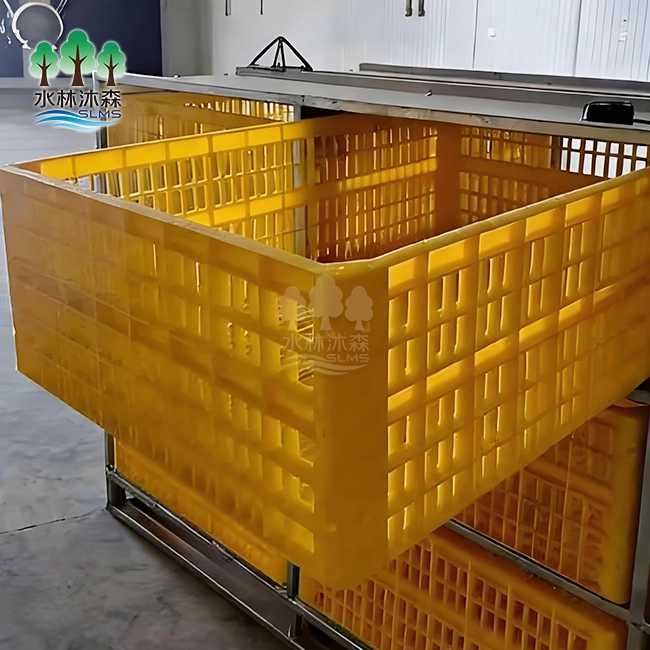
Quality shipping equipment is different from basic containment systems because it has the right amount of movement. Our cage design has 40–60% open surface area thanks to mesh holes that are placed in a smart way. This arrangement makes it easier for air to flow evenly through the stacked levels, which keeps the inside of the trucks from getting too hot while they're being moved.
The ventilation lattice pattern makes vertical airflow paths that move hot air away from birds in the middle of the stack, which are the areas most likely to suffocate. When the cage is being moved, air from the outside comes in through side holes, moves horizontally through the inside, and leaves through venting panels on opposite sides. This design of cross-ventilation keeps the temperature and air levels the same no matter where the stack is placed.
Poultry quickly loses their health when they are exposed to heat stress. Birds with high core temperatures have weaker immune systems, which makes them more likely to get pathogens while they're traveling. This risk is lowerened by the better air design, which keeps the temperature inside closer to the ideal range. This directly lowers mortality and keeps the meat's quality.
Material Impact on Performance
The choice of material affects both how well air works and how much it costs in the long run. Although the road conditions change over time, the stainless steel structure can hold weight and keep its shape. Each frame can support stacking heights of 8 to 10 levels without deforming, and it can handle steady loads of more than 1000 kg when it's fully loaded.
Instead of bonding them together permanently, the plastic cage sections are attached to the metal frame with bolts and clips. This modular method lets you repair only the damaged parts, so you don't have to throw away the whole machine. Each broken vertical strut or cracked drawer can be replaced separately, which increases the system's useful life and lowers the cost of upkeep.
Protocols for testing make sure that materials work in the real world. Drop tests from 1.5 meters above at -15°C show that cage modules don't crack or break, so they will last through rough handling at loading docks. Dynamic shaking tests that simulate 500 km of road travel show that welds and screws stay strong over long periods of time


Key Design and Size Considerations for Affordable Ventilated Cage Frames
When choosing the right transportation tools, you have to balance the need for volume with the limitations of logistics. The size requirements have a direct effect on how efficiently loads are done, how well vehicles are used, and how well operating workflows are integrated.
Standard Sizing and Capacity Metrics
Our normal Breeding Chicken Transport Cage Frame is 2440cm x 1340cm x 116cm, which is the right size to make the most of a truck bed and allow for standard forklift handling. This footprint strikes a good balance between space and movement, making it possible to load things quickly and easily without the need for special handling tools.
Each level of the multi-layered structure can hold 50–75 kg of living weight, which means that each box can usually hold 12–16 broilers that weigh about 2.5 kg each. This loading density meets USDA rules for animal care and keeps the cages from being too crowded, which makes airflow less effective. The internal volume naturally stops overflowing, making it a built-in defense against density violations that could lead to fines from the government.
Scalability is very important when activities grow or shrink with the seasons. Modular frame systems let farms change how much they can move by adding or taking away units based on the size of their flocks at the time. This adaptability keeps money from going to waste on over-sized equipment during slow times and makes sure there is enough capacity during busy times.
Innovative Ventilation Architecture
Advanced ventilation design includes more than just basic airflow holes. It also includes systems that keep the air gaps between stacked units constant. When multiple frames are stacked vertically during transport, these spacers keep them from compressing, which would block the air passages. The kept air gaps make sure that birds in the top and lower levels get the same amount of oxygen and that the temperature stays the same.
The pull-out drawer system makes the space more airy and the work more efficient. Sliding drawers make it easy to quickly check each section without disturbing the tiers below or above it. This makes handling the birds less stressful while speeding up the loading and unloading processes. When the drawer is being moved, the design creates separate air pockets that keep airflow going even if one section gets temporarily blocked by movement or waste.
Mesh panel layouts change depending on what they will be used for and the weather. When working in places with a lot of humidity, it's better to have bigger hole designs that let more water evaporate and cool the air. On the other hand, buildings in colder areas may ask for slightly smaller ventilation holes that keep heat in while still letting enough oxygen flow through.
Durability and Maintenance Integration
Longevity has a direct effect on the total cost of ownership. When kept according to the instructions, the hot-dip galvanizing frame parts should last between 8 and 10 years of heavy daily use. Plastic cage units have a lifespan of three to five years, and replacing them costs a lot less than buying a whole system.
Making maintenance easy is very important for businesses that have to stick to tight production plans. Plastic parts with a smooth surface finish can be pressure washed quickly, and most organic matter is cleared during normal cleaning processes. The coating on the metal frames doesn't rust, and it can handle being cleaned and sterilized in steam tubes at temperatures of up to 90°C many times. This is necessary to get rid of Salmonella and Avian Influenza carriers between loads.
Structure safety and proper ventilation are maintained through regular review procedures. Visual checks done once a month find early signs of wear, such as the zinc finish wearing off, plastic stress cracks, and fasteners coming loose. Taking care of these problems ahead of time stops sudden equipment breakdowns that could mess up transportation plans and put flock health at risk during important loading times.
Comparing Affordable Breeding Chicken Transport Cage Frames: Metal vs Plastic and Other Options
When buying transportation tools, choosing the right materials is one of the most important choices that must be made. Depending on operational goals, the situation, and cash constraints, each choice has its own benefits.
Metal Frame Performance Characteristics
Galvanized steel frames are the best at holding weight and lasting a long time. The stiff framework keeps its measurements even after years of being moved around by forklifts, being hit by trucks, and being loaded and unloaded many times. This stability keeps the gaps between the frames stable so that airflow doesn't get slowed down by compression. It also keeps the stacked lines straight.
Hot-dip galvanization is very useful in chicken settings because it protects against corrosion. In chicken coops, the amount of ammonia gets so high that metals that aren't secured break down very quickly. When treated correctly, frames can stand up to this chemical attack and keep their shape and look for a longer time. Using electromagnetic gauges to check the thickness of the zinc covering proves the level of protection. Measurements regularly above 80 microns ensure 5–10 years of rust resistance.
Weight affects how easily things can be moved and how much fuel costs during travel. Most of the time, metal frames are heavier than plastic ones, which could make empty return trips use more gas. However, the higher load capacity makes packing more efficient, which often makes up for the lower weight by allowing more birds to fit on each trip.
Plastic Component Advantages
Modified high-density plastic cage modules are very important for keeping the birds clean and safe. The smooth, non-porous surface makes it easier to clean between uses because germs can't stick to it. Bacterial count tests done after cleaning always come back below industry standards (RLU < 50), passing strict hygiene rules that keep flocks from getting sick from each other.
Birds are much safer when they touch objects made of plastic. Plastic parts that have been properly made have rounded sides and smooth surfaces, unlike metal edges that can scratch and bruise. This design factor has a direct effect on the quality of the body because damage from the outside lowers the grade, which lowers the market value. Plastic cages help keep workers from getting hurt, which is especially helpful for businesses that make high-quality poultry goods.
In high temperatures, thermal qualities tell the difference between metal and plastic. Plastics don't carry heat as well as metals do, so birds don't get as much heat from the sun-heated outside of trucks. This insulation effect helps airflow design by limiting changes in temperature during transport, making indoor settings stable no matter what the outside conditions are like.
Mobility Features and Operational Flexibility
Wheeled frame designs are useful for certain tasks that require moving around a lot. Facilities that do regular health checks or flock sorting benefit from mobile units that staff can move around without the help of a forklift. The wheel systems are built into the frame structure so they don't affect the security of stacking. This keeps the vertical alignment stable while the furniture is being moved.
Stationary models work best in situations where there are set loading zones and specific handling tools. By getting rid of moving parts that need to be maintained, these designs make structures as simple and long-lasting as possible. The decision between wheeled and stationary setups is mostly based on how the building is set up and how work gets done, not on which configuration is better in terms of performance.
Breeding Chicken Transport Cage Frame design keeps getting better thanks to new lightweight technologies. Through better structure shapes and more advanced alloy compositions, engineering improvements cut down on the amount of material needed without lowering the strength. These changes are especially welcome for businesses that have to move goods over long distances and where fuel costs are a big part of their costs. Weight losses of 10 to 15 percent add up to big savings over thousands of miles of travel each year.
Procurement Guide: How to Buy Affordable Ventilated Breeding Chicken Transport Cage Frames
Strategic buying choices require evaluating supplier capabilities beyond unit pricing. Reliable relationships that offer technical help, the ability to make changes, and reliable release dates create long-term value.
Identifying Reputable Manufacturers
Global supply lines give people a lot of different ways to get goods at different prices and levels of quality. Chinese companies control the markets for cheap tools by using well-established production systems and setting prices that are competitive. Quality varies a lot between sellers, so it's important to do your research to avoid getting poor equipment that breaks down early or needs a lot of changes.
European makers usually charge higher prices, which is backed up by strict quality standards and lots of paperwork. Even though it costs more up front, this investment may be important for businesses that need to meet certain standards for foreign markets or organic production. USA-based providers have benefits like faster shipping, easier contact, and simple warranty enforcement because they are closer.
Weifang Shuilin Musen Aquaculture Equipment Co., Ltd. has eight years of experience making tools for chicken farms. Our skilled research and development team is made up of five engineers whose only job is to improve farming and cattle equipment. This specialized knowledge directly leads to product stability and design optimization for specific applications that generic makers can't match.
Custom Manufacturing and OEM Capabilities
Standardized tools doesn't always meet the exact needs of a business. Custom production services let you change the specifications to fit the size of your building, the weather, and your work flow. Changes could include different sizes to work with non-standard vehicles, stronger frames for heavy use, or special finishes for places that are very corrosive.
OEM partnerships let wholesalers and equipment dealers offer branded products while using production know-how that has already been proven. Usually, these deals include customized packing, paperwork, and even changes to the appearance of the product that make it stand out in the market. When you commit to a certain amount of goods, you can often get better prices and more flexible schedule, which is good for both the maker and the distributor.
Our customized options don't stop at finish choices; they go all the way through the production process. The flexible design philosophy we use makes it easy to change sizes, replace materials, and add features without having to do a full engineering rethink. This level of adaptability speeds up the process of fulfilling custom orders while keeping costs low enough to keep changed units cheap.
Bulk Purchasing Strategy and Logistics
By making producing more efficient and sending more efficiently, buying in bulk saves a lot of money. Tiered pricing usually applies to orders of 50 or more units, which lowers the cost per unit by 15 to 25 percent compared to small-lot sales. But for large sales, it's important to carefully plan capacity so that capital isn't stuck in extra goods that might not be used for months.
Shipping processes have a big effect on overall landed costs, especially when buying something from another country. Container optimization figures out whether shipping parts of a package costs more or whether combining shipments later is cheaper in the long run. Standard frame sizes fit together well, which lets you put more units in each container and lowers the cost of moving each unit.
Planning ahead for lead times keeps output from stopping because of a lack of tools. Standard setups usually ship three to four weeks after the order is confirmed. Custom requirements may take up to eight weeks, based on how complicated the changes are. To keep operations running smoothly, operations that need to replace old equipment should start shopping for new units a long time before the old ones break down.
Supplier Evaluation Criteria
Quality standards provide objective proof of the ability to manufacture and control the process. ISO 9001 certification shows that quality management systems are in place, and badges specific to an industry show that the company has expert knowledge and is committed to following the rules. When you ask for certification documents during the seller review process, you get rid of vendors who don't have quality standards that can be checked.
Breeding Chicken Transport Cage Frame reference operations are a great way to learn about how well a seller responds to requests and how well they work in the real world. Talking to current users about equipment longevity, maintenance needs, and the quality of maker support can help you make decisions. While suppliers who are sure of their goods are happy to put potential buyers in touch with current customers as references, suppliers who don't want to do so raise concerns about customer happiness.
Warranty terms show how confident the maker is in the product's longevity. Our normal 1-year free guarantee covers problems with the way the product was made and problems with the materials. It's backed by helpful technical support that includes installation videos and remote help with fixing problems. Full guarantee protection lowers the risk of investing in tools, especially when buying from companies with whom you don't have a long-term relationship.
Ensuring Optimal Use and Maintenance of Your Breeding Chicken Transport Cage Frames
The life of equipment rests a lot on how often it is maintained and how quickly problems are fixed. With proactive care, air systems keep working well and last longer than the normal number of replacement rounds.
Cleaning Protocols for Ventilated Systems
Sanitization rules balance the need for cleanliness with the need to protect materials. At 1500 to 2000 PSI, pressure washing gets rid of biological matter from ventilation holes and surfaces without hurting plastic parts or the structure of the coating. Water temperatures between 60°C and 90°C make cleaning more efficient while still not breaking down materials.
The choice of detergent affects both how well it cleans and how long the equipment lasts. Formulations that are pH-neutral and don't corrode get rid of biological contamination without damaging metal surfaces or breaking down plastic. By staying away from cleaners that contain chlorine, you can slow down corrosion that weakens structures. This is especially important in places where protective layers may be thinner, like welded joints and fastener surfaces.
How often you clean depends on how often you use it and what hygiene rules you follow. Businesses that move a lot of flocks every week should clean up after themselves every time to keep pathogens from building up. For activities that don't require as much work, cleaning may be done once a week during busy times and once a month during slower times. Regular planning stops contamination from building up, which gets harder to get rid of as organic layers harden and stick to surfaces more firmly.
Troubleshooting Common Issues
Ventilation clogs are the most common operating issue that affects how well a transport cage works. Feathers building up in mesh holes makes movement less effective, creating hot spots that stress out birds that are nearby. Regular eye inspection during cleaning finds the start of a blockage before it gets too bad for airflow. During regular maintenance, holes that are blocked can be cleared with compressed air blowing or high-pressure water jets.
Fasteners coming loose, plastic stress cracks, and covering damage are all signs of structural wear. These problems are found early on by monthly check routines, when simple repairs can keep a part from breaking completely. Tightening up loose nuts keeps the structure rigid, which stops harm from shaking and load stress from getting worse over time. It is much cheaper to replace individual cracked drawer units than to fix major problems that happen because of small damage that was ignored.
Handling harm from forklift hits and rough loading speeds up the wear and tear on equipment. Training operators to use the right lifting points and be careful when building cuts down on damage that could have been avoided and shortens the life of the equipment. Setting up clear loading zones and avoiding crashes that damage frames and break plastic parts is easier when there are designated loading zones.
Preventive Maintenance Checklist
Systematic cleaning routines make tools more reliable and less likely to break down when it's least expected. These important checks should be part of the suggested monthly maintenance workflow:
- When you look at all of the galvanized surfaces, you can see that the covering is damaged, leaving the metal bare and open to fast corrosion. Paint touch-ups made for metal surfaces protect for a short time until they need to be replaced on schedule. If you stop rust from spreading early on, it won't have a chance to weaken structure elements or make areas that birds can scratch.
- Functional testing of drawer parts makes sure they work smoothly, which is important for quickly loading and unloading. If drawers need too much force, it means that they are not aligned properly or that there is dirt in the track lines. Cleaning the slide channels and making sure they are aligned correctly keeps the machine running efficiently, which saves time during busy production times.
- Verification of the ventilation hole shows that the airflow capacity has not been affected. By measuring the percentages of open surface area during a check, you can find slow buildups of blockages that you might miss with the naked eye. Keeping the 40–60% open area that was planned for makes sure that airflow stays within the limits that stop heat stress.
- By writing down what repair tasks are done, working records are made that can be used for warranty claims and planning replacements. Monitoring when parts need to be replaced lets you know when equipment is almost at the end of its useful life, which lets you buy replacements ahead of time and avoids disruptions to operations. Maintenance logs also show trends that point out problems with the design or ways of doing things that need to be changed.
Conclusion
Affordable Breeding Chicken Transport Cage Frames with ventilation provide real value by lowering the number of deaths, increasing working efficiency, and extending the life of equipment. Using hot-dip galvanized steel frames along with ventilated plastic cage systems solves one of the most important problems in chicken logistics: how to keep birds safe while also making shipping as cheap as possible. Strategic selection of materials, optimization of dimensions, and upkeep routines work together to make systems that work reliably for years in harsh production settings. When you buy good shipping tools, the value of your flock stays high, biosecurity rules are easier to follow, and there are fewer problems with operations throughout the production cycle.
FAQ
What defines the expected operational lifespan of transport cage systems?
Metal frames that have been hot-dip welded can last for 8 to 10 years with proper upkeep, while plastic cage modules usually work well for 3 to 5 years. How long something really lasts depends a lot on the cleaning agent you use and how well you take care of it. Using cleaners that don't corrode protects the coating, and being careful when using a forklift stops contact damage that speeds up the breakdown of the structure. Regular checks that find early signs of wear allow parts to be replaced before they break completely.
How do ventilation features reduce transportation mortality?
Cross-flow air movement from strategic lattice ventilation keeps truck cabins from getting too hot while they're being moved. According to research, transport methods with good ventilation lower the number of animals that die before they arrive by 15 to 20 percent compared to regular solid-wall boxes. The vertical airflow ducts spread oxygen evenly across the stacked levels, which keeps people from suffocating in the middle levels, where airflow is usually limited. Temperature control keeps the internal temperatures of birds within safe ranges, which protects their immune systems and keeps the quality of their meat.
Can individual damaged components receive replacement?
The modular assembly design, which uses nuts and clips instead of permanent welding, lets you change only certain parts. Businesses can swap out a broken drawer module or a damaged vertical strut without having to throw away the whole Breeding Chicken Transport Cage Frame system. This ability to be fixed greatly lowers the long-term costs of ownership compared to designs that aren't flexible and need the whole unit to be replaced when damage happens in one area.
Partner with Shuilin Musen for Superior Transport Solutions
Shuilin Musen Aquaculture Equipment Co., Ltd. has been a specialist in engineering for eight years and helps with the management of chicken farms. Our skilled research and development team is always improving the designs of transport cage frames based on what farms that handle thousands to over 100,000 birds tell them about how they work. We don't just sell equipment; we also offer full support, which includes installation videos, customization services that are made to fit the needs of your building, and quick technical help backed by a 1-year guarantee. Get in touch with our team at wangshuaislms@gmail.com to talk about how our Breeding Chicken Transport Cage Frame maker can help you move your flock more efficiently and save you money by providing reliable, air-conditioned solutions designed for harsh farming settings.
References
1. American Poultry Association. (2021). Standards for Poultry Transportation Equipment and Welfare Compliance. Agricultural Press.
2. Chen, W., & Morrison, R. (2020). Ventilation Design in Livestock Transport Systems: Engineering Principles and Animal Welfare Outcomes. Journal of Agricultural Engineering Research, 45(3), 287-304.
3. livestock Equipment Standards Council. (2022). Material Specifications for Corrosion-Resistant Poultry Handling Equipment. Industry Technical Bulletin Series.
4. National Chicken Council. (2023). Best Management Practices for Poultry Transportation and Biosecurity. Washington D.C.: Poultry Industry Publications.
5. Thompson, J., Rodriguez, M., & Park, S. (2019). Comparative Analysis of Transport Container Materials on Broiler Stress Indicators and Meat Quality. Poultry Science International, 98(12), 6543-6558.
6. United States Department of Agriculture. (2022). Animal Welfare Guidelines for Commercial Poultry Transport Operations. USDA Agricultural Handbook No. 798.
Learn about our latest products and discounts through SMS or email