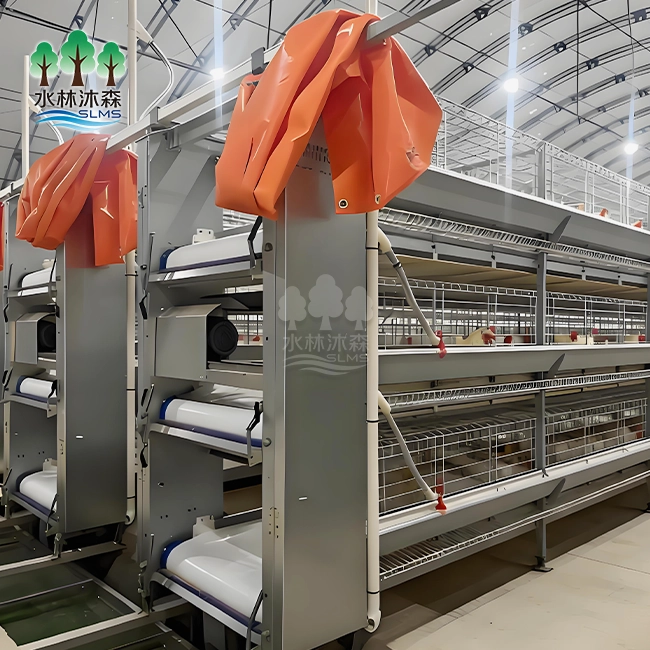
How to Design the Chicken House Ventilation Window?
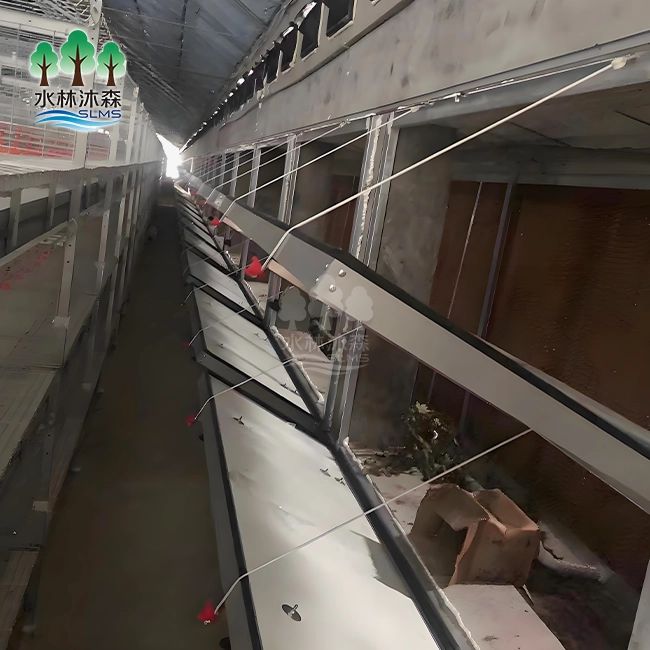
To make a good chicken house ventilation window, you must first know what kind of movement your building needs and what the weather is like. A well-made Poultry House Ventilation Window controls temperature, humidity, and air quality by letting controlled air flow through. This keeps birds healthy and saves energy. The key is to choose the right size, material, and placement method based on the size of your home, the number of birds that live there, and the weather. Modern side-wall air inlets have adjustable systems, internal deflectors, and insulation layers that work together to send fresh air upward along the roof. This keeps birds from being hit by direct drafts and makes sure that air flows evenly throughout the barn.


Understanding the Role and Benefits of Poultry House Ventilation Windows
In places with negative pressure, Poultry House Ventilation Windows are the main way that fresh air comes in. This is because exhaust fans create a difference in pressure that draws fresh air into the building. Unlike simple openings, these designed parts control the speed, direction, and amount of air to keep the environment perfect for raising chickens.
The Science Behind Effective Air Exchange
A high-speed air jet is sent to the roof, where it mixes with hot air before slowly falling on the birds. This is the basic idea behind the device. This process stops animals from getting cold shock, keeps litter from getting too wet, and dilutes dangerous gases like ammonia that are bad for lung health. Research shows that farms with properly designed inlet systems have feed conversion ratios that are 15 to 20 percent higher and much lower death rates than sites that don't have good air control.
Natural Versus Mechanical Ventilation Systems
Natural airflow depends on wind pressure and thermal buoyancy. It works well in mild areas and smaller businesses where precise temperature control is not as important. Mechanical systems, on the other hand, use vent fans and entry windows to make sure that airflow patterns are always the same, no matter what the outside conditions are like. Mechanical systems with automatic controls give consistent results even when the weather changes during different seasons for large-scale operations that handle groups of more than 10,000 birds. The choice you make relies on where you live, how your building is oriented, and how much work you need to do.
Measurable Benefits for Commercial Operations
There are several ways that well-designed air windows can have a direct effect on your bottom line. When outlet size is right for exhaust capacity, energy costs drop by 25–35% because no fan power is lost. Disease rates go down when ammonia levels stay below 25 ppm. This lowers the cost of medicines and makes things more regular. Studies have shown that making sure birds are comfortable can help them gain 150 to 200 grams of body weight over the course of a normal 42-day cycle in broiler farms.
Key Considerations in Designing Poultry House Ventilation Windows
To choose the right features for your Poultry House Ventilation Window, you have to look at a lot of different factors that affect how well the system works. Each choice has an impact on both the original spending and the long-term efficiency of operations.
Calculating Optimal Window Size and Quantity
To keep the static pressure between 0.05 and 0.12 inches of water column, the efficient circulation area must be the same size as your exhaust fan. To find the useful method, divide the total fan CFM by the CFM number per window at the pressure you want to reach. For instance, if you need at least 12,000 CFM of air flow and each window gives you 250 CFM at 0.08 inches of pressure, you'll need about 48 windows spread out along both sides. By adding a 10% buffer, you can account for air resistance through screens and differences in how things are installed in real life. Our normal 560mm × 270mm units have an effective size of 0.11 to 0.13 m², which is good for homes that are 12 to 18 meters wide.
Strategic Placement for Uniform Air Distribution
The height of the window has a huge effect on how well it works. By mounting the inlets 30 to 40 centimeters below the eave line, the air jet can connect to the roof through the Coanda effect and mix the air in the way that is wanted. There shouldn't be more than 3 meters of space between windows to avoid dead zones where air doesn't move. In homes longer than 120 meters, placing windows on opposite sides at random helps keep the static pressure constant along the whole length. This stops the usual issue where birds near the exhaust end don't get enough fresh air.
Material Selection for Durability and Performance
The hard climate of a chicken house, with its high humidity, corrosive ammonia, and wide ranges of temperatures, calls for strong materials. ABS plastic is better at withstanding impacts and keeps its shape from -30°C to +60°C. It also lasts three to five years longer than standard styrofoam options. The opening mechanism's stainless steel springs survive oxidation much better than galvanized ones, so they don't break early and cause windows to get stuck or the air system to stop working. Thermal bridging, which leads to water drip and heat loss in the winter, can't happen with insulated designs that have EPS foam cores.
Integration with Control Systems
Windows that can link to environmental controls that check for temperature, humidity, and static pressure are useful for modern businesses. When sensors send data to mechanically linked systems, all of the inlets open the same amount. This is different from gravity-operated designs, which open the inlets in different ways depending on where they are in relation to the fans. During seasons changes, when air needs change every hour, this accuracy becomes very important. Our units can be adjusted by hand or automatically with wire systems, so they can be used by managers with a range of budgets and styles.
Step-by-Step Guide on How to Install Poultry House Ventilation Windows
If you don't install your Poultry House Ventilation Window correctly, it might not work as well as it should because air will leak out and the seals won't be tight enough.
Pre-Installation Assessment and Planning
First, make sure that the structure of your sidewalls can hold the weight of the window and the stress from the negative pressure. Buildings with metal frames usually need extra support around the holes, while walls made of concrete or stone need the right anchoring places. Based on your estimated spacing, mark where the windows will go. Use a chalk line to make sure they are lined up along the length of the wall. Check to see if there are anything in the way, like electricity lines or structural supports, that could make fitting harder. Get the tools you'll need, like a level, a measuring tape, a circle saw, and a drill with brick bits.
Creating Precise Openings
For our normal units, the opening for fitting should be 570 mm x 280 mm, with 5 mm of room for error around the 560 mm x 270 mm window frame. When cutting holes, be careful not to crack the material around them. This is especially important when it's cold outside and building parts become more brittle. Clean off any dirt or material that might be in the way of the seal's touch, and smooth out any rough edges. Before installing, make sure each window fits properly to find any problems while changes are still easy.
Mounting and Sealing Techniques
Before putting the window frame in place, run a continuous bead of polyurethane caulk around the opening's edge. Use corrosion-resistant screws to hold the unit in place at the suggested intervals. Use a level to make sure the window sits level and straight. When things aren't lined up right, the opening device gets stuck and the seal doesn't close evenly. Fill in any holes between the frame and the wall with expanding foam insulation. Once it's dry, cut off any extra. It should be easy for the shield device to move through its whole range of motion.
Post-Installation Verification
Once the installation is done in all the holes, run a smoke test with the exhaust fans set to the lowest level of airflow. The smoke pattern should show air coming in through windows and moving up along the roof instead of going down straight down. There should be no more than a 0.01-inch difference in readings between places where you measure static pressure in the house. If you need to, adjust the window holes to make the breeze more even. Write down the final settings so you can use them again when the seasons change.
Maintenance Tips to Ensure Long-Term Efficiency and Durability
Poultry House Ventilation Windows usually last between 8 and 10 years, but they need regular upkeep to keep working well. When parts aren't taken care of, air leaks out, wasting energy and making the birds unhappy.
Routine Cleaning and Inspection Protocols
Seal quality should be checked every three months to look for cracks or holes that let air get around the intended flow path. When dust and feathers build up on the sides of deflectors, they block the flow of air and need to be cleaned with compressed air or soft brushes. Every year, food-grade grease that can handle the ammonia environment needs to be used to clean the adjustment device. When switching houses between groups, take down and clean all the screens to get the full amount of airflow back. Blocked screens can cut the useful area by 30 to 40 percent.
Addressing Common Problems
Most of the time, air leaks around frames are caused by sealant breaking down or building systems shifting. When holes appear, you should reapply a good polyurethane sealer. Windows that won't open or close properly are usually caused by dirt or worn-out springs in the pulley system. As a preventative measure, springs should be changed every three to four years instead of waiting until they break during busy production times. Seeing condensation on window surfaces is a sign of damaged insulation or too much air leaking, which needs to be fixed right away to stop mold growth and further damage.
Seasonal Adjustment Strategies
For winter operation, the door needs to be closed more tightly to keep the inside temperature stable, while for summer operation, the goal is for as much air flow as possible. During the winter, static pressure goals should be between 0.1 and 0.12 inches to make sure air jets move quickly enough. In the summer, they can be lowered to 0.05 to 0.08 inches because temperature control is not as important. Before it gets cold, make sure that all of your windows close properly. In harsh areas, you might want to add extra insulation covers to the north-facing walls.
Upgrading Existing Systems
Buildings that have older windows that open by gravity can switch to mechanical control systems without having to replace the whole window unit. This improvement makes speed much better while protecting your investment. When you combine responsive outlet controls with variable frequency drives on exhaust fans, you can save 20 to 30 percent on energy use compared to single-speed systems. We help with technical questions about changes that work with a wide range of building types and ages.
Comparison of Ventilation Window Types and Solutions for Procurement Decisions
When choosing Poultry House Ventilation Windows, you have to think about a lot of things that affect both the price you pay for them and how much they cost to run over their lifetime.
Manual Versus Automated Operation
Farm staff have to make changes to manual systems every day based on the weather and the age of the birds. These systems are cheaper to buy at first, but they take more work. Automated systems that use winch cords attached to weather controls keep the settings at their best all the time, so mistakes are never made and conditions are always being adjusted right away. When running a business with multiple houses, technology cuts the need for workers by 40% and makes sure that everything is the same across all of them. The payback time is usually between 18 and 24 months, because of the savings in energy and better output metrics.
Natural Airflow Versus Mechanical Control
Windows that let in natural air flow work best in mild climates with stable weather and flock sizes of less than 5,000 birds. The cost of installation is 50–60% less than with mechanical systems, but there isn't much control over the surroundings in harsh circumstances. Mechanical ventilation with exit fans and inlet windows costs more up front, but it gives you exact control no matter what the outside conditions are. Mechanical systems are the most popular choice for large-scale business operations because they are reliable and can keep the environment in a tight range of conditions that are best for current high-performance genetics.
Insulated Versus Non-Insulated Designs
Windows that aren't insulated work fine in warm areas, but they create thermal bridges in cold places, which cause condensation problems and heat loss that makes heating costs go up by a lot. Insulated types with foam cores cost 30–40% more, but they use less energy because they stop heat from moving through the intake. When used in places where winter temperatures drop below -10°C, insulated windows usually pay for themselves in the first heating season just by saving money on fuel.
Evaluating Manufacturers and Suppliers
Purchasing managers should give more weight to suppliers who offer full expert help, written performance standards, and strong warranty coverage. Instead of single-point data, ask for CFM ratings at a number of different static pressures. This will show you the real performance across all operating situations.
Check that the materials meet industry standards for UV stability and resistance to rust. Plastics that aren't up to par will turn yellow and break within two to three years, so they need to be replaced early. When retrofitting, non-standard sizes or specific mounting arrangements are needed, the ability of the supplier to customize is important. We keep detailed technical documentation and offer installation videos as tools that lower the cost of execution and stop common mistakes.
Conclusion
To make good Poultry House Ventilation Windows, you need to combine technical knowledge with real-world working concerns. To make the controlled air exchange patterns that help birds do their best, the specs must match your facility's exhaust capacity, building size, and weather conditions. Long-term dependability depends on the quality of the materials used, and system efficiency is maintained through years of heavy use with proper installation and upkeep. By knowing the ideas presented here and choosing parts that are designed to work in commercial poultry environments, you can set up your business to get regular production results and lower costs.
FAQ
What maintenance frequency keeps ventilation windows performing optimally?
Check the seals, clean the shield surfaces, and make sure the Poultry House Ventilation Window works every three months by visually inspecting it. When the flock is turned over, which should be every 6 to 8 weeks for broilers or every six months for layers, the screens should be cleaned thoroughly and the moving parts should be oiled. Replacement of springs once a year keeps them from breaking down during production processes.
Can modern ventilation windows retrofit into existing older poultry houses?
Standard openings make it possible to adapt most cases with little structure change. To handle negative pressure loads correctly, older buildings may need to be strengthened around new spaces. Our team can come to your location to check for compatibility and make any suggestions for getting ready before the work starts.
How do I determine the correct window size for my specific facility?
Figure it out using your minimum air fan's capacity at the standing pressure you want, which is usually between 0.08 and 0.10 inches of water column. To find out how much is needed, divide the total number of CFM needed by the rate per window. Most buildings that are 12 to 15 meters wide use 560mm × 270mm units. Buildings that are wider may benefit from bigger inlets that are spaced out correctly to keep the pressure even.
Partner With Shuilin Musen for Proven Ventilation Solutions
Shuilin Musen Aquaculture Equipment Co., Ltd. has been a specialist in farm ventilation systems for eight years and can help you with your Poultry House Ventilation Window buying needs. Our engineering team creates unique solutions that are backed by strict quality control standards. The result is equipment that works reliably in harsh industrial settings. The Poultry House Ventilation Window systems we make are made of high-strength ABS, have stainless steel parts, and have insulation built in that is intended to work with a lot of animals.
We lower your execution risk by giving you full technical help, such as installation videos, on-site service, and a warranty that covers both materials and work for a year. Purchasing managers looking for a reliable Poultry House Ventilation Window source will find that our low prices, ability to customize, and quick service meet all of their needs for large-scale farming. Email our technical team at wangshuaislms@gmail.com to talk about the details of your building and get specific suggestions that will help you reach your business goals.
References
1. American Society of Agricultural and Biological Engineers. (2019). Design of Ventilation Systems for Poultry and Livestock Housing. ASABE Standards EP270.6.
2. Donald, J. (2018). Commercial Chicken Meat and Egg Production, Fifth Edition. New York: Springer Publishing.
3. Midwest Plan Service. (2020). Structures and Environment Handbook for Poultry Production, 15th Edition. Ames: Iowa State University.
4. National Chicken Council. (2021). Guidelines for Ventilation Management in Broiler Housing. Washington: NCC Technical Advisory Committee.
5. Purswell, J.L., & Linhoss, J.E. (2020). Effects of Ventilation Inlet Design on Airflow Distribution in Poultry Houses. Transactions of the ASABE, 63(4), 987-996.
6. Xin, H., Gates, R.S., & Shepherd, T.A. (2019). Precision Livestock Farming: Environmental Control Systems for Poultry Production. Cambridge: Burleigh Dodds Science Publishing.
Learn about our latest products and discounts through SMS or email