How to improve chicken coop air circulation with guide vanes?
Installing a Chicken House Ventilation Guide Vane system is the first thing you should do to improve air flow in your chicken house. This system actively directs entering fresh air along the ceiling instead of dropping cold air directly on your flock. These engineered screens fit over holes that let air in. They control the flow of air so that warm air from above mixes with fresh air before it gets to bird level. This gets rid of cold spots, stops ammonia from building up, and keeps the temperature level throughout your building constant. Instead of basic dampers or simple holes, guide vanes use aerodynamics to increase the distance that air is thrown and make the environment more regular. This directly improves feed conversion rates and lowers the risk of respiratory disease.


Comprehending Chicken Coop Ventilation Challenges
Poor airflow is still one of the most expensive problems that chicken farms have to deal with. If your house doesn't have enough air flow, you'll notice right away that it smells like ammonia, that condensation is dripping from the roof, and that birds are huddling together to avoid drafty areas. These aren't just comfort problems; they directly lead to less weight gain, higher death rates, and risks of not following the rules.
The Hidden Costs of Inadequate Airflow
Pathogens can grow easily in places where there is a lot of humidity. When the wetness level goes above 70%, wet litter syndrome starts to show up within days. This causes foot pad dermatitis and breast blisters that lower the quality of the meat. When ammonia levels rise above 25 ppm, they damage the cilia in the respiratory system. This leaves birds open to secondary illnesses that need expensive drug treatments.
Stratification of temperature is another problem. If the air isn't mixed properly, the roof can get 15 to 20 degrees warmer than the floor. Your heater is working extra hours, sending heat to areas that aren't using it, while birds below stay cold. The cost of energy goes up by 30 to 40 percent in the winter because of this waste.
In corners and behind equipment, there are "dead zones" that don't move and let carbon dioxide build up. Birds that are pushed into these areas don't get enough oxygen, which makes the growth of your group uneven. When it's time to process the birds, differences in weight between them cost you chances to get higher prices.
Design Shortcomings That Compromise Air Quality
A lot of older chicken coops have holes that let air in but can't be controlled in any way. It's like cold air just pours into the building, making drafts that bother birds but don't get to the middle of big houses. When cross-ventilation systems don't have the right baffles, air can short-circuit from the intake to the exit, leaving big parts of the house without enough air flow.
Tunnel air systems work well in the summer but not so well when the weather is changing. Without changeable inlet direction, operators have to choose between not enough fresh air exchange and too fast air speed, which makes birds cold. Because of these trade-offs, production managers have to pick between air quality and heat comfort, and in either case, they have to give up efficiency.
Guide Vanes in Chicken House Ventilation: Principles and Benefits
Ventilation guide vanes direct the flow of air with great accuracy, turning random patterns of air movement into controlled, expected ones. These angled plates are put in place at holes where air comes in and move it up and across the ceiling.
How Aerodynamic Design Creates Uniform Conditions?
The Coanda effect, which is when fluid streams stick to nearby surfaces, makes the slanted surface of a well-designed guide vane push arriving air to follow the shape of the ceiling. This idea keeps cool, fresh air up high long enough to mix completely with warm air from the roof before slowly falling into the area that people are using. As a result, the air that gets the birds is more comfortable because it has not been smashed by cold drafts.
At the entrance wall, air speed is usually between 800 and 1200 feet per minute. Guide vanes keep this momentum going while changing the direction of the airflow, which lets industrial houses get throw lengths of 40 to 60 feet. This longer reach makes sure that air moves through the building to the center without slowing down near the walls.
The whole process is driven by differences in static pressure. When exhaust fans run, they make negative pressure inside the house, which pulls in fresh air through holes in the walls. This entering stream is changed by adjustable guide vanes, which lets you precisely control the air volume and direction without using any extra energy from your fan system.
Measurable Advantages Over Traditional Methods
When operations update guide vane systems, they say that the environment is more uniform right away. The difference in temperature across the house usually goes from 8 to 10 degrees to just 2 to 3 degrees. This gets rid of the hot and cold spots that make flock performance uneven. This consistency means that the birds' weights are more evenly distributed when they are processed, which increases the number of birds that meet their goal weight ranges.
Better heat recovery leads to less energy being used. Guide vanes lower the amount of heating fuel needed by 20 to 25 percent in cold weather by keeping warm air moving instead of getting stuck at the roof. In northern climates, this increase in efficiency pays for itself in just one to two output rounds.
Controlling ammonia is much easier when fresh air is pumped into all places at the same time. Facilities equipped with the Chicken House Ventilation Guide Vane keep ammonia levels below 15 ppm even when they have the most animals stocked, while in places with bad ventilation, levels are between 25 and 35 ppm. Less ammonia exposure makes it easier for animals to breathe and increases their daily weight gain by 3–5%, giving them a big edge over their competitors.
These benefits were seen after changeable guide vanes were put in six broiler houses in Pennsylvania. Over the course of four flocks, they saw a 2.8% rise in the feed conversion ratio, a 1.2% drop in mortality, and a 22% drop in the cost of heating the flocks in the winter. The total effect on the economy was more than $18,000 per house per year, showing a real return on investment.
Designing and Installing Guide Vanes for Optimal Airflow
The efficiency of a guide vane relies on its size, the material it is made of, and how well it is installed. Because each chicken coop is different in size, fan capacity, and operating needs, generic solutions rarely give the best results.
Critical Design Parameters for Your Operation
The longevity and insulation qualities of a vane are directly affected by its thickness. The standard in the industry is 5 cm, which gives the structure enough stiffness to withstand wind pressure and enough insulation to keep condensation from forming during cold weather operations. If the pressure is negative, thinner panels may bend, and patterns that are too thick add extra weight and make fitting harder.
The length and width measurements must match the way your entrance is set up. To get the right air throw for corner inlets in cross-ventilated homes, guide vanes are usually 18 to 24 inches deep into the building's core. For tunnel ventilation, the shapes need to be shorter, but the width needs to be bigger so that the whole intake face is covered. Custom size makes sure that every square inch of the entry area gets the right amount of direction control.
Long-term dependability depends on how the frame is built. Aluminum alloy frames are strong for their weight and naturally don't rust, which is important in places with a lot of ammonia. When chemicals are often present, high-pressure wash-down uses are where stainless steel really shines. Both of these materials are better than coated steel, which rusts over time even with coats that protect it.
When choosing a panel material, you have to weigh the insulation value against the cost and weight. R-values above 4 are achieved with rigid polyurethane foam cores and UV-stabilized outer skins. The foam is still light enough to be easily adjusted. The chemical strength of virgin ABS plastic is higher than that of recycled materials. Cleaning products and atmospheric ammonia can't break it down.
Installation Methodology for Maximum Performance
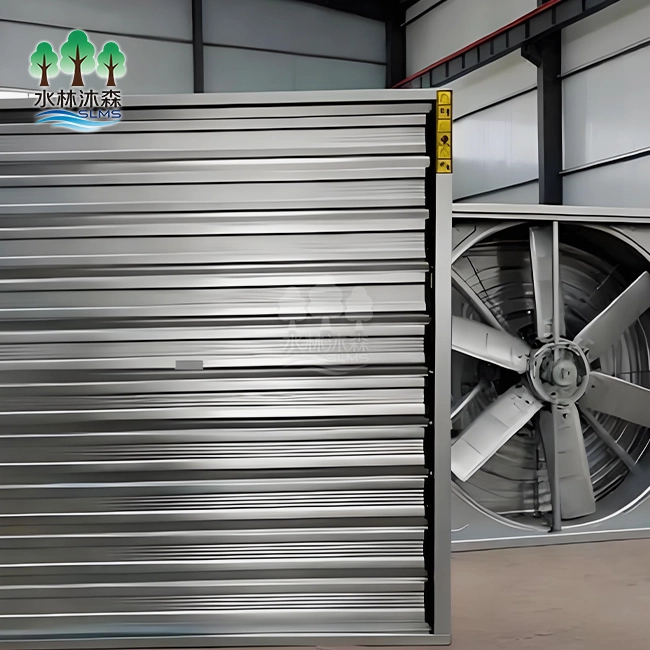
The way air flows through a house is affected by where the exhaust fans are mounted. In tube systems, the guide vanes should be set up so that air flows toward the wall at the other end. This makes sure that air flows over the whole bird area. Cross-ventilation systems need to be carefully angled so that air is pushed toward the middle of the house without making air currents that are in conflict with each other.
Accurate measurements are needed to place the vanes. The bottom edge should line up with the bottom of the hole, and the top edge should stick out at an angle of 30 to 45 degrees. This shape makes the best flight path for the longest throw distance. Mounting hardware needs to be able to adapt to the seasons so that workers can change the angles as the need for airflow changes from minimum in the winter to maximum in the summer.
Putting mounting bolts on structural parts, not just sidewall liner panels, is the first step in the installation process. Heavy-duty fixings keep things from moving when the wind blows or when the pressure drops. Filling in the gaps around the sides of the vane with closed-cell foam strips stops light from leaking in and air from getting in without being managed. This improves the performance of the system.
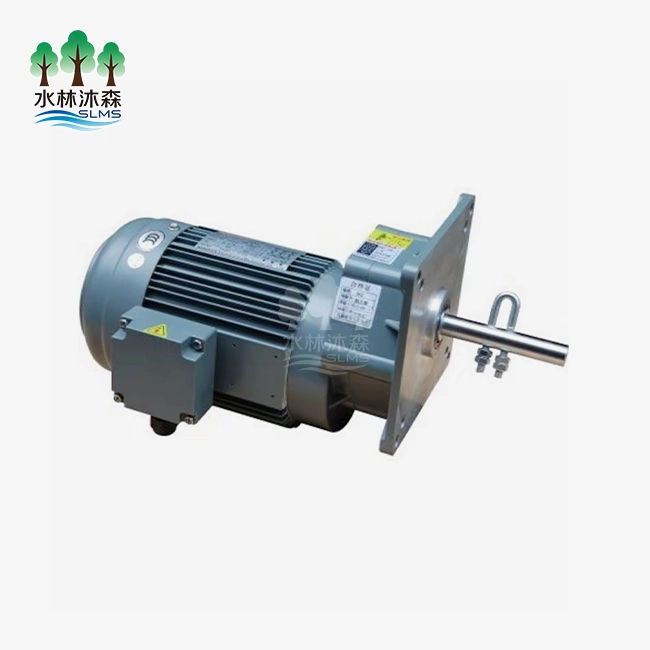
Adjustment systems range from simple links that need to be moved by hand to fully automated motors. Manual systems need constant attention from workers who have to adapt to changes in the weather. Motorized controls, on the other hand, are connected to environmental computers and keep goal conditions automatically. Adding the Chicken House Ventilation Guide Vane improves airflow directionality and system responsiveness. Electrically run systems are worth the extra cost in homes wider than 40 feet, where human adjustment takes a lot of work.
Seasonal Optimization and Maintenance Protocols
For winter use, the vane holes need to be smaller so that the input velocity is higher and the throw distance is longer. This setup keeps cold air from descending too soon while using the smallest fan possible to meet the needs for fresh air. In the summer, bigger spaces are needed to let in more air because cooling is more important than keeping the heat in.
All moving parts must be inspected every three months as part of maintenance. To keep them from joining, hinges and links that are exposed to dust and moisture need to be oiled with food-safe products. Dust that builds up on vane surfaces makes them less aerodynamic, so cleaning them with pressure between groups keeps them working at their best. By checking for damage or bending, parts can be replaced early, before they fail and make it hard to keep the environment safe during important work times.
Comparing Guide Vanes with Alternative Ventilation Systems
Before you can choose between ventilation systems, you need to know how each one solves your unique operational problems and building limitations. There is no one solution that works for all situations, so it is important to compare solutions carefully before making a purchase choice.
Performance Characteristics Across Different Systems
Standard vent fans with simple wall holes are the cheapest to install at first, but they don't give you much control over how the air moves. Negative pressure makes it easy for air to flow into any area. This makes flows that are hard to predict because they change with the wind speed and direction. It uses more energy because workers have to over-ventilate trouble spots to make sure that faraway areas get enough air flow, which wastes heat and fan capacity.
Tunnel ventilation systems are great for keeping cool in hot weather because they move large amounts of air over birds at high speeds. Performance is great in the summer, but difficult during the changing seasons. Without extra input control, the gentle air flow that is needed in the spring and fall can only be achieved by running fans at useless partial capacities or letting too little air exchange happen. The system only has two modes: full cooling mode or low air mode. This makes it less flexible in how it is used.
These problems can be fixed with guide vanes, which give negative pressure devices more precise control. They keep the energy-saving benefits of exhaust fan ventilation while getting rid of the issues with air flow that come up with simple intake designs. The cost of installation is somewhere between basic openings and fully automated tunnel systems. Depending on the size and amount of automation, each inlet site usually costs an extra $1,200 to $2,400.
Climate Suitability and Application Contexts
Installation of guide vanes is very helpful for operations in northern countries because airflow is hardest in cold weather. To keep the air quality good without freezing birds or losing heating fuel, you need exact air mixing, which is what guide vanes do. Homes in these areas get the best return on their investment because they save money on heating costs and perform better in the winter.
In the south, activities have different objectives, with a focus on preventing heat stress during long periods of heat. Guide vanes are still useful because they improve air flow during cooler months and during times when the tunnel is changing how much air is moving through it. But the cash gain might not be as big as it is in cold places, since the payback time might be three or four production cycles instead of two.
The size of the facility has a big impact on the system choice. For homes less than 30 feet wide, well-designed basic inlets are enough to move air around, so adding guide vanes is not necessary but can be a nice bonus. For buildings wider than 40 feet, artificial air movement is a must to keep the middle from becoming a dead zone. For businesses that run 60-foot-wide houses, guide vanes are essential for keeping the conditions even across the whole floor area.
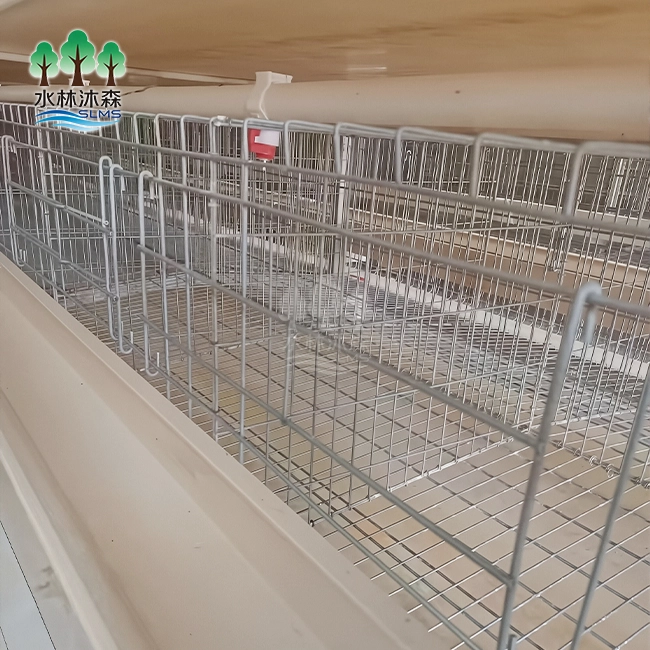
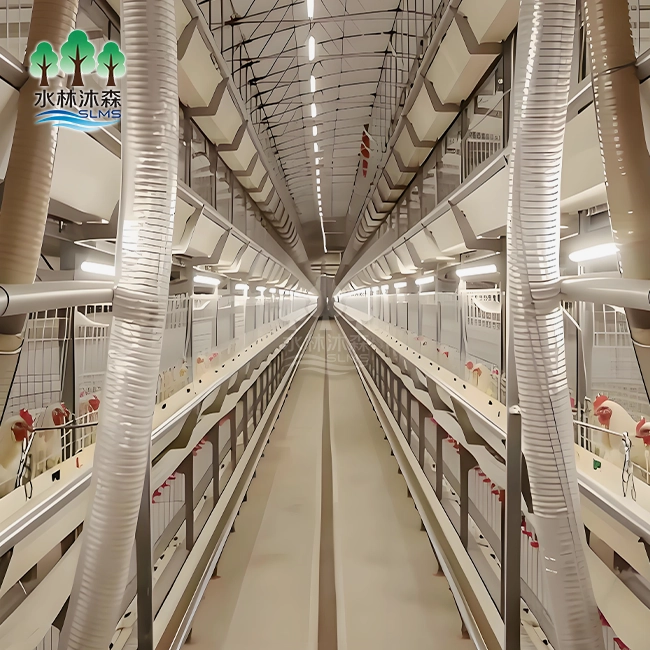
Decisions are also based on the number of birds and the output goals. When working with high-density cage layers that produce a lot of heat, they need the most air flow possible. To control both air quality and temperature, they need strong guide vane systems. When working on lower-density floors, ventilation needs are less strict, so easier methods can work well.
Procuring Guide Vanes: Buying Guide and Trusted Suppliers
To find good ventilation parts, you need to look at providers on more than just their initial price quotes. The right partner doesn't just sell goods; they also offer ongoing help that makes sure the system works well for a long time.
Evaluation Criteria for Supplier Selection
Manufacturers with a lot of experience in the poultry business know how to meet the specific needs of high-pressure washing, ammonia exposure, and ongoing operation. Weifang Shuilin Musen Aquaculture Equipment Co., Ltd. has been focusing on developing farming and cattle equipment for eight years. Their Chicken House Ventilation Guide Vane is one example of how precision engineering improves air distribution in dense housing. Each year, their five-engineer research team puts out more than three new products. This ability to innovate makes sure that users can access designs that are always getting better instead of old goods that don't change.
The ability to customize sets complete sellers apart from product vendors. Because chicken coops come in a huge range of sizes and air needs, ready-made options aren't always suitable. Long-term value is higher for suppliers who offer custom sizes, different materials, and interaction with current equipment, even if the unit costs are higher.
Having access to technical help is very important during the installation and commissioning stages. There are detailed installation guides, online consultation options, and on-site service options that can help you avoid mistakes that cost a lot of money and hurt the performance of your system. Different suppliers offer these services as extras that customers can choose to use, while others offer full help as standard. This is because they have different business plans and customer service philosophies.
Warranty and After-Sales Service Considerations
A strong guarantee shows that the company that made the product is confident in its longevity. Standard one-year coverage guards against flaws in the manufacturing process and early failures. However, the warranty's usefulness relies on how quickly service can be provided and how readily new parts are available. When suppliers keep area service centers open, they can fix problems faster—in days instead of weeks—which keeps production from stopping.
After-sales support includes more than just warranty terms. It also includes training in upkeep, upgrades for older systems, and help with growth projects. Getting to know sellers who are interested in long-term ties instead of one-time sales will help your business as it grows and changes.
Cost Structure and Purchasing Options
Material choice has a big effect on starting prices. Aluminum frame construction with polyurethane foam panels usually costs 15 to 20 percent more than basic PVC designs, but it lasts longer and works better. Stainless steel frames cost more, but they are worth it in harsh settings where rust speeds up the repair of equipment.
Standard sizes and custom manufacturing have price differences of 25 to 35 percent. However, custom designs often get rid of the need for field adjustment work, which balances out the higher cost of the materials. When you buy in bulk for multiple locations, you can usually save 10 to 15 percent and make sure that everything is the same across the whole building.
Lead times change with the seasons. For example, during the spring installation season, famous makers have backlogs that last 8 to 12 weeks. Planning to buy things in the fall and winter may help you find better deals and increase supply. Integrated installation services combine workers and tools into complete packages that make project management easier. However, repair teams with the right skills can still do their own installations.
Conclusion
When there is good air flow in a chicken house, the conditions go from difficult to ideal, which has a direct effect on all the performance metrics that decide revenue. This change is made possible by the Chicken House Ventilation Guide Vane, which directs airflow in a way that gets rid of temperature differences, lowers ammonia levels, and makes the conditions throughout your building the same. The technology adds accuracy without replacing the whole negative pressure air system. It works with systems that are already in place.
When businesses put in properly designed guide vanes, they regularly report higher feed conversion, lower mortality, and lower energy costs, which can be measured as a return on investment. If you choose high-quality parts from reputable sellers and follow best practices for installation, your ventilation upgrade will work consistently for years, helping both the birds' well-being and the production efficiency goals that are important for modern poultry operations to be successful.
FAQ
How do guide vanes compare to traditional adjustable inlets for controlling airflow patterns?
Guide vanes give you better control over direction because they actively project air over longer distances instead of just changing the volume. Normal air intakes can make air move faster or slower, but they don't let you control where the air goes once it's inside, which can lead to drafts or dead spots. Guide vanes keep throw patterns the same even when the inlet holes are different, which makes the surroundings more uniform.
Can guide vane systems be retrofitted into existing poultry houses without major structural modifications?
Installation of retrofits is easy in most buildings. Standard brackets connected to the structure's frame are used to place guide vanes to existing inlet holes. Usually, only simple hand tools are needed for the job, and it can be done between production runs. Some older homes may need to have their inlets enlarged to fit modern vane sizes, but this is still a small change and not a major rebuilding project.
What maintenance schedule keeps guide vanes performing optimally throughout the year?
Inspections of hinges, links, and motors every three months keep them from breaking down. Cleaning the blade surfaces with high-pressure water between groups gets rid of dust that builds up and makes the aerodynamics less effective. As part of regular upkeep, moving parts are oiled and seals are checked. Calibration of automatic controls once a year makes sure that they always work in a way that meets environmental management goals.
Partner with Shuilin Musen for Complete Ventilation Solutions
It takes more than just buying new tools to improve the environmental control system in your poultry plant. You need to work with a maker who knows the problems you face in running your business. Weifang Shuilin Musen Aquaculture Equipment Co., Ltd. is an expert at making air parts that are precisely designed and fit your exact needs. Our Chicken House Ventilation Guide Vane systems are made with 5 cm of insulation and frames made of aluminum alloy or stainless steel. This makes them very durable and able to last for years of constant use in harsh poultry settings.
We offer full professional support, including installation films, commissioning services on-site, and a warranty on all parts for one year. As a provider of Chicken House Ventilation Guide Vane with a lot of experience, our engineering team can come up with full solutions for businesses of all sizes, from small family farms to big industrial facilities with more than 100,000 birds. Email us at wangshuaislms@gmail.com to get a personalized evaluation, full product details, and purchasing choices that fit your price and time frame.
References
1. American Society of Agricultural and Biological Engineers. (2019). Design of Ventilation Systems for Poultry and Livestock Housing. ASABE Standards EP270.5.
2. Baughman, G.R., & Parkhurst, C.R. (2018). Poultry Housing Environmental Control: Theory and Practice for Broiler Production. University of Georgia Cooperative Extension Bulletin 1086.
3. Czarick, M., & Lacy, M.P. (2020). Inlet Air Velocity and Poultry House Ventilation Performance. Poultry Science Journal, 99(4), 2156-2168.
4. Gates, R.S., & Casey, K.D. (2017). Ammonia Emissions and Animal Agriculture: Ventilation Management Strategies. National Poultry Technology Center Technical Report.
5. Purswell, J.L., & Branton, S.L. (2021). Thermal Environment Management in Commercial Poultry Houses. Applied Engineering in Agriculture, 37(2), 301-312.
6. Vigouroux, B., & Van Caenegem, L. (2019). Precision Livestock Farming: Air Quality Control Technologies for Intensive Poultry Production Systems. European Poultry Science Association Technical Bulletin, 83, 127-145.
Learn about our latest products and discounts through SMS or email