Top Features to Look for in a High-Quality Poultry Silo Feeding System
To make your farm successful, you need to know what makes a good poultry silo feeding system when you're looking at bulk feed storage options for modern poultry businesses. These automated systems for keeping and sending feed are the backbone of efficient feeding operations. They can hold anywhere from 5 to 30 tons of feed, keep its nutritional value, and deliver exact amounts on time. If you choose the right silo system, you won't have to move feed around as often, you'll save over 40% on labor costs, and the weather-resistant building and sealed surroundings will protect the quality of the feed. With the right method, feeding your flock can go from being a time-consuming daily job to an easy, automated process that helps them do their best and makes you the most money.


Robust and Durable Construction Materials
Any feed holding system that works well is built on the materials that were used to make it. How well your investment works after 10 to 15 years of continued use is directly related to how durable it is.
Corrosion-Resistant Metal Selection
The high-zinc coating on the steel plates of a poultry silo feeding system makes them very resistant to rust and weather damage. During the galvanization process, layers of zinc are added to protect the steel below from water, changes in temperature, and chemicals in the feed. The quality of this finish determines whether a piece of equipment lasts ten years or five years and needs to be replaced. Some companies also make products out of 304 stainless steel, which is good for use in seaside areas or places with a lot of humidity where salt air speeds up rusting.
Weatherproof Protective Features
Putting a rain cap on top of each silo is the first thing that stops water from getting in. These curved covers keep rain and snow away from areas where feed is stored while still letting enough air flow through to keep condensation from building up inside the structure. It's important that the sealing around inspection ports, ladder extensions, and dumping devices keeps them dry, waterproof, and free of bugs. If the seals aren't good, rain can get in and make the feed go bad, mold grow, and mycotoxin form. All of these things are bad for the health of your group and waste your feed investment.
Structural Design for Long-Term Stability
Vertical tower configurations maximize storage capacity while minimizing the footprint required on your farm property for a poultry silo feeding system. This design makes good use of room and is especially useful when increasing output within the limits of a current facility. The supporting frame needs to spread the weight evenly across the base points and be able to handle the wind loads that are common in farming settings. Building with corrugated walls makes the structure more rigid and blocks sun heat that would otherwise warm stored feed and speed up the breakdown of nutrients.
The choices you make about the materials in these systems have a direct effect on the total cost of ownership. Using high-quality building materials lowers the number of times you have to do upkeep, stops contamination, and makes sure that your birds always get the same high-quality food throughout the system's lifetime.
Efficient and Automated Feed Delivery Mechanisms
Automation technology has changed the way feed goes from storage to feeding lines, making nutrition control for chickens much more efficient and consistent.
Feed Transport Methods and Technologies
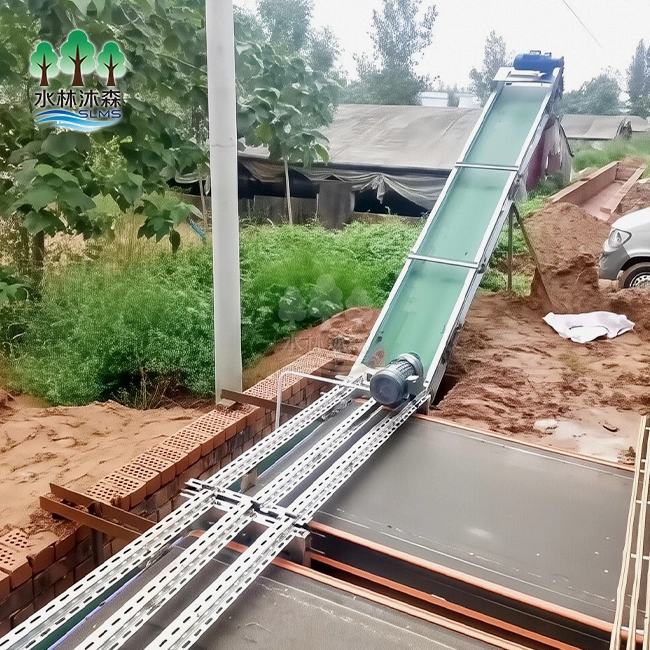
The core part that connects bulk storage to delivery lines is the integrated unloading system. Turning helix screws inside safety tubes allow mechanical auger systems to move feed both horizontally and at angles of up to 45 degrees. These spring steel core augers stay flexible while not breaking when they are used continuously. The machine moves between 1,000 and 3,000 kilograms per hour, based on the size of the auger and the motor. Installing vibrators at key places stops feed bridging, which happens when feed forms arches inside the silo that stop flow. This keeps the flow steady through the distribution network.
Labor Reduction Through Automation
For manual feeding to work, several workers must spend hours every day delivering food to different living places. With automated transport, this time-consuming task is no longer needed at all. Level sensors constantly check the amount of feed in the bin and let you know when it needs to be refilled, so you don't have to keep checking it yourself. This feature for tracking works with feeding plans that give out exact amounts at set times, making sure birds get enough food without any help from a person. Operations say that worker costs have dropped by more than 40% since automatic feeding was put in place instead of the old manual ways.
Energy Efficiency and Operational Costs
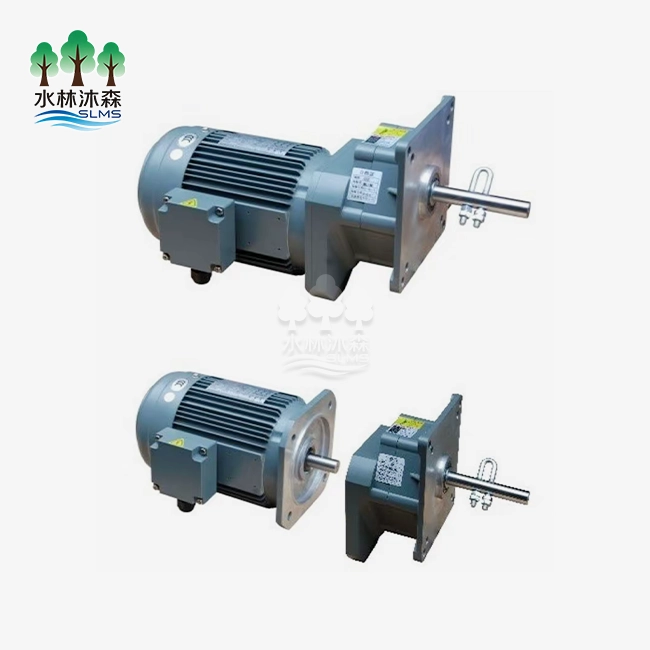
Modern drive motors in a poultry silo feeding system are made in ways that use less energy, so they use less power during feed transport cycles. The vertical storage arrangement cuts down on the distance the feed has to move across the horizontal plane, which means less energy is needed for distribution. Systems designed with the right auger pitch and tube width lower friction and mechanical resistance, which lets motors work at lower speeds while keeping output the same. These improvements in engineering have led to measurable drops in power costs over the course of a year's worth of feeding rounds.
The benefits of speed go beyond just saving money right away. Automated feeding that is set up to happen on a regular plan helps feed conversion rates because birds get food at times that are best for their growth stages. This precise control of diet directly leads to better flock performance and higher profits across all production cycles.
Flexible Capacity Options Tailored to Farm Size
One of the most important things to look at when choosing feed silo tools is its storage ability. It can hold anywhere from 5 to 30 tons, so it can be used by small family farms to big commercial production centers.
Matching Storage to Production Scale
A 5-ton capacity is good for businesses with 10,000 to 20,000 birds, as it can store food for three to five days, based on the age of the flock and how fast it eats. Medium-sized businesses with 30,000 to 50,000 birds can benefit from 10-15 ton systems that cut down on shipping times to once a week. Large business farms with more than 100,000 birds need 20–30 tons of capacity to keep enough backup stocks on hand and get good bulk prices from feed mills. The right amount of storage space stops both wasteful overstocking that can lead to food going bad and not having enough space that requires frequent emergency deliveries.
Modular Design for Future Expansion
Good makers let you change things about their poultry silo feeding system so that they work with your current business while also being able to grow with it in the future. The vertical structure design doesn't take up much floor room, so it's easy to add more stacks as production grows. This modular method saves your initial investment because you won't have to buy new equipment that's too small when you need to grow your business. Multiple silos also make it possible to store different types of feed for different flock sizes or kinds of production in the same building.
Inventory Management Benefits
Choosing the right volume size helps you keep track of your goods and lowers the cost of buying feed. When you have more storage space, you can buy feed when the market is doing well and make sure you have enough for times when prices are fluctuating. This extra capacity also saves businesses from problems in the supply chain caused by bad weather, transportation issues, or delays in mill production. Being able to keep enough feed on hand for one to two weeks gives operations security, which directly leads to steady production performance.
Comprehensive Maintenance and Troubleshooting Features
Even the most durable automated equipment needs to be serviced regularly to keep working at its best for as long as it's possible. How well you can handle regular maintenance and unexpected problems depends on the accessibility features and manufacturer help.
Maintenance Access and Component Design
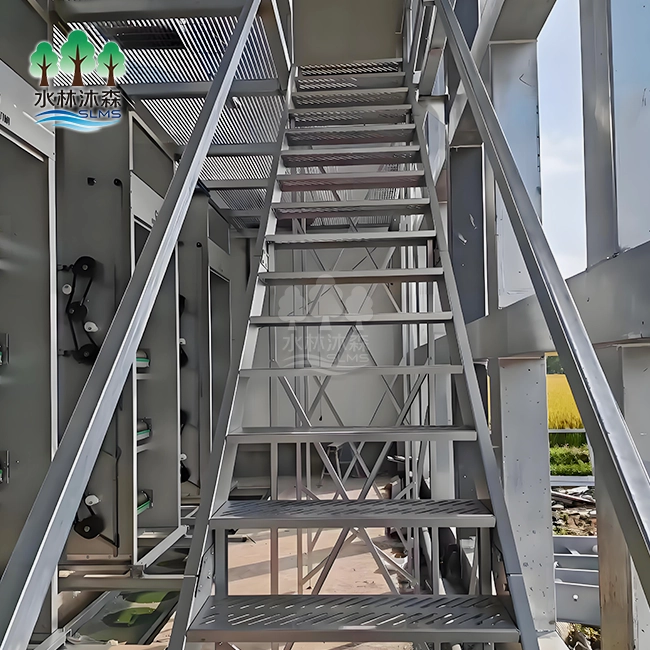
Inspection ports placed in key places let you see the feed amounts and conditions inside the silo without having to empty it or take it apart. Ladder systems with safety nets make it safe to get to higher inspection points and parts that are placed on the roof. Key parts like auger sections, motor units, and sensor housings should be easy to take apart thanks to the way the equipment is designed. This makes maintenance faster and easier, since farm workers can do regular maintenance without having to hire outside help or special tools.
Common Issues and Preventive Measures
Feed bridging in a poultry silo feeding system happens when particles in the feed cause jams in the hopper section, stopping the flow to the distribution lines. When hoppers are properly angled at 60 degrees or higher and mechanical vibrators are used, bridging incidents are greatly reduced. Dust buildup or shifting tuning can cause sensors to stop working properly, so they need to be cleaned and checked against real feed levels on a regular basis. According to the manufacturer's instructions, motor parts need to have their belt tightness checked and their bearings oiled. By learning about these common problems, you can set up routine inspections that catch problems early, before they stop production.
Technical Support and Service Offerings
When manufacturers offer full technical help, their products are worth a lot more than the price of the tools itself. Installation movies and technical instructions help your team learn how to use the software correctly and fix basic problems. On-site installation service makes sure that the setup is done correctly at the start, which stops problems that can happen from bad assembly. A free guarantee for one year shows that the company that made the product is confident in its quality and protects your investment during the important first few months of use. Having quick access to technical support helps figure out complicated problems quickly, reducing downtime that affects group performance and throws off feeding plans.
Maintenance issues aren't always taken into account enough when choosing tools, but they have a big effect on long-term happiness and total ownership costs. Choosing systems that are easy to service and are backed by prompt makers protects the continuation of operations.
Advanced Control Systems and Integration Capabilities
Feed storage has changed from inactive containers to active management tools in precision livestock operations with the help of clever tracking and control technology.
Intelligent Monitoring Features
Level sensors give constant real-time information on how much feed is still in storage, so scheduling refills is no longer based on guessing. These sensors send data to control screens or management software, which shows the state of the product and estimates when it will run out based on how it is used. Weighing systems built into the frame of the silo allow for exact measurements that help with feed accounting and cost tracking. This clear data lets you make decisions ahead of time instead of reacting to empty bins or sudden feed shortages.
Remote Operation and Management
More advanced systems have remote tracking features that can be accessed through computer screens or mobile apps. Because of this connection, farm managers can check feed amounts, change when feed is distributed, and get alerts from anywhere, not just at the silo sites. Remote operation is especially useful for businesses that have more than one location or when bad weather makes it hard to get to the facilities. The ability to change food plans from afar makes it possible to make quick changes in response to changes in the flock's health or nutritional needs.
Data Analytics for Optimization
Monitoring tools keep detailed records of how much feed is used, which show trends in how feed is used across seasons, flock ages, and production stages. This past data helps with more accurate feed ordering, finds ways to make things run more smoothly, and keeps track of how well feed conversions are doing. When feeding data is integrated with full farm management tools, it is combined with records of growth rates, deaths, and environmental factors to give producers a full picture of production. These analytics tools turn raw practical data into information that can be used to make production more efficient all the time.
Modern silo feeding tools can integrate technology in a way that fits with Industry 4.0 trends that are changing how farming is done. When farms use these smart systems, they get a competitive edge because they are more efficient, spend less, and use data-driven management.
Conclusion
To find the best way to store and send feed, you need to carefully consider the quality of the building, the ability to automate, the capacity, the maintenance needs, the control technology, and the credentials of the provider when selecting a poultry silo feeding system. High-quality systems made from materials that won't rust and properly sealed keep the feed's freshness while giving your flocks steady nutrition. Automated transport systems cut down on labor costs and improve the accuracy of feeds, which directly boosts production efficiency and profits.
Choosing the right volume size for your operations gives you the freedom to change your goods and allows for future growth. Maintenance features that are easy to access and quick technical support help keep downtime to a minimum and extend the life of equipment. Modern technology for tracking and controlling turns feed management into a data-driven process that helps improve operations all the time. Working with well-known makers that offer full customization and help after the sale will make sure that your investment keeps giving you value for a long time.
FAQ
Q1: What capacity silo should I choose for my farm size?
A: Facilities that house 10,000 to 20,000 birds usually need 5 to 10 tons of space, which is enough for three to five days of storage. 10-15 ton devices that allow weekly supplies are helpful for farms with 30,000 to 50,000 birds. For operational security and enough buffer stocks, large commercial operations with more than 100,000 birds need 20–30 ton capability.
Q2: How does galvanized steel construction prevent feed contamination?
A: A high-zinc layer makes a shield that keeps metals from getting into stored feed and rusting it. The rain caps and waterproof and moisture-proof sealing keep out outside sources of infection like bugs, mice, and mold spores. This sealed area keeps the feed's nutrient makeup fixed during holding times.
Q3: What maintenance does a silo feeding system require?
A: As part of regular tasks, you should check the integrity of the seals and gaskets, clean the level sensors to get accurate readings, make sure the vibrator works properly to avoid bridging, and make sure the motor works and the belt is tight. Most systems need to be checked by a professional every six months, and worn-out parts need to be replaced as needed.
Q4: Can the system accommodate different feed formulations?
A: Quality systems can handle different types of mash, chunks, and pellets because the hopper angles and flow controls can be changed. Multiple silos let different formulas for different flock groups be stored at the same time. With customization choices, systems can be made to work best with the feed conditions that are common to your business.
Partner with Shuilin Musen for Your Feed Storage Solution
Weifang Shuilin Musen Aquaculture Equipment Co., Ltd. has been making specialized manufacturing equipment for eight years and offers bulk feed storing and delivery systems that have been tried and tested. Our group of five professional engineers has come up with complete answers that solve the problems that chicken farmers all over the United States are having with their operations. We make systems with capacities from 5 to 30 tons out of high-zinc-coated steel plates that are meant to last 10 to 15 years.
Each poultry silo feeding system comes with built-in dumping systems, level sensors, rain caps, vibrators, and weighing systems that can be set up to meet the needs of your facility. We protect your investment with a one-year free warranty, training videos, expert help documents, and on-site installation service. Get in touch with us at wangshuaislms@gmail.com to talk to our expert team about your specific needs and find out why top farms choose Shuilin Musen as their chosen provider of poultry silo feeding systems.
References
1. Johnson, M.R., & Peters, D.K. (2021). Automated Feeding Systems in Commercial Poultry Production: Design Principles and Operational Efficiency. Agricultural Engineering Press.
2. Williams, S.T. (2020). Feed Storage Infrastructure for Large-Scale Livestock Operations. Journal of Applied Animal Husbandry, 15(3), 112-129.
3. Thompson, R.L., Chen, Y., & Martinez, A.J. (2022). Corrosion Protection in Agricultural Equipment: Material Selection and Surface Treatment Technologies. Industrial Agriculture Quarterly, 28(2), 67-84.
4. National Poultry Council (2021). Best Management Practices for Feed Handling and Storage in Commercial Poultry Facilities. NPC Technical Guidelines Series.
5. Anderson, K.M. (2019). Precision Livestock Farming: Integration of Automation Technology in Feed Management Systems. International Journal of Agricultural Innovation, 12(4), 201-218.
6. Bradford, H.W., & Sullivan, P.G. (2023). Economic Analysis of Automated versus Manual Feeding Systems in Broiler Production. Poultry Economics Review, 19(1), 45-62.
Learn about our latest products and discounts through SMS or email