Reviews of Air Diversion Panels Suited for Breeding House Climate Control
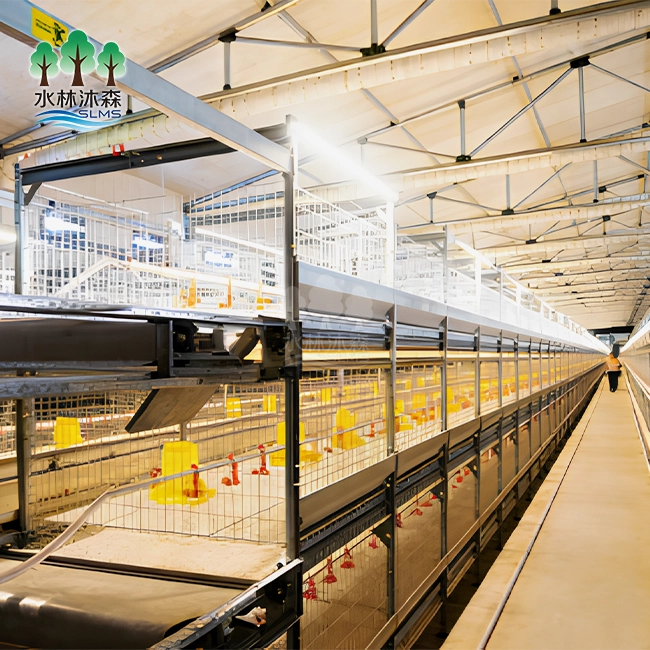
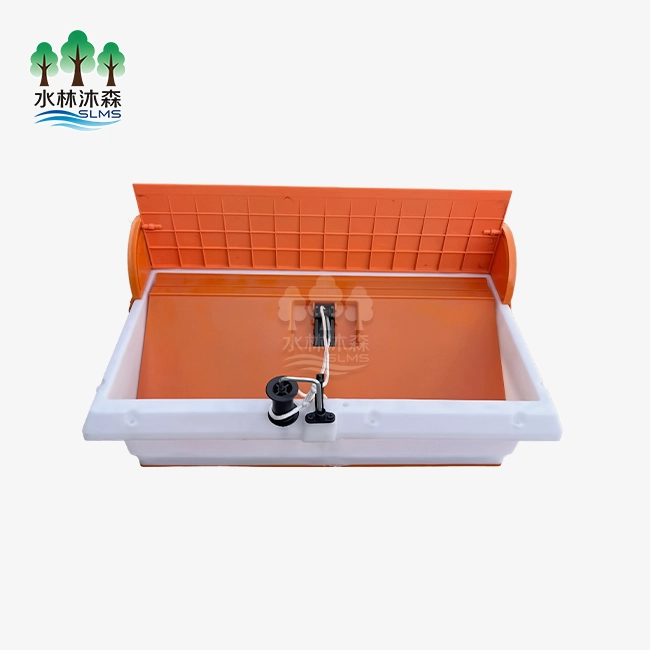
Climate control is one of the most important things that managers of big chicken or livestock companies need to do well. Breeding House Air Diversion Panels are a type of ventilation system that is meant to improve the flow of air in breeding facilities. This stops the damaging "cold drop" effect, which happens when cold air directly touches birds or animals. A good Breeding House Air Diversion Panel sends fresh air along the roof lines, where it mixes with warm stratified air before it reaches the animal area. This keeps the temperature even and gets rid of drafts that are bad for animal health and production efficiency.


Understanding Air Diversion Panels for Breeding Houses
Core Functions in Modern Ventilation Systems
Air redirection screens are placed at entry points to breeding sites to act as aerodynamic baffles. Based on static pressure differences made by exhaust fans, these parts change the speed, direction, and throw distance of air coming in. When there isn't enough air flow, which is especially important during gloomy stages, these panels speed up the air coming in to speeds close to 800 to 1000 feet per minute. This speeding up lets the temperature of the surrounding air mix properly before going down to the animal zones.
The Coanda Effect, in which air naturally sticks to objects next to it, is the idea behind successful diversion. When panels are at the right angle, they take advantage of this effect by directing cold air streams horizontally along roof surfaces instead of letting them fall straight down. This reversal, which seems simple, solves big problems with thermal stress in chicken farms, where changes in temperature have a direct effect on feed conversion rates and respiratory health.
Design Variations and Material Considerations
Modern distraction devices can be set up in a number of different ways. Fixed-angle screens let air flow in a steady pattern, making them good for places that need constant ventilation. Adjustable types have actuators that change the angles of the panels on the fly in response to changes in the static pressure that are picked up by climate control systems in real time. This ability to change is especially useful when activities that involve more than one stage of output in the same structure.
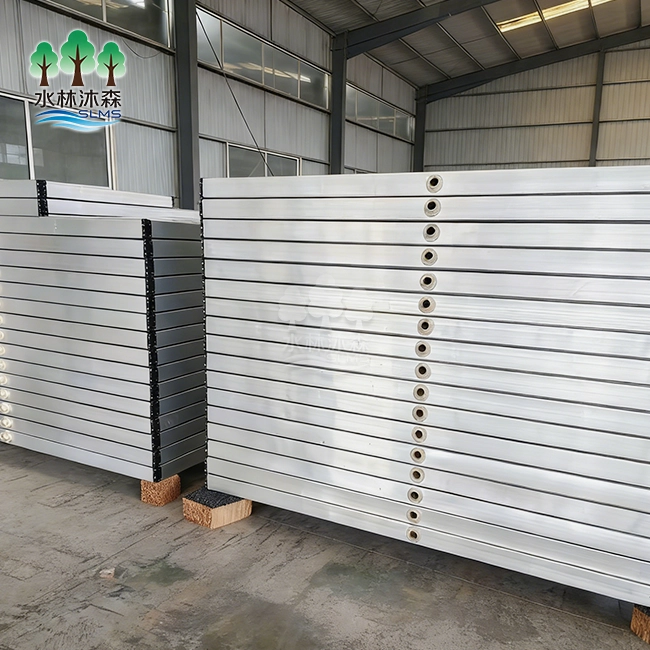
The choice of material affects both how long something works and how much it costs to run. Traditional metal designs are strong, but they also conduct heat, which could cause problems with condensation in cold weather. Modern composite panels with high-density polyurethane cores and chemically resistant PVC covers keep heat in better and can handle the ammonia-filled conditions that are common in large animal farms. The 5 cm thick panels we make are the best combination of thermal performance and structural stability. They have R-values above 10 to keep the surface from condensation while still being easy to handle.
Integration with Negative Pressure Systems
Air redirection screens never work by themselves. They make up one part of complete designs for negative pressure venting. Exhaust fans create a controlled vacuum, which pulls in fresh air through exactly sized openings. Flow features are managed by Breeding House Air Diversion Panels. The general efficiency of the system depends on how well the fan capacity, inlet size, and panel adjustment work together. Understanding how these two things work together helps buying teams see that the panels they choose need to work with the air systems that are already in place, rather than being used on their own.
Performance and Benefits of Top-Rated Air Diversion Panels
Ventilation Efficiency and Measurable Outcomes
Operational data from business sites shows benefits that can be measured. When it's cold outside, facilities that use properly defined drainage systems say their heating costs drop by about 15%. This savings comes from better heat retention—systems with mixed air need less extra heating than those where cold air falls directly on floors, causing heating systems to make up for temperature differences in certain areas.
Measurements of air quality show that it is getting better. At the animal level, ammonia levels go down when litter materials don't get wet because air flows through them regularly. Less ammonia exposure is linked to fewer respiratory diseases. This is especially important in high-density broiler farms where respiratory problems have a direct effect on death rates and processing weights. One chicken farm in the southeastern U.S. saw a 12% increase in feed conversion efficiency after adding modern Breeding House Air Diversion Panels to older barns. They said the gains were due to less temperature stress and better air quality.
Comparative Advantages Over Traditional Methods
In the past, airflow was done with simple louvers or curtain inlets. These systems didn't give you much control over the direction of the air, so drafty areas often formed where animals were exposed to high temperatures. Because traditional louvers don't insulate against heat loss, they become heat leaks during the winter. Thin metal or plastic louvers bend when they are exposed to water and chemical cleaners over and over again because of their weak structures.
These worries about durability are taken care of by the aluminum alloy or stainless steel frame design we use. The frames don't rust when disinfectants like glutaraldehyde and quaternary ammonium chemicals are used to clean the building. Even though it's built to last, the design is lightweight, which makes installation and yearly changes easy without the need for heavy tools. Facilities say that panels keep their precise adjustments even after years of constant use, which is very different from older systems that break down or seize up.
Maintenance Requirements and Longevity Factors
Effective repair procedures keep performance traits while extending the operating life of the panel. The sealed design of high-quality panels keeps dust from building up, which can affect the accuracy of airflow in options with open structures. Inspections of mounting tools are done every three months as part of routine maintenance, and high-pressure washing is done once a year during building turnover times. Our PVC skin design is resistant to chemicals and can survive washing at up to 1500 PSI without delaminating, which can happen with cheaper bonded goods.
Skin-to-core separation, warping under static pressure loads, and seal decline letting unchecked air entry are all common ways that substandard panels fail. As part of our quality control for production, we test for pull-off adhesion and displacement under virtual pressure. Panels age faster in ammonia chambers, which makes sure that the materials still have the same level of structural stability after ten years of field contact. This thorough testing means that buying teams can confidently describe equipment, knowing that it will work the same way for as long as it was designed to.
How to Choose the Best Air Diversion Panel for Your Breeding House?
Critical Specification Criteria
Airflow capacity matching is the most important part of making the right choice. Breeding House Air Diversion Panels need to be able to handle the minimum ventilation program's cubic feet per minute (CFM) needs while keeping goal intake speeds. When screens are too small, they cause too much static pressure, which makes fans work harder and use more energy. Oversized screens don't speed up the air as fast as they need to, which defeats the goal of thermal mixing. Because we offer customizable length and width measurements, you can get the perfect fit for your building's air intakes and circulation needs.
Total cost of ownership is directly linked to how durable the material is. Equipment in breeding settings is exposed to high and low temperatures, chemical cleaners, and constant wetness. When panels are made from materials that don't bend or break down easily, they don't need to be replaced as often. Our goods have high-density cores that stay stiff and don't bend, even when exposed to 40–50 Pascal static pressure differentials that are common in well-designed negative pressure systems for long periods of time.
Energy Efficiency and Lifecycle Economics
To find a product's real value, you have to look at its operational costs in addition to its initial buy price. Using a lot of energy is a big ongoing cost for climate-controlled cattle farms. Breeding House Air Diversion Panels that have tight seals when they are closed stop air from leaking in, which makes heating systems work harder to keep up with the extra cold air. Our double-fin EPDM gasket design makes airtight seals that have been checked for light leaks and smoke.
The light weight cuts down on the energy needed by actuators in automatic systems. Panels respond to changes in actuators by as little as 1-2 degrees, which allows precise modulation to match changing static pressure needs as fan stages cycle. This sensitivity lets climate controllers keep the best inlet speeds over a wider range of operating ranges. This cuts down on the wasted energy that comes with control systems that aren't exact. When compared to manually adjusting curtains, labor costs drop by more than 40%. This saves more money and frees up farm workers to do more valuable management tasks instead of boring weather tracking tasks.
Leveraging Expert Reviews and User Feedback
Real-world success data can help with procurement choices. Case studies from similar businesses can teach you more than just what the maker says. A turkey farm in the Midwest that took care of 50,000 birds per house said that adding modern Breeding House Air Diversion Panels to five barns got rid of cold spots that used to kill birds in certain areas during extreme weather. When lower heating costs and better output measures were taken into account, the business estimated payback periods of less than 18 months.
When reviewing suppliers, look at more than just their product catalogs to see how they handle expert help. We offer complete installation videos that show the right way to place things and connect them to current control systems. On-site installation services make sure that everything works perfectly from the start, so there is no need for trial-and-error changes that can hurt animals while they are learning. This technical help lasts for the whole lifecycle of the equipment. Engineers are on hand to fix operating problems or give advice on how to change the system as production goals change.
Installation Guide and Practical Considerations
Site Preparation and Mounting Procedures
Accurate measurements of the current inlet openings are the first step to a successful fitting. Breeding House Air Diversion Panels must fit perfectly inside holes so that they shut properly when they are closed. Our ability to customize lets us work with non-standard measurements that are common in retrofit uses, getting rid of gaps that hurt performance. As part of mounting frame preparation, the structural stability of the wall materials around the frame must be checked. Panels connect to solid framing, not thin sheet materials that bend when pressure is applied.
The order of installations affects how well operations go. When mounting panels, there should be enough space around them so that they can move freely through their full range of adjustments. When placing an actuator, you need to think about how easy it will be to repair or replace it in the future. When possible, we suggest putting actuators in well-ventilated areas to keep sensitive electronic parts from being exposed to high or low temperatures. When routing cables, they shouldn't go around sharp turns or pinch points that could damage the wires over time as the panels move and change.
Integration with Automation Systems
Modern breeding sites use centralized temperature control systems that keep an eye on a lot of different environmental factors. Our Breeding House Air Diversion Panels work perfectly with normal linear actuators that are managed by well-known climate controller brands. The control software keeps an eye on the readings from the static pressure sensors. When the exhaust fan stages turn on and the pressure rises, the controller opens panels in a way that keeps the target input velocity. This automatic reaction gets rid of the errors and work that come with systems that need to be adjusted by hand.
During approval, calibration sets up the link between where the panels are placed and how the air flows as a result. Controllers keep calibration data that connects the position of the actuator to the recorded speed of the opening at different amounts of static pressure. This information lets us make predictions about what will happen, like opening panels a little before the fan stage changes to avoid pressure spikes that damage equipment and make animals uncomfortable when airflow changes quickly. When panels are properly calibrated, they go from being inactive parts to being actively managed parts of larger environmental control schemes.
Warranty and Logistics Considerations
Buying equipment requires more planning than just choosing the right product. Shipping arrangements for large orders of Breeding House Air Diversion Panels need to be planned out in advance to keep freight costs as low as possible and delivery times that work with building schedules. Because we have experience distributing farm tools, we can work well with freight companies who know how to meet the needs of farms. When facilities buy more than one type of equipment, we can combine their packages, which lowers their overall transportation costs.
Our one-year warranty protects you against problems with the way the product was made and makes it clear what kind of service you can expect. The warranty terms list the parts that are protected and how to handle problems in the field. This openness helps buying teams get a good idea of the total risk of a project. Longer service agreements are available for businesses that want to plan their repair budgets more accurately or don't have the technical know-how to do regular maintenance on their own. These deals include regular checks and quick responses to operational problems, which lowers the chances of downtime that could hurt animal health and production.
Leading Brands and Suppliers of Breeding House Air Diversion Panels
Evaluating Manufacturer Credentials
Comparing product specs is only one part of choosing a supplier. Experience making things for farming uses shows that you know how to deal with the unique environmental problems that livestock sites bring up. Weifang Shuilin Musen Aquaculture Equipment Co., Ltd. has been working on improving livestock and farming equipment for eight years. Our engineering team of five experts is always improving Breeding House Air Diversion Panel designs based on data from the field and changing needs in the industry. This dedication leads to the creation of more than three new products every year, making sure that our products are in line with the latest industry standards.
Quality approvals give industrial standards an objective seal of approval. Production centers that use ISO quality control systems show that they are dedicated to consistently producing goods that meet certain standards. Material sourcing transparency helps make sure that parts match what the specifications say they are. For example, building with high-strength galvanized steel and 304 stainless steel needs supply chain integrity to make sure that real materials are used instead of substitutes that lower durability. Our quality control procedures include checking the arriving materials, inspecting the work in progress, and testing the finished product before allowing it to be shipped.
Service Infrastructure and Technical Support
Support after the buy has a big effect on how much the equipment is worth. Installation teams can avoid common mistakes that hurt performance by using a wide range of technology tools. We give you full installation instructions along with video demos that show you how to mount, seal, and connect to control systems correctly. This multi-format method works for a variety of learning styles and cuts down on startup mistakes that could void the guarantee or make the system less useful.
On-site installation services give businesses extra peace of mind when they don't have enough skilled expert staff. Our service teams go to the sites of our customers and do the full installation, which includes connecting the actuators, integrating the controllers, and calibrating the system. This turnkey method gets rid of communication problems that happen when general builders don't have the right ventilation knowledge. As part of the service, operators are trained to make sure that farm staff understand how to make adjustments, do regular upkeep, and fix common operating problems.
Industry Trends and Future Developments
As time goes on, the markets for agricultural tools keep moving toward more technology and data integration. New Breeding House Air Diversion Panel designs include position monitors that send closed-loop input to climate controls to make sure that the changes that are asked for actually happen. This confirmation lets you find mechanical binding or actuator problems early, before they mess up the control of the surroundings. When environmental data is linked to output measures through integration with farm management software, it's possible to find optimization opportunities that would not be visible in separate data streams.
New developments in material science offer better performance and longevity. Antimicrobial coats are being studied because biofilms of bacteria build up on panel surfaces. This could lower the risk of disease spread in high-volume production systems. Nanotechnology surface treatments are being worked on to make things that clean themselves, which will cut down on upkeep work while keeping the best airflow. By keeping up with these changes, forward-thinking businesses can make improvements as they become economically viable. This helps them stay ahead of the competition in markets that are becoming more focused on efficiency.
Conclusion
Choosing the right Breeding House Air Diversion Panels is an investment in the success of your livestock operation. Good temperature control has a direct effect on the health of animals, the economy of feed, and the costs of running the business. Quality panels that control airflow precisely create measured value by lowering heating costs, improving output metrics, and making equipment last longer. When weighing original costs against lifecycle value, the best purchasing choices are made when durability, automation compatibility, and maker support infrastructure are all taken into account. This article gives a thorough review method that breeding operation managers and procurement teams can use to confidently choose products that meet the needs of the facility and help the business reach its long-term goals.
FAQ
What factors most significantly impact panel performance?
Three main things determine how well a Breeding House Air Diversion Panel works. Thermal insulation stops condensation from forming, which drips on animals, and stops heat loss through holes that let air in. Our 5 cm standard for insulation thickness gives great thermal protection and keeps the inside surface temperatures above the dew point limits. How well panels guide airflow along planned lines is based on their aerodynamic shape.
How do adjustable panels compare with fixed installations for energy savings?
When working conditions change, adjustable Breeding House Air Diversion Panels use less energy than fixed panels. Fixed panels work best in small working areas, but they lose efficiency when conditions aren't exactly as planned. Automatically changeable systems keep the best input speeds as the fan stages cycle, making sure that the airflow matches the ventilation needs instead of over-ventilating when the system is only partially loaded.
What inspection intervals sustain long-term operational effectiveness?
Visual checks every three months find new problems before they get worse and cause performance issues. Check to see if the fixing hardware is loose because of vibrations or the building moving. Check the seals for damage or stress set that could let air in. Check to see that the Breeding House Air Diversion Panels can move all the way through their full range without getting stuck or having too much resistance.
Partner with a Trusted Air Diversion Panel Manufacturer
Weifang Shuilin Musen Aquaculture Equipment Co., Ltd. is ready to provide climate control options that are exactly what your breeding business needs. Our highly skilled engineers create Breeding House Air Diversion Panels that can be changed to fit the exact measurements and air needs of each building. High-quality construction with frames made of corrosion-resistant aluminum alloy or stainless steel guarantees years of solid service, even in harsh farming settings. We offer full support from the first meeting to the installation on-site, along with detailed technical paperwork and quick customer service after the sale. Email us at wangshuaislms@gmail.com to talk about your particular air problems and get specific product suggestions. You can look at all of our farming equipment at slms-equipment.com and ask for detailed details about our Breeding House Air Diversion Panel systems.
References
1. Blass, M., & Thompson, R. (2019). Advanced Ventilation Systems for Modern Poultry Production. Agricultural Engineering Press.
2. Davidson, L. (2020). Climate Control Technologies in Intensive Livestock Facilities. Journal of Agricultural Mechanization, 45(3), 187-203.
3. Harrison, P., & Chen, W. (2021). Energy Efficiency in Controlled Environment Agriculture. Sustainable Farming Institute.
4. Mitchell, S. (2018). Aerodynamics of Air Distribution in Animal Housing Structures. Biosystems Engineering Quarterly, 32(2), 112-128.
5. Reynolds, K., & Garcia, M. (2022). Equipment Selection Guide for Commercial Poultry Operations. National Poultry Technology Council.
6. Zhang, Y., & Peterson, J. (2020). Thermal Performance Analysis of Insulated Ventilation Components. Applied Agricultural Research, 28(4), 301-316.
Learn about our latest products and discounts through SMS or email