How to upgrade existing broiler cages for better disease prevention?
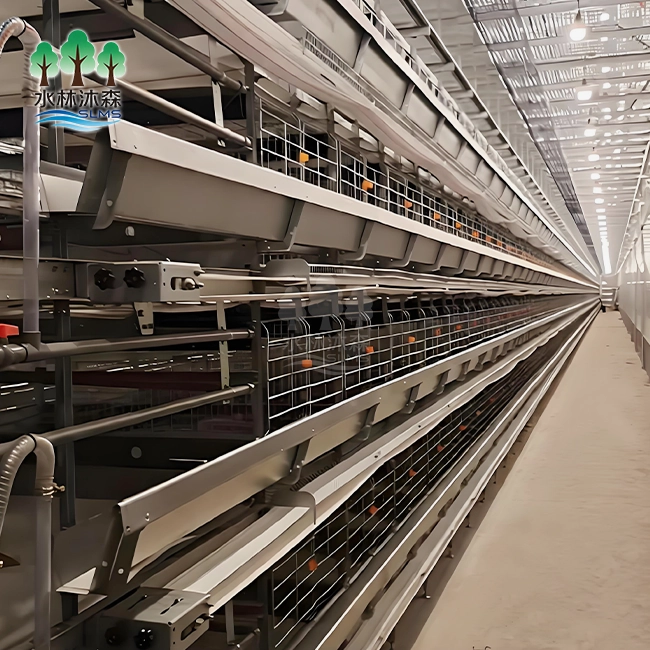
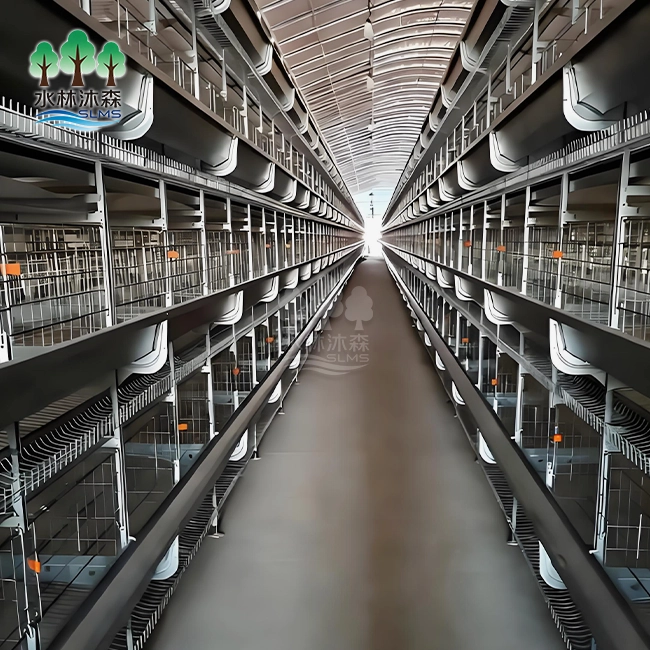
A complete Four-Stage Broiler Housing Cage system that handles important biosecurity issues through advanced structural design, automated management systems, and improved environmental controls must be implemented in order to upgrade current broiler cages for better disease protection. This multi-tiered method lowers the risk of pathogens spreading by a large amount while also making operations run more smoothly and raising standards for bird care. The four-stage design better separates the different stages of growth, preventing cross-contamination between age groups and making the best conditions for healthy broiler development from day-old chicks to market weight.
Keeping diseases away is still the most important thing for good broiler farming, as it has a direct effect on both the health of the group and the farm's bottom line. Biosecurity issues that come up with modern industrial farming often make it hard for traditional broiler house systems to work. The new Four-Stage Broiler Housing Cage system is a revolutionary idea that is meant to improve disease control through better structure engineering, better ventilation systems, and careful consideration of animal comfort.
Modern chicken farms are under more and more pressure to meet higher hygiene standards while also making the most of their resources. Through the use of modern four-tier cage systems, farms can better control diseases, handle growth, and run their businesses more efficiently. In the highly competitive global chicken market, where disease outbreaks can ruin profits and business continuity, these factors are what make the difference.


Understanding Disease Risks in Traditional Broiler Cages
Identifying Vulnerability Points in Conventional Systems
There are many ways for diseases to spread in traditional broiler cage systems, which hurts the health of the flock and the farm's ability to make money. Pathogens can grow in stale air areas that aren't properly vented, and birds' immune systems get weaker when they don't have enough room to move around. Higher rates of illness and death are caused by these basic design flaws, which have a direct effect on business results.
Conventional living systems often don't have good ways to handle waste, so manure builds up and becomes a home for germs and parasites that are dangerous. Poorly distributed airflow causes changes in temperature that stress birds and make it easier for lung diseases to spread. Without proper tier separation, diseases can quickly spread through whole groups since there are no boundaries to control.
Economic Impact of Inadequate Disease Control
Poor disease control has financial effects that go beyond the direct costs of care. These include lower feed conversion rates, slower growth, and more deaths. Disease-related deaths are usually 15–20 percent higher on farms that use old cage systems than on farms that use newer systems. Over many production cycles, these loses add up and have a big effect on long-term profits and the ability to keep running the business.
Regulatory compliance requirements are always changing, calling for higher protection standards and better conditions for animal care. If farms don't update their living systems, they could face fines, limited access to markets, and damage to their image, all of which could hurt their long-term ability to stay in business. The fact that people want better chicken products makes it even more important to take thorough steps to stop diseases.
Principles of Upgrading to Four-Stage Broiler Housing Cages for Enhanced Disease Prevention
Biosecurity-Centric Design Philosophy
The Four-Stage Broiler Housing Cage system includes biosecurity principles that divide the raising process into controlled parts that are in line with the natural growth cycles of birds and their physiological needs. The use of long-lasting, easy-to-clean materials that can handle the rough conditions of chicken houses makes this modular method better for managing hygiene and animal care. Each tier works on its own, but they are all still perfectly connected so that the farm can be managed efficiently.
Advanced ventilation engineering improves air quality and controls wetness better, which lowers the amount of pathogens and bird stress factors by a large amount. The system keeps the environment in great shape by controlling temperature and wind in a way that gets a stocking density of 50 kg/m³. This balanced method makes sure that the most room is used without hurting the health or growth of the birds.
Material Innovation and Structural Integrity
The high-quality Q235 steel structure and hot-dip galvanization make it very resistant to rust, so it will last for 15 years or more, even in harsh ammonia settings. The galvanizing steel skeleton keeps its shape even when it's under a lot of weight, and it doesn't break down when it's exposed to water and cleaning chemicals all the time. This long-lasting quality lowers long-term upkeep costs and makes sure that the system works the same way for as long as it is used.
The new H-type four-layer framework design makes the best use of vertical room and makes maintenance and tracking tasks easy to get to. Automated manure disposal systems keep trash from piling up, which gets rid of major ways that diseases are spread. Integrated food and watering systems keep people and birds from coming into touch with each other, which lowers the risk of contamination and improves hygiene standards generally.
Step-by-Step Guide to Upgrading Existing Broiler Cages
Infrastructure Assessment and Planning
To successfully update a cage, you must first do a full assessment of the current infrastructure, paying special attention to the structure's strength, the electricity systems, and the ability to control the environment. A professional evaluation finds any possible flaws that could affect the setup and use of a four-stage system. This review process figures out what needs to be fixed and helps the change plan work best with the least amount of downtime.
As part of good planning, you should look at the current lighting, air, and trash management systems to find ways to make them better. During the evaluation process, standard performance metrics are set up that will be used to measure how well the upgrade worked. A lot of planning goes into making sure that new systems work well with old ones and get the most out of their better disease protection features.
Implementation Strategies for Minimal Disruption
When upgrading a Four-stage Broiler Housing Cage, it is important to plan ahead to minimize downtime and ensure the system is installed correctly for optimal performance. Professional installation teams come to your location and make sure that the system is set up and integrated correctly, following the manufacturer's instructions. Technical support includes movies that show you how to install things and a lot of information that helps you get started.
Integrating an automated food and watering system needs to be carefully calibrated to make sure it works at its best from the start. As part of the upgrade process, staff training programs are used to teach employees about the new ways things work and what they need to do for maintenance. This all-around method makes sure that the new systems keep working well during the transition time while still preventing diseases as much as possible.
Comparing Four-Stage Broiler Housing Cages with Other Solutions
Performance Advantages Over Traditional Systems
Comparing four-stage setups to standard three-tier systems shows that they are more cost-effective because they control diseases better and run more smoothly. The extra level boosts production by 25–30% while still meeting the highest standards for bird care. This increase in capacity immediately leads to a better return on investment for farms that want to be as productive as possible within the limits of their current size.
Feeding, watering, and waste handling are all fully automated, which cuts labor costs by more than 40% compared to standard methods. Consistent delivery of food and control of the surroundings are made possible by automated systems. These are important for lowering the risk of infection and keeping the flock healthy. These improvements to processes give modern poultry businesses long-term benefits in the market.
Long-term Value Proposition
When you combine high-quality materials, modern technology, and full expert support, you get a lot of long-term value for your poultry business. When diseases happen less often, veterinary prices go down, feed conversion rates go up, and animal deaths go down. These benefits add up over many production cycles, giving a big return on investment that makes the initial cost of the update worth it.
The ability to customize makes sure that each installation fits the needs of the business and the conditions of the spot. This gives farms the freedom to improve their strategies for preventing diseases while still being able to use the management methods they already use. The free 1-year guarantee gives you even more confidence in the system's dependability and the company's dedication to your success.
Practical Maintenance and Biosecurity Tips for Upgraded Four-Stage Broiler Cages
Daily Management Protocols
To effectively prevent disease in a Four-stage Broiler Housing Cage, strict cleaning and disinfecting routines must be followed consistently, supported by recommended products and scheduled timetables to ensure optimal biosecurity. Visual checks are done every day to find possible problems before they get worse and hurt the health of the flock. Regularly checking on automatic systems makes sure they work at their best and finds any problems quickly.
Environmental tracking systems keep an eye on things like temperature, humidity, and air quality that have a direct effect on how well they stop diseases. These tracking tools let managers make changes ahead of time that keep conditions at their best throughout the production cycle. Continuously collecting data gives managers useful information for better long-term success and making management practices more effective.
Staff Training and Process Optimization
Long-term success depends on thorough training programs for staff that make sure systems are run and maintained correctly. To make the system work as well as possible, employees need to know how the performance of tools affects the avoidance of disease. Updates to training on a regular basis include new best practices and operational changes that make biosecurity procedures better as a whole.
Process optimization means looking at operating processes on a regular basis to find ways to make them better and make sure they keep up with changing industry standards. This process of constant improvement helps the system keep working at its best while adjusting to changing market and business needs.
Conclusion
Upgrading old broiler cages to Four-Stage Broiler Housing Cage systems is a long-term investment in keeping diseases away and improving operations. The all-encompassing method solves important biosecurity issues and leads to measured gains in animal care, output, and efficiency. These high-tech systems make it possible for chicken farms to stay competitive while also meeting changing industry standards and customer demands for safer, better goods.
FAQ
What are the primary disease prevention advantages of four-stage broiler housing cages?
Multi-tier systems are better at keeping diseases away because they physically separate different growth stages, take care of waste automatically, and have better air systems. The four-stage design keeps the best conditions for each growth phase and reduces the risk of cross-contamination. Because of these benefits, diseases happen much less often and the health of the group gets better.
How do ventilation features contribute to effective disease control?
Advanced ventilation engineering produces the best airflow patterns to get rid of dangerous gases, keep humidity levels in check, and keep temperatures stable across all cage levels. This natural control lowers the chances of pathogens surviving and lowers the amount of breathing stress that birds' immune systems are weakened by. For the biosecurity benefits of improved cage systems to last, they need to have good airflow.
Is retrofitting existing cages feasible without major operational disruption?
Professional installation services make sure that there is little downtime during the change process by planning ahead and installing things quickly and correctly. Usually, the whole process of updating takes 7–10 days, including installation and system setup. On-site technical support helps keep operations running smoothly and makes sure that systems are set up correctly and staff is properly trained.
Partner with Shuilin Musen Aquaculture Equipment Co., Ltd. for Advanced Broiler Housing Solutions
With state-of-the-art Four-Stage Broiler Housing Cage options made just for industrial farming, you can completely transform your chicken business. Shuilin Musen Aquaculture Equipment Co., Ltd. has eight years of experience in manufacturing tools for farming and raising animals. They offer complete equipment solutions that cut costs by over 40% while increasing production efficiency.
Our team of five professional engineers comes up with new products that meet the needs of modern farming. These products will make sure that your business runs smoothly and reliably. You can email us at wangshuaislms@gmail.com to talk about unique Four-Stage Broiler Housing Cage manufacturer options that will help you meet your hygiene and efficiency goals.
References
1. Smith, J.A., et al. "Comparative Analysis of Multi-Tier Broiler Housing Systems and Disease Prevention Efficacy." Journal of Applied Poultry Research, 2023.
2. Johnson, M.R. "Automated Ventilation Systems in Modern Broiler Production: Impact on Respiratory Disease Control." Poultry Science and Technology Review, 2023.
3. Williams, K.L. "Economic Benefits of Upgraded Broiler Housing Infrastructure: A Cost-Benefit Analysis." Agricultural Engineering Quarterly, 2022.
4. Thompson, D.P., et al. "Biosecurity Implementation in Four-Tier Cage Systems: Best Practices and Outcomes." International Poultry Health Management, 2023.
5. Anderson, S.M. "Material Science Advances in Poultry Housing Equipment: Corrosion Resistance and Longevity." Farm Equipment Technology Journal, 2022.
6. Brown, R.T. "Staff Training Protocols for Advanced Broiler Cage Management Systems." Livestock Management Education Review, 2023.
Learn about our latest products and discounts through SMS or email