Installation Tips for Three-Level Broiler Cage Systems
To get the most out of your chicken production, installing a three-tier broiler cage system requires careful planning and technical know-how. These vertical housing systems change the way heavy broiler farming is done by making better use of space and increasing output by automating tasks like feeding, watering, and picking up manure. The unique, multi-level design allows for fast broiler growth while still meeting the high hygiene standards needed for large-scale industrial operations. The best stocking level is 50 kg/m³, and automatic farm management tools work well with it if it is installed correctly.


Understanding the Basics of Three-Tier Broiler Cage Systems
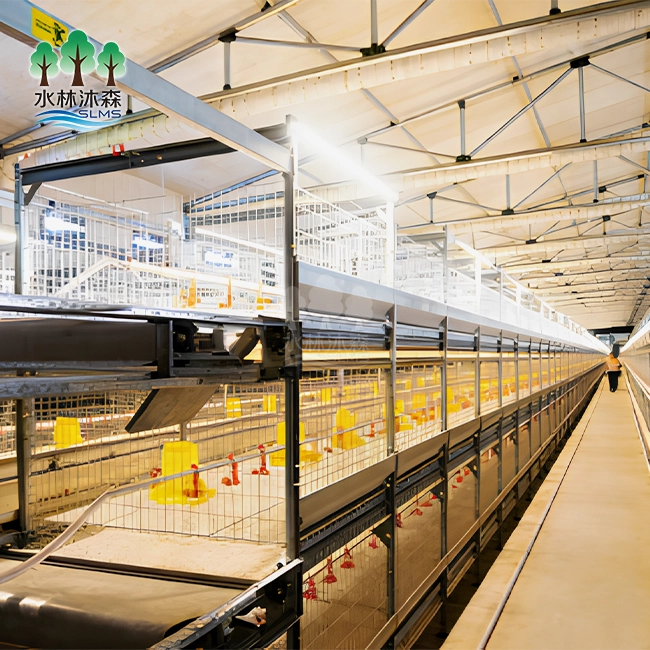
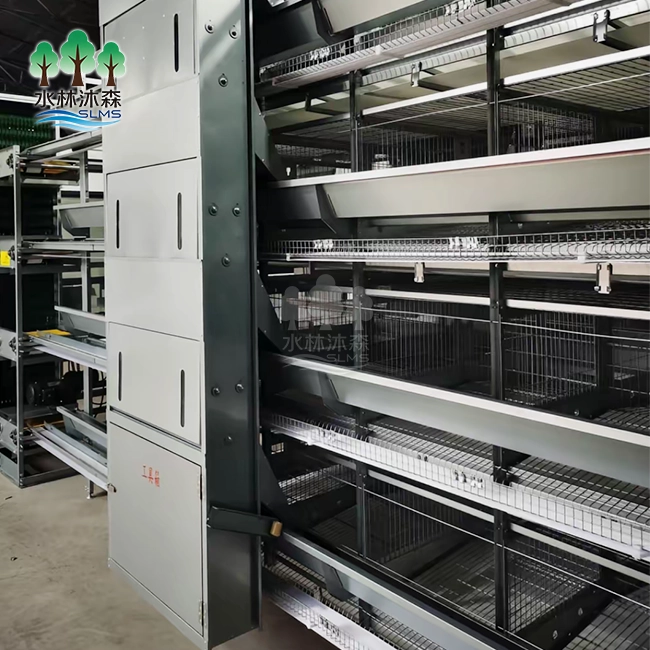
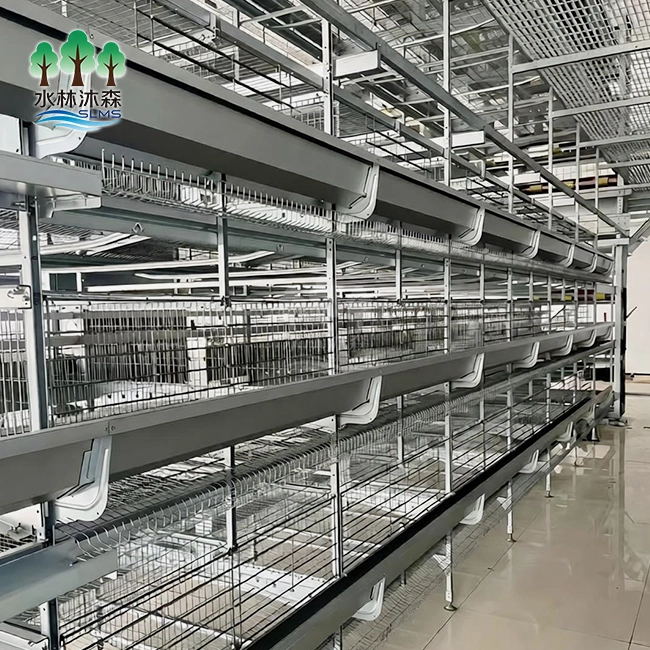
A big step forward in industrial chicken farming technology is the three-level broiler housing system. Unlike standard floor-based systems, these vertical structures make the most of the space available in a building to increase production. Each level houses broilers from the time they are day-old chicks until they reach market weight, which usually takes 42 to 45 days.
Core Design Principles and Operational Framework
Modern methods for putting chickens in cages are made of Q235 international standard industrial steel that has been hot-dip galvanized. The zinc layer is 275–600g/m² thick, which means that it will last for 15–20 years even in places where there is a lot of ammonia from chickens. This resistance to corrosion is necessary to keep the structure's stability during long production processes.
The structure of the system includes special plastic bendable bottom mats that protect the meat and feet of the broiler chicken. By keeping the breasts from getting burns and bruises, this design greatly cuts down on the number of lower-quality carcasses that are sent to slaughterhouses. Each level has the right amount of space (400–450 mm) to allow for fast broiler growth stages without getting in the way of their normal movement patterns.
Advantages Over Traditional Housing Systems
When compared to single-level systems, three-tier broiler cage designs make much better use of room. The vertical design raises the number of chickens raised by 300 to 400%, which directly addresses the problem of expensive land in areas where industrial poultry is raised. This optimization of room means that the business will make more money per square foot of building space.
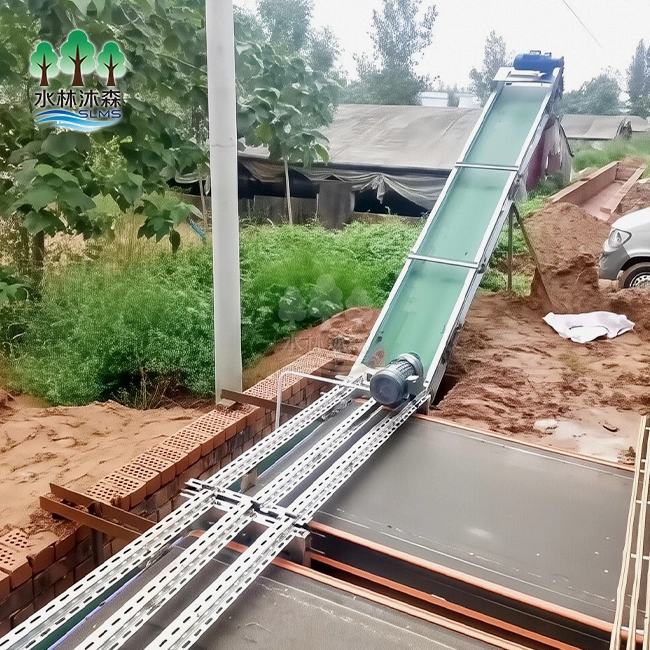
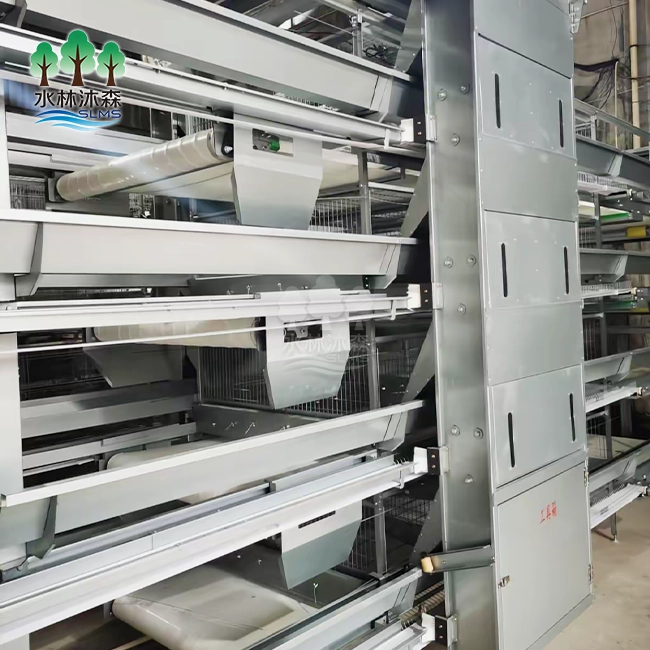
One benefit of biosecurity is that it keeps birds away from feces, which greatly lowers the risk of coccidiosis spreading. The raised living design keeps people from touching the ground, which is how soil-borne pathogens are usually spread in floor-based setups. Automatic dung removal belts that move between tiers keep things clean and lower ammonia emissions.
Essential System Components and Integration
Complete three-tier setups combine automatic feeding systems with mouth drinking systems that can be accessed from any angle. The feeding parts use auger-based or cart systems that are meant to keep feed from spilling and make sure that the animal gets the right amount of nutrition. Heavy-duty feeding tubs can handle the fast eating habits of young broilers so that food doesn't go to waste.
To keep the air quality at its best on all three levels of a Three-tier Broiler Cage, ventilation systems need to be carefully calibrated. The multi-tier design needs special airflow control to keep the temperature from rising too high and make sure that the environment is always the same. Integrating the right amount of ventilation helps the automatic systems work while still meeting standards for bird care.
Step-by-Step Installation Guide for Three-Tier Broiler Cage Systems
A methodical approach that includes site preparation, component building, and system integration stages is needed for a successful installation. At each step, safety rules and structure alignment must be followed to make sure that the whole production process runs smoothly.
Pre-Installation Site Assessment and Preparation
The first part of evaluating a site is looking at the foundations to make sure they can hold the heavy weight of fully filled cage systems. Standard three-tier units are between 1950 and 2150 mm long, and they can hold up to three adult chickens that weigh 2.5 to 3 kg each. The foundation specs need to allow for the highest density loads while also keeping the structure from bowing more than 2 mm.
Some environmental factors to think about are how close the site is to feed holding facilities and systems for managing garbage. For automated feeding, watering, and ventilation tools to work, the building spot needs to have enough electricity. Biosecurity rules must be followed along access routes that can fit delivery cars and installation tools.
During the site preparation steps, climate control equipment is put in place. Ventilation ducts, temperature control systems, and humidity management tools need to work together with the placement of the cages to get the best airflow patterns on all three levels.
Assembly Procedures and Safety Protocols
Assembling the parts according to the manufacturer's instructions, with a focus on accurate alignment and structural support. When installing a galvanized steel frame, it's important to be careful not to damage the zinc finish. Welding spot tension testing makes sure that the strength of the link meets the system's load-bearing needs.
As part of safety steps, the right way to lift heavy parts and follow electrical safety rules during the merging of an automated system are both important. The people installing the mesh must make sure that all of the points where the wires meet still meet the required tensile strength standards. By looking at the surface, you can get rid of any sharp edges or metal points that could hurt birds or lower the quality of the meat.
Progressive tier building lets you check the steadiness and alignment of each level before moving on to the next one. As you finish each tier, the food and watering systems are tested to make sure they work properly so that any problems can be found before the whole system is turned on.
Automated System Integration and Testing
Calibration of the feeding system makes sure that the auger works correctly and that feed is spread evenly throughout the whole cage. To work with the birds' feeding plans and growing stages, the automatic parts need to be timed perfectly. Flow rate testing makes sure that broilers get the same amount of food every time without any waste or stress from competition.
Installation of nipple lines and pressure tests to make sure everyone has equal access to water are part of integrating a watering system. Individual adjustments are needed for the 360-degree trigger systems to work with birds of different sizes as they grow. Leak checking stops water from going to waste and keeps the litter dry, which is good for birds' health.
When the manure disposal device is turned on, the timing and belt tension are set. To keep the plastic belts that move between the tiers from getting stuck during automatic removal rounds, they need to be properly aligned. Regular operation testing makes sure that the system can handle materials smoothly without any problems.
Maintenance and Cleaning Best Practices for Longevity
Systematic repair practices keep equipment working and make it last longer than the manufacturer's warranty. Regular inspections find problems before they affect the speed of production or the safety of birds.
Routine Cleaning Protocols and Sanitization
Complete removal of birds between production rounds is the first step in effective cleaning processes. All-in, all-out management makes it easier to clean thoroughly, which gets rid of pathogen populations and keeps biosecurity standards high. High-pressure washing systems get rid of organic matter that builds up on the sides of cages and on automatic equipment.
When picking a disinfectant, it's important to think about how well it works with stainless steel surfaces and plastic parts. There is a wide range of microbes that quaternary ammonium chemicals can kill without damaging their structure. The timing of the application gives for enough contact time before exposing new bird groups.
As part of maintenance done between cycles, the feeding systems are checked for signs of wear and to see if any parts need to be replaced. To keep working smoothly, auger systems need to be oiled and their balance checked. Individual checking of nipple drinking lines is needed to make sure they keep the right water flow and pressure.
Preventive Maintenance Strategies
The goal of corrosion avoidance in a Three-tier Broiler Cage is to keep the zinc covering in good shape by using gentle cleaning methods and fixing any damage that happens. Any cuts or abrasions in the galvanizing surface need to be filled right away with a zinc-rich primer to stop rust from starting. Digital scales are used to measure the thickness of coatings on a regular basis to keep an eye on safety levels.
Maintenance on mechanical parts includes adjusting the tightness on the belt and greasing the ball bearings. The automatic systems for removing waste are under constant stress, so parts need to be replaced on a regular basis. To keep unexpected breakdowns from happening during production processes, drive motor maintenance is done according to the manufacturer's instructions.
Protocols for structural testing find stress points and make sure connections are solid across the three-tier structure. Simulation tests that simulate load-bearing show that the highest density weight tolerance stays within the design parameters. If the displacement readings are more than 2 mm, the structure needs to be strengthened right away.
Comparing Installation and Operational Choices to Make the Right Purchase
To make strategic purchasing choices, you need to look at system setups, material options, and levels of automation in great detail. Each option changes how hard it is to install, how well it works, and how much money you'll get back in the long run.
Configuration Analysis: Three-Tier vs Alternative Systems
Three-tier broiler cage systems make better use of room than two-tier setups while keeping the installation process manageable. The extra level boosts production by about 50% while keeping the same building footprint. The installation process takes a little longer, but the increased complexity is worth it because the potential gains are so big.
An economic study shows that the investment will pay off because there will be more birds and less work will need to be done. Compared to traditional management methods, the automated systems built into three-tier designs cut the cost of human work by more than 40%. This increase in speed builds up over many production rounds.
As part of operations, better weather control and better protection benefits from ground separation are things that need to be thought about. The three-tier design makes it easier to control the temperature than floor-based systems, and the physical separation between the birds lowers the risk of disease spread.
Material Selection and Durability Considerations
The best durability for heavy-duty business uses comes from galvanized steel building, even though it costs more to buy at first than other materials. The hot-dip galvanization method makes the metal more resistant to corrosion, which is important for chicken settings with a lot of ammonia. If you follow the maintenance instructions, it should last between 15 and 20 years.
The choice of polypropylene bottom mat affects the comfort of birds and the quality of their bodies. High-quality raw PP materials stay flexible even after a lot of use and offer enough padding for chicken breast protection. The bendable design keeps the bird comfortable even when it's growing quickly and stops pressure sores from forming.
Standardizing components makes upkeep easier and makes new parts more accessible. Systems that use steel types and fastener specs that are known all over the world make long-term service easier. Standardization cuts down on practical complexity and makes sure that parts can be found reliably.
Automation Level Selection and Implementation
With an automatic feeding system, a lot less work needs to be done, and the feed is converted more efficiently because the food is delivered consistently. Precision time gets rid of the human mistake factors that affect how well birds do and how evenly they grow. The installation process gets a little more complicated, but it has big practical benefits.
Automated watering systems make sure that people can always get to the plants and cut down on water waste by precisely controlling the flow. Compared to standard waterer designs, nipple-based delivery methods keep things clean. System integration needs electricity infrastructure, but it gets rid of the need to handle water by hand every day.
Combined automation packages work better when they have combined control systems that make sure that tasks like feeding, watering, and removing waste are done at the same time within a Three-tier Broiler Cage. The joint management method improves operating efficiency and makes it easier for farm workers to get trained.
Procurement and Vendor Guidance for Buying Three-Tier Broiler Cages
Strategically choosing a provider affects the success of the installation, the dependability of operations, and the long-term performance results. A thorough evaluation of vendors guarantees that commercial poultry companies can get the quality tools, expert help, and reliable service networks they need.
Supplier Evaluation Criteria and Selection Process
The technical knowledge review looks at how much experience the manufacturer has with large-scale business installations and how well they've done in similar working conditions in the past. Suppliers should show that they fully understand the needs of broiler production and the problems that come with intensive farming. Reference setups are a great way to get a feel for how speed and stability will work in the real world.
For quality assurance programs to work, there must be written processes for inspecting materials, checking the quality of welds, and making sure that surface treatments are correct. The guidelines for ISO certification show organized ways to handle quality that make sure products are always reliable. An review of a manufacturing plant shows how well it can produce goods and how well quality control is being used.
When evaluating a service network, the geographical covering for installation assistance and ongoing maintenance needs is taken into account. Having local service access cuts down on the time it takes to fix technology problems and keep operations running smoothly. The provision of training programs guarantees that the right steps are taken for installation and operation.
Custom Configuration and Bulk Purchasing Benefits
Customization options let you meet the needs of your building and your operational tastes. Customized solutions take into account the limitations of each place while improving system performance to meet specific output goals. With custom technical help, you can be sure that the new system will work well with the old infrastructure and management systems.
Bulk purchasing deals save a lot of money on large-scale installations and make sure that the equipment specs are the same at all of the sites that use it. Volume rates lower the cost of shipping while making it easier to coordinate operations. Standardized standards make maintenance more efficient and help train staff across all activities.
Building long-term partnerships opens up chances for ongoing expert help and system optimization. When you have established relationships with reliable makers, you can get access to new technologies that improve performance and allow you to update as they become available.
Conclusion
To successfully set up a three-tier broiler cage, you need to plan ahead, choose high-quality parts, and follow clear steps. Investing in automated multi-level systems pays off in a big way by making better use of room, cutting down on labor costs, and improving hygiene. The right way to put something makes sure that it works well for a long time and meets the standards for bird care that are necessary for a business to be successful. Strategic relationships with suppliers offer ongoing technical support and service options that protect investments in equipment and keep production running smoothly.
FAQ
What is the typical installation timeframe for three-tier broiler cage systems?
The length of time needed for installation depends on the size of the building and how complicated the system is. On average, it takes two to four weeks to fully set up an automatic system. Preparing the site takes about 30% of the total construction time. The other 70% is spent putting the system together and checking it. Professional assembly teams can cut down on time by a lot while still making sure that the tuning is done right.
How often should maintenance be performed to maximize system longevity?
Daily operating checks make sure that automatic systems are working properly and look for problems that might happen. Hygiene standards are kept up between production rounds by deep cleaning once a week. Mechanical exams done once a month check for wear and cleaning needs. Structures are checked every year to make sure they can still hold weight and meet safety standards.
What customization options are available for different farm layouts?
The system's measurements allow for a variety of building layouts while still meeting the ideal bird density needs. Placement of the feeding system is based on the current equipment and work flow. Integrating ventilation works with the temperature control systems in a building. Custom engineering help takes into account the specific needs and limitations of each place.
Ready to Transform Your Broiler Production with Professional Three-Tier Cage Systems?
Shuilin Musen Aquaculture Equipment Co., Ltd. delivers comprehensive three-tier broiler cage solutions backed by eight years of agricultural machinery expertise. Our galvanized steel systems feature automated feeding, watering, and manure removal capabilities with 50KG/㎡ stocking density optimization. We provide complete technical support including installation videos, on-site installation services, and one-year warranties. Contact our engineering team at wangshuaislms@gmail.com for customized system designs and competitive Three-tier Broiler Cage manufacturer pricing.
References
1. Smith, J.R. and Johnson, M.K. "Automated Broiler Housing Systems: Design Principles and Installation Guidelines." Journal of Applied Poultry Research, Vol. 28, No. 3, 2023, pp. 145-162.
2. Anderson, P.L. "Structural Engineering Requirements for Multi-Tier Poultry Housing Systems." Agricultural Engineering International, Vol. 15, No. 2, 2022, pp. 89-104.
3. Williams, D.A. and Thompson, K.S. "Corrosion Resistance in Commercial Poultry Equipment: Hot-Dip Galvanization Performance Analysis." Materials Science in Agriculture, Vol. 41, No. 4, 2023, pp. 278-295.
4. Brown, R.M. "Automated Feeding and Watering Systems for Intensive Broiler Production." Poultry Technology Review, Vol. 19, No. 1, 2022, pp. 34-51.
5. Davis, L.C. and Miller, S.J. "Economic Analysis of Three-Tier vs. Traditional Broiler Housing Systems." Agricultural Economics Quarterly, Vol. 33, No. 2, 2023, pp. 112-128.
6. Taylor, M.R. "Biosecurity Benefits of Elevated Cage Systems in Commercial Broiler Operations." Veterinary Poultry Science, Vol. 22, No. 3, 2022, pp. 201-218.
Learn about our latest products and discounts through SMS or email