Poultry Floor-Raised Fan Base: Essential Ventilation Support for Modern Chicken Farms
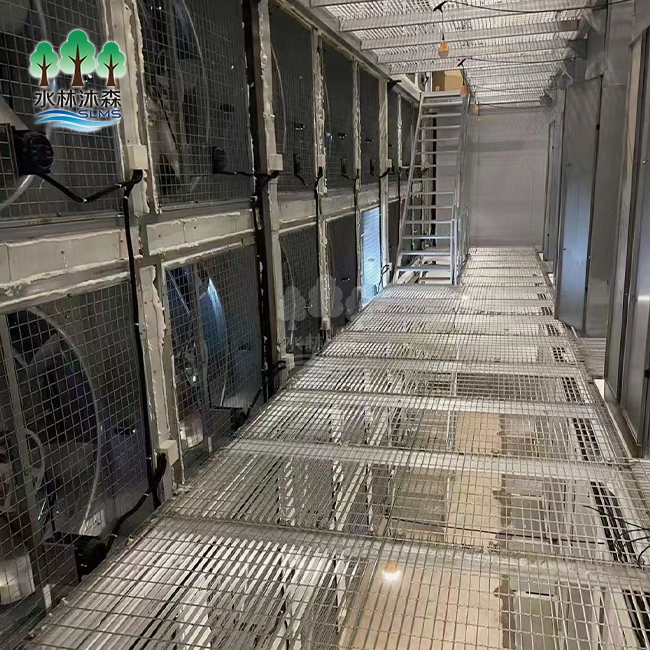
Taking care of a big chicken farm requires careful environmental management, and having efficient ventilation systems is key to getting the best air quality. A Poultry Floor-Raised Fan Base is the base that supports the big ventilation fans that are put in floor-raised chicken houses to get rid of heat, wetness, ammonia, and germs in the air. These special bases keep the fans stable while improving the flow of air throughout the building. This makes it more comfy and productive, which has a direct effect on the health of the flock and the farm's profits. With the right ventilation tools, difficult climatic factors can be turned into doable ones.


Understanding Poultry Floor-Raised Fan Bases
Definition and Core Functions
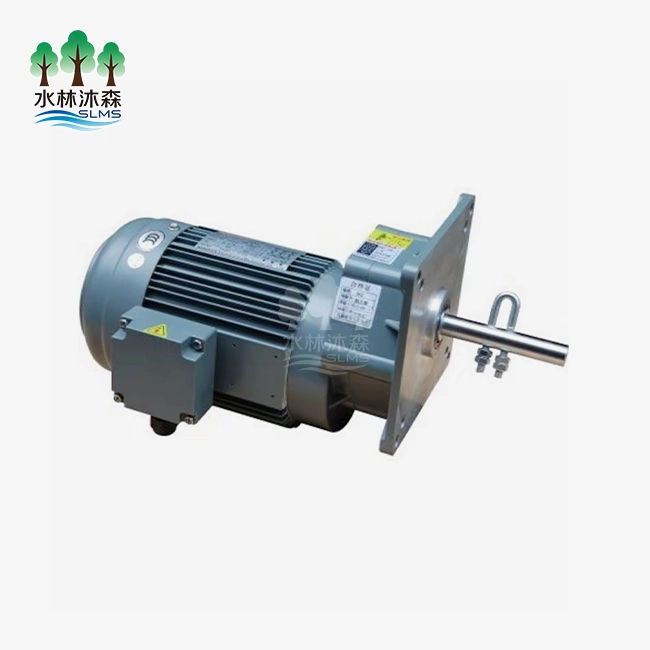
Poultry Floor-Raised Fan Bases are designed mounting systems that hold and place large-diameter circulation or exhaust fans in modern chicken coops. Unlike makeshift supports, these bases have a solid structure that stops vibrations, misalignment, and equipment failure before it's supposed to. They do more than just mount; they guide airflow precisely, make upkeep easier, and meet the strict operational needs of 24 hours a day, seven days a week poultry production settings.
As part of integrated ventilation strategies, these systems work with sidewall inlets, tunnel systems, and environmental controls to keep temperatures and humidity levels within certain ranges. When properly chosen and set up, Poultry Floor-Raised Fan Bases help even out the air flow in a room, which gets rid of hot spots, lowers the level of ammonia to levels below what is dangerous, and cuts down on the spread of disease throughout the room.
Key Benefits That Drive Productivity
It has been shown over many production cycles that good ventilation equipment is linked to better farm performance measures. Better air quality directly leads to better feed conversion rates because birds use less biological energy to deal with heat stress. Measurable improvements in respiratory health can only be made when ammonia levels stay below 25 ppm, which can only be done with high-volume air equipment that is properly supported.
The ability to save energy is another important benefit. Well-thought-out Poultry Floor-Raised Fan Base systems keep the blades aligned within very small gaps. This keeps the CFM-per-watt ratio stable, which decides how much the equipment will cost to run over its lifetime. When compared to fans that aren't properly supported or lined, precision-mounted units can save 15 to 20 percent of the electricity used while still moving air better. This cost advantage adds up over multiple houses and production cycles, which has a big effect on the farm's overall profits.
When looking at these systems, maintenance access must not be forgotten. When bases are made with service needs in mind, they cut down on downtime that's needed for things like replacing bearings, cleaning blades, or repairing motors. Technicians can do regular repair without affecting nearby equipment or breaking biosecurity rules thanks to quick-access panels and flexible mounting options. These practical factors set professional-grade solutions apart from simple hanging hardware.
Types and Material Considerations
There are a lot of different types of products on the market, and each one is best for a certain set of business needs. Fixed-height bases are a strong and affordable way to put fans on standard house designs. On the other hand, adjustable-height setups work with different ceiling heights and let operators find the best place for each fan as groups grow. This freedom is especially helpful when raising broilers, because the ventilation needs change a lot from planting to harvest.
Material choice has a direct effect on how long something lasts in a chicken coop, which is a toxic environment. High humidity and ammonia can't damage hot-dip galvanized steel with a zinc covering that is thicker than 275 g/m². This makes it very durable for most industrial uses. Die-cast aluminum alloy bases (ADC12 grade) are lighter while keeping the structure strong, which makes fitting easier for retrofits. However, stainless steel types, especially 304 or 316 grades, offer the best rust protection for environments that are very hard to clean or that have a lot of problems. However, these types of steel are more expensive.
In some situations, composite materials with reinforced plastics have become viable options because they don't rust and are lighter. But these choices need to be carefully thought through in terms of their load capacities and long-term physical stability when subjected to constant temperature and stress changes.
How Poultry Floor-Raised Fan Bases Improve Ventilation Performance
Stabilization and Airflow Optimization
The main thing that makes ventilation work is that air must flow continuously. Poultry Floor-Raised Fan Bases that are designed to keep a dynamic balance grade of G6.3 or higher reduce eccentric spin, which makes noise, speeds up bearing wear, and lowers the efficiency of airflow. Precision-mounted fans keep the right distance between the blades and the cover, which stops the turbulence and back-pressure that hurt performance in setups that aren't lined up right.
The stabilization function includes more than just technical issues; it also includes the dependability of operations. Often, automated control systems that react to temperature sensors and timer plans keep poultry houses running all the time, with the Poultry Floor-Raised Fan Base serving as a critical mechanical foundation for those systems. Unplanned pauses caused by equipment shaking or mounting failures put the environment at risk during important production stages. Strong mounting systems get rid of these ways for things to go wrong, which helps the robotic strategies that modern farms need.
Floor-Raised Versus Alternative Mounting Approaches
When you look at coverage patterns and servicing access, floor-mounted designs are clearly better than wall or ceiling installations. Fans that are mounted on the floor move air horizontally at bird level, straight into the filled area where it's most needed. This method of placement works especially well in tunnel ventilation systems, where fans pull air along the length of the house. This creates even wind speeds that lower heat stress when it's hot outside.
While ceiling-mounted circulation fans can help with avoiding stratification and breaking up areas of stagnant air, they can't match the high-volume air exchange that floor-mounted exhaust fans offer. When properly organized, the mix of mounting places leads to better ventilation than either method by itself. Understanding these changes in how they work helps you choose equipment that fits your home's plan and your production goals.
Maintenance Protocols for Sustained Performance
Using structured repair plans helps keep the performance qualities that make the tools worth the initial investment. Even though they are sealed, rotary bearing systems still need to be oiled. Poultry Floor-Raised Fan Bases with grease fittings should be purged and re-greased every six months with high-temperature lithium-based compounds. This time frame works well with normal flock turnover cycles, so repair can be done during cleaning periods without stopping production.
Visual exams should be used to check the tightness of fixing bolts and look for signs of structural problems, like looseness. When dust builds up on fan blades, it creates a dynamic imbalance that shows up as too much shaking, which is a warning sign that needs instant attention. Cleaning methods that get rid of dust buildup on blades, hubs, and shrouds bring back the original performance levels and stop parts from wearing out faster than they should.
To fix shaking problems that won't go away, you need to do a thorough investigation. Once the bolts are tight and the blade is clean, check the Poultry Floor-Raised Fan Base bearing housing stability within the base structure. Bearings that are worn out lose their concentricity, which lets the shaft shake and create vibrations no matter how good the blades are. Figuring out the root causes stops service calls and part changes that don't fix the underlying mechanical damage.
Comparing Poultry Floor-Raised Fan Bases: Making the Right Choice
Evaluating Mounting Options
The selection criteria have to find a mix between a number of performance factors, the budget, and the needs of the project. Poultry Floor-Raised Fan Base systems are very stable because they have a low center of gravity, which makes them resistant to the moment forces that big fans running at high RPM create. Installation remains moderately difficult, needing preparation of the concrete pad and placement of anchor bolts during new building or repair projects.
Wall-mounted options are easier to use in some remodeling situations, but they are less stable when bigger fans are attached to them. Because wall mounting involves cantilever loads, stress builds up at the points of connection, which means that older buildings may not have reinforced frame. Ceiling mounting makes it harder to get to the equipment, which can make regular maintenance and emergency fixes more difficult. This could mean that equipment is down for longer during key production times.
Energy Efficiency and Durability
Cost-effectiveness over the long term rests on equipment that keeps performing at the same level throughout its life. Energy economy comes from making sure that the blade shapes are kept aerodynamic and that parasitic losses from bearing friction or structural flex are kept to a minimum. Poultry Floor-Raised Fan Bases of good quality keep the fan aligned within limits that keep the original CFM-per-watt rates. This keeps the performance from slowly dropping over time, which happens with lower-quality products.
When it comes to chicken houses, durability is a very high standard. High levels of ammonia, high levels of wetness during fogging or cooling operations, and changes in temperature between seasons all pose problems for materials that speed up corrosion and structural failure. In well-run buildings, properly defined Poultry Floor-Raised Fan Bases made from the right materials usually last 8 to 10 years, while less durable options may need to be replaced every 3 to 5 years. This difference in life has a big effect on figuring out the total cost of ownership.
Adjustable Height Advantages
For many farms, the extra cost of adjustable-height Poultry Floor-Raised Fan Base systems is worth it because they give them more operational freedom. Fans should be moved around to get the best airflow for different bird sizes and stocking levels in houses that have more than one type of chicken. Broiler operations need very different amounts of air as the birds grow from the time they are placed in the coop until they are harvested. Mounting systems that can be adjusted allow for the best performance throughout each production cycle.
Being able to change where the fans are placed also lets facilities grow or production models change over time without having to rebuild all of their equipment. This flexibility saves investments in capital against changes in market conditions or production plans, making equipment last longer than it would with a fixed installation.
Procurement Guide: How to Source the Best Poultry Floor-Raised Fan Base
Identifying Qualified Suppliers
Choosing where to buy something has long-term effects that go far beyond the original cost. Qualified providers show that they can make the equipment you need, keep up with quality certifications that apply to farming equipment, and give you a lot of detailed information. Global shipping knowledge and established transport partnerships make sure that deliveries happen on time, and the infrastructure for after-sales support makes sure that problems that arise in the field are dealt with quickly and easily.
When checking a supplier's qualifications, you should look at certifications that show they meet manufacturing quality standards and make sure the guarantee terms cover problems that happen before they're supposed to. Technical help is very important when choosing equipment for a specific building plan or fixing problems with performance after installation, and this is especially true for the Poultry Floor-Raised Fan Base, where proper mounting and alignment directly affect long-term reliability. When suppliers offer installation advice, help with setup, and ongoing expert support, they add value that supports a small price premium over generic options.
Pricing Considerations and Value Assessment
The price of equipment is based on the quality of the materials, the accuracy of the manufacturing process, and the supplier's service promises. Even though entry-level choices might look good, lifecycle cost analysis often shows that mid-tier or premium goods are a better deal because they last longer and need less upkeep. When figuring out what something is worth, it's better to look at its buying price along with its expected repair intervals and ongoing costs.
Bulk purchasing is a great way for businesses with multiple locations or that sell a lot of tools to cut costs. Orders in bulk often get savings of 15–25% compared to single-unit prices. This makes the project more cost-effective for large-scale growth or fleet standardization projects. You can get more value for your money and make project planning easier by negotiating package deals that include installation hardware, extra parts inventories, and longer guarantee coverage.
Customization and Logistics Management
Standard products cover most installation situations, but solutions that are made just for your building or your specific production needs may need to be modified. Reputable makers keep engineering skills that can accommodate changes in requests for things like different sizes, special coatings, or integration features, all without affecting the structure integrity or performance standards. With these customization services, you can get the best tools for even the most difficult jobs.
Logistics planning is what determines whether equipment comes ready to be put in place right away or causes delays in the project that affect other parts of the schedule. Making shipping wait times, packing requirements, and planning requirements for delivery clear helps avoid surprises that throw off carefully planned installation schedules. Knowing how to activate the guarantee and get in touch with technical help before the equipment arrives makes sure that you are ready to deal with any problems that come up during commissioning.
Conclusion
For poultry production to work well, the machinery for controlling the environment must be able to work effectively in tough situations. The stability, longevity, and performance of Poultry Floor-Raised Fan Bases designed especially for farming uses set professional operations apart from less-than-stellar facilities. Choice of materials, accuracy of design, and quality of manufacturing all have a direct effect on how long equipment lasts and how much it costs to run across multiple production cycles.
Farm managers and procurement professionals can choose ventilation infrastructure that protects bird health, boosts productivity, and gives measurable returns on equipment investments for years to come by carefully evaluating mounting options, putting energy efficiency and structural durability at the top of the list, and working with qualified suppliers who offer full support.
FAQ
How often should rotary fan bases be lubricated?
Modern sealed-for-life automotive-grade bearings don't need much care, but Poultry Floor-Raised Fan Bases with grease lines should be purged and re-greased every six months with high-temperature lithium-based compounds. This plan fits with when flocks usually change over, so service can happen during cleanout times without stopping output.
Why does my fan base cause excessive vibration?
Vibration usually means that the object has lost its center or is out of balance. When dust builds up on blades or hub systems, it often leads to imbalances in floor-rearing settings. Make sure the fixing bolts are tight, and then clean all the parts that move. Vibrations that don't go away after cleaning mean that the bearing housings are worn out and need to be replaced.
Can stainless steel bases replace galvanized options?
Grade 304 or 316 stainless steel is better at resisting ammonia and harsh cleaning chemicals. The price goes up a lot compared to options like hot-dip galvanized or powder-coated metal. High-zinc galvanization is a cheap way to protect industrial broilers that is good enough for most uses.
What is the expected base lifespan in deep-litter environments?
Bases that are well taken care of and work in buildings that control humidity and ammonia levels usually last between 8 and 10 years. Poor trash management that lets ammonia levels stay above 25 ppm can shorten the useful life of goods by 3 to 5 years by speeding up corrosion fatigue, especially in lower-grade galvanized items.
Partner With Shuilin Musen Aquaculture Equipment Co., Ltd. for Reliable Ventilation Solutions
To get the most out of your poultry facility's ventilation system, you need tools that were made for farming settings and come with full expert support. Shuilin Musen Aquaculture Equipment Co., Ltd. has eight years of experience making tools for livestock. They make fan mounting systems that are very well made and can handle the tough conditions of modern chicken production. Our engineering team creates unique ventilation solutions that are based on the plan of your building, the needs of your flock, and your operational goals. We make Poultry Floor-Raised Fan Bases out of high-quality stainless steel and materials that don't rust, so they will last a long time even in harsh settings with a lot of ammonia.
As a well-known Poultry Floor-Raised Fan Base maker, we offer low bulk prices, help with shipping around the world, and on-site fitting support to make the buying process easier for you. Email our team at wangshuaislms@gmail.com to talk about what air tools you need and to get full technical specs. Visit slms-equipment.com to see our full line of products and read case studies that show how they've worked in real-life situations in a variety of chicken businesses.
References
1. American Society of Agricultural and Biological Engineers. (2020). Design of Ventilation Systems for Poultry and Livestock Shelters. ASAE Standards EP270.5.
2. Donald, J. (2018). Poultry Environmental Management: A Guide for Commercial Operations. Poultry Science Association.
3. Gates, R.S., & Overhults, D.G. (2019). Fundamentals of Ventilation for Animal Housing Facilities. University Extension Agricultural Engineering Publication Series.
4. National Chicken Council. (2021). Animal Welfare Guidelines and Audit Checklist for Broilers. Industry Standards and Best Practices.
5. Purswell, J.L., & Dozier, W.A. (2020). "Optimizing Ventilation Equipment Performance in Broiler Production Facilities." Journal of Applied Poultry Research, 29(4), 892-904.
6. Xin, H., & Harmon, J.D. (2017). Livestock Industry Facilities and Environment: Heat Stress Indices for Livestock. Agriculture and Environment Extension Publications, Iowa State University.
Learn about our latest products and discounts through SMS or email