What are common components for stable poultry shed water pressure?
It's more important than most farm managers think to keep the water flow steady throughout a chicken shed. Most safe poultry shed water pressure systems have pressure controllers, storage tanks, booster pumps, filtration units, and tracking devices. These parts work together to make a Poultry Shed Water Supply Stabilization Component system that keeps all drinker lines evenly hydrated, no matter how many layers you have or how many birds you have in your broiler house. When put together correctly, these parts stop the changes in pressure that cause trash to get wet, birds to lose water, and expensive production losse


Understanding Stable Water Pressure Needs in Poultry Sheds
Stable water pressure directly affects how well a flock does. Birds that have trouble getting to water consistently show higher levels of stress, lower feed conversion rates, and higher death rates during key growth stages. Studies from U.S. chicken farms show that even small changes in pressure—differences of only 5–10 cm in the height of the water stream between the beginning and end of a drinker line—can make birds at the farthest nipples drink 15% less water.
There are several things that can cause pressure instability. As neighborhood demand changes throughout the day, so do changes in municipal supply. Over time, equipment wear breaks down seals and valve seats, which lets pressure move without meaning to. System leaks, which are often hard to see inside buildings, slowly lower the pressure and waste thousands of gallons of water every year. When procurement experts are aware of these problems, they can choose parts that actively adjust for changes in incoming pressure instead of idly transmitting them.
Why Pressure Consistency Matters for Bird Health
During their peak growth weeks, broilers need about 1.8 times the weight of their food in water. When pressure goes below what it should be, birds have to work harder to open their nipple valves. This makes them eat less during the hottest hours, when staying hydrated is most important. Within 48 hours, layers that only have irregular access to water have lower egg output and shell quality. When you add up the effects on thousands of birds over many production cycles, they become very big.
Common Pressure-Related Problems
When there is too much pressure, drinkers leak, which makes the beds wet and encourages the buildup of ammonia and lung diseases. Birds at the ends of the line don't get enough water because there isn't enough pressure, but birds near the entrance do. Both of these extremes hurt the uniformity that is needed for current intense output. To solve these problems, you need to know how the different parts of the system work together to balance, control, and steady water supply.
Key Components of Poultry Shed Water Supply Stabilization Systems
A full water pressure stability system has many specialized parts that work together to solve different hydraulic problems. Professional installations don't rely on just one device; instead, they use a mix of technologies that work well together to make sure the system is stable in all kinds of working situations.
Water Storage Tanks
In most systems, storage tanks are the main way to keep the pressure down. Capacity ranges from 500 to 5,000 liters to suit sheds of different sizes and provide extra volume during times of high demand or short supply interruptions. The water quality won't change while it's being stored because the containers are made of food-grade plastic or 304 stainless steel. The position and height of these tanks affect the base gravity pressure that reaches parts further downstream. This is why the right placement is a very important planning factor when building a shed or retrofitting an old one.
Dual-tank designs that let activities go on while cleaning cycles are happening are helpful for large-scale operations. Investing in storage that is the right size up front pays off in lower pump cycle, longer equipment life, and more stable pressure during activities that use a lot of water at the same time, like flock entry or vaccination processes.
Booster Pumps
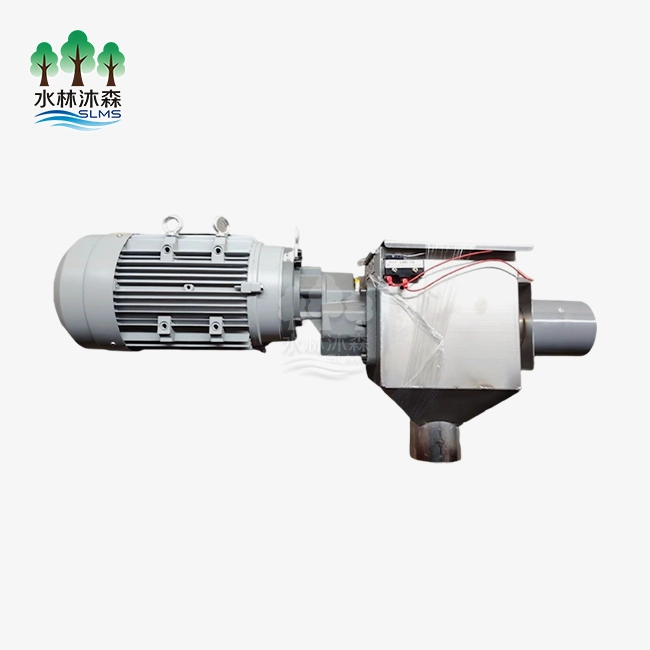
Automatic booster pumps keep the target pressure steady no matter how full the holding tanks are or how much demand changes downstream. Modern variable-frequency drive units change the motor speed in real time, so the pump output matches the needs at any given time instead of switching on and off at set times. This responsiveness stops the pressure surges that happen when a normal pump is turned on, and it also cuts electricity use by 30–40% compared to older types that had a steady speed.
High-quality booster pumps made for heavy use in agriculture have sealed motors that don't let water or dust in. Thermal overload safety keeps the device from breaking when it's working in an odd way, and built-in pressure switches let it run completely by itself. When purchasing pumps, procurement managers should make sure that the temperature resistance values are higher than the surrounding temperature. This is especially important in climate-controlled spaces where equipment may be exposed to high temperatures for a long time.
Pressure Regulators
Precision pressure controllers are very important because they connect the low-pressure drinking lines to the high-pressure supply system. Incoming pressure, which can be anywhere from 30 to 60 psi, is lowered and kept stable by these devices. The ideal pressure for nipple drinkers is 2 to 6 psi. When the pressure changes, spring-loaded diaphragm designs open or close the valve mechanism right away to keep the setpoint accuracy within 0.5 psi.
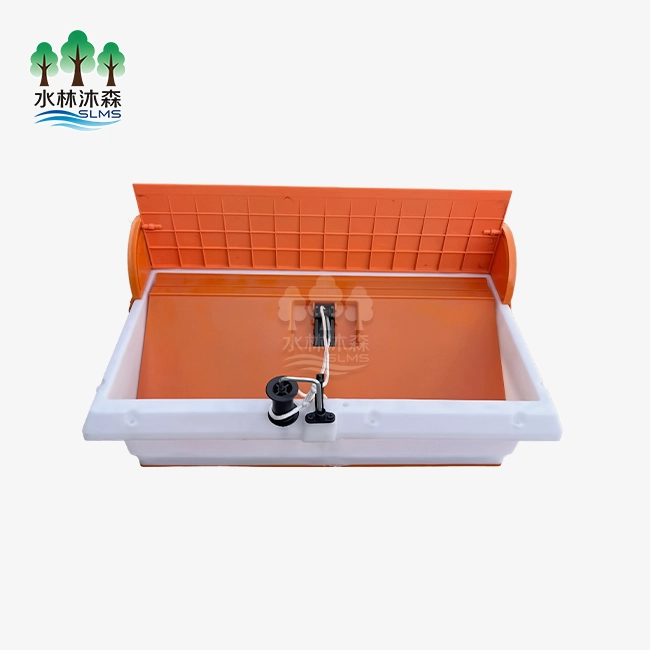
Industrial-grade controllers have bases made of metal or reinforced polymer blends that don't rust. Pressure can be fine-tuned to match bird age, drinker type, and line length thanks to settings that can be changed. Poultry Shed Water Supply Stabilization Component integrates with these controllers to ensure consistent flow regardless of line-length pressure drops, and transparent bowl designs with built-in gauges let you see right away what the working pressure is, which makes troubleshooting and regular tracking easier. Professional installations put regulators in strategic places, like at line starts, mid-line spots on sloped floors, and at changes in elevation, to account for the effects of gravity across the shed's area.
Filtration Units
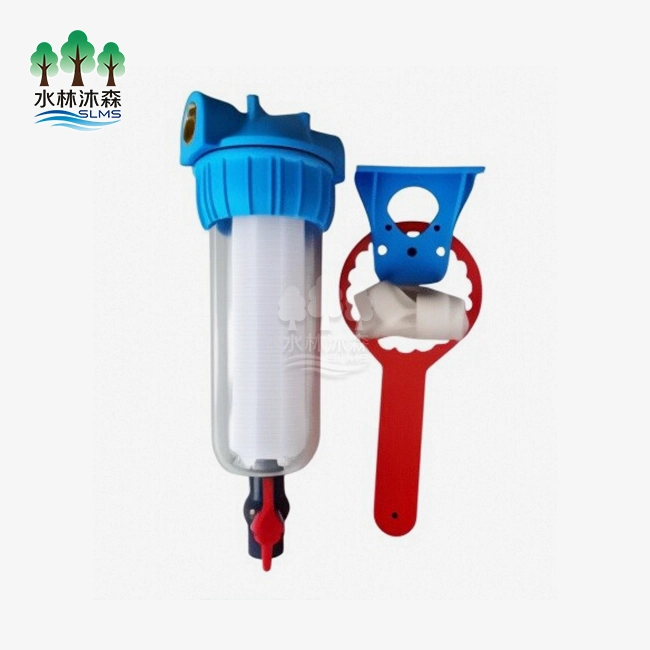
Water filter keeps downstream parts safe and makes sure birds get clean, particle-free water. Multistage filtering systems usually have sediment pre-filters (50–100 micron) that get rid of bigger particles, then small filters (5–20 micron) that get rid of biofilm precursors and mineral deposits. This step-by-step process stretches the life of the fine filter and keeps the nipple valve from getting clogged, which makes water access uneven.
High filtration precision is directly linked to better water quality and less care for the drinker. Automated backflush systems use timed reverse-flow bursts to flush out contaminants into waste lines and keep filters working well without any help from a person. The savings in upkeep work and replacement parts usually pay for the investment in a filtration system within two production runs on medium-sized businesses.
At Shuilin Musen, we put these parts together in our water supply stability systems while paying special attention to how well they filter water. The high-precision sediment and impurity removal stops the tiny particles that break down nipple valve seats over time, keeping the activation pressure steady during the production period. This careful attention to filter detail lowers the risk of gut disease by keeping pathogens from colonizing water lines that don't have biofilm.
Monitoring and Control Systems
Pressure sensors and flow meters are used in more advanced installations at various places in the system. This lets you see how the hydraulics are working in real time. Digital tracking systems let managers know about problems that are starting to show up, like slowly dropping pressure that means there are leaks, slower flow rates that mean the filter is getting full, or sudden rises in pressure that means the regulator isn't working right, before they affect the flock's performance.
Automated data logging makes performance records that can be used to fix long-term problems and find the best settings for the system between groups. Internet-connected systems allow for online tracking, which means that equipment managers can check how things are working without having to go to the sheds themselves. Monitoring water systems in great detail gives us tactical information that turns them from passive infrastructure into actively controlled production assets.
Troubleshooting and Maintaining Your Poultry Water Supply System
Accidental repairs that slow down output and put a strain on budgets can be avoided with proactive upkeep. A planned way of taking care of a system makes the tools last longer and keeps the pressure steady, which is important for flock performance.
Establishing Maintenance Schedules
Full checks of all pressure-bearing parts should be done every three months to look for wear, rust, or degradation. During production, filter elements need to be checked every month, and replacement times are based on readings of the pressure difference rather than set plans. Every year, pressure valves need to be calibrated again to make sure that the setpoint accuracy hasn't changed. Bearing cleaning and seal checking should be done twice a year on booster pumps to catch small problems before they get so bad that they need a whole new motor.
Between groups, storage tanks need to be cleaned and inspected on the inside. Biofilm building up on tank walls spreads contamination to systems further downstream, making filtering less effective and creating safe havens for pathogens. Professional cleaning methods using approved sanitizers get rid of these biological layers without leaving behind substances that birds can't handle.
Common Symptoms and Solutions
A slow drop in pressure over several days is usually a sign of system leaks rather than a broken part. Line-by-line isolation testing finds trouble spots, which are often pinhole corrosion in older zinc pipe lines or broken compression fittings at drinker connections. Sudden pressure loss is usually caused by a broken regulator diaphragm or a broken pump. Problems can be quickly identified by checking the pressure on individual parts.
If the water quality gets worse, like becoming cloudy or having an unpleasant taste that makes you drink less, it means that the filter is full or the holding tank is contaminated. Conditions from getting worse can be stopped right away by replacing the filter and inspecting the tank. If quality problems keep happening even after using new filters, it could be because biofilm has formed in the distribution lines. This needs to be cleaned with chemicals or, in the worst cases, the lines need to be replaced.
Poultry Shed Water Supply Stabilization Component can prevent exactly the kind of issue seen on that Tennessee farm: One Tennessee chicken farm that we helped had ongoing problems with end-of-line pressure, even though the regulators were the right size. An investigation showed that foundation settlement had turned a floor that was once level into one with enough of a rise to cause gravity pressure effects that were higher than the range of compensation allowed by the regulator. By adding mid-line secondary regulators, the pressure was evened out across the 400-foot shed. This made the patterns of water use regular and improved measures of flock uniformity.
Documentation and Record Keeping
For predicted maintenance, maintenance logs that keep track of when parts need to be replaced, pressure readings, and water quality test results are used as a starting point. Patterns appear over time, such as filter life relating to seasonal sediment loads and pump bearing wear relating to duty cycle intensity. This lets you keep track of your parts inventory and change them on time during downtime between shifts instead of having to make emergency fixes in the middle of the cycle.
Digital pictures that show how the work was set up and where the parts are located make troubleshooting easier when more than one expert comes to the scene. Labeling shutoff valves, regulator settings, and filter types clearly keeps people from making setup mistakes during regular maintenance that could change how well the system works without them meaning to.
How to Choose the Right Water Supply Stabilization Components for Your Poultry Farm
When choosing components, you have to weigh short-term spending limits against long-term dependability and operational costs. Systematic evaluation systems that measure the total cost of ownership instead of just the purchase price help businesses make better purchasing choices.
Capacity and Scalability Assessment
Baseline capacity needs are based on shed population and bird type. When birds go through different stages of growth, their eating rates change quickly. This means that broiler farms need systems that can handle these changes. Layer sites need service that is steady and reliable across stable communities. Find the highest simultaneous demand, which is the number of gallons per hour that all the birds drink at the same time after eating, and then choose parts that have 20 to 25 percent extra capacity to keep the system from getting too stressed during these demand spikes.
Plans for expansion should affect the choice of beginning components. Oversized holding bins and pumps make it possible to add on to the shed in the future without having to rebuild the whole system. As output grows, modular filtration systems can handle more elements, protecting the original investment while allowing for cost-effective growth.
Material Durability and Chemical Resistance
The chemistry of water changes a lot from place to place. The mineral content, pH levels, and amounts of treatment chemicals all affect how long parts last. The longer service life of stainless steel construction makes up for its higher original cost. It is better at resisting corrosion in harsh water settings. Food-grade polyethylene is less expensive and has good chemical resistance, so it can be used in most public water sources.
Seal materials need to be carefully described. EPDM rubber seals can handle chlorine-based cleaners and the wide range of temperatures that are typical in poultry uses. But they cost a lot more, Viton seals can stand up to acidic water solutions and chemical compounds. If you match the makeup of the seal to the chemicals it will be exposed to, it will not fail early or let chemicals get into the system from damaged seal materials.
Supplier Evaluation Criteria
Dependability of suppliers has a direct effect on the continuation of operations. Check to see how many spare parts a seller has in stock and how quickly they can ship them in an emergency. The length of the warranty shows how confident the maker is in the product's durability. Poultry Shed Water Supply Stabilization Component is a critical subsystem that directly benefits from this support structure; at Shuilin Musen, our normal 1-year warranty backs up the quality controls that were used from choosing the raw materials to inspecting the final delivery.
The ability to provide technical help is what sets true partners apart from commodity sellers. Help with setup, system design, and fixing problems adds value that goes beyond the price of the product. Video installation instructions and quick technical support cut down on the time it takes to set up the system and the number of mistakes that operators can make that could affect its performance.
Cost-Effectiveness Beyond Purchase Price
The total cost of ownership is affected by the need for annual upkeep in a big way. When you buy systems that need special tools or a lot of new parts, you quickly spend more on them over time than you saved when you bought cheaper alternatives. Routine repair work is cut down by simple removal designs. This is especially helpful in multi-shed operations where time is limited for equipment managers.
For booster pump systems that are always running, energy use is something that should be carefully considered. Variable-frequency drive pumps use 30% less energy than fixed-speed units. On average, 20,000-bird businesses save enough on utility costs to cover the higher price of the pumps within 18 to 24 months. Differences in energy economy add up to thousands of dollars per shed over the course of ten years.
At Shuilin Musen, we've carefully balanced these things into the methods we've made. Customizable tank capacities from 500 to 5,000 liters let customers get the right size for their needs instead of being forced to buy too much. Food-grade PE and 304 stainless steel materials give you a choice that fits your budget and the chemistry of the water. The demand-responsive working of the automatic start/stop booster pump device keeps pressure steady while minimizing energy waste.
Future Trends and Innovations in Poultry Water Supply Stabilization
Technology keeps adding new features to water systems that go beyond basic hydraulic parts. How we handle poultry shed water is changing as a result of smart system integration and sustainability efforts.
IoT-Enabled Monitoring and Control
Pressure, flow rate, and water quality factors are now constantly monitored by sensors that are linked to the internet and send data to cloud platforms that can be accessed from any device. Machine learning algorithms can find small changes in patterns that happen before pieces of equipment break. This lets repair teams know about problems days or weeks before they affect the flock's performance. As the birds get older, automated pressure adjustments make the settings better. This gets rid of the need to change the regulators by hand and ensures perfect delivery throughout production cycles.
Remote valve control lets you turn off the system or disconnect the line from your phone, which is useful in an emergency or when you need to coordinate repairs at various sheds. Adding environmental controls to facility management platforms makes them more complete. Based on real usage patterns, the success of the water system affects ventilation rates and feeding plans.
Water Conservation Technologies
More limited water supplies and higher energy costs are pushing people to come up with new ways to save water. By making activation more sensitive and reducing spills, low-flow nipple drinking designs cut down on consumption without affecting the bird's ability to stay hydrated. Acoustic sensors used in leak detection systems find secret losses inside enclosed buildings. This stops the waste of thousands of gallons of water every year due to failures that aren't noticed.
Recirculation and treatment systems recover clean water from evaporative cooling systems or cleaning up facilities, which cuts the need for freshwater by a large amount. The beginning costs of putting these technologies in place are still high, but businesses that operate in areas with limited water or that have to pay higher release fees are finding them more and more cost-effective.
Sustainable Manufacturing Practices
Manufacturers of components are under more and more pressure to choose materials and production methods that have the least effect on the environment. Buyers who care about the environment will like recyclable plastics, less packing, and manufacturing methods that use less energy. These features also help businesses meet environmental certification standards. As corporate responsibility efforts spread throughout the chicken industry, choices about what to buy are affected by how open suppliers are about where their products come from and how they are made.
At Shuilin Musen, we're putting money into making our factories more efficient so that we can keep up the high quality standards our customers expect. Our five skilled engineers on the research and development team are always looking for new materials that improve performance while leaving less of an impact on the environment. This makes sure that our solutions will still be useful as the sustainability standards of the industry change.
Comprehensive Service Models
Equipment providers are changing from selling products to becoming service partners, focusing on long-term partnerships instead of one-time sales. Subscription models that include tools, installation, tracking, and upkeep as a single service move capital costs to operational costs and make sure the system works at its best by having professionals watch over it. Technical experts can troubleshoot problems online with remote diagnostics. This cuts down on on-site service costs and speeds up problem solving.
Customized construction services can fit sheds with different layouts and connect them to existing infrastructure. In addition to assembly films, we offer expert support over the phone and, if necessary, on-site commissioning help to make sure systems work right from the start. This all-around method creates long-lasting relationships where the success of the provider is directly linked to the operational success of the customer.
Conclusion
Stable water pressure in chicken sheds rests on parts that are well-selected, properly connected, and acting as a whole. Variations in the supply are absorbed by storage tanks, goal pressures are kept by booster pumps, delivery to drinker lines is fine-tuned by regulators, and water quality is protected by filtering, which also keeps parts from breaking. Poultry Shed Water Supply Stabilization Component ties these elements together, ensuring that every sub-system—from intake to outlet—operates within its designed range. When you know how these parts work together, you can make smart choices about what to buy that balance the initial investment with the long-term costs of stability and operation.
In the future, water systems will be actively controlled production assets instead of passive infrastructure. This will be possible with smarter tracking, better efficiency, and stronger partnerships between suppliers. Putting an emphasis on quality parts from dependable sources sets the stage for regular flock performance and long-term business success.
FAQ
What causes water pressure to fluctuate in poultry sheds?
Changes in pressure are usually caused by a local supply that isn't stable, holding space that isn't big enough, pump cycling patterns, or system leaks. Pressure on the city changes throughout the day as needs in the community change. If the tank amount isn't big enough, these changes don't get absorbed before they hit the drinker lines. When an on-off pump is turned on for the first time, it causes pressure spikes. Even small leaks lower system pressure over time as water leaves before it gets to people who drink it.
How often should I replace water filters in my stabilization system?
Filter change times are not set in stone; they depend on the quality of the water going in. Every month, check the difference in pressure between the filter parts. When the difference is bigger than what the maker says it should be (usually 10-15 psi), you should change the sediment pre-filters and check the state of the fine filters. In places with a lot of sediment, operations that use wells may need to replace their supplies every month, while city supplies might only need to be replaced every three months. The flow restriction that causes pressure instability can be avoided by keeping an eye on things all the time.
Can automatic pressure systems really reduce labor costs?
With automated systems, you don't have to change the pressure by hand as the birds get older and their eating habits change. In traditional setups, the valve needs to be tweaked once a week to keep the supply at its best. Automatic pumps with different speeds react right away to demand, without any help from the user. Remote tracking cuts down on the time needed to check on a system every day. In operations with more than one shed, these time saves add up to hundreds of hours a year, which can then be used for more important management tasks that directly improve output results.
Partner with a Trusted Poultry Water System Supplier
You can't skimp on stable water pressure—the health of your flock and the success of your business rest on it. Shuilin Musen Aquaculture Equipment Co., Ltd. has spent eight years perfecting ways to keep the water supply stable for chicken farms with 5,000 to over 100,000 birds. Our flexible systems come with food-grade storage tanks, precise booster pumps, and high-precision filtration built in.
They are complete solutions that come with fitting help, full technical support, and a 1-year guarantee. Please email our team at wangshuaislms@gmail.com to talk about your specific needs and find out how our Poultry Shed Water Supply Stabilization Component systems can help you lower the amount of maintenance you need to do while also making your flock more similar across your business.
References
1. Fairchild, B.D. (2019). "Poultry Drinking Systems: Nipple Drinkers." University of Georgia Cooperative Extension Service Bulletin 1301.
2. Lacy, M.P. & Czarick, M. (2018). "Water Consumption and Management in Broiler Production." Poultry Science Association Annual Conference Proceedings, pp. 145-159.
3. National Chicken Council (2020). "Animal Welfare Guidelines and Audit Checklist for Broiler Chickens." Washington, D.C.: National Chicken Council Publications.
4. Pesti, G.M. & Bakalli, R.I. (2017). "Studies on the Feeding of Cupric Sulfate Pentahydrate and Cupric Citrate to Broiler Chickens." Poultry Science Journal, Vol. 76, Issue 8, pp. 1114-1120.
5. Purswell, J.L., Dozier, W.A., & Branton, S.L. (2021). "Effects of Water Delivery System Design on Broiler Performance Parameters." Journal of Applied Poultry Research, Vol. 30, Issue 2, pp. 100-112.
6. Tabler, G.T., Wells, J.B., & Zhai, W. (2020). "Water System Management for Modern Poultry Production." Mississippi State University Extension Service Publication 2867.
Learn about our latest products and discounts through SMS or email