How to Choose the Best Poultry Shed Tube Clamp Mount for Poultry Housing Systems?
Getting the right pipe clamp mounting gear for your chicken farm is important to make sure that your food lines stay level, your water systems don't leak, and your air ducts work well even after years of use. It is best to find a Poultry Shed Tube Clamp Mount that is resistant to corrosion, fits perfectly in terms of size, and can hold enough weight for big chicken operations.
Choosing the right material (hot-dip galvanized steel or 304 stainless steel), the right size (between Φ6-Φ75 diameters), and compatibility with automatic feeding systems are all important choices that have a direct effect on how well the system works and how much it costs to maintain. This book explains the technical points and useful evaluation standards that purchasing managers and farm owners need to know in order to make smart buying choices.


Understanding Poultry Shed Tube Clamp Mounts: Key Features and Benefits
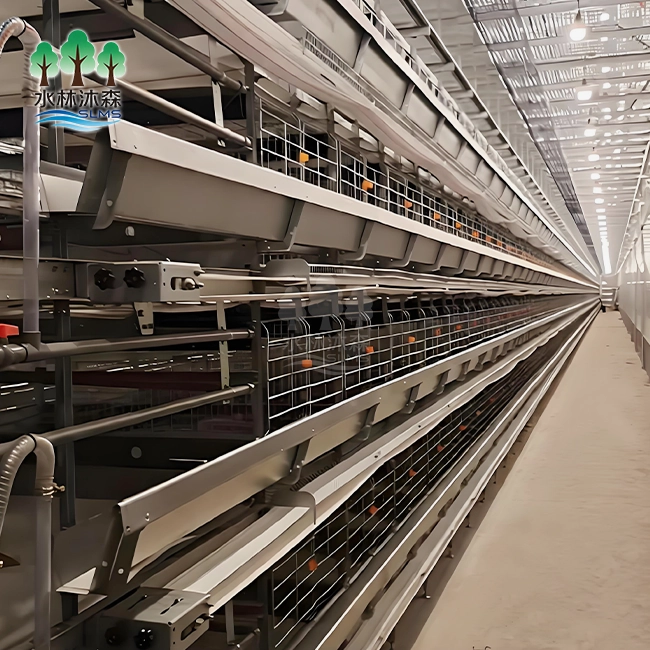
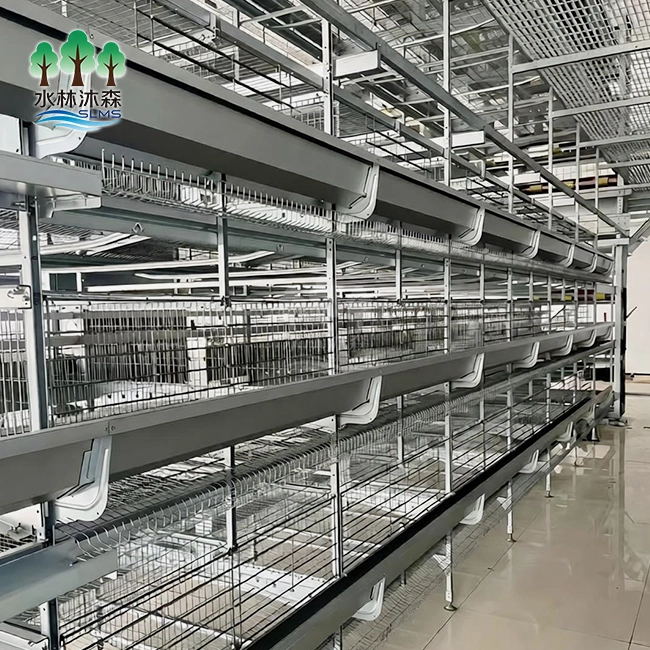
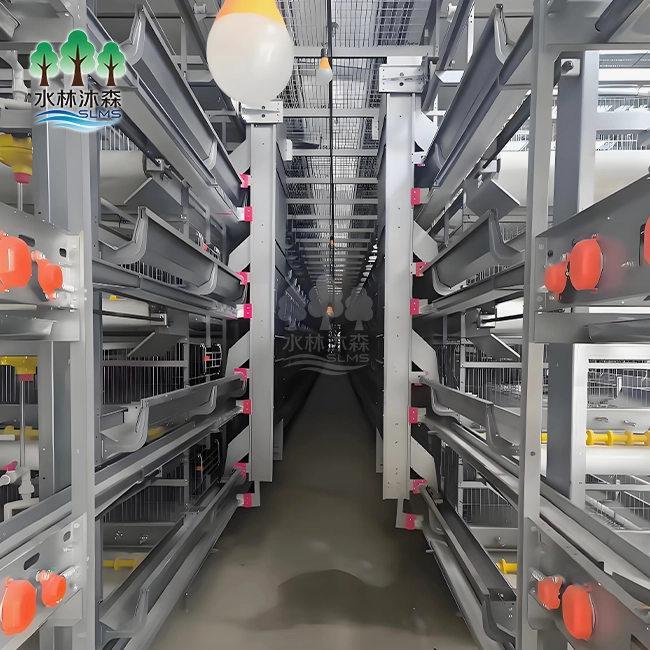
Modern methods for keeping chickens depend on well-organized pipe networks to bring food, water, and environmental control to all parts of the building. Poultry Shed Tube Clamp Mounts are the most important parts of this system because they hold these lines securely to the building, which stops them from sliding, causing damage from vibrations, and breaking down too soon.
What Makes Poultry Housing Pipe Mounts Different
For standard building clamps to last long in poultry settings with lots of ammonia, water, and acidic cleaning products, they need to be modified quickly. Specifically made mounts for livestock use materials that are resistant to chemicals and better gripping systems that keep the structure strong in these harsh circumstances. The clamp body, fastening parts, and fixing base make up the three-part design, which spreads mechanical stress better than single-piece options.
These mounting systems have a single framework that can hold feeding auger tubes, nipple drinker lines, misting pipes, and electrical tubing. Because it's so flexible, it gets rid of the need for different types of fasteners, which makes inventory management easier and cuts down on installation time.
Core Functional Advantages
When clamp mounts are chosen correctly, they provide measured practical benefits that go beyond just supporting pipes. Corrosion protection keeps your investment safe by keeping it from having to be replaced too soon. Options made of hot-dip galvanized steel are a cheap way to protect things in normal environments, while options made of 304 stainless steel work best in places with a lot of humidity or that use strict cleaning methods.
When handling fully loaded feed lines, the ability to distribute load is very important. During busy times, a mount that can handle idle loads of more than 50 kilograms per connection point keeps the line from falling apart completely. Internal stitching that doesn't slip keeps things in place even when flex-auger motor systems are vibrating all the time.
Another useful benefit is that maintenance entry is easy to get to. Quick-release features make it possible to change the height during flock growth cycles without taking the whole thing apart. Smooth, rounded features keep dust from building up and make it easier to clean thoroughly when the facility is washed down between production runs.
Material Selection and Environmental Durability
How long your fixing gear lasts and how often it needs to be maintained depend on the materials it is made of. For controlled settings with low ammonia levels, galvanized steel is a cost-effective option. The zinc covering reliably protects against rusting, which is important for keeping buildings ventilated and humidity-controlled. This choice is good for businesses that want to balance the starting cost with the expected service life.
The design of stainless steel gives better performance in tough circumstances. The chromium-nickel metal doesn't rust when exposed to ammonia and doesn't lose its shape when exposed to formaldehyde and glutaraldehyde-based disinfectants over and over again. The higher original cost leads to cheaper lifetime costs because it requires less upkeep and replacements more often. This choice of material is best for places that house more than 50,000 birds or that do business near the coast where salt air is present.
Core Criteria for Selecting the Best Poultry Shed Tube Clamp Mount
To choose the right tools, you need to compare a number of technical factors to your unique operational needs. The following factors are the building blocks of a good buying choice.
Dimensional Compatibility and Load Capacity
Matching the width of the tubes is the most basic requirement. From light misting lines to heavy-duty feed auger tubes, the Φ6-Φ75 range has all the usual pipe types used in agriculture. Most automated feeding systems use pipes with a diameter of 45 millimeters, while most nipple drinker lines are 22 to 28 millimeters in diameter. Making sure of exact fit avoids installation delays and makes sure of good mechanical grip.
Load-bearing ability takes into account both the weight that isn't moving and the forces that are. A fully loaded feed line creates constant downward pressure, while motor-driven auger systems add vibration and power transfer that happen in cycles. If you choose a Poultry Shed Tube Clamp Mount with a safety factor of at least three times the working load, you have enough room for stress events that you didn't expect. For proper support distribution, facilities with line lengths longer than 100 meters should shorten the time between mounts.
Installation Flexibility and System Integration
Modern chicken farms need mounting methods that can work with complicated route patterns. The tools you choose should be able to handle straight runs, changes in angle, and places where multiple lines meet. This gives you the freedom to place it in a way that doesn't get in the way of lighting systems, bird entry areas, or walkways for people.
How well operations run is directly related to how well they work with automatic feeding systems. It's easier to set up and more reliable systems that use mounts that work well with winching systems and height-adjustment mechanisms. Maintaining perfect horizontal alignment stops feed bridging and makes sure that all pans in the facility get the same amount of food.
Chemical Resistance and Cleaning Compatibility
Industrial-strength disinfectants are used to clean poultry buildings very well between flocks. Your fixing gear must be able to handle being exposed to these harsh chemicals over and over again without breaking. Mounts that meet standards for strength in pH ranges of 3 to 12 can handle all of the most popular cleaning products. The surface shape changes how well it cleans and how well it kills pathogens. Smooth, non-porous finishes keep bacteria from growing and let high-pressure wash-down processes get rid of all organic leftovers completely. When you have rounded edges, there are no dust traps that can hold dirt between cleaning processes.
Comparing Top Poultry Shed Tube Clamp Mount Solutions on the Market
There are a lot of different choices in the mounting hardware market, each with its own build quality, performance specs, and maker support. Understanding these differences helps buying teams get the most value for their money.
Heavy-Duty Versus Standard-Duty Applications
Heavy-duty clamps are used in high-stress situations where failure of the structure would have big effects on the process. These units have stronger clamp bodies, bigger fasteners, and better grip areas that keep them in place even in harsh circumstances. Automated feeding systems, especially ones that are longer than 150 meters, need this amount of building to keep the line from moving while they're working.
Standard-duty choices are a good way to save money on solutions for uses with less stress. These lighter options are better for water lines, misting systems, and wire handling because they don't compromise safety or dependability. Instead of over-engineering every connection point, facilities can get the most out of their equipment funds by matching Poultry Shed Tube Clamp Mount specifications to real load needs.
Evaluating Manufacturer Quality and Support
Choosing the right supplier has just as much of an effect on long-term happiness as the specs of the product. Manufacturers whose quality control methods are written down always do a good job on big orders. Look for providers who test output runs for tensile strength, crack resistance to environmental stress, and corrosion from salt spray.
Technical help infrastructure is what sets good providers apart from great partners. Having access to videos showing how to put something, thorough specifications, and quick engineering help lowers the risks of implementation. A warranty that lasts at least one year shows that the maker trusts you and keeps your investment from breaking down too soon.
Customization lets you meet the specific needs of your building that standard goods can't fully meet. Manufacturers who offer changes to the dimensions, special coatings, or combined mounting solutions can help you make the best designs for setups that are more complicated. This freedom is helpful when fixing up older buildings or putting new living ideas into action.
How to Procure Poultry Shed Tube Clamp Mounts Effectively
Strategic procurement practices make sure that deliveries are made on time, prices are fair, and that suppliers can be counted on to support long-term business goals.
Supplier Qualification and Vetting
To find reliable suppliers, you need to look at a number of potential signs. Manufacturing knowledge in the agricultural equipment business shows that you know what the needs of that market are. Companies that have been around for eight years or more have shown that they can handle changes in the market and keep customers happy enough to keep the business growing.
Order delivery dependability is affected by production capacity. Suppliers that have dedicated research and development teams and release three or more new goods every year show that they are committed to always getting better and making technology better. Focusing on innovation means having access to cutting-edge solutions that make operations run more smoothly.
Quality control methods make sure that products always work the same way. Manufacturers who use thorough checking processes from choosing the raw materials to delivering the finished product lower the chance that faulty parts will get to your facility. Before making big purchases, make sure you have proof of the testing methods and the material's licenses for your Poultry Shed Tube Clamp Mount order.
Pricing Structure and Total Cost Optimization
The initial buying price is only one part of the total cost of owning. When reviewing supplier offers, look at things like guarantee coverage, the availability of replacement parts, and the expected service life. A slightly more expensive choice that is more durable and comes with better customer service may be a better deal over the equipment's useful life.
When you buy more and stay with the same source for a long time, you can get volume savings. To get better prices, you can coordinate purchases across various locations or form partnerships with nearby businesses to reach certain quantities. Some makers offer project-based pricing that bundles mounting hardware with other equipment that works well with it. This makes planning and managing vendors easier.
After-Sales Service and Technical Assistance
Reliable expert help makes installation easier and speeds up the project's finish. Maintenance teams don't have to learn as much when suppliers offer installation videos, on-site advice, and help with problems. This help is especially useful when installing mounting systems in the building of a new facility or huge repair projects.
The terms of the warranty show how committed the maker is to the quality of the product. During the important break-in time, a one-year free warranty that covers material defects and production flaws can save you from having to pay for replacements that you didn't expect. Make it clear how to file a guarantee claim and how long it usually takes for an answer before signing the purchase agreement.
Installation and Maintenance Best Practices for Optimal Performance
Pre-Installation Planning and Preparation
Planning carefully for line routing, load sharing, and entry needs is the first step to a successful installation. Before you buy gear, make a map of your entire pipe network to make sure that you can accurately calculate quantities and match specifications. Think about things like expansion joints, the slope needed for drainage, and the distance needed to avoid heat sources or sharp points.
Check the load ability of the building construction at the planned attachment points. The weight of all the installed equipment must not cause the roof trusses and support beams to bend too much. When putting in heavy feeding systems in older buildings, look at the building's structure paperwork or have an engineer look it over before installing the Poultry Shed Tube Clamp Mount system.
Step-by-Step Installation Protocol
Thoroughly clean fastening surfaces to get rid of dust, oils, and other things that make grips less effective. Place the clamp body around the pipe and make sure it is straight before tightening the screws. Use the right torque values for the fastener's size and material to keep the pipe from being over-compressed, which can bend it, or under-tightened, which can let it slip. Install posts at the suggested distances, which are usually three meters for water systems and one meter for feeding lines. Keep the slope the same along straight runs to avoid drainage issues or air pockets forming. Before tightening all the way, use level markers to make sure everything is lined up correctly.
Ongoing Maintenance and Inspection Schedules
Set up inspection schedules that check for clamp strength, rust development, and pipe alignment every three months. Check for rust on the screws, stress cracks in the clamp bodies, or signs of movement that the grip isn't good enough. Take care of small problems right away, before they get worse and cause system failures that need emergency fixes. When the building is cleaned between groups, make sure the fastening hardware is clean. Take away the dust and organic matter that has built up and is causing rust and germs to grow. Check the rubber gaskets or grip pieces for damage, and repair any that are worn out before they lose their holding power.
Conclusion
To choose the best pipe mounting hardware, you have to weigh technical requirements against working needs and price limits. The right tools will work reliably for years of heavy use while requiring the least amount of upkeep and repair costs. Choosing the right material (galvanized or stainless steel), making sure the sizes match correctly across the Φ6-Φ75 range, and making sure they work with automatic systems are all important parts of making smart buying choices.
Just as important are the skills of the supplier, such as their strict quality control, expert support infrastructure, and ability to make changes that fit the needs of each center. Installing things correctly by following the manufacturer's instructions and doing regular maintenance will protect your Poultry Shed Tube Clamp Mount investment and keep it working reliably in tough chicken production settings.
FAQ
How do I figure out what size clamp I need for the pipes I already have?
For accuracy, use calipers or a circle tape to measure the outside diameter of your pipes. Compare this measurement to the clamp's range of diameters, making sure the pipe is in the middle of the range and not at either end. Standard farm pipes can fit in our Φ6-Φ75 range for the Poultry Shed Tube Clamp Mount. Before you place your order, please check your measurements with our expert team.
Can these mounts handle the ammonia that is present in deep-litter broiler houses?
The materials we use for our mounts were carefully picked to be resistant to chemicals like ammonia and organic acids that are common in poultry settings. Options made of hot-dip galvanized steel can handle modest levels of ammonia, while options made of 304 stainless steel work best in buildings with a lot of ammonia. Both options are made of materials that don't break down easily like most building gear does.
What spacing intervals do you recommend for feeding system installations?
Place mounts every 2.5 to 3 meters along the feeding lines to keep them straight and stop them from sliding. Water lines need to be closer together, about 0.6 to 1 meter apart, because they are lighter and need to be placed horizontally precisely. Lessen the distance between sites where line lengths are longer than 100 meters or where very big auger systems are being supported.
Partner with Shuilin Musen for Reliable Mounting Solutions
Every fixing part that Weifang Shuilin Musen Aquaculture Equipment Co., Ltd. makes is the result of eight years of specialized production experience. Our engineering team makes Poultry Shed Tube Clamp Mounts that work well in the harsh, high-stress conditions of large chicken farms. We offer full support, from choosing the specifications to helping with the installation. This is backed by a one-year guarantee and quick expert support. Email our team at wangshuaislms@gmail.com to talk about your facility's needs and get personalized advice from a reputable supplier.
References
1. Smith, J.R. (2021). "Structural Design Considerations for Modern Poultry Housing Systems." Journal of Agricultural Engineering Research, Vol. 45, pp. 112-128.
2. Anderson, M.K. & Chen, L. (2020). "Corrosion Resistance of Fastening Systems in Livestock Facilities." Materials Science in Agriculture, Vol. 33, No. 2, pp. 67-82.
3. Thompson, D.W. (2022). "Automated Feeding System Installation Best Practices." Poultry Production Technology Quarterly, Vol. 18, pp. 44-59.
4. Roberts, P.J. (2019). "Load Distribution Analysis in Agricultural Pipe Support Systems." International Journal of Farm Equipment Engineering, Vol. 29, No. 4, pp. 201-215.
5. Williams, S.T. & Martinez, R. (2023). "Equipment Longevity in High-Ammonia Environments: A Comparative Study." Agricultural Equipment Durability Review, Vol. 12, pp. 88-103.
6. Davis, K.L. (2020). "Cost-Benefit Analysis of Material Choices in Livestock Facility Construction." Farm Management Economics Journal, Vol. 37, No. 3, pp. 156-172.
Learn about our latest products and discounts through SMS or email