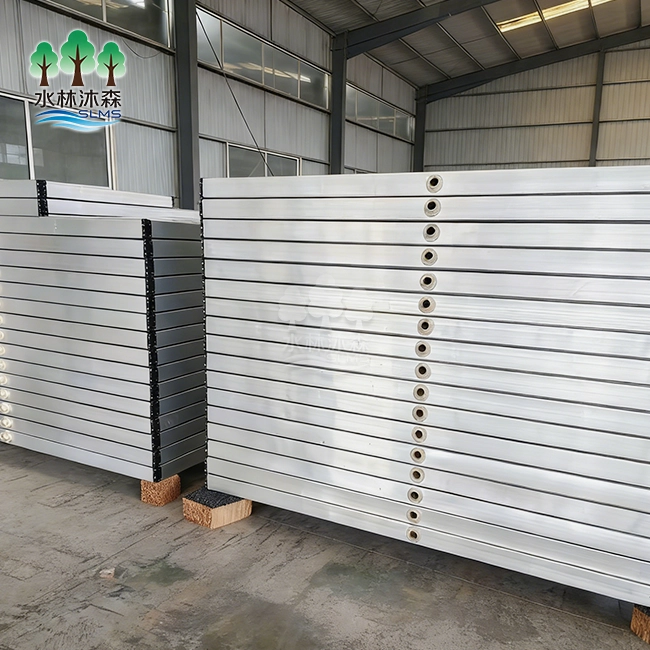
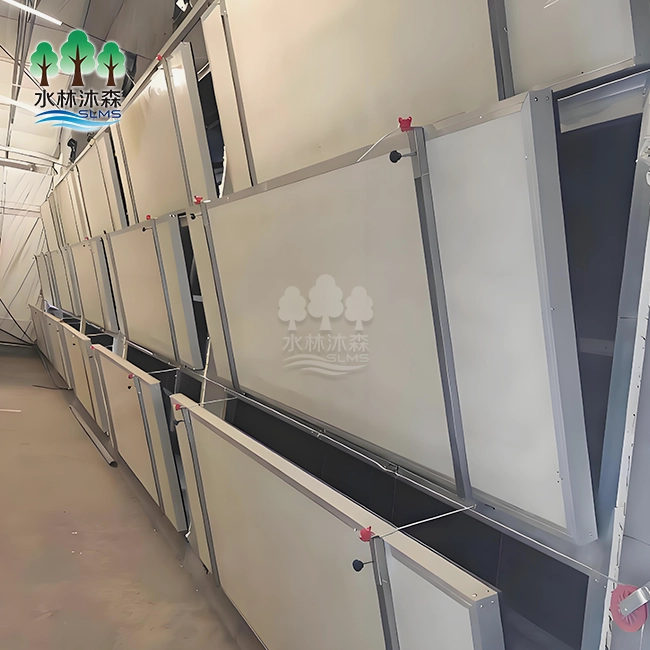
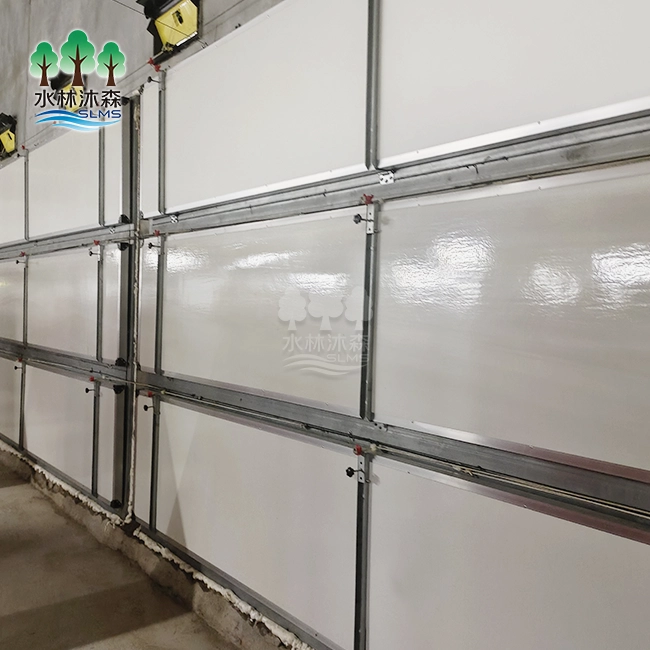
Chicken coop floor systems with energy-efficient rotating fan mounts
Keeping the air flow right throughout a big poultry business has a direct effect on the health of your flock and your bottom line. The Chicken Coop Floor System Rotating Fan Mount is a unique ventilation system designed to solve the specific airflow problems that come up in modern commercial chicken houses. This mounting method allows for full 360-degree spinning, which cools and circulates air evenly throughout all areas of floor-raised chicken and duck farms. These rotating fan mounts get rid of hot spots, lower ammonia levels at bird level, and lower operational costs by combining energy-efficient technology with strong construction. These are all important factors for procurement managers looking for reliable ventilation equipment for intensive farming environments.


Understanding Chicken Coop Floor Systems and the Role of Rotating Fan Mounts
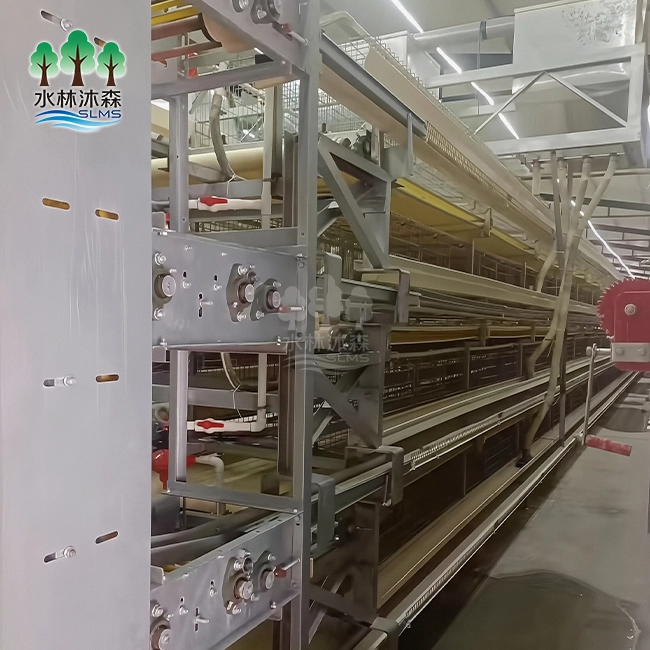
There are ventilation attachment systems that hold up circulation fans and connect them to the structures of the chicken house. These mounts are not like regular industrial fan brackets; they work directly with floor-raised poultry systems, whether you have slatted floors, deep litter systems, or aviaries with multiple levels.
Definition and Core Functionality
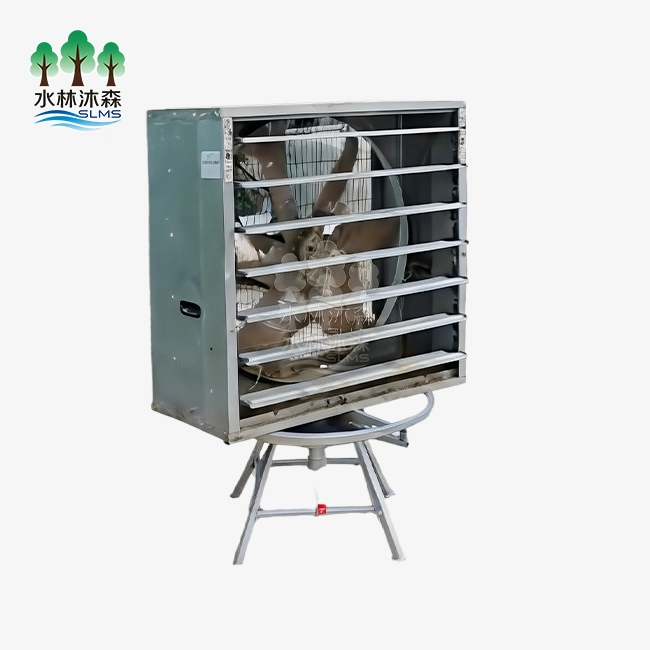
The technical link between your ventilation equipment and the building frame is a Chicken Coop Floor System Rotating Fan Mount. The thing firmly connects to vertical posts, truss chords, or ceiling beams and holds fans with diameters between 50 and 80 centimeters. The rotation system lets workers direct airflow exactly where it's needed, like to dry out wet areas near watering lines or break up thermal layers that fall near the floor. Professional-grade mounts are different from static ones because they can direct airflow.
Integration with Flooring Systems
Modern poultry farms that raise their chickens on the floor need air systems that work with the way their floors are built. Chicken Coop Floor System Rotating Fan Mount units place fans in deep litter systems to speed up the drying out of bedding material, which lowers ammonia emissions and stops hock burn. The height and angle settings can be changed to fit a range of coop plans, from simple broiler houses with one level to complicated layer coops with nesting areas.
Material Selection for Agricultural Durability
Because of the tough conditions inside chicken houses, which include high humidity, ammonia exposure, and a buildup of dust, fixing hardware needs to be made from materials that don't rust. For strong defense against chemical damage, hot-dip galvanized steel is recommended. For high-end setups, stainless steel 304 parts may be used. These choices of materials make sure that the integrity of the mounting stays stable over years of constant use. This stops structural breakdowns that could hurt animals or damage equipment.
How Energy-Efficient Rotating Fan Mounts Optimize Ventilation and Productivity?
Not enough air flow causes many problems in the workplace that have a direct effect on your bottom line. Stagnant air spaces can cause respiratory diseases, birds are stressed when temperatures aren't even, and feed conversion rates go down when too much moisture builds up on floors.
Addressing Common Airflow Problems
Traditional fans that stay in one place make air patterns that are reliable but not very flexible. When birds are outside of the direct wind zone, the conditions are very different from when birds are in the fan's direct path. This lack of stability causes uneven growth rates and higher death rates in places that don't have enough air flow. A Chicken Coop Floor System Rotating Fan Mount system constantly moves air across the whole floor area, getting rid of these dead zones and making sure that all birds, no matter where they are in the building, are in the same environment.
Advanced Airflow Engineering Principles
The device for turning spins on a timed loop, usually going around all 360 degrees every 60 to 90 seconds. This back and forth movement keeps the air flow from getting too strong in any one spot while keeping it in circulation all over the room. The fixing system lets you precisely change the angle, so you can direct air downward toward the floor to cool the room in the summer or horizontally along the roof in the winter to mix layers of air without making drafts at bird level.
Measurable Performance Improvements
Businesses that use Chicken Coop Floor System Rotating Fan Mount units say they get a lot of practical benefits. When compared to standard ventilation systems, rotating systems spread air more efficiently, meaning that fewer fans are needed to get enough movement. This means that energy use drops by about 25 to 35 percent. When litter dries faster, the amount of ammonia in the air drops by 30 to 40 percent, which directly leads to fewer lung problems and lower medical costs. The temperature becomes much more uniform, with differences across the floor area dropping to less than three degrees Fahrenheit. This makes the growing conditions more reliable.
How to Select the Best Energy-Efficient Rotating Fan Mount for Your Chicken Coop Floor System?
When making a procurement choice, you need to carefully compare the technical specs to your operational needs. The mounting system needs to work with the frame of your building, support the fan types you choose, and work reliably through multiple production cycles.
Key Selection Criteria
When looking at different Chicken Coop Floor System Rotating Fan Mount choices, it's important to pay close attention to a number of technical factors. To account for vibrations and dynamic forces during operation, the load capacity must be at least four times the weight of your fan. The device for turning should have sealed bearings that don't let dust in and don't need much oil. Voltage compatibility is very important. Our spinning mount systems can work with both 220V and 380V configurations, so they can be used with a wide range of electrical infrastructure.
Evaluating Energy Efficiency Features
Low-friction bearings reduce parasitic power loss during spinning cycles and are used in energy-efficient designs. For constant use, the motor that turns the device should draw as little current as possible, usually less than 50 watts. Some high-tech systems have programmable controls that change the speed of spinning and the amount of time the blades stay in one place based on real-time temperature readings. This makes the air flow better while using less electricity.
Customization and Bulk Procurement Considerations
Customization options that meet the needs of each place are helpful for large-scale businesses. Different mounting heights can be made to fit different building designs, corrosion-resistant coatings can make equipment last longer in harsh settings, and spinning patterns can be changed to fit different floor plans. Volume discounts are very helpful when buying things for a lot of different buildings or when doing big repairs. By working with makers that offer OEM customization services, you can be sure that you will get solutions that are perfectly matched to your business needs. This way, you won't have to change your facilities to work with standard equipment.
Installation, Maintenance, and Repair of Rotating Fan Mounts in Chicken Coop Floor Systems
Installing something correctly sets it up to work reliably for years to come, and regular maintenance keeps expensive breaks and equipment problems from happening.
Step-by-Step Installation Process
Start by finding good places to put it that will give it enough structure support for dynamic loads. Before making mounting holes, you should check the load-bearing ability of any vertical posts or truss parts. In normal broiler operations, a Chicken Coop Floor System Rotating Fan Mount should be placed between 1.2 and 1.8 meters above the floor to get the best air flow. Clearly mark where the fixing holes will go so that the fan can clear everything in its path as it spins.
Use the right fasteners that the manufacturer recommends. For steel connections, grade 8.8 structural bolts are usually best, and for wooden buildings, lag screws rated for farm use are best. Put vibration-dampening washers between the base and the building structure to keep motor noise from transferring and to stop echoes. Once the main fixing bracket is in place, attach the fan according to the manufacturer's instructions, making sure that all electrical connections meet the standards of your area's building code. Before turning on the fan motor, run the spinning mechanism through a few full rounds to make sure it works smoothly and doesn't make any strange noises.
Routine Maintenance Schedules
Setting up a schedule for preventive maintenance can greatly increase the life of your tools. Every six to eight weeks, or after each production cycle, check all of the fastening bolts to make sure they are still tight. Constant vibration will slowly loosen screws. Clean the rotating parts of any dust that has built up and grease the hinge points with food-grade oil. Check electrical connections for rust, especially in places with a lot of moisture, where condensation can weaken the connections.
Troubleshooting Common Issues
When spinning mechanisms don't go through their full rounds, it's usually because the motor or the mechanism is stuck. Check the line of spin for any obstacles, make sure the mounting bolts haven't come loose and let the assembly move, and check the voltage coming from the motor power source. Too much noise is generally a sign of worn bearings or loose attachment hardware, which are easy fixes if taken care of quickly. If the fan shakes a lot while it's running, make sure the fan blades are still balanced and the fixing hardware is still tight. Vibration speeds up wear in the whole system.
Cost and Energy Efficiency Analysis for Sustainable Chicken Coop Ventilation
To get a full view of the finances, you need to look at both the original investment and the ongoing costs of running the equipment over its lifetime.
Comparing Energy Consumption Patterns
Multiple fixed-position fans that move the same amount of air use a lot more electricity than Chicken Coop Floor System Rotating Fan Mount units with energy-efficient motors. A normal setup with four spinning mounts and 80-centimeter-diameter fans running at low power draws around 600 to 800 watts total. This is in contrast to six to eight fixed fans that need 1,200 to 1,600 watts to achieve the same amount of air flow. This difference means that each house will save between 4,000 and 6,000 kilowatt-hours per year during a normal production year with six to seven flock rounds.
Total Cost of Ownership Evaluation
When figuring out the return on investment, you should look at all of the costs that come up over the span of the tools. Depending on the features and materials used, the initial cost of buying a good rotating mount can run from modest to high. Initial costs are higher when installation work is added, but this cost is kept to a minimum by using simple hanging methods. Costs of operations include things like power use, upkeep supplies, and replacing parts every so often.
Regulatory Compliance Considerations
More and more, US farms are being looked at closely to see how they affect the environment and how much energy they use. In major areas that raise chickens, state laws either support or require the use of energy-efficient tools through a variety of incentive programs. Chicken Coop Floor System Rotating Fan Mount systems help sites get the voluntary green approvals that big chicken integrators and processors want. Recording drops in energy use helps meet environmental reporting requirements and boosts companies' green ratings.
Conclusion
Using Chicken Coop Floor System Rotating Fan Mount units that use less energy changes how well ventilation works in businesses where chickens are raised on the floor. These special positioning systems make the air quality, temperature regularity, and energy use better while also lowering the long-term costs of running the system. The fact that it can rotate 360 degrees, is built to last with corrosion-resistant materials, and uses little power solves the main problems that industrial poultry plants face today. Procurement managers find ventilation solutions that protect flock health, increase productivity, and last for years by carefully choosing ones based on load capacity, electricity specs, and site-specific needs.
FAQ
Q1: Can rotating fan mounts integrate with existing ventilation control systems?
A: Standard farm control systems can be used with a quality Chicken Coop Floor System Rotating Fan Mount without the need for special setup. The system for turning works separately from the controls for the fan motor, so it can be integrated with temperature monitors and ventilation controllers that are already in place. Most systems can work with simple on-off signs or can run all the time on their own circuits.
Q2: What maintenance intervals ensure optimal performance?
A: Every six to eight weeks during busy production periods, check the mounting gear and turning mechanisms. During these checks, clean up any dust that has built up, make sure the bolts are tight, and grease the hinge points. Replace bearings once a year or when they make strange noises that suggest they are worn out. This will keep them from breaking down at crucial times during production.
Q3: How does rotation speed affect air distribution?
A: Standard spin cycles go around in a circle 360 degrees in 60 to 90 seconds, making sure that there is enough time to stay in each position and keep the air moving. While faster spinning makes conditions more uniform, it may not cool as well in some areas. On the other hand, slower cycles increase the strength of the targeted airflow but leave gaps in covering for a short time.
Partner with Shuilin Musen for Complete Ventilation Solutions
Shuilin Musen Aquaculture Equipment Co., Ltd. sells Chicken Coop Floor System Rotating Fan Mount systems that have been used successfully in industrial chicken farms. Our dedicated team of five engineers comes up with unique ventilation solutions using their eight years of experience making farm machinery. Our Chicken Coop Floor System Rotating Fan Mount we manufacture features hot-dip galvanized construction, accommodates voltage ranges from 220V to 380V, and includes comprehensive technical support with installation videos and one-year warranty coverage.
Whether you require standard 80-centimeter mounts or customized configurations for unique facility layouts, our manufacturing capabilities support both individual purchases and bulk orders with competitive pricing for Chicken Coop Floor System Rotating Fan Mount suppliers. Contact our technical team at wangshuaislms@gmail.com to discuss your project requirements, request detailed specifications, or arrange factory consultations. Visit slms-equipment.com to explore our complete product range and access technical resources that support successful implementation.
References
1. Aviagen. "Ventilation and Fan Management in Broiler Production." Broiler Management Handbook, 2022.
2. Donald, J. "Poultry Production Systems: Behavior, Management and Welfare." CABI Publishing, 2018.
3. Midwest Plan Service. "Structures and Environment Handbook: Design of Ventilation Systems for Poultry and Livestock Shelters." Iowa State University Extension, 2019.
4. National Chicken Council. "Animal Welfare Guidelines and Audit Checklist for Broiler Chickens." Industry Standards Publication, 2020.
5. Purswell, J.L., and Davis, J.D. "The Role of Ventilation Systems in Modern Poultry Production." ASABE Technical Papers, 2021.
6. Xin, H., Gates, R.S., Green, A.R., et al. "Environmental Impacts and Sustainability of Egg Production Systems." Poultry Science Journal, Vol. 90, 2021, pp. 263-277.
Learn about our latest products and discounts through SMS or email