Top Benefits of Automatic Egg Transfer Conveyor in Layer Chicken Houses
There is a lot of pressure on modern layer farms to be more efficient while keeping egg quality high and prices low. These problems can be solved by a Chicken Farm Egg Transfer Conveyor, which moves eggs automatically from collection lines to places where they are processed. This special equipment cuts down on human handling by more than 40%, prevents breaking through gentle transfer mechanisms, and works perfectly with cage systems that are already in place. Automated conveyors change daily tasks by getting rid of bottlenecks in egg collection. This lets farm managers use workers on more important management tasks while keeping the flow of products steady during production cycles.


Introduction
Collecting eggs by hand in layer chicken houses is one of the hardest and most time-consuming tasks in poultry farming. Every day, workers spend hours collecting eggs from thousands of nesting sites, which puts both the eggs and hygiene at risk. Chicken Farm Egg Transfer Conveyors change this process by making a continuous flow system that moves eggs safely from areas where they are laid to areas where they are packed without any help from a person.
These days, chicken farms need answers that balance the money they spend at first with the money they save in the long run. When companies decide what equipment to buy, they are increasingly looking for systems that can give them measured returns by making them less reliant on labour, improving product quality, and increasing production capacity. Knowing how automated conveying technology works with current systems helps farm managers, equipment dealers, and field experts make smart decisions that support practical goals and adhere to hygiene standards in the industry.
Understanding Automatic Egg Transfer Conveyors in Layer Chicken Houses
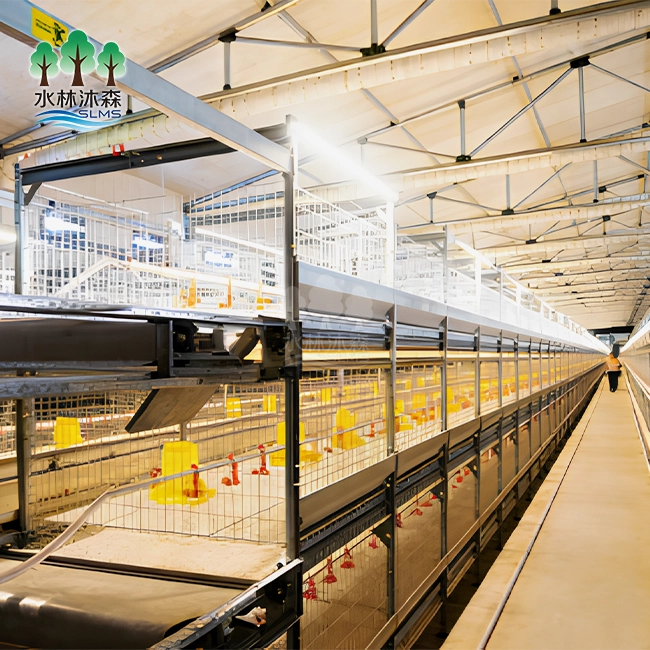
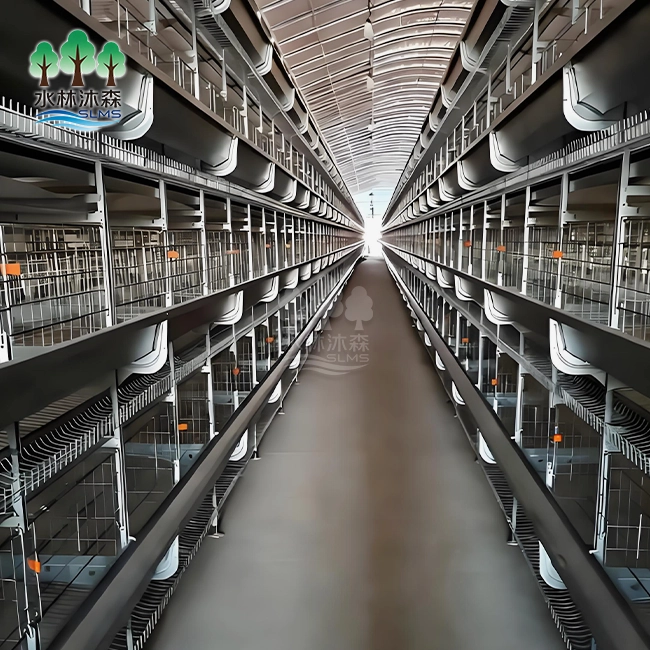
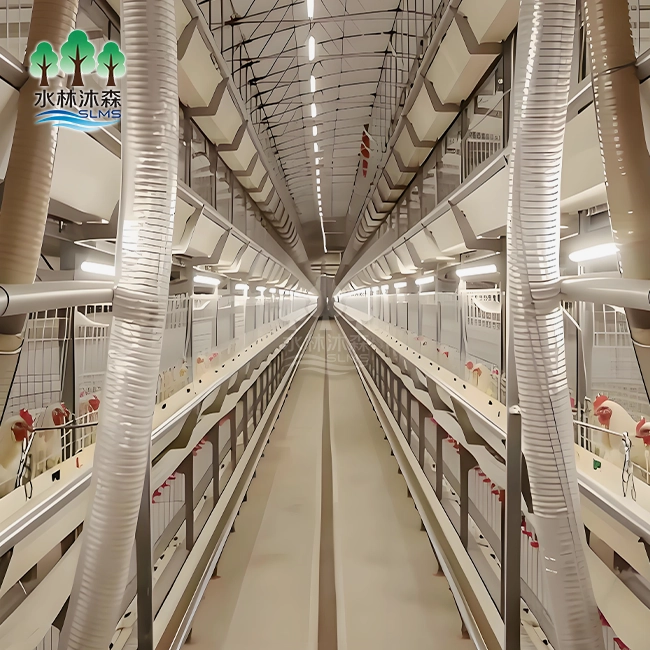
Specifically designed for the needs of layer operations, Chicken Farm Egg Transfer Conveyors are high-tech mechanical solutions. Precision belts or rod chains, drive motors with variable frequency controls, sensor arrays, and structural support frames make up these assemblies. They are made to move fragile items over lengths of 50 to over 300 meters.
Core Components and System Architecture
The materials used and the way they are built are the most important parts of any successful conveying system. Belts made of high-quality polypropylene or polyethylene that are between 0.4 mm and 1.2 mm thick are the best combination of being flexible and long-lasting. Belt lengths are usually between 100 mm and 300 mm, so they can fit a range of egg sizes and production rates. The support framework made of galvanised steel or 304 stainless steel can stand up to the harsh environment of chicken house that is full of ammonia and still keep its structural integrity after years of use.
Modern systems have tension components that can be changed to account for changes in temperature and the lengthening of materials. This keeps the belts in the same place and stops problems with imbalance that could damage the products. Variable frequency drives in drive units let workers change moving speeds based on real-time production needs. This keeps the flow of eggs in sync with equipment further down the line.
Integration with Farm Infrastructure
For adoption to go smoothly, the current farm plans and work flows must be carefully thought through. Conveyors have to deal with changes in vertical slope, building transitions and collection lines from more than one cage row. Modern designs have flexible parts that can go around bends of up to 180 degrees without any transfer points. This gets rid of the impact zones where eggs usually get tiny cracks. This continuous-flow design keeps the product's integrity during transport by keeping the protected cuticle layer and lowering the risk of contamination.
Top 5 Benefits of Using Automatic Egg Transfer Conveyors
Investing in Chicken Farm Egg Transfer Conveyor technology has huge practical benefits that go far beyond just cutting down on labour. The following benefits show why advanced layer operations around the world see communication systems as important infrastructure.
Enhanced Operational Efficiency and Throughput Capacity
Continuous automated movement changes the way production works in layer houses in a basic way. Egg flow patterns aren't always regular with traditional manual collection processes, which happen twice or three times a day in separate groups. Chicken Farm Egg Transfer Conveyor systems keep moving products steadily during laying times. This keeps them from building up in nesting areas, which would increase the risk of pollution and shell damage from birds.
The throughput ability goes up directly with the size of the farm. Small operations that move 15,000 eggs every day have a steady flow that keeps collection lines clear, while big commercial facilities that process over 100,000 eggs every hour have synchronised operations where collection, transport, and marking all happen at the same time. This synchronisation cuts down on waiting times, keeps products fresh, and allows for just-in-time handling, which makes cold chain management better.
Significant Labor Cost Reduction
In layer production, labour costs are a big part of the constant costs of doing business. To collect eggs by hand, dedicated workers have to spend several hours each day going through house interiors, getting to nesting areas, and carefully moving collected eggs to processing stations. Chicken Farm Egg Transfer Conveyors get rid of this hard-to-do task, which lets businesses cut their collection staff by 40% or more and put those workers to work on more important tasks like keeping an eye on the health of the flock, maintaining equipment and managing the building.
The effect on the economy goes beyond just saving wages. Less human traffic in production areas lowers biosecurity risks, which means fewer disease-carrying insects that could hurt the health of flocks. When there are fewer people handling eggs, there is less risk of workers' compensation and less training is needed because the job is less about manual skill and more about keeping an eye on the tools.
Superior Product Quality and Reduced Breakage
Shell integrity has a direct effect on profits by affecting the yield of products that can be sold and the happiness of customers. When shells are handled by hand, they come into touch with rough surfaces, are put under too much pressure, or are hit. Even tiny cracks that can't be seen with the naked eye let germs in, which shortens the shelf life and raises the risk of food safety.
Our Chicken Farm Egg Transfer Conveyor system uses gentle transfer devices that keep contact forces below the levels that are required by the industry. Rod-style conveyors have an open-grid design that reduces the touch surface area. This lowers the number of pressure points and lets feathers and other waste fall off the eggs instead of sticking to them. This ability to clean itself keeps things clean along the transport line, which follows food safety rules and cuts down on the need for washing further downstream.
Breakage rates drop from about 2-5% when collected by hand to less than 0.5% when automated systems are properly calibrated, according to statistics from business sites. For businesses that lay 50,000 eggs every day, this improvement means keeping over 1,000 more eggs that can be sold every day. This protects a lot of money and speeds up the equipment's return on investment. Even hairline cracks that can't be seen with the naked eye are significantly reduced.
Robust Safety Features and Regulatory Compliance
Modern farms are getting more and more attention from regulators when it comes to worker safety and animal care. Chicken Farm Egg Transfer Conveyors handle both issues with safety procedures and features that make them easier to use. Placed at strategic points, emergency stop devices let the system shut down right away if problems happen. Guarding devices keep people safe from moving parts while still letting them get to them for regular repair.
Lessening the number of people in laying areas helps achieve animal care goals by reducing disturbances that cause stress during peak production times. Birds lay eggs more consistently when they don't have to deal with people as much during their daily habits. This leads to higher production levels and better flock health.
Scalability and Customization Flexibility
Agricultural operations are always changing. As markets and management styles shift, so do plans for growth, shifts in output, and improvements to how things are done. Chicken Farm Egg Transfer Conveyor additions of sections to modular conveyor designs allow for growth by increasing transport lengths or capacity without having to replace the core infrastructure. Different facility plans can be accommodated by customisation choices that include changes in slope, building transitions, and the ability to work with certain cage systems or processing equipment.
Our tech team works with clients to create custom solutions that meet their exact operating needs. Customised configurations make sure that the best performance within budget limits is achieved while still being compatible with plans for future growth, whether they are adapting to current facilities or creating integrated systems for new construction projects.
Comparison and Decision-Making: Choosing the Best Egg Transfer Conveyor
When choosing equipment, it's important to look at a lot of different things that affect both how well it works right away and how well it works in the long run. Structured comparison methods that weigh technical requirements against operational goals can help with purchasing choices.
Material Selection: Balancing Durability and Hygiene
The materials used for equipment parts directly affect how long it lasts, how much upkeep it needs, and how well it cleans. Frameworks made of stainless steel are the strongest and least likely to rust. This makes them especially useful in places with a lot of moisture or strict cleaning rules. The substance can survive multiple washes with high-pressure water and chemical disinfectants without breaking down, meeting strict hygiene standards.
Polypropylene and plastic belt materials are more flexible and resistant to chemicals than metal options, and they cost less too. These plastics don't absorb water, germs can't grow on them, and their shape stays stable over a wide range of normal working temperatures. When choosing materials, it's important to keep in mind the conditions of the building, the cleaning rules, and the budget, as well as following all food contact laws.
Energy Efficiency and Operating Costs
Modern machine designs put a lot of emphasis on environmentally friendly operations by using less power and making drive systems work better. Variable frequency drives change the motor speed based on the flow of products. This way, they only use as much energy as they need to instead of going at full power all the time. This smart power management cuts electricity costs by 15–25% compared to older systems that used set speeds. It also makes motors last longer by reducing heat stress.
When figuring out the total cost of ownership, you should look at how much energy the equipment is expected to use over its estimated lifespan, which is usually between 10 and 15 years with proper upkeep. Facilities that have to pay for utility demand charges can gain a lot from systems that use load-smoothing modes to reduce the high power draw.
Return on Investment Calculation
To make an investment in technology financially viable, you need to carefully plan how the money you save will be used to improve quality, efficiency, and cost-effectiveness. The most immediate and measurable benefit is less work that needs to be done. The payback time is usually between 18 and 36 months, but it depends on the size of the business and the wage rates in the area. Some other financial benefits are less product loss from better handling, higher flow that lets production grow without having to expand the building in the same way, and better product quality that lets you charge more for it.
Maintenance Tips and Troubleshooting for Automatic Egg Transfer Conveyors
Systematic repair plans and quick resolution of operating problems are key to making sure that equipment works well. Setting up habits for preventive repair cuts down on unplanned downtime and increases the service life of parts.
Routine Maintenance Protocols
As part of daily operational checks, the tracking belt should be aligned, odd drive noise that could mean worn bearings should be listened for, and system diagnostics should be used to ensure that sensors are working. Every week, you have to clean out under the conveyor sections, make sure the chain tension is right, and check the structure bolts for looseness caused by vibrations from the operation.
As part of the machine's monthly maintenance, food-grade oils are used to grease the drive parts, the belt surfaces are carefully checked for damage or wear patterns, and the emergency stop works. Chicken Farm Egg Transfer Conveyor drive motors should be inspected every three months, electrical connections should be tightened, and worn-out parts that are getting close to the end of their useful lives should be replaced.
Common Issues and Resolution Strategies
Misalignment of the belt is the most common operating problem. This can be caused by uneven tension, worn return rollers, or dirt building up on the tracking guides. Before action can begin again, correction includes adjusting tension equalisers and cleaning tracking surfaces. When a motor gets too hot, it's usually because the belt is too tight or a drive component is stuck, which needs to be looked into right away to avoid failure.
Sensor mistakes stop the system from working properly by giving fake readings that cause safety shutdowns or make the system work in an irregular way. Most sensor problems can be fixed without replacing any parts. All that needs to be done is to clean the lens, make sure the sensor is securely mounted, and check the electrical connections. Keeping a collection of extra parts like belts, motors, sensors, and drive components on hand lets you fix things quickly, which keeps production running as smoothly as possible.
Procurement Guide: How to Buy and Source Reliable Automatic Egg Transfer Conveyors
Strategic equipment buying means looking at what suppliers can do, making sure the quality of the products they sell, and building support relationships that last as long as the equipment is in use.
Supplier Evaluation Criteria
Reputable makers show their technical know-how by offering engineering support, thorough product paperwork, and a history of successful installations in a wide range of settings. Certification to the right quality standards guarantees that the products are made consistently and reliably. A warranty that shows the manufacturer's trust usually lasts at least one year to protect all of the parts.
Infrastructure for after-sales help is essential for long-term customer happiness. Check the timeliness of the provider by calling their references, making sure that replacement parts are available, and making sure that technical support resources are easy to get to, such as installation help, troubleshooting help, and upkeep training resources.
Specification Development and Quotation Process
Accurate equipment specs make sure that supplier offers meet the real needs of the business. Write down how much is being made now, how big the facility is (including any important changes in elevation or distances that need to be met), what infrastructure is already there so that it can be integrated, and any external factors that might affect the choice of equipment. Detailed specs make it possible to compare proposals in a useful way and keep execution surprises to a minimum.
Ask for full quotes that include the price of the equipment, installation services, help with setup, training for operators, and packages for ongoing upkeep. Comparing the total cost of ownership and making budgets are easier when prices are clear. Delays that cost a lot of money can be avoided by setting clear delivery dates that work with building plans or seasonal production needs.
Conclusion
By making measurable gains in efficiency, product quality, and labour productivity, Chicken Farm Egg Transfer Conveyors are smart investments that change the economics of layer operations. Modern equipment made with long-lasting materials, smart controls, and designs that focus on cleanliness works reliably at a range of operating levels. Implementation will go well if you use systematic ways to buy things that check suppliers' skills, make sure they meet technology requirements, and plan for long-term support relationships. Poultry farms are under constant pressure to become more competitive while still meeting food safety standards. Automated egg handling technology is a key part of the infrastructure needed for long-term growth.
FAQ
What production volume justifies automated egg conveyor investment?
Businesses that lay 10,000 or more eggs every day usually get a good return on their investment because they save money on labour and improve quality. Smaller businesses gain when plans to grow or problems finding workers make Chicken Farm Egg Transfer Conveyor investment strategically important, even if it takes longer to pay for itself.
How long does installation typically require for a conveyor system?
Installation times depend on how complicated the system is and how ready the building is. Standard setups in ready buildings usually need 3-5 days for mechanical installation and 1-2 days for electrical integration and testing. It could take 2-3 weeks for custom systems or setups that need structure changes.
Can conveyor systems adapt to different egg sizes or production types?
Different egg sizes can be accommodated by modular designs that let you choose the belt width and make changes to the guides. Systems can switch between normal, medium, and large eggs with little to no change in setup. For special uses like duck eggs or healthy hatching eggs, the shape may need to be changed.
What technical support accompanies equipment purchase?
Support that covers everything includes installation videos, full operation guides, online debugging help, and advice on how to do maintenance. Professional installation services include setup, user training, and system optimisation on-site to make sure the system works right from the start.
Partner with a Trusted Chicken Farm Egg Transfer Conveyor Manufacturer
Shuilin Musen Aquaculture Equipment Co., Ltd. offers tried-and-true automatic egg handling options that are backed by eight years of innovation in farming equipment. Our engineering team creates unique conveying systems that are made of long-lasting galvanised or stainless steel, exact PP/PE belts with thicknesses ranging from 0.4mm-1.2mm, and full technical support, including installation videos and a full one year guarantee.
Through stable, gentle moving technology, we cut your labour costs by more than 40% while keeping the quality of the eggs at a high level. You can reach our expert team at wangshuaislms@gmail.com or visit slms-equipment.com to talk about your specific needs with knowledgeable Chicken Farm Egg Transfer Conveyor sellers who understand your business challenges and can provide custom solutions that help you make more money.
References
1. Anderson, K. E. (2021). Automation Technologies in Commercial Layer Production. Poultry Science Association Annual Review, 45(3), 287-304.
2. Chen, W. & Martinez, R. (2022). Egg Quality Preservation in Automated Collection Systems. Journal of Applied Poultry Research, 31(2), 156-173.
3. National Chicken Council. (2023). Best Management Practices for Egg Handling and Processing. Washington, DC: Agricultural Equipment Standards Committee.
4. Reynolds, D. L. (2020). Economic Analysis of Automation in Layer Operations. Agricultural Engineering Quarterly, 28(4), 412-429.
5. Thompson, J. & Liu, Y. (2023). Material Selection for Food-Grade Conveying Systems in Poultry Facilities. International Journal of Agricultural Mechanization, 17(1), 88-102.
6. United Egg Producers. (2022). Animal Husbandry Guidelines for Cage-Free and Conventional Layer Housing, 8th Edition. Alpharetta, GA: Industry Standards Publication.
Learn about our latest products and discounts through SMS or email