Top Benefits of Installing a Chicken Farm Drinking Water Regulation Module
Adding a Chicken Farm Drinking Water Regulation Module changes how modern chicken farms handle one of their most important resources: a steady supply of clean water. This precise hydraulic control system solves some of the most important problems in industrial farming by keeping water pressure stable, cleaning out impurities, and stopping nipple drinker failures that hurt the health of flocks.
Farmers who run broiler houses or layer farms with 10,000 to 100,000 birds know that the quality of the water directly affects how much feed is converted, how many birds die, and, in the end, how much money they make. The right control module stops the pressure changes that lead to wet litter syndrome and makes sure that all the birds get the same amount of water, no matter how long the house is or where the tiers are placed.


Understanding Chicken Farm Drinking Water Regulation Modules
Technology for controlling water pressure has come a long way since simple pressure reducers. Modern systems have holding bins, booster pumps, and multistage filtering equipment that is made to work on a chicken farm. These units turn unreliable water sources from cities or wells into steady pressure levels that birds can handle. They also get rid of sediment, rust particles, and organic matter that clog nipple drinkers.
The Technology Behind Water Regulation
A system with three important parts is needed to handle water well: a storage reservoir that can hold 500 to 5,000 liters (depending on the size of the farm), an automatic pressure-responsive booster pump, and filter units that get rid of particles as small as 50 microns. The building of food-grade PE or 304 stainless steel stops chemicals from leaching and can withstand the corrosive effects of water treatments and sanitizers that are widely used in chicken production.
Why Automation Matters for Poultry Health
When water is managed by hand, there are gaps that cause stress for birds and make them more likely to get sick. If there isn't automatic pressure stability, changes in the amount of water people want to drink during peak drinking times cause pressure drops at the ends of the lines. When birds can't get to water, they eat less within hours, which has a direct effect on their growth rates. Automatic regulation keeps supply constant, even if drinkers are turned on at the same time in different homes or cage rows.
Common Issues Without Proper Regulation
Businesses that don't have their own specialized Chicken Farm Drinking Water Regulation Modules have problems that keep happening and make them lose money. As sediment builds up, it harms pump seals and jams nipples, making line flushing very hard work. When there are pressure spikes, drinkers leak and soak the bedding, which raises the ammonia level and raises the risk of footpad dermatitis. Biofilm-forming bacteria are carried into distribution lines by unfiltered water. This makes gut diseases more common and requires expensive therapeutic water treatments. The University of Georgia's Poultry Science Department has found that water quality changes during the grow-out stages make broilers gain 3–7% less weight.
Top 7 Benefits of Installing a Chicken Farm Drinking Water Regulation Module
By lowering mortality, increasing feed efficiency, and lowering labor needs, complete water regulation leads to measurable practical gains that pay for themselves within 12 to 18 months.
Improved Water Quality Through Multi-Stage Filtration
Advanced filter systems get rid of dirt and organic matter before they get into the distribution lines. This keeps birds and equipment safe. Activated carbon elements, fine mesh filters, and sediment screens are all used together in multi-stage filtering to catch everything from big particles to microscopic contaminants. Clean water lowers the number of germs that cause enteric illnesses, which lowers the need for antibiotics and improves measures of gut health.
Enhanced Bird Health and Growth Performance
Natural drinking habits are encouraged when people can always get water at the right pressure. For nipple flow to start, young chicks need activation forces below 40 grams, while adult layers can handle higher pressures. These changing needs can be met by Chicken Farm Drinking Water Regulation Modules that have pressure sets that can be changed to keep flow rates at their best during production cycles. Farmers who use controlled water systems say that their feed conversion rate goes up by 2 to 4 percent and deaths from dehydration or waterborne pathogens go down by 15 to 25 percent.
Water Conservation and Cost Reduction
Leaking nipples waste thousands of gallons of water every week in systems that aren't controlled. This raises energy bills and makes it harder to handle manure. Pressure stability stops situations with too much pressure that are stronger than the nipple spring's resistance, which almost completely stops drip losses. Automated pump control only runs the pump when the level of the tank drops below set points, which uses the least amount of energy. Operations in areas with limited water use 20–30% less water overall while improving the quality of water for flocks.
Labor Efficiency Through Automation
On medium-sized farms, checking the pressure and cleaning the lines by hand takes 5 to 8 hours per week. Automated control systems get rid of the need to check the pressure regularly and cut down on the number of emergency repair calls caused by clogged lines. Operators move workers to more valuable tasks, such as watching flocks and analyzing data. Because there is installation video help and simple maintenance procedures, most of the work can be done by staff who already know how to do it.
Early Detection and Problem Prevention
Pressure monitors and flow meters that are built in give real-time performance data that shows problems as they happen before they affect birds. If the pressure drops quickly, it means there are leaks or problems with the pump. If the flow slows down gradually, it means the filter is saturated and needs to be replaced. System feedback-based proactive maintenance stops catastrophic failures during key production times, when emergency fixes are expensive and stressful for flocks.
Scalability for Operations of All Sizes
Modular designs can be used for sites with anywhere from 5,000 birds for family farms to 200,000 birds for business complexes. Systems can be made bigger by adding more filter steps, bigger pumps, and installing multiple tanks next to each other. If a farm wants to grow, they should first build infrastructure that is the right size, and then as they grow, they can add houses to the water control backbones that are already there. Customization options make sure that the system works with a variety of nipple line setups, cage systems, and water quality problems that are unique to each spot.
Compliance with Industry Standards
More and more, regulatory systems require proof of water quality and biosecurity procedures. Automated systems keep track of performance and usage logs that are needed for audits and certification programs. Filtration that meets food-grade standards shows that you care about animal health and product safety, which builds relationships with integrators and retail customers who want to know that production methods have been checked. All of these benefits turn water from a possible problem into a controlled resource for output. Businesses that compete in markets that value efficiency know that small changes in feed conversion or death rates can have a big effect on their annual profits for hundreds of thousands of birds.
How Chicken Farm Drinking Water Regulation Modules Work
Knowing how operations work helps buying teams compare system specs to farm needs and make sure they work with current infrastructure.
System Components and Integration
Chicken Farm Drinking Water Regulation Modules work as whole pieces, not as separate parts. Storage tanks do two things: they hold back supplies during times of high demand, and they also act as settling rooms, letting heavy sediments fall out before they reach the pumps. Booster pumps that are built for the highest combined flow keep the pressure steady along line lengths longer than 150 meters. When exit pressure drops below certain levels, pressure switches turn on pumps. Once storage is full again, the switches turn off the pumps. This creates efficient duty cycles that make equipment last longer.
Compatibility with Existing Infrastructure
When planned well, retrofitting regulation units into working facilities causes very little downtime. Installing systems before existing distribution pipes means making some basic plumbing changes, which skilled maintenance staff can do in 4 to 8 hours per house. Standard threaded connections on the outlets fit nipple line sizes ranging from 1/2 inch to 1 inch. The electrical needs are met by standard farm power sources, which usually work on 220V single-phase lines and draw less than 15 amps of current.
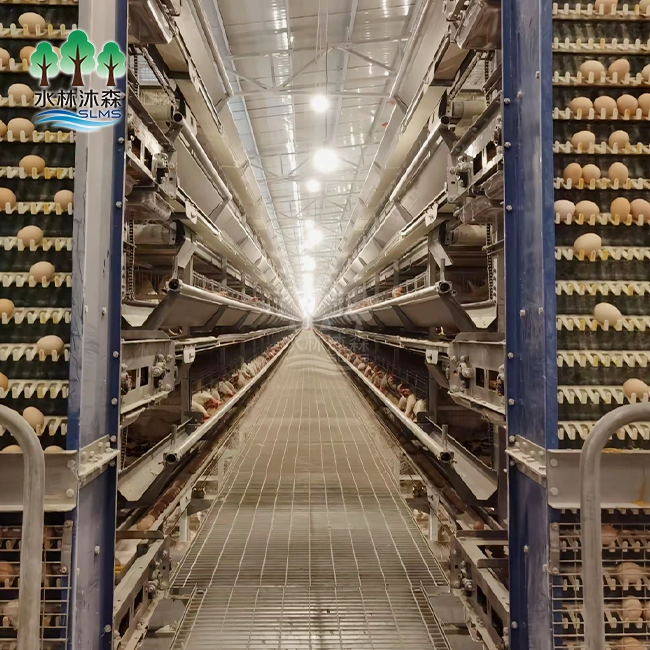
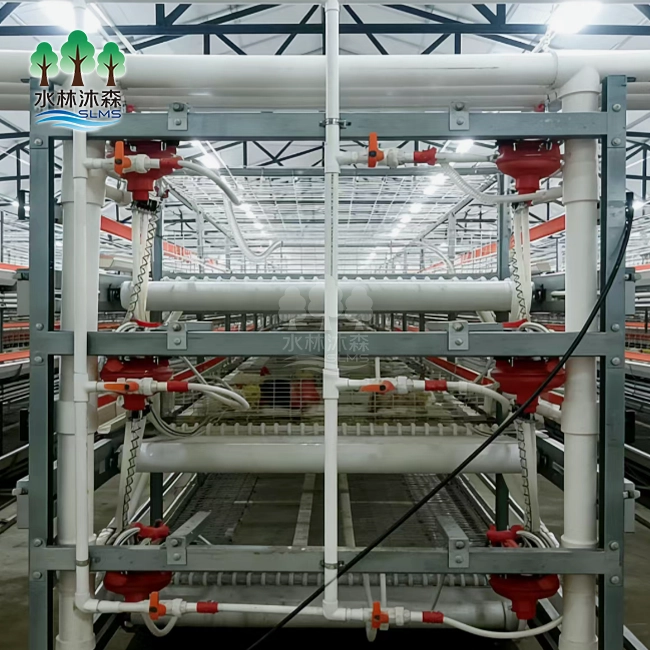
Multi-tier cage systems work best with control units that can keep the pressure even when the height of the cage changes. Differences in gravity pressure between the top and bottom tiers can be more than 30 centimeters of water column height, which is enough to cause leaks in the lower tier without any compensation. Quality modules have bypass systems that let high-pressure flushing remove biofilm without having to separate control components. This makes cleaning procedures easier.
Real-World Performance Example
A large layer farm in the Midwest that had to deal with nipple clogging and uneven water distribution put in place water regulation units for their 80,000 birds that lived in four houses. In the past, the lines had to be flushed once a week and the nipples had to be replaced every two weeks, which took about 12 hours of work each week. After the installation, tracking showed that maintenance hours were cut by 85%, end-of-line dry nipples that affected 8–12% of birds were gone, and egg production consistency got better. The company estimated a 14-month payback period based only on the savings in labor, not taking into account better output measures or lower death rates.
Choosing the Right Water Regulation Module for Your Chicken Farm
A full analysis of farm-specific factors, such as the quality of the water source, the size of the flock, the layout of the facility, and the practical management skills of the farm owner is the first step to successful application.
Manual Versus Automated Systems
Basic hand pressure reducers are cheaper up front, but they need to be adjusted all the time and can't filter. Automated Chicken Farm Drinking Water Regulation Modules require a bigger initial investment but provide better performance stability without the need for constant operator input. Automation increases productivity and lowers risk, which makes modern systems the best choice for businesses where worker costs and production efficiency directly affect where they stand in the market.
Critical Selection Criteria
Industrial-grade equipment is different from consumer items that aren't good for animal uses when it comes to system stability in farming conditions. Extreme temperatures, high or low humidity, dust, and chemical cleaners must not affect the performance of the parts. Check the pump usage rates to make sure they can work continuously, instead of designs that can only be used sometimes and don't work with the way demand changes on a farm. When thinking about scalability, you need to think about both the current capacity and the possibility for growth. Systems that are too small cause bottlenecks that stop future growth, and systems that are too big waste money.
Manufacturers that offer flexible capacity boosts by adding parts instead of replacing the whole thing give businesses more options as they grow. Make sure it works with certain types of nipple drinkers because activation pressures change from brand to brand. Some systems have pressure regulators that can be changed so that they work best with certain tools or birds of a certain age.
Budget Considerations and ROI
The prices of Chicken Farm Drinking Water Regulation Modules range from $800 for simple 500-liter systems that are good for smaller flocks to $4,500 for large setups that serve many homes. Find the return on investment by figuring out how much money is being lost right now because of things like death, bad feed conversion, wasted water, and repair work. Most businesses have positive cash flow within 12 to 24 months, and the benefits keep adding up over the equipment's longer life of more than seven years if it is properly maintained.
Best Practices for Maintaining Optimal Water Quality in Chicken Farms
Following maintenance and tracking plans that are in line with manufacturer guidelines and industry standards is key to keeping equipment in good shape and making sure it works properly every time.
Routine Maintenance Protocols
Depending on how often they are used and the quality of the water coming from the source, filter cartridges need to be replaced. Usually, this happens every 8–12 weeks when conditions are normal, or once a month when silt loads are high. By watching the pressure gauge, you can tell when the filter is full because the exit pressure drops before the birds are affected by the flow limit. Tank innards need to be checked every three months for sediment buildup, and they need to be completely drained and cleaned once a year or between flock rounds.
Bearings should be oiled and seals should be inspected every six months as part of routine pump maintenance. If you hear or feel something that doesn't sound or feel right, it could mean that a technical problem is starting to form. Checking the tuning of the pressure switch makes sure that the triggering points are correct, which stops the pump from short-cycling, which wastes energy and speeds up wear.
Monitoring Critical Water Parameters
Beyond the physics of the Chicken Farm Drinking Water Regulation Module, the water quality needs to be tested regularly. PH values between 6.5 and 8.0 are good for bird health and keep distribution systems from rusting or scaling. At drinker sources, the chlorine level should stay between 3 and 5 parts per million (ppm) to stop germs from growing without making the water taste bad. Total dissolved solids above 1,000 ppm show mineral makeup that might affect how well birds do and how long equipment lasts.
Temperature changes how much birds drink. When the temperature is 30°C, birds drink 50% more than when it is 20°C outside. Oversized systems are put under a lot of stress during the summer, so it's important to plan for the worst-case situations when it comes to capacity. Portable water quality meters that cost less than $200 let you check parameters on a regular basis without having to pay for lab research.
Troubleshooting Common Issues
If the water pressure drops even though the filters are clean, it means that the pump or pressure switch is broken and needs to be looked at by a professional. If the filter keeps getting clogged, it means there are problems with the source water that might be fixable by maintaining the well or doing some basic filtering. Bacterial numbers going up again after chlorination means biofilm is forming in the distribution lines, which means the whole system needs to be cleaned with hydrogen peroxide or citric acid flushes. Recording maintenance tasks and water quality results makes useful operating records that show regulators that you are careful and show performance trends that help you decide when to replace equipment.
Conclusion
Chicken Farm Drinking Water Regulation Module technology has grown up and is now an important part of raising chickens efficiently, not just an extra. Combining storage, pressurization, and filtering solves basic problems that hurt bird health and hurt the business's ability to make money. Evidence from business installations shows real returns through better feed conversion, lower mortality, less work needs, and longer equipment lifespans.
As industry competition rises due to mergers, businesses that use thorough water management systems will always be ahead of those that use old-fashioned manual methods. Putting money into quality regulation units is a smart way to improve infrastructure that helps farms meet changing market and safety standards while also meeting production goals.
FAQ
What maintenance schedule do water regulation modules require?
Depending on the quality of the water source, filter cartridges need to be replaced every 8 to 12 weeks. A visual pressure measure can show when the cartridges are saturated before their performance starts to decline. Tanks are cleaned every three months and completely sanitized once a year. Pump checkups happen every six months to check the state of the bearings and the seals. There is no need for extra training for the simple maintenance tasks; our installation videos show you how to do them right.
Can these systems integrate with existing farm management software?
Higher-end Chicken Farm Drinking Water Regulation Modules feature sensor outputs that work with IoT tracking platforms. Basic systems, on the other hand, can be used on their own. Integration of pressure and flow data allows tracking from afar and automatic alerts for problems that are starting to happen. Our technical team helps with planning connections during system design to make sure it works with the technology you already have in place.
What are common installation challenges and solutions?
Sometimes, older buildings that don't have properly grounded outlets near where the water service comes in need to have their electrical service upgraded. In equipment rooms with a lot of people, limited space means that fixing needs to be done in creative ways. Our installation specialists solve this problem by making custom brackets. To adapt to water systems that aren't standard, you may need transition parts that are easy to get from stores. Professional installation services take away the guesswork and make sure that the system works at its best from the time it is turned on.
Partner with a Trusted Chicken Farm Drinking Water Regulation Module Manufacturer
Weifang Shuilin Musen Aquaculture Equipment Co., Ltd. offers complete water management systems that are designed to work in tough chicken production settings. Because we've been making farming tools for eight years, you can be sure that the technology we use is tried and true and has been through strict quality control tests. Each system has materials that are safe for food, multiple stages of filtering, and automatic pressure stability that can be changed to fit your needs.
We support your investment by giving you thorough installation instructions, finishing services on-site, and quick technical help at wangshuaislms@gmail.com. Our commitment to ongoing growth and one-year warranty show that we trust that our Chicken Farm Drinking Water Regulation Modules will last and work well. Get in touch with us right away to get unique specifications that fit the needs of your building and find out how our knowledge can turn water from a problem into a competitive advantage.
References
1. Lacy, M.P. & Czarick, M. (2021). Water Quality and Availability for Broiler Chickens. University of Georgia Cooperative Extension Bulletin 1301, Athens, GA.
2. Fairchild, B.D. (2020). Poultry Drinking Water System Management. Poultry Science Association Annual Meeting Proceedings, pp. 142-156.
3. National Chicken Council. (2022). Animal Welfare Guidelines and Audit Checklist for Broiler Chickens. Washington, D.C.: National Chicken Council.
4. Watkins, S.E. & Tabler, G.T. (2019). Evaluation of Water System Components in Commercial Poultry Production. Journal of Applied Poultry Research, 28(3), 612-624.
5. American Society of Agricultural and Biological Engineers. (2021). Design Standards for Agricultural Water Systems. ASABE Standard EP408.5, St. Joseph, MI.
6. Knoll, K. & Heitman, D. (2020). Economic Analysis of Automated Water Management in Layer Operations. Agricultural Systems, 184, 102905.
Learn about our latest products and discounts through SMS or email