Top features to look for in a breeding house negative pressure ventilation fan
If you are in charge of a big group of chickens, picking the right Breeding House Negative Pressure Ventilation Fan will determine whether your flock does well or just stays alive. These specialized vent systems make controlled pressure differences that move clean air through your building while getting rid of heat, dangerous gases, and extra moisture. There is a clear difference between a breeding house with good ventilation and one that isn't well taken care of when it comes to bird health, feed conversion rates, and death rates. Knowing the difference between industrial-grade Breeding House Negative Pressure Ventilation Fans and regular air fans can help you make decisions that will protect your investment and get the most work do


Understanding Negative Pressure Ventilation in Breeding Houses
Breeding House Negative Pressure Ventilation Fan operation is based on a simple engineering idea that works amazingly well in densely populated farming areas. At one end of your breeding house, fans pull air out of the inside, dropping the pressure inside below that of the air outside. Because of this difference in pressure, fresh air from outside has to rush through carefully placed openings at the other end. This creates a steady, controlled air flow throughout the building.
How Pressure Differentials Drive Air Quality
These systems are beautiful because they are easy to understand. Breeding House Negative Pressure Ventilation Fans let you completely control the rate of air exchange, while natural ventilation relies on wind patterns that are hard to predict. You decide how fast the air goes through your building, where it comes in, and how much fresh air comes in. This control is very important in the summer when heat stress can make work less productive and in the winter when you need to get rid of wetness without losing too much heat.
Fan Types and Their Performance Characteristics
The Breeding House Negative Pressure Ventilation Fan market has three main types of fans. Axial fans are great for underground ventilation because they move a lot of air at low standing pressure. Centrifugal fans can handle higher static pressures, which is helpful when air needs to move through cooling pads or a lot of things in the way. Mixed flow designs try to balance these traits, but they aren't used very often in farming settings. Knowing these differences will help you find equipment that fits the design and running needs of your building.
Advantages Over Positive Pressure Systems
Positive pressure devices force air into buildings, which makes it hard to control temperature and make sure the air is distributed evenly. Systems with negative pressure move air through the building so that every cubic meter has enough air flow. This method stops dead zones where ammonia builds up and evens out the temperature, which is hard for positive pressure designs to do in big industrial buildings.
Top 6 Essential Features to Consider in a Negative Pressure Ventilation Fan
When choosing Breeding House Negative Pressure Ventilation Fans, you have to think about a lot of performance factors that have a direct effect on your bottom line. It's not always the case that the traits that matter most are the ones that companies highlight in their ads. Years of field experience with thousands of installations show which traits really add value over time in tough breeding settings.
Energy Efficiency and Operational Costs
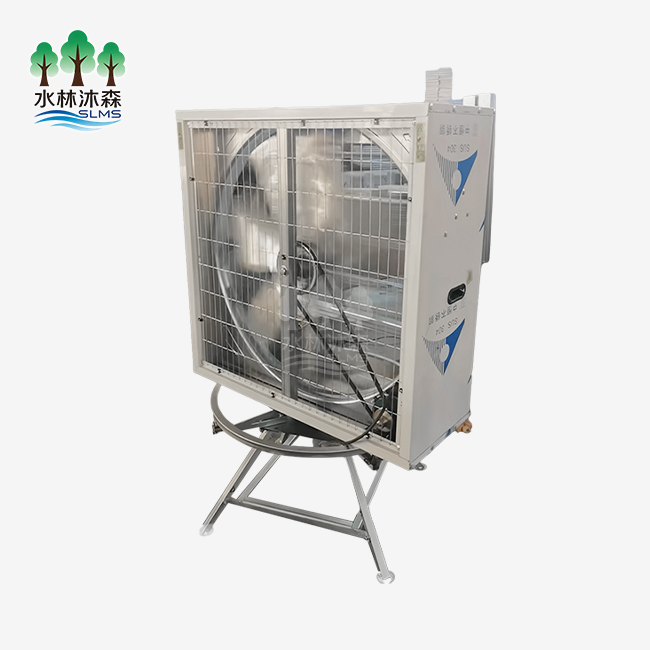
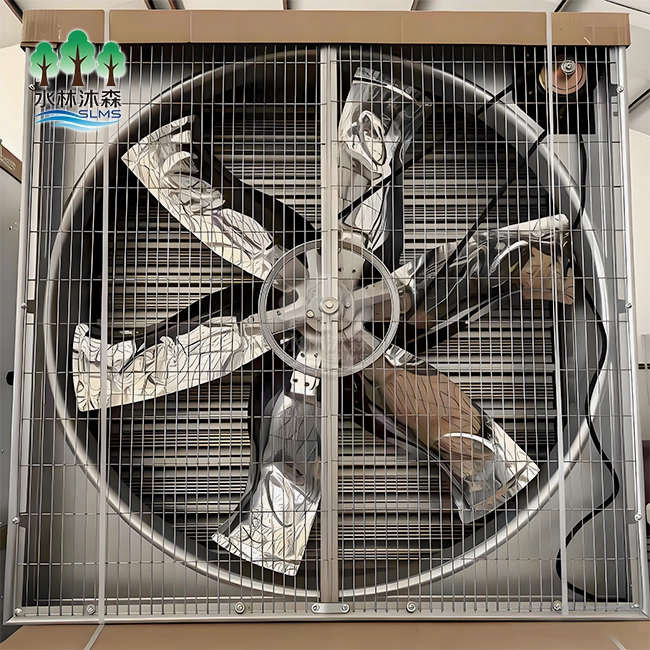
Electricity is a big ongoing cost for buildings that use motorized ventilation. A 50-inch Breeding House Negative Pressure Ventilation Fan that is always going uses a lot of power, so motor economy is very important for making money. Our 1.1 kW motor with 380V setup moves between 28,000 and 38,000 cubic meters of air per hour while using as little energy as possible. Throughout the fan's useful life, this economy directly translates to lower energy bills. When running many units in a big building, the difference between a regular motor and one with a better design can be thousands of dollars a year. Find out what the real cost of ownership is over the next five to ten years, not just the buying price.
Material Durability and Resistance to Corrosion
Breeding houses make conditions that are very bad for animals. High humidity, ammonia gas, and hydrogen sulfide are all very bad for metal parts. Standard galvanizing steel rusts in a few months, while lower-quality stainless steels crack and break after a few years. Heavy-duty galvanized steel or 304 stainless steel construction in high-quality Breeding House Negative Pressure Ventilation Fan equipment lasts for decades of use.
Our designs use materials that don't rust in every part of the assembly, from the motor mounts and case to the bolts and blade assembly. Because of this care in choosing the materials, the operating lifespan goes beyond 40,000 hours of constant service. When parts keep their structural integrity for the full length of their original life, you don't have to deal with the hassle and cost of replacing equipment too soon.
Optimal Airflow Capacity and Coverage Area
Breeding House Negative Pressure Ventilation Fans that are too small have trouble keeping up with the air flow, which leads to unhealthy conditions and lost production. Units that are too big lose energy and speed up the air too much, which is bad for animals. Fan power should be matched to the size of the building and the number of animals that live there. Each of our 50-inch units can successfully ventilate 150 to 200 square meters, which makes it easy to figure out how to put more than one fan. The range of changeable airflow meets the needs of different seasons and stages of production. During low ventilation times, you get rid of gases and moisture without making the space too cold. When there is maximum airflow, air speeds are high enough for evaporative cooling to work, which relieves heat stress.
These features make it easier to plan for installation and make system design more reliable. Professionals in procurement like it when equipment specs can be directly translated into estimates of building coverage without having to go through a lot of complicated engineering studies.
Noise and Vibration Control
Too much noise can be dangerous in the workplace and can stress out animals, which lowers their performance and raises their death rate. Vibrations are a sign of a mechanical mismatch that speeds up wear and failure. Breeding House Negative Pressure Ventilation Fans that are well-designed work quietly and easily, making things better for both workers and animals.
When our units are being made, they go through strict balance tests to make sure that vibration stays within acceptable limits throughout the working range. The shape of the blades uses mechanical principles to cut down on turbulence and the noise it makes. Less noise makes the workplace better, which makes it easier to keep good employees and keep animals that produce. If a building has enough air flow, you won't hear machinery noise when you walk through it.
Installation Simplicity and Maintenance Access
Complex construction needs make projects more expensive and take longer to finish. Breeding House Negative Pressure Ventilation Fan designs that make it easier to place, connect to electricity, and adjust airflow save money on labor costs and speed up startup. We give your team detailed installation movies and technical documents to help them through the process. If you need hands-on help to make sure the work is done right, you can get on-site installation services.
How fast you can do regular maintenance and fix problems as they come up depends on how easy it is to get to maintenance areas. Our designs make it easy to get to motors, belts, and bearings without taking the whole thing apart. You do preventative maintenance quickly and correctly, which cuts down on downtime and keeps the air system working at its best. It's easy to add replacement parts, so you can get your system back online before the weather gets worse.
Safety Features and Standards Compliance
If they aren't built and set up correctly, industrial Breeding House Negative Pressure Ventilation Fans can be dangerous. Blade guards keep people from touching working parts by mistake. To keep fires from happening, electrical devices must follow safety rules. Electrical problems can be avoided with proper grounding. Manufacturers of good products make sure their products meet international safety standards and provide proof that they do so.
Our units have a lot of safety features that keep people safe while they are operating and maintaining them. In addition to following the rules, these features lower your risk of liability and show that you care about safety at work. Insurance companies will pay less for your premiums if you have properly stated tools. This will protect your employees. Customization options on equipment let you choose safety improvements that meet the needs of your building and follow local laws.
Comparing Leading Negative Pressure Ventilation Fan Solutions
The Breeding House Negative Pressure Ventilation Fan market has a lot of choices, with prices and levels of performance ranging from low to high. Finding the best value for your application is easier if you know how different options stack up against each other on important measures. Performance specs are only part of the story. What really matters are how reliable and helpful the product is in real life.
Performance Metrics That Matter
Manufacturers put out scores for airflow, but these numbers often show how well the product works in a lab, not in real life. Ratings for static pressure show how well Breeding House Negative Pressure Ventilation Fans keep air moving even when they are up against cooling pads, inlet limits, or ducts. Our tests show that the device works consistently across its working range, keeping airflow efficient even when conditions are tough.
The 80-kilogram construction weight isn't just a way to save money; it shows that the building is strong. Heavier designs reduce vibrations and show large component sizes that make the system last longer. The amount of energy used per cubic meter of air moving shows how efficient something really is. Lower power numbers don't mean anything if the amount of airflow is low. When choosing tools, it's better to look at the whole performance profile instead of just a few specs.
Total Cost of Ownership Analysis
The price of buying something is only a small part of how much it will cost over its lifetime. The projected service life, the amount of energy used, the need for upkeep, and the availability of replacement parts all have a big impact on the total cost of ownership. Cheaper units usually need to be serviced more often, use more power, and need to be replaced more quickly than higher-quality Breeding House Negative Pressure Ventilation Fans.
Our equipment has a low total cost of ownership because it uses little energy, doesn't need much upkeep, and lasts a long time. The one-year warranty covers your initial investment, and the expected 40,000-hour operating life means it will work well for years to come. When you look at the prices over ten years of running, it's easy to see the value. Cheaper options that need to be replaced every couple of years end up costing more in the long run and causing problems that slow down operations and lower output.
After-Sales Support and Service Availability
Things break down when they least expect them to. How quickly can you get help with technology? Are new parts easy to find? Will someone help you figure out what's wrong, or will you be on your own after the purchase? Weifang Shuilin Musen Aquaculture Equipment Co., Ltd. has a support team that is always ready to help customers. We have been in the farming and livestock businesses for eight years and have learned that selling Breeding House Negative Pressure Ventilation Fans is just the start of a relationship, not the end. Technical advice can help you get the most out of your system and fix problems before they get worse. Because we offer on-site service, we can send techs when remote help isn't enough. Professional equipment dealers are different from sellers who leave after getting paid because they offer full service.
Installation and Maintenance Best Practices for Longevity
If it's not set up right or isn't used, even the best Breeding House Negative Pressure Ventilation Fan equipment won't work as it should. Your ventilation system investment will be protected if you follow known best practices during installation and stick to regular service plans. These steps aren't hard, but you need to pay close attention to them and be dedicated to preventative maintenance instead of fixes when something goes wrong.
Proper Installation Fundamentals
Integrity in the mounting is the basis for effective function. Breeding House Negative Pressure Ventilation Fans must be firmly attached to structural parts that can hold the weight of the equipment and the loads that come with running the business. When the fixing isn't right, vibrations happen that hurt buildings and equipment. The size of the conductors, the security of the circuit, and the grounding of electrical connections must all meet code standards. Electrical work that isn't done right can cause fires and damage to tools.
To get the best airflow, you need to pay attention to the size and placement of the inlets. Too much static pressure happens when the inlet area is too small or the fan is not positioned correctly. This makes the fan work less well and use more energy. These important issues are covered in our installation literature, which gives you clear instructions that help you avoid making common mistakes. The movies for installation show the right way to do things by showing how to put parts together and where to put them. If you need more help, our team can provide on-site installation services that make sure everything is set up correctly from the start.
Routine Maintenance and Inspection Schedules
Through preventive repair, Breeding House Negative Pressure Ventilation Fan technology lasts longer and doesn't break down when it's least expected. When you clean regularly, you get rid of the dust that builds up and affects balance and movement. Lubricating bearings stops the wear and tear that causes them to break. Belt tension checks make sure that power is transferred efficiently and stop belts from wearing out too quickly.
Motor checks find problems with burning or electricity before they break down. By looking at the blade, cracks or damage that could cause it to break in a big way are found. Our upkeep rules explain how to do things and how often they should be serviced. Following these plans doesn't take much time but keeps expensive problems from happening at crucial times for production. Keeping service records is an important part of your preventive maintenance program because they show how well your equipment is working and help you plan when to replace it.
Troubleshooting Common Issues
Less movement is usually caused by dirty blades, old belts, or clogged inlets, not by a problem with the machine itself. Too much shaking might not mean the bearing is broken, but that the Breeding House Negative Pressure Ventilation Fan blades are damaged or the housing is loose. Strange noises are often signs of small problems that can be fixed quickly before they get worse. Knowing about common issues and how to fix them helps you get back to normal quickly. When problems aren't clear at first, our expert support team helps with the diagnostic steps. This support relationship helps you keep the air working at its best and avoid replacing equipment that doesn't need to be replaced. The goal is not to sell you more tools too soon, but to keep your system going smoothly.
Enhancing Livestock Health and Operational Efficiency with Proper Ventilation
The quality of the Breeding House Negative Pressure Ventilation Fan has a direct effect on how well the breeding house works in every way. The link between air quality and the productivity of animals isn't just an idea; it can be seen right away in performance measures that affect profits. Understanding these connections helps to explain spending money on ventilation systems and directs practical choices that produce the best results.
Impact on Animal Health and Productivity
The nature of the air affects your respiratory health. High levels of ammonia hurt the lining of the lungs, making holes for bacteria and viruses to get in. Heat stress lowers the amount of food eaten and the rate of growth, while also raising the death rate. Too much humidity makes it easier for pathogens to survive and makes conditions difficult, which stresses out animals. All of these things are taken care of at the same time by good Breeding House Negative Pressure Ventilation Fans. Ammonia and other dangerous gases are removed from the air all the time, before they reach levels that are harmful.
Enough air flow cools things down, which helps fight heat stress when it's hot outside. Getting rid of moisture keeps humidity levels at a healthy level, which stops pathogens from spreading. These changes directly lead to measured increases in output. Feed conversion rates go up when animals aren't stressed out by dirty air. When lung health is good, death rates go down. When the surroundings helps bodily development instead of getting in the way, growth rates go up. Production records make it easy to see the payback on investment in ventilation.
Environmental and Energy Considerations
Energy-efficient Breeding House Negative Pressure Ventilation Fan airflow lowers energy costs and lowers the carbon footprint of operations. Modern equipment designs give the necessary airflow levels with the least amount of energy use, which is good for both the economy and the environment. Less energy use means less fossil fuel use and pollution, which helps make farms more environmentally friendly.
As rules about the environment get stricter and energy costs go up, these factors play a bigger role in buying decisions. If you have equipment that does a good job of protecting the environment, it will help your business in places that want to use sustainable production methods. In addition to meeting government requirements, energy economy shows good resource management, which is appealing to buyers and customers.
Future Technologies and Smart Ventilation Systems
New technologies promise to make Breeding House Negative Pressure Ventilation Fan work even better and make operations more efficient. Smart controllers use temperature, humidity, and air quality monitors to change how the fans work automatically. IoT connectivity lets you watch and handle things from afar, so you can react to changing conditions from anywhere. Predictive repair systems look at working data to find problems that might happen before they do. By adding intelligence and tools that improve performance, these technologies build on well-designed basic equipment.
Early learners have an edge over their competitors because they are more efficient and need less work. The base is still good ventilation equipment that works reliably and has digital features that make the system work better. As these technologies get better, it gets easier to connect them to older equipment. This lets you make changes in stages, which spreads out the cost over time.
Conclusion
In conclusion, when choosing the right Breeding House Negative Pressure Ventilation Fan for a breeding house, you need to think about how well it works, how long it will last, how much energy it uses, and the total cost of ownership. Quality negative pressure fans provide the steady flow of air that is needed to keep the environment in a way that supports the health and efficiency of animals.
Long-term happiness and profits are directly affected by things like building that doesn't rust, motors that use little energy, the right capacity size, and quiet operation. Proper fitting and preventative upkeep will make sure that your investment lasts for years to come. As air technology changes, starting with good basic equipment makes it easier to add future improvements that make operations even more efficient.
FAQ
What differences between belt drive and straight drive affect the choice of Breeding House Negative Pressure Ventilation Fan?
Belt drive designs usually offer more airflow at lower starting costs and smoother operation, which is why big 50-inch units use them. Belts do need to be maintained from time to time, which includes adjusting the tightness and eventually being replaced. Direct drive gets rid of these upkeep needs and makes energy use more efficient, but it can be hard to design large-diameter fans because they need a lot of power. When conditions are damp, the belt can slip, so straight drive is better in especially tough situations.
How do I figure out how many Breeding House Negative Pressure Ventilation Fans I need?
Use the building's total volume and the rate of air exchange that it needs (usually one full air change per minute during summer maximum ventilation) to do the math. To find the Breeding House Negative Pressure Ventilation Fan's cubic meter per hour value at working static pressure, multiply the size of your building by the exchange rate. Don't forget to think about how fast the air needs to move across the animal zone—usually 2.5 meters per second to keep the animals cool. This makes sure there is enough wind chill effect during times of high heat stress.
Can these Breeding House Negative Pressure Ventilation Fans work with variable frequency drives?
Not all motors can be used with a changing frequency drive. If you want to use a VFD, you must select inverter-duty motors. When standard motors are used with VFDs at slower speeds, they can get too hot because the motor's internal cooling fan works less well at slower speeds. This is especially important in the winter when Breeding House Negative Pressure Ventilation Fans aren't working as hard and there isn't much air flow.
Partner with Shuilin Musen for Your Ventilation Equipment Needs
Our company, Weifang Shuilin Musen Aquaculture Equipment Co., Ltd., has eight years of experience working with big chicken and cattle farms all over the world. Our professional engineering team creates unique ventilation solutions that meet the needs and practical difficulties of your building. As a reliable Breeding House Negative Pressure Ventilation Fan maker, we make products that can handle harsh farming conditions and still work efficiently with little energy. Get in touch with our team at wangshuaislms@gmail.com to talk about your project needs and get expert advice based on real-life experience.
References
1. American Society of Agricultural and Biological Engineers (2019). Design of Ventilation Systems for Poultry and Livestock Housing. ASABE Standards Publication EP270.6.
2. Donald, J. (2018). Environmental Management in Animal Agriculture: Ventilation System Design and Performance. Iowa State University Press.
3. Mitchell, M.A. & Kettlewell, P.J. (2020). Physiological Stress and Welfare of Broiler Chickens in Transit: Solutions Through Improved Ventilation Technology. Journal of Applied Poultry Research, 29(1), 93-105.
4. National Poultry Technology Center (2021). Tunnel Ventilation Management Guide for Broiler Production. Auburn University Agricultural Extension Service.
5. Timmons, M.B. & Gates, R.S. (2022). Behavior and Management of Poultry: Environmental Control Systems. CAB International Agricultural Science Publications.
6. Zhang, Y. & Strom, J.S. (2019). Computational Fluid Dynamics Analysis of Ventilation Efficiency in Mechanically Ventilated Livestock Buildings. Biosystems Engineering, 186, 165-179.
Learn about our latest products and discounts through SMS or email