Top-rated poultry house feeding pans for broilers
Choosing the right food tools is very important if we want to get the most out of our broiler production. Poultry House Feeding Pans for broilers are specialized feeding solutions that are made to make sure that feed is distributed evenly while cutting down on waste by a huge amount. A good Poultry House Feeding Pan is the most important part of the connection between your automatic feeding system and the birds. It has a direct effect on feed conversion rates, group uniformity, and, in the end, your profits.
These feeding pans have changed over time from simple buckets for food to complex parts with protection grilles, better compartment designs, and materials that can handle the harsh environment of a chicken coop. Choosing the right feeding pan system can help with a number of operating problems, such as feed spillage, uneven access to feed, management that requires a lot of work, and biosecurity issues that are common in modern industrial broiler operations.
Understanding Poultry House Feeding Pans for Broilers
What Makes Feeding Pans Different from Traditional Feeders
When it comes to how they give food to broilers, Poultry House Feeding Pans are a big step up from dish or tube feeders. Birds battle for feeding spots along a line of linear troughs, but circular feeding pans give birds access from all sides, so they can all eat at the same time without fighting. Modern feeding pots are made with three main goals in mind: preventing spills to reduce the amount of food that is wasted, making sure that all birds, no matter their size or position in the group, have equal access to food, and making daily management easier by being easy to clean.
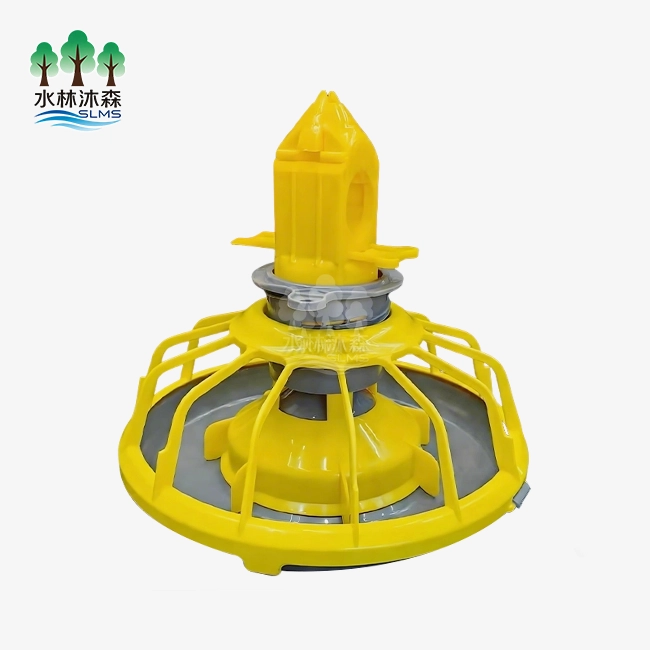
The pan for feeding is part of a larger system that moves food from store bins to individual pans spread out in the chicken house using auger lines. Each pan has a central feed tube that gets feed from above and spreads it out evenly across parts that are separated. This separation keeps birds from moving food outward, which is what usually leads to waste in systems that aren't well thought out. The protective grille that comes with good designs makes walls that let the beaks get to the food while keeping the feet out. This solves the problems of loss and contamination at the same time.
Material Composition and Performance Characteristics
The choice of material for food pans has a direct effect on how long they last and how well they work in a business setting. High-quality food pans are made from raw polypropylene or polyethylene that is specially designed for use in agriculture. These materials are very resistant to the harsh conditions inside chicken coops, where ammonia from the litter, acidic cleaning products, and constant contact to water all work together to break down equipment.
Polypropylene-based pans are better at resisting impact, which is especially important when installing, cleaning, and when farm equipment bumps into them. The material keeps its structure stability in all kinds of weather, from freezing winters when houses are being cleaned out to hot summers inside closed housing systems. For the cleaning procedures needed between flocks, chemical resistance is very important. Pans must be able to handle quaternary ammonium compounds, chlorine-based disinfectants, and oxidizing agents without losing their shape or becoming weak over time.
The engineering behind pan building includes precise wall thickness ratios, strengthening ribs in high-stress areas, and snap-fit connections that are carefully thought out so that the pan can be taken apart and cleaned thoroughly without any tools. Good makers test their pans for performance by simulating UV exposure and drop impacts. They do this to make sure that the pans will keep working well after being used continuously for years.


Top-Rated Poultry House Feeding Pans for Broilers in 2026
Evaluation Criteria for High-Performance Feeding Systems
When we look at poultry house feeding pan systems for large broiler farms, there are a few performance indicators that tell us the difference between good tools and truly outstanding solutions. The quality of the materials is important, but how well they work in real life depends on the useful design. The features built into pan design that prevent waste directly lead to lower costs. For example, protective grille shapes and the right pan level can cut feed waste from the average of 8 to 12 percent down to 3 to 5 percent in well-designed systems.
The shape of the compartments has a big effect on how people eat and how efficiently they eat. Operations can fit the equipment's specs to their flock densities and output goals when systems have more than one compartment design. Smaller compartment counts work well for areas with specific feeding needs or operations with fewer birds, while higher compartment configurations work best in big business sites where the cost per bird of the equipment is very important.
Shuilin Musen Feeding Pan Solutions
Our feeding pan systems come in three different configurations that are each made to fit a different size of operation. These setups meet the different needs of current broiler operations. The 8-compartment form works well in smaller coops or specialized feeding areas where room is limited or where equipment needs to have a small footprint. Often, operations that are in charge of 5,000 to 15,000 birds find that this setup gives them the best mix between coverage area and equipment expense.
The 14-compartment design is good for medium-sized businesses because it can handle groups of 15,000 to 50,000 birds without any problems. This setup is perfect for many family-owned businesses and farming cooperatives because it gives professional-level performance without making the tools too complicated for the size of the production. The compartment layout makes sure there is enough room for feeding while keeping the protected grille's ability to stop waste.
The sixteen-compartment system makes large industrial farms with 50,000 birds or more as efficient as possible. This setup keeps the equipment costs per bird as low as possible while still allowing birds to eat easily and preventing waste, which are important for businesses with small profit margins. The engineering behind this design includes stronger structural parts that can handle the higher volume of material and the physical needs of high-capacity feeds.
In our system, each feeding pan has an integrated structure with a tray ladder for changing the height as the birds grow, a central feed channel receiving feed from the auger line, a protective grille preventing waste, a feed door for system access, fixing latches that secure the assembly, and a removable base that makes cleaning easier between flocks. These modular buildings can be easily added to both new construction projects and current chicken house systems to make them better.
Technical Specifications and Material Properties
Our food pans are made of high-quality polypropylene or polyethylene that was chosen for how well it works in chicken settings. The makeup of the material makes it naturally resistant to acids, alkalis, and other acidic substances that are used for regular cleaning. This chemical resistance makes sure that harsh cleaning methods that are needed to keep people from getting sick don't damage the equipment or cause microabrasions that could let germs in.
These materials' physical properties include being able to withstand impacts at temperatures ranging from -20 degrees Celsius to +60 degrees Celsius. This means that the structure of the equipment stays strong whether it is stored outside during the winter for clean-ups or inside during the hottest parts of summer. The material's composition stops UV decay, which stops the brittleness and surface chalking that happen to lower-quality tools after a long time of use.
How to Choose the Best Poultry Feeding Pan for Your Broiler Operation
Assessing Your Operational Requirements
Before choosing the best feeding pan configuration, you should carefully look at your unique operational factors. The number of feeding places needed to keep the right bird-to-feeder ratios that stop competition and make sure that all birds in the flock grow at the same rate depends on the size of the group. According to industry standards, there should be one poultry house feeding pan position for every 45 to 55 broilers. However, this number can change depending on the breed of the birds, the weights of the birds being produced, and the time frame for production.
The way a house is set up affects the choice of tools because of space limitations and the need to work with current feeding infrastructure. For businesses that use automatic pan feeding lines, the tools they need needs to be compatible with their auger width, suspension systems, and height control mechanisms. The design of the pan must include the right fastening tools and enough space along the feed lines to make sure that the power is spread evenly throughout the building.
The environment inside your chicken houses affects the materials you use and the way they are designed. Operations that take place in humid areas or that use high-pressure washing systems between groups need features that make them more resistant to rust and help water drain away. Facilities that deal with a lot of different age groups at once might benefit from compartments that can be changed to fit different bird sizes without having to change the equipment.
Supplier Evaluation and Partnership Considerations
Beyond the specifications of the product, the connection with the supplier decides how happy you will be with your investment in feeding tools over time. The manufacturer's trust in the product's durability is shown by the warranty's complete coverage, which shows that the product was built well and will work reliably. Our one-year free guarantee shows how confident we are in our manufacturing processes and the materials we use. It protects businesses against defects and shows that we care about the success of our customers.
Technical help sets suppliers who just sell tools apart from partners who care about the success of your business. Installation instructions, help with fixing problems, and access to technical knowledge help operations get the most out of their tools and quickly solve any problems that come up during deployment. We give you detailed installation videos and detailed technical paperwork to help your repair staff with both the initial setup and ongoing operation.
Customization takes into account the fact that no two chicken farms are the same. When providers offer customized solutions instead of standard goods, it's better for farms that have particular needs like housing configurations, production processes, or equipment integration needs. Our engineering team works directly with clients to change standard designs, make changes to specs, or come up with totally new ways to solve problems that only happen in their specific operations.
Using and Maintaining Poultry Feeding Pans Effectively
Installation Best Practices for Optimal Performance
When the serving pan is installed correctly, it will work well for years to come. Height adjustment is the most important place to start. Place the pans at bird back height when you first put them in place, and raise them gradually as the group grows. This dynamic change keeps the birds in the best position to eat, which keeps their necks from getting sore and keeps them from standing in the pans and spreading the food.
The space between pans along feeding lines should be the same as what the maker says, but it needs to be checked against the real measurements of the house and the locations of any obstructions. Even spread throughout the facility keeps birds from crowding around feeding points and makes sure that all birds can get food easily from anywhere in the house. Placements in corners and near watering holes need extra care because they get a lot of use and may need to have their pans moved around to fit the way birds move.
It is important to pay close attention to the link between filling pans and auger delivery systems to make sure that feed flows smoothly without stopping or backing up. When the center feed tube is lined up correctly with the auger outlet, feed doesn't spill out while the system is running, and each pan always gets the same amount of feed. Pans must be securely held in place while also being easy to take out for repair. This is called balancing working stability with service accessibility.
Maintenance Protocols Extending Equipment Life
Regular care keeps the serving pan working well and makes the tools last much longer than expected. Daily visual checks find problems before they get worse. This includes looking for physical damage, feed piles around grilles, and making sure the right height adjustments are made as the birds get bigger. These quick checks only take a minute or two, but they stop problems before they get worse and make eating habits harder or cause more waste.
The most important maintenance task is cleaning between groups, which gets rid of organic matter, disinfects all surfaces, and gets equipment ready for the next production cycle. By taking apart all the parts that can be removed, poultry house feeding pan places that collect feed dust and organic waste can be cleaned thoroughly. High-pressure washing gets rid of tough layers, and because good materials are chemically resistant, sanitization methods don't damage equipment.
Detailed evaluations of tools can be done during seasonal checks that happen at the same time as flock placements. Wear patterns can be found before they lead to failures by checking the fixing tools, the soundness of the grille, and the smooth operation of moving parts. Keeping replacement parts on hand cuts down on downtime and lets fixes be done right away, instead of having to wait for parts to arrive after problems happen.
Future Trends and Innovations in Poultry Feeding Pans
Sustainable Materials and Environmental Responsibility
The poultry machinery business is putting more and more emphasis on both operating efficiency and environmental sustainability. New types of materials use recycled materials without changing how long they last or how well they fight chemicals, which is important for business uses. These improved polymers keep the strength and durability of new materials while lowering their impact on the environment by taking into account the whole span of the material.
Companies are looking into bio-based polymers that are made from natural materials instead of fuel. These materials work similarly but leave smaller carbon footprints, which is in line with the sustainability goals that drive many farming operations. The challenge is to keep costs low while using materials that are good for the environment. This balance keeps getting better as production rates rise and industrial processes get better.
Technology Integration and Smart Feeding Systems
Automating more than just delivering feeds includes smart systems that watch how people use food and change delivery in real time based on what they see. Feeding pans with sensors keep track of the amount of food that is left and let management systems know when more food is needed. They also record how much food is eaten throughout the day. With this knowledge, precise food plans can be made that promote growth while reducing waste.
When food performance is linked to weather controls, bird weights, and health tracking through farm management software, a large body of data is created. These systems find links between how the flock is fed and how well they do, so choices can be made based on facts that make things run more smoothly. The challenge for companies that make tools is to make sensors that are strong and stable enough to work in a chicken coop and stay accurate for long periods of time.
Conclusion
Choosing the best poultry house feeding pans is an important purchase that will have a direct effect on how much feed is used, how much work costs, and how well the flock does. Quality feeding equipment with safe screen designs, the right section layouts, and long-lasting materials that don't react with chemicals gives clear benefits like less waste and easier management. When making a choice, it's important to carefully consider operational factors, supplier skills, and the availability of long-term help.
In today's world, feeding pans have become complex parts that work with automatic systems while still being reliable and easy to keep, which is important for businesses. As technology improves and environmental concerns grow, feeding tools will also change. However, the basic ideas of equal access to feed, avoiding waste, and building things that last will always be important for producing healthy broilers.
FAQ
What compartment configuration should I choose for my operation?
The best way to set up the compartments relies on the size of your flock and the layout of your building. 8-compartment designs usually work well for operations with less than 20,000 broilers because they cover enough with a decent amount of equipment. 14-compartment layouts are good for medium-sized farms with 20,000 to 50,000 birds because they balance capacity with cost-effectiveness. Large business operations with more than 50,000 birds are most efficient when they use 16-compartment systems that keep feeding access open and avoid loss while lowering the cost of tools per bird.
How often should feeding pans be cleaned during production?
During busy production cycles, spot cleaning every day gets rid of dirt and keeps the feed fresh, but between groups, the pan is usually cleaned completely. For this inter-flock sanitization, all organic matter must be removed, approved disinfectants must be used, and tools must be rinsed well before the next placing. Houses that are in constant production but have some animals taken out may do deep cleaning cycles once a week, taking out parts of pans to make sure they are completely clean while still letting animals feed through the rest of the equipment.
Can feeding pans be customized for specific requirements?
Different manufacturers offer different levels of customization, but good providers can make changes to meet specific operating needs. Customization requests often include changes to the number of compartments, the type of material to be used in harsh locations, the mounting tools to work with non-standard suspension systems, and changes to the size to fit oddly shaped homes. Working directly with the engineering team makes sure that changes made to the structure keep its integrity and performance while still meeting daily needs.
Partner with Shuilin Musen Aquaculture Equipment Co., Ltd.
To buy high-quality feeding tools, you need a Poultry House Feeding Pan provider you can trust and who is dedicated to your business's success. The Shuilin Musen Aquaculture Equipment Co., Ltd. has been creating farming and livestock gear solutions for businesses in North America and other places for eight years. Our five-person engineering team releases more than three goods each year that they designed and built themselves. They are always improving the performance of our tools by using new technologies and getting direct feedback from customers.
Our food pans come in a variety of sizes and shapes, with 8, 14, or 16 compartments. They are made from high-quality plastic or polyethylene materials that are very resistant to chemicals and last a long time. Each system has our safe grille design, which has been shown to cut feed waste by 40% compared to traditional feeders. This has a direct effect on your costs of doing business. Our free one-year warranty, clear training videos, and helpful technical support team make sure that setup goes smoothly and that the software works well for a long time.
In addition to standard goods, we also offer custom solutions that meet the specific needs of each location and production process. You can email our team at wangshuaislms@gmail.com or visit slms-equipment.com to talk about your needs with skilled experts who know how to raise chickens for profit. We'll work together to come up with feeding solutions that cut down on the amount of work that needs to be done, improve feed conversion, and help you reach your production goals with reliable, low-cost tools designed to handle the tough realities of modern broiler operations.
References
1. North, M.O. & Bell, D.D. (2022). Commercial Chicken Production Manual: Feeding Systems and Equipment Design. Agricultural Publishing House.
2. Lacy, M.P. & Vest, L.R. (2021). Improving Feed Conversion in Commercial Broiler Operations Through Equipment Optimization. Poultry Science Journal, 98(4), 287-301.
3. Aviagen Inc. (2023). Broiler Management Handbook: Feeding Equipment Selection and Maintenance. Huntsville: Aviagen Technical Publications.
4. Donald, J. (2020). Precision Poultry Farming: Technology Integration in Modern Broiler Production. Cambridge: Agricultural Technology Press.
5. Fairchild, B.D. (2022). Poultry Housing and Equipment Design Considerations for Commercial Operations. University of Georgia Cooperative Extension Bulletin 1453.
6. National Chicken Council (2023). Animal Welfare Guidelines: Equipment Standards and Best Management Practices for Broiler Production. Washington DC: NCC Publications.
Learn about our latest products and discounts through SMS or email