Where to buy poultry house feed silos?
When farm owners and procurement managers look for ways to store bulk feed, they often wonder where they can find Poultry House Feed Silos that are reliable, cost-effective, and will last for a long time. The answer varies on the size of your business, where you are located, and the level of service you expect. A Poultry House Feed Silo is a central location for managing feed that gets rid of the difficulties of handling bagged feed and protects the quality of the feed through better sealing and weather protection. You can buy from reputable manufacturers, specialized distributors, and direct B2B platforms. The important thing is to choose a supplier with proven engineering expertise, full after-sales support, and the ability to customize products to fit your farm's specific needs.
Understanding Poultry House Feed Silos: Types, Benefits, and Design Considerations
What Makes a Poultry House Feed Silo Essential
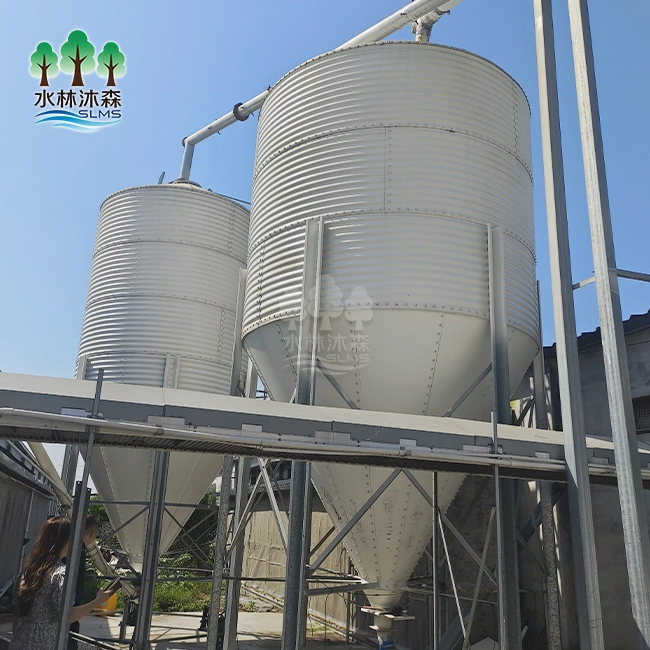
A Poultry House Feed Silo is more than just a storage bin. It is a biosecurity-focused, engineered bulk feed management system that keeps feed fresh and nutritionally sound in industrial poultry businesses. In contrast to regular grain bins, these silos solve important problems in the industry, like water getting in, mold growing, rodents getting in, and food going bad.
The design includes high hopper angles (usually 60 degrees) to make sure mass flow and stop bridging or ratholing, which can mess up feeding plans. These silos make it possible for big deliveries straight from feed mills, which lowers the cost-per-ton by a large amount. They also make sure that feed is rotated so that it stays fresh for all flocks.
Material Choices: Galvanized Steel and Fiberglass Options
The choice of material is very important for how long and well a Poultry House Feed Silo works. Hot-dip galvanization coatings range from Z275 to Z600 g/m² give galvanized steel bins strong structural integrity and corrosion protection that is good for mild temperatures. If you keep these units in good shape, they should last between 15 and 20 years.
Instead, fiberglass or Glass Reinforced Plastic (GRP) silos work well in places with a lot of humidity, like seaside or tropical areas, where steel rusting is a risk. Fiberglass structure is better at keeping heat in, so there is less internal condensation that breaks down vitamins and helps bugs grow. The material you choose should take into account the weather in your area, your budget, and how you'd like to maintain it over time.
Vertical Versus Horizontal Configurations
The poultry business relies on vertical Poultry House Feed Silos because they make good use of room and allow flow to be sped up by gravity. Their cylinder shape makes them great for businesses that don't have a lot of land because it improves storage space while minimizing ground footprint. The vertical position naturally makes it easier for the feed to be discharged completely without any mechanical help. Even though they are less common, horizontal layouts may work well in some situations where there are height limits or special integration needs. Most industrial chicken farms that can handle 5 to 30 tons of chicken find that vertical plans work best and are the most cost-effective.
Manual and Automatic Feeding Integration
These days, feed bins work well with both human and automatic feeding systems. Slide gates limit gravity flow in manual configurations, which are good for smaller businesses or backup systems. Automated systems use flexible augers or chain feeders to connect Poultry House Feed Silos to controlled feeding lines. This allows exact timing and amount of feed delivery. Load cell systems put under the legs of silos send real-time weight data to control systems. This lets workers keep an eye on consumption trends, spot health problems by seeing changes in intake, and get the best Feed Conversion Ratios. Whether a system is manual or automated relies on the number of workers available, the size of the group, and how hard it is to run.
Understanding these basic design elements, procurement teams can compare Poultry House Feed Silo specs to practical needs, making sure that the equipment they choose gives the best performance and return on investment for as long as it lasts.


Where to Buy Poultry House Feed Silos: Overview of Market Options
Specialized Agricultural Equipment Manufacturers
There are a lot of benefits to buying directly from well-known companies that make farming tools. This is especially true for big farms that want full food solutions. Companies with dedicated research and development (R&D) teams and manufacturing facilities can make engineered systems that are specifically designed to fit the layout of a certain chicken house.
With eight years of experience making tools for livestock, Weifang Shuilin Musen Aquaculture Equipment Co., Ltd. is a great example of a company that can both make things and offer expert help. Their method includes custom product solutions backed by professional engineering teams, which makes sure that the specs of the tools exactly match the needs of the operation. When you work directly with a maker, you usually get better warranty terms, faster access to technical paperwork, and quick help with problems that come up during installation or use.
Regional Agricultural Equipment Distributors
Local and regional wholesalers are good ways to buy things, especially when you need them right away or need help on-site. These wholesalers keep common Poultry House Feed Silo sizes in stock, which cuts down on lead times compared to direct imports. Their closeness makes it easier to coordinate installation help and respond faster to service calls. But wholesalers often only have a small selection of products and may not have the technical knowledge to handle complicated customization requests. Checking a distributor's qualifications means making sure they have partnerships with manufacturers, checking client references from businesses that are similar in size, and making sure they can provide ongoing upkeep support after the sale.
Online B2B Procurement Platforms
Digital business-to-business (B2B) platforms have made it easier to buy things by linking buyers with sellers from around the world. These sites make it easy to compare prices and give you access to scores and reviews from customers and suppliers. Online platforms are convenient and offer good prices, but you need to do your research before using them. Buyers should check the licenses of the seller, ask for detailed technical specs, and get clear on shipping terms, who is responsible for customs, and whether the guarantee covers Poultry House Feed Silos sent across international borders. Since there is no face-to-face contact, it is important to carefully read all the documentation and be clear about what is expected in terms of installation help and after-sales service.
Wholesale and Bulk Purchase Considerations
Businesses that are increasing their capacity or distributing tools can save a lot of money by buying in bulk. Depending on the amount and the supplier's rules, bulk buys can often get savings of 10 to 25 percent. To get bigger orders, many makers offer flexible payment plans or longer guarantee packages. When discussing bulk purchases, buyers should ask for specific cost breakdowns that include shipping, installation, and commissioning costs so that they can get a good idea of how much it will cost them to own everything. By making long-term promises to a seller in terms of volume, you can also get priority service access and better terms on future purchases.
Custom Fabrication for Unique Requirements
In some operational situations, normal catalog goods can't meet the needs and need to be custom-engineered. Custom manufacturing is helpful for places that don't have a lot of space, have unique feed formulas that need special flow properties, or have strict biosecurity rules. When a manufacturer has its own engineering department, it can change standard designs or make Poultry House Feed Silo systems that are completely unique. Custom projects usually have longer lead times and need more in-depth site surveys, but they make sure that the new equipment works best with the current infrastructure and operations.
Comparing Poultry Feed Silos: Making an Informed Purchase Decision
Silos Versus Feed Bins: Understanding Functional Differences
Both Poultry House Feed Silos and bins can hold bird food, but they are built and used in very different ways. Poultry House Feed Silos are designed to store large amounts of material. They can hold anywhere from 5 to 30 tons of material, and their steep-angle hoppers and sealed construction keep the environment from getting contaminated. Feed bins are usually smaller tubs that are used every day to feed chickens in poultry houses.
Outside of housing buildings, Poultry House Feed Silos are used for mass storage and feed automatic distribution systems. This setup cuts down on the work needed to handle the feed, lowers the risk of contamination, and makes bulk transport more efficient. Knowing this difference in function helps buyers choose the right tools for each task in their feed control infrastructure.
Durability and Maintenance: Galvanized Steel Versus Fiberglass
Material choice has a direct effect on the total cost of ownership and the amount of upkeep that needs to be done over time. Galvanized steel Poultry House Feed Silos are very strong for how heavy they are, and they have been shown to last for a long time in normal farming conditions. Their major upkeep task is to check the galvanization, bolt tightness, and seal state on a regular basis.
When rust is caught early, it doesn't cost much to fix. Fiberglass options don't have any corrosion problems at all, which is especially helpful in salty seaside areas or tropical conditions with a lot of humidity. Their smooth insides keep feed from sticking and make cleaning easier between groups. However, plastic units usually cost 20 to 30 percent more at first. The choice depends on the situation, the available funds, and the person's desire between short-term investments and long-term upkeep costs.
Labor Efficiency: Manual Versus Automated Systems
How much technology is built into Poultry House Feed Silo systems has a big impact on how much work needs to be done and how accurately food is fed. Manual systems with simple slide gates and gravity flow work best for smaller businesses that don't need a lot of workers and don't want to spend a lot of money on equipment. These setups need to be checked and adjusted by hand every day, which takes 30 to 45 minutes of work per feeding cycle.
Automated systems with customizable controls, load cells, and motorized augers cut the amount of work that needs to be done by over 40% while still providing exact feed amounts on time. Automated delivery improves Feed Conversion Ratios by reducing waste and making sure that all of the flock eats at the same rate. When an operation has more than 10,000 birds, the money spent on technology usually pays for itself in 18 to 24 months just by saving money on labor.
Capacity Alignment with Operational Scale
The right capacity size stops both routine waste and capital expenditures that aren't necessary. Undersized Poultry House Feed Silos need to be refilled often, which increases the cost of transport and throws off patterns. Oversized units keep capital from being used because they have too much capacity, and if change rates are too slow, they could affect how fresh the feed is. As a general rule, storage space should be enough to handle 7 to 10 days of high usage.
This gives you a buffer in case transportation problems happen without letting the feed age too much. For businesses that take care of 20,000 broilers that eat about 100 pounds per 1,000 birds every day, they would need 10 to 14 tons of store space. Seasonal changes in usage, transport logistics, and plans for farm growth should all be taken into account when deciding how much capacity to buy so that equipment is used as efficiently as possible throughout its life.
Installation, Maintenance, and Safety: Ensuring Long-Term Performance
Pre-Installation Site Preparation and Safety Checks
A well-prepared site, including checking for base needs, entry clearances, and coordinating utilities, is the first step in installing a Poultry House Feed Silo successfully. The base needs to be level and strong enough to hold the silo's full weight plus safety factors, which are usually 1.5 times the maximum capacity. Before putting down tools, concrete pads should be completely hardened. Planners of the site must make sure that there is enough space for delivery trucks, mechanical filling equipment, and future repair work.
Overhead power lines need to be kept at least a certain distance away from other things so that they don't touch during filling operations. Doing thorough site surveys before buying equipment can help you avoid expensive changes and delays in installation. Professional construction services, like those given by Shuilin Musen manufacturers, get rid of a lot of the risks that come with putting things together wrong, which could damage the structure or make it unsafe to use.
Routine Maintenance Protocols
Setting up regular repair plans for Poultry House Feed Silos increases their lifespan and keeps them running efficiently. Every three months, the lid seals, exhaust vents, and boot gaskets should be checked for damage that could let water or pests in. Vibration and temperature changing can loosen structures, but checking the tightness of the bolts stops this from happening. Emptying, washing, and fumigating Poultry House Feed Silos fully between production rounds is the most important maintenance job.
This gets rid of any leftover feed that could be home to mold spores or feed mites, which keeps new feed loads from getting contaminated. Cleaning should be done according to the manufacturer's instructions using approved cleaners that don't leave behind residues that make the food taste bad. To keep measuring accurately, load cells and automatic control parts need to be calibrated once a year. Keeping track of all maintenance tasks makes service records that can be used for guarantee claims and helps find new problems before they cause problems with operations.
Safety Measures and Structural Safeguards
Poultry House Feed Silo operations have unique safety concerns that need to be addressed with the right procedures and worker training. Procedures for entering a confined area must be set up and followed whenever it's time to check or clean the inside. During these activities, there needs to be enough air flow to keep from running out of oxygen and to get rid of possibly dangerous dust concentrations. When you use pneumatic filling, pressure differences happen that can damage structures if the relief vents don't work right.
Making sure the vents are tested regularly stops this from happening. In places where lightning is common, lightning safety systems should be put in place to keep electrical damage from happening. Workers should be taught how to shut down in an emergency, how to use personal safety equipment correctly, and how to spot structure warning signs like strange noises or changes that can be seen. These investments in safety protect both people and things, and they also lower the risk of damage that could stop operations.
How to Choose the Right Supplier: A B2B Procurement Checklist
Defining Your Specific Procurement Requirements
A good way to choose a provider is to write down all of your needs, including technical requirements, price limits, and service goals. Technical requirements should list the Poultry House Feed Silo capability that is needed, the materials that are preferred, the level of automation, and any customizations that are needed because of the site's limitations or the way things need to be done. The budget needs to include more than just the purchase price. It also needs to include the costs of transport, installation, training, and expected upkeep costs over the equipment's expected service life.
Expectations for service should include acceptable wait times, warranty coverage, expert help available, and the ability to get spare parts. Writing down these needs provides objective evaluation standards that stop people from making subjective decisions and make sure that the suppliers chosen can actually meet practical needs instead of just giving low prices at first.
Evaluating Supplier Credentials and Experience
Multiple signs of skill and dependability should be looked at when evaluating a supplier. Certification standards like ISO quality management systems show that a company is dedicated to using uniform production methods and keeping an eye on quality. Customer comments and case studies from businesses of a similar size show how well a provider does in similar situations. Responding to technical questions before the sale is often a good indicator of how well the customer will be served after the sale. Suppliers who give detailed, on-time answers to technical questions show that they are knowledgeable and care about their customers. With eight years of specialized experience and professional R&D teams releasing multiple new products every year, companies like Weifang Shuilin Musen Aquaculture Equipment Co., Ltd. show the technical depth and dedication to continuous improvement that sets trustworthy long-term partners apart from transactional vendors.
Comprehensive Service Packages and Support
Getting a full service package cuts down on execution risks and long-term costs by a large amount. The delivery terms should make it clear how the Poultry House Feed Silos will be shipped, what protection will cover them, and who is responsible for clearing customs when needed. Installation services can range from simple technical advice to full assembly and testing on-site. It's important to know exactly what the provider offers to avoid costly mistakes.
Your team will be able to use the equipment well if there is technical support available, such as installation guides, help with fixing problems, and training in upkeep. After-sales support terms, such as guarantee length, covered parts, reaction times, and availability of spare parts, protect your investment from breaking down too soon. Suppliers like Shuilin Musen that offer one-year guarantees and on-site installation services show that they are confident in the quality of their products and lower your business risks during the crucial implementation period.
Negotiating Favorable Terms and Warranty Coverage
When you negotiate well, you get the best deal without lowering the standards of quality or service. When negotiating a bulk buy, you should look into volume savings, longer warranty terms, and care packages that include everything that lowers the total cost of ownership for your Poultry House Feed Silos. Payment terms that offer payments with the balance due after a good installation match the interests of both the customer and the seller.
When you negotiate a warranty, you should make it clear which parts are covered, what conditions make coverage null and void, and what options you have for fixing, replacing, or refunding the product. Unexpected costs can be avoided by checking to see if work costs for warranty fixes are covered. Long-term running costs can be predicted by negotiating the price and availability of extra parts when the equipment is bought. Building relationships with makers that can customize their products and offer open terms will set your business up for successful equipment rollout and long-term operating excellence.
Conclusion
To choose the best Poultry House Feed Silo and provider, you have to weigh operating needs and budget limits against technical specs, material choices, automation capabilities, and service support. By learning the differences between galvanized steel and fiberglass construction, vertical and horizontal layouts, and manual and automatic systems, you can make smart decisions about what tools to buy for your farm. There are many ways to find products, from specialized makers to regional dealers and B2B platforms.
Each has its own benefits, based on your needs for customization, fast delivery, and ongoing support. A thorough check of the supplier's qualifications, service packages, and guarantee terms will protect your investment and make sure it works well for a long time. Operations can use structured procurement methods and give priority to providers with proven technical knowledge and a commitment to customer support to put in place feed management solutions that lower labor costs, boost feed efficiency, and support long-term production growth.
FAQ
What capacity Poultry House Feed Silo should I choose for my poultry operation?
The Poultry House Feed Silo should be big enough to hold 7 to 10 days' worth of feed at its peak consumption, giving you a spare for operations without affecting the quality of the feed. To figure out daily consumption, multiply the number of birds by the usual amount of food each bird eats. Then, take into account weather changes and how the food will be delivered. Businesses with 20,000 broilers usually need 10 to 15 tons of capacity, while businesses with fewer broilers may need to change the size of their tanks because they use food in different ways. Talk to technical experts. They can look at your unique production factors and tell you what the best capacity is. Customization choices let you match exactly to your business's needs.
How frequently should feed silos be maintained and cleaned?
Inspections that look at seals, vents, gaskets, and structural parts of the Poultry House Feed Silo every three months find wear before it causes problems with how the machine works. Emptying, washing, and fumigating the silos completely between production rounds gets rid of any leftover feed that could be home to mold or bugs. Load cells need to be calibrated once a year to keep their accuracy. Keeping track of maintenance tasks makes service records that can be used to back warranty claims and find trends that point to the need for replacing parts. Following the upkeep steps suggested by the maker will greatly increase the life of your equipment and protect the quality of the feed and the health of your flock.
Can silos be customized to fit unique farm layouts?
Reputable makers offer a wide range of customization options to meet the needs of each site, including special feed formulations and needs for connection with current infrastructure. Customization includes changing the size to fit in a smaller space or making the Poultry House Feed Silo hopper angle different to handle different types of feed. Technical talks look at the conditions of the place and the way operations run to come up with the best answers.
Companies that do their own research and development, like Shuilin Musen, which has professional engineering teams, can make custom configurations that make integration easy while keeping the structure's integrity and operations running smoothly. Custom projects need thorough specs and usually take longer to complete, but they fit the needs of the business better.
Partner with Shuilin Musen Aquaculture Equipment Co., Ltd. for Reliable Poultry House Feed Silo Solutions
Weifang Shuilin Musen Aquaculture Equipment Co., Ltd. has been specializing in chicken food systems for eight years and offers both high-quality products and full technical support. Our Poultry House Feed Silo product line has silos with capacities ranging from 5 to 30 tons. These silos have excellent sealing properties that keep feed nutrition stable and stop wetness, rain, and bug contamination. As an experienced Poultry House Feed Silo maker, we offer full solutions that include customization based on the needs of your site, installation videos, on-site installation services, and a guarantee that lasts for one year.
Our skilled R&D team is always coming up with new ways to solve problems that large-scale poultry companies face in the real world. Email our technical experts at wangshuaislms@gmail.com to talk about your feed storage needs and get specific quotes that are made just for your farm. Visit slms-equipment.com to see all of our products and learn how our dedication to quality, ability to customize, and quick response to after-sales service can help you run your chicken food business more efficiently.
References
1. National Poultry Improvement Plan. (2023). Feed Storage and Biosecurity Guidelines for Commercial Poultry Operations. United States Department of Agriculture Animal and Plant Health Inspection Service.
2. American Society of Agricultural and Biological Engineers. (2022). Standards for Design and Construction of Feed Storage Structures. ASABE Engineering Practices Handbook.
3. Poultry Science Association. (2023). Impact of Feed Storage Conditions on Nutritional Quality and Flock Performance. Journal of Applied Poultry Research, Volume 32, Issue 3.
4. University of Georgia Cooperative Extension. (2022). Selecting and Maintaining Bulk Feed Storage Systems for Poultry Production. Bulletin 1482, College of Agricultural and Environmental Sciences.
5. National Grain and Feed Association. (2023). Best Management Practices for On-Farm Feed Storage and Handling. NGFA Technical Services Committee Report.
6. Auburn University Department of Poultry Science. (2022). Economic Analysis of Bulk Feed Systems in Commercial Broiler Operations. Alabama Cooperative Extension System Publication ANR-2567.
Learn about our latest products and discounts through SMS or email