What are benefits of poultry shed water supply control medicating unit
Keeping track of the water supply and medication delivery in modern poultry farms is always hard. A Poultry Shed Water Supply Control and Medicating Unit makes these problems easier to deal with by automatically controlling the water pressure and giving your flock the right amount of medicine at the right time throughout their entire lifecycle. This all-in-one system provides precise water pressure between 0.05MPa and 0.3MPa while also giving vaccines, supplements, and medicines through drinking lines. The outcome is better bird health, lower labour costs, stronger biosecurity, and measurable gains in feed conversion ratios across broiler, layer, and breeder farms.


Understanding Poultry Shed Water Supply Control and Medicating Units
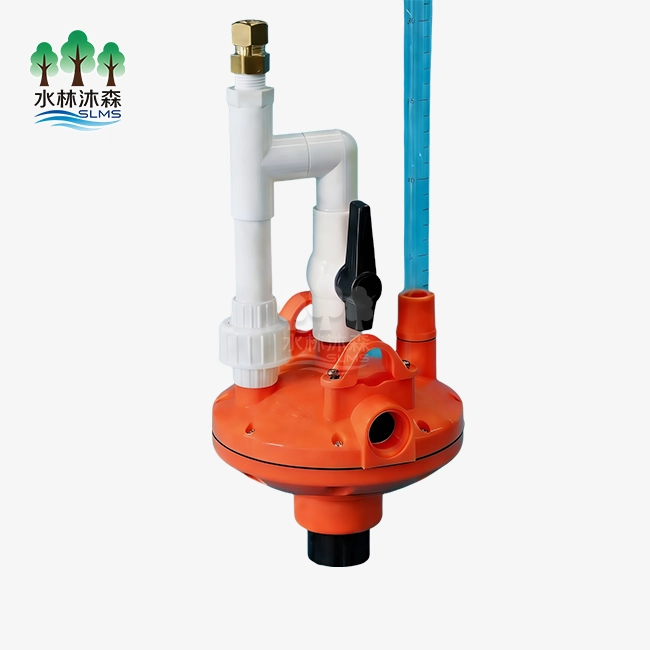
Modern systems for managing water for chickens combine several parts into a single control platform. At their core, Poultry Shed Water Supply Control and Medicating Units have water pressure regulators, proportional dosing mechanisms, filtration systems, and tracking features that are specifically designed for nipple drinker systems that are popular in large poultry houses.
Core System Components and Architecture
A full medicating unit usually has a pressure regulator that keeps the output stable even if the incoming supply changes, a chemical dosing pump that works in proportion to the water flow, filtration elements to get rid of sediment, and connection interfaces that are made to work with standard plumbing in poultry houses. More advanced models have flow meters and tracking systems that track how much water is used. This lets you find problems with equipment or disease spreads quickly by seeing if the water is being used in a way that isn't normal.
Operational Principles
The pressure regulation part solves one of the most important problems in poultry housing: keeping the water pressure right while the birds grow. For day-old chicks, lower pressure (about 0.05-0.10MPa) is needed to activate nipple drinking without spilling. For older birds, higher pressure (0.20-0.30MPa) is needed to meet their higher consumption rates. Automated adjustment gets rid of the need to manually adjust valves and lowers the risk of wet litter problems caused by too much pressure.
Hydrodynamics explain how the medicine delivery system works. It uses water flow to take concentrated solutions from stock bins at set ratios. This proportional dosing makes sure that the concentrations of the drugs stay the same whether the birds drink 50 litres or 500 litres an hour, so the therapy works without any extra power sources.
Common System Deficiencies in Traditional Approaches
There are a number of operational risks for farms that use gravity-fed systems or mix medications by hand. When tank levels change, gravity systems can't keep the pressure steady, which causes water to be spread unevenly across shed zones. Dosing can be different when mixing by hand; studies show that deviation coefficients can be higher than 20% in the field. These differences make it harder for vaccines to work, make antibiotic resistance worse by giving too little medicine, and make flock performance uneven.
Key Benefits of Using Poultry Water Supply Control Medicating Units
Putting in place automated Poultry Shed Water Supply Control and Medicating Units leads to measurable gains in many areas of operations. These benefits go beyond just being convenient; they create measurable value in health outcomes, resource efficiency, and the distribution of labour.
Enhanced Flock Health Through Precision Medication Delivery
Automated dosing systems get rid of the guesswork that comes with preparing medications by hand. The proportional injection system keeps exact amounts even when the animals are using the drug in different ways. This makes sure that the therapeutic chemicals hit the right blood levels in all of the animals. Comparative studies in commercial grill operations show that this accuracy cuts the death rates linked to disease outbreaks by 15 to 25 percent.
During all stages of production, the system supports full health management programs. Producers give electrolytes and probiotics to help the digestive system grow during the brooding phase. During growth stages, extra vitamins may be needed, and during disease outbreaks, exact antibiotic or coccidial delivery is needed for treatment. Health protocol implementation is made easier by being able to switch between compounds without having to change the system.
Optimized Water Usage and Resource Conservation
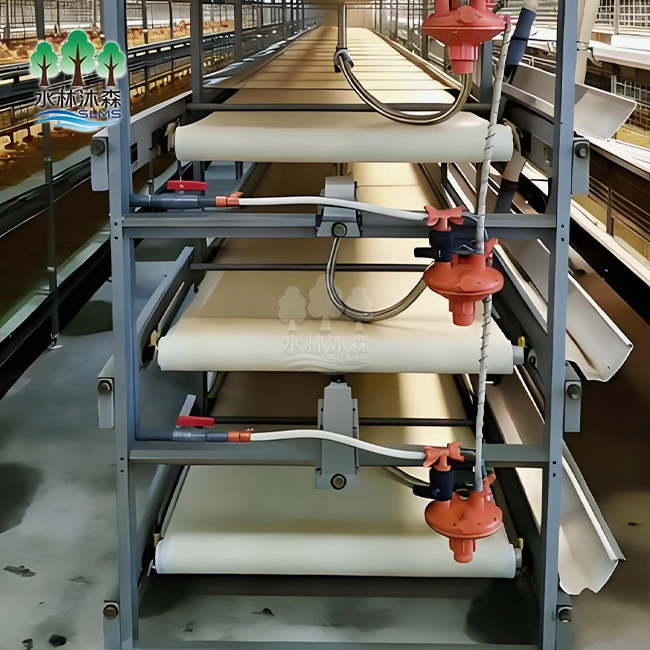
Controlled pressure regulation has a direct effect on how efficiently water is used. Nipple leakage is caused by too much pressure. Each dripping nipple wastes 1-2 litres of water every day. When multiplied by thousands of drinkers, this is a huge waste of resources. Pressure optimisation cuts waste by 30–40%, which helps reach environmental goals and lowers energy costs in places that are short on water.
Adding leak detection features to more modern units makes them even better for saving. Flow meters figure out the basic consumption rates for different bird ages and environmental situations. When there are deviations, alarms go off, which lets you quickly find broken lines or broken parts before they cause a lot of water loss. This ability to predict the future stops the catastrophic failures that can put whole flocks at risk during key growth windows.
Labor Efficiency and Operational Simplification
Automation changes the way daily operations are done in fundamental ways. In traditional medication protocols, staff have to figure out doses, mix solutions, and keep an eye on how much is being taken. These tasks take two to three hours of work per house every day. Automated systems make this as easy as making a stock solution and checking it every so often, which cuts work related to medications by 60–75%.
Eliminating the need for manual work also lowers the risk of mistakes made by people. In regular operations, things go wrong when calculations are made during mixing, the wrong substance is chosen, or dosing plans are forgotten. When treatment methods are put into automated systems, they always do what they're supposed to do. This frees up management time to do more important things like watching birds and improving environmental control.
Predictive Maintenance and System Reliability
Predictive maintenance strategies can be used with modern units that can be monitored. Tracking trends of water use shows that performance is getting worse before it breaks down completely. Slowly rising usage could mean that the filter is clogged, while sudden drops could mean that the line is broken or the pump isn't working right. Taking care of these problems before they become emergencies stops them from happening and makes equipment last longer.
Regular repair can be done with the help of component accessibility. Quality units can be taken apart without any tools so that the seals can be replaced, the filters can be cleaned, and the settings can be checked. Manufacturers who provide detailed service intervals and replacement part kits help farms keep their equipment running at its best by using preventative measures instead of fixing problems after they happen.
How to Install and Maintain a Poultry Shed Water Supply Control Medicating Unit
Careful planning and organised execution are needed for Poultry Shed Water Supply Control and Medicating Unit implementation to go well. When you install something correctly, it will work reliably for years to come, and structured maintenance protocols will keep it working well during long production cycles.
Pre-Installation Planning and Site Preparation
Do a full assessment of the existing water infrastructure before installation starts. Write down the water pressure, flow rate, and quality details, such as the amount of silt and minerals in the water. These factors decide the filtration, pressure-reduction, and material choices that need to be made. For example, a high mineral content may mean that stainless steel parts are needed instead of normal polymer ones.
Check to see if the installation location is easy to get to for regular maintenance and restocking. The unit should be mounted close to places where medicine solutions can be stored and where water supply lines are easy to reach. Enough air flow around the installation site keeps moisture from building up, which could damage electronic parts in advanced monitoring systems.
Installation Procedures and Calibration
First, put pressure-regulating parts on the main supply line. Then, add filtering elements and the proportional dose unit. Standard fittings that work with current drinker lines should be used for connection links. These are usually 3/4" or 1" NPT threaded connections. Once all the parts are in place and secure, flush the system well to get rid of any installation debris before connecting to bird-friendly drinkers.
Calibration procedures make sure that dosing ratios are correct. Put water mixed with food colouring or another compound that can be tracked into the stock solution tank. Set the dosage ratio you want (usually between 1:100 and 1:500, based on the strength of the medicine), and then get water samples from several sheds. A simple visual comparison or lab analysis can confirm that the samples are spread out evenly and that the dilution ratios are correct.
Routine Maintenance Protocols
Set up weekly checks to check the condition of the filters, the integrity of the seals, and the levels of solution in stock. Depending on the quality of the water, filters need to be cleaned or replaced. Surface water sources usually need more frequent care than city supplies. Check seals and O-rings for signs of chemical breakdown or mechanical wear, and replace them as directed by the manufacturer, which is usually every 3–4 production cycles.
Deep cleaning every three months keeps biofilm from building up in dosing components. Follow the advice on the label and flush the system with mild acidic solutions or chlorine-based sanitisers to make sure everything is gone before putting birds back into the water source. This regular cleaning keeps the medicine working well and stops germs from getting into the food, which is bad for birds' health.
Troubleshooting Common Issues
Operational issues usually show up as signs that can be seen. When dosing pumps make clicking sounds when there is no solution draw, it means that there are vacuum leaks in the suction lines or damaged piston seals. These problems can be fixed with service kits that have replacement parts. When water pressure varies across shed zones, it means that either the regulator is broken or the incoming supply isn't enough. Changes in medication concentration can happen if the calibration is wrong or if air gets into the dosing lines and needs to be primed.
Small problems don't get worse when you know when to call for skilled technology help. If you have complicated calibration issues, electronic control failures in complex systems, or persistent performance issues, you should get help from the manufacturer. Companies like Shuilin Musen Aquaculture Equipment Co., Ltd. that give on-site construction services and expert support are very helpful during the setting up and fixing parts.
Comparing Poultry Water Supply Control Solutions: Why Medicated Units Stand Out
Before you can evaluate your water management options, you need to know what each technology can and can't do. Poultry Shed Water Supply Control and Medicating Units have clear benefits over traditional methods, especially for tasks that need to be done quickly, safely, and on a large scale.
Manual watering methods are still the most common way to do things in smaller farms. Manual systems don't need a lot of money up front, but they need constant attention from workers, produce uneven results, and pose major biosecurity risks because people have to enter production areas over and over again. Using a mixer to give medicines presents big dose variations, which hurts the effectiveness of treatment.
Basic automated watering that doesn't include medicine integration makes pressure more consistent and cuts down on labour, but it doesn't have the health management features needed for heavy production. These systems need different ways to deliver medications, which keeps the inefficiencies and risks of dosing by hand.
Fully integrated medicating and water supply control units regulate pressure and deliver medications in a proportional way on a single platform. These systems get rid of the need for multiple dosing steps, make sure that therapeutic concentrations stay the same, and support full health management programs throughout production cycles. The extra money spent on automation usually pays for itself in two to three production cycles, when the birds do better and the cost of labour goes down.
As technology improves, systems' abilities keep growing. New technologies include tracking tools that are linked to the cloud and send real-time data about usage to mobile devices, allowing oversight from afar. When environmental controllers are added to management systems, they can change how much water is available and how medications are delivered based on changes in temperature and air flow. These changes show that the industry is moving toward more thorough precision methods to farming livestock.
Procurement and Partnering: How to Choose and Buy the Right Unit
When buying strategic Poultry Shed Water Supply Control and Medicating Units, it's important to carefully look at the technical specs, the supplier's skills, and the framework for long-term support. Making smart choices in these areas will make sure that your investment keeps giving you value over its entire working lifecycle.
Evaluating Key Technical Features
The range of pressure adjustments is a basic specification. Units that work with birds of different ages need to be able to change to a wide range of pressures, usually between 0.05MPa and 0.3MPa, so they can handle chicks as young as one day and birds that are ready to be sold. Check that the pressure regulation keeps things stable even when the incoming supply changes. This will stop changes that make it hard for birds to get in or cause spills.
Medication delivery works best when the dose is accurate and within a certain range. Quality units have deviation factors below 5% across their full flow range. This means that concentrations stay the same whether birds are eating very little at night or a lot during the day. Dosing ratios that can be changed from 1:100 to 1:2000 make it possible to use different medication protocols without having to change the equipment.
How long something lasts and how much maintenance it needs are directly related to how it was made. Polymer housings work well for most uses, but 304 stainless steel construction is better for places that use harsh cleaners or are exposed to corrosive chemicals. Sealing materials should not be damaged by acids, chlorine chemicals, and biological cleaners that are often used in chicken farms.
Supplier Selection Criteria
Work with manufacturers that have a track record of success in applications that are specific to poultry. With eight years of experience in farming and livestock equipment, companies like Shuilin Musen Aquaculture Equipment Co., Ltd. know what it takes to run an intensive poultry farm. Their professional engineering teams and history of constantly improving products show that they can adapt to changing operational needs.
The warranty terms and the infrastructure for after-sales support should be carefully looked at. A guarantee that covers everything for at least one year protects your investment while it's being set up for the first time. Having access to technical support resources like installation instructions, help with calibration, and troubleshooting knowledge is very helpful during commissioning and for as long as the system is in use.
Customisation features let you make the system work best for your specific needs. Customised solution providers can change standard units to fit different water quality conditions, building layouts, or specific production processes. This gives equipment the freedom to work with the infrastructure that's already there, without making operational changes.
Total Cost of Ownership Analysis
Think about the costs of installation, maintenance, and expected operational savings when evaluating investments that go beyond the initial purchase price. Even if the initial price is low, units that need special installation or need to have their parts replaced often may have higher lifecycle costs. To set realistic return-on-investment dates, you should figure out how much time automation will save on labour, how much water it will save, and how much better health outcomes will be.
When you buy in bulk for businesses with more than one location or for area distributorships, you can often get better prices. Establishing relationships with dependable suppliers can help you get better deals on future expansions and early access to new products as your business grows.
Conclusion
Poultry Shed Water Supply Control and Medicating Units are hugely helpful in modern poultry farms. These systems combine precise pressure control at different stages of a bird's growth with accurate proportional medicine delivery. They solve important problems in managing group health, making the best use of resources, and getting the most out of workers. For farms that want to gain a competitive edge through technology adoption, the investment is worth it because it leads to measurable improvements in bird performance, operational costs, and management ease.
Understanding what the system can do, following the right steps for installation and maintenance, and building smart partnerships with suppliers are all important for a successful application. Procurement managers get equipment that keeps working well for long periods of time by comparing technical specs to operating needs and choosing makers with a history of working with the poultry industry.
FAQ
How does automated medication delivery improve bird health outcomes?
Automated systems keep therapeutic concentrations exact even if the amount of medication taken changes. This makes sure that the medication is spread evenly throughout the flock. This uniformity lowers the risks of under-dosing, which can hurt the treatment, and over-dosing, which wastes resources and could hurt birds. Proportional dosing gets rid of the 20% or more variation that happens when mixing by hand.
What maintenance routines are essential for system reliability?
Checking the filter's cleanliness, the stability of the seals, and the amount of stock solution should be done once a week. Depending on the quality of the water, filters need to be cleaned or replaced every week to once a month. Deep cleaning every three months with the right disinfectants stops bacteria from building up. Replacing parts according to the manufacturer's instructions—usually seal kits every 3–4 production cycles—keeps the system running at its best.
Can these units retrofit into existing poultry houses?
Most Poultry Shed Water Supply Control and Medicating Units can be easily added to an existing system using standard plumbing connections. The systems connect to existing drinker lines and main water supplies, so drinkers don't need to be replaced. Installations are usually finished in one day per house, so there isn't much downtime during retrofits.
Partner with Shuilin Musen Aquaculture Equipment Co., Ltd. for Precision Water Management Solutions
Shuilin Musen Aquaculture Equipment Co., Ltd. makes Poultry Shed Water Supply Control and Medicating Units that are designed to work with large flocks of chickens. Our systems have accurate pressure adjustment ranges of 0.05 to 0.3MPa that can be used throughout a bird's lifecycle. They also have proportional dosing mechanisms that keep accuracy from 1:100 to 1:2000 ratios and durable construction options like PE and 304 stainless steel.
As an experienced manufacturer, we offer full support, including installation videos, on-site commissioning services, and a warranty that covers one year and is backed by our professional engineering team. You can email us at wangshuaislms@gmail.com or visit slms-equipment.com to talk about unique solutions that will improve the performance of your flock and make your operation's water management system better.
References
1. Smith, J.A. (2022). "Automated Medication Delivery Systems in Commercial Poultry Production: Performance and Economic Analysis." Journal of Applied Poultry Research, 31(4), 112-128.
2. Williams, R.T. & Peterson, M.K. (2023). "Water Quality Management and Pressure Regulation Effects on Broiler Performance and Litter Conditions." Poultry Science Association Annual Conference Proceedings, 45-58.
3. Chen, L. & Rodriguez, F. (2021). "Proportional Dosing Accuracy in Livestock Medicating Systems: Engineering Standards and Field Validation." Agricultural Engineering Technology Quarterly, 18(2), 34-47.
4. Thompson, D.G. (2023). "Precision Livestock Farming Technologies: Integration of Water Management and Health Monitoring Systems." International Journal of Poultry Housing and Equipment, 29(3), 201-215.
5. Anderson, K.M. et al. (2022). "Economic Impact of Automated Water Systems in Layer Operations: Labor Efficiency and Resource Conservation." Agricultural Economics and Management Review, 14(1), 88-103.
6. Martinez, S.P. (2024). "Biosecurity Enhancement Through Automated Livestock Management Systems: Reducing Human-Animal Contact Points." Veterinary Biosecurity Protocols Journal, 7(2), 156-172.
Learn about our latest products and discounts through SMS or email