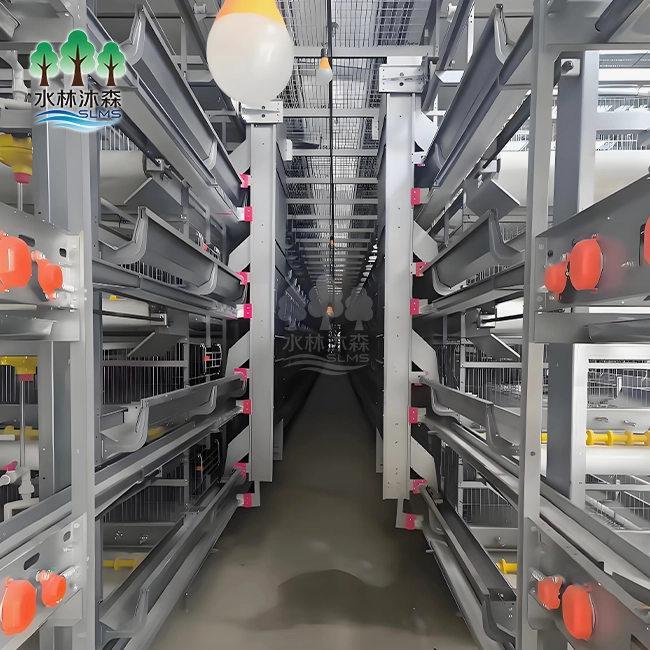
What Is Chicken Transport Cage Rack System in Poultry Farm Logistics
Every day, as a manager of a large poultry operation, you have to figure out how to move live birds safely and quickly. The Farming Chicken Transport Cage Rack is a unique logistics solution that was made to deal with these problems in a planned way. This modular system combines strong steel frames with high-quality plastic cage parts. It changes how modern farms handle gathering broilers, getting rid of spent hens, and moving birds between facilities. Instead of using loose crates that need a lot of manual labour and put birds at risk of getting hurt, this rack system allows forklifts to be used and streamlines the loading process. This cuts down on turnaround times by a large amount and protects animal welfare throughout the supply chain.


Understanding the Chicken Transport Cage Rack System
These days, moving chickens around requires tools that protect both the structure and the animals' well-being. Three built-in parts make up a Farming Chicken Transport Cage Rack system that works as a stable platform for moving the chickens.
Core Components and Design Philosophy
The base is made of hot-dip galvanised steel frames that are made to last in the harsh conditions that are common in chicken farms. This galvanisation process makes a protective zinc coating that is 80 to 120 microns thick. This coating is resistant to ammonia from manure and harsh cleaning chemicals. The steel framework is usually made of Q235 or Q345 carbon steel, which can hold more than 1,000 kg per unit.
Food-grade high-density polyethylene (HDPE) cage parts make up the bird containment pieces. They go with the steel frame. UV stabilisers and impact modifiers are built into these plastic parts. This lets them stay flexible in temperatures as low as -20°C and strong in temperatures as high as 50°C in the summer. The smooth plastic surfaces make handling less stressful and keep things from getting scratched, which directly leads to lower death rates and better meat quality.
Ventilation and Space Optimization Features
The multi-layered design makes airflow paths that work best between stacked units, which solves the very important problem of heat stress during shipping. Studies show that properly designed rack systems can cut the number of "Dead on Arrival" (DOA) cases by 15 to 25 percent compared to traditional loose-crate methods. This open-grid design makes sure that birds inside the truck get enough oxygen, which is especially important for long-distance transport over 300 kilometres or in warm climates.
Improvements in how space is used are just as important. You can handle more birds at your facility by using vertical stacking configurations, which don't take up any more floor space. The standard unit we offer is 2440 cm long, 1340 cm wide, and 116 cm high. It can hold large groups of chickens and still be easily accessed for loading. This level of accuracy in measurements makes sure that they can be used with automated catching machines and Controlled Atmosphere Stunning systems in processing plants.
How to Select the Right Chicken Transport Cage Rack for Your Farm
Before making a purchase decision, operational needs must be carefully weighed against the specifications of the equipment that is available. Knowing the differences between the different types of systems can help you make smart investments.
Farm Scale and Volume Considerations
The daily working output of your farm directly affects the number of rack systems you need. Smaller businesses that only handle 5,000 to 20,000 birds a week might choose lightweight, hand-held units that are easy to move around in tight spaces. On the other hand, large factories that process more than 100,000 birds every week benefit from heavy-duty systems that are easy to operate with forklifts and automatically connect to gathering equipment.
No matter what size, the pull-out cage design makes work much more efficient. Each level can be quickly reached by staff without having to unstack whole units. This cuts down on the time needed to move things around and the physical strain on workers. Farming Chicken Transport Cage Rack integrates seamlessly into this system, allowing loaded cages to be moved as a stable rack unit between farm and transport vehicles. At times of high production, when speed directly affects profits, this practical factor becomes even more important.
Material Trade-offs and Longevity
Comparing metal and plastic parts shows important differences that affect how often they need to be maintained and how much they cost over their entire life. Hot-dip galvanised steel racks usually last between 10 and 15 years, even when they are washed with high-pressure water and organic waste every day. With proper care, our racks last longer than six years, which means they have a lot of long-term value.
Paints or powder coatings that are used instead usually fail in two to three years because ammonia gets through the film and causes rusting. When you look at replacement costs and business interruptions, the initial cost savings show that they were not real economies. In the same way, the quality of plastic drawers from different makers changes a lot. When cold-resistant additives are added to virgin HDPE, it stays structurally sound even when temperatures drop and rise. Recycled materials, on the other hand, become brittle and crack when stressed.
Customization Capabilities and System Integration
Modern chicken farms are using more and more automatic systems that need exact limits for size. For equipment to work with Controlled Atmosphere Stunning systems, the gas permeability needs to be customised, and the mesh opening sizes need to be set so that the gas flows evenly. Big companies that make processing equipment, like Marel and Meyn, have specific needs for the interfaces that good suppliers meet by engineering customisation.
Aside from how they fit into the processing plant, you should also think about how rack systems fit into the infrastructure of your current building. Damaged parts, like drawers or floor sections, can be replaced without throwing away whole steel frames thanks to modular designs. This saves a lot of money over time. Customisation options should include changing the load capacity, the way the cage doors are set up, and adding special coatings for harsh environments.
Best Practices for Using and Maintaining Chicken Transport Cage Racks
To get the most out of your tools and protect birds, you need to follow tried-and-true operational practices. These steps protect your investment and make sure you follow the rules.
Loading and Transport Protocols
Bird density estimates are the first step in using the right feeding methods. Overcrowding raises the risk of death and lowers the quality of the meat by hurting it from stress. Stocking densities should be based on the weight of the birds and how long they will be being transported. Depending on the size of the grill, these densities are usually between 10 and 15 birds per compartment.
When transporting goods by highway, stacking stability is very important. Test the load by stacking racks 1.5 to 2 times their normal height on a 10-degree slope and making sure that the legs of the lowest level don't bend when the load is steady. Farming Chicken Transport Cage Rack is designed with reinforced leg structures and interlocking stacking pins, which directly support this stability requirement during slope tests.
When transporting the units, make sure they are securely stacked using the right support so they don't move when the vehicle stops or turns. Temperature tracking throughout the truck makes sure that the air works well, and changes are made to account for changes in the seasons and the length of the trip.
Hygiene and Biosecurity Protocols
Biosecurity compliance is an important part of modern chicken farms that can't be skipped. Pathogens like Avian Influenza and Salmonella can spread through transport equipment, so it's important to clean it very well between production rounds.
The design of the rack system makes it easy to clean thoroughly when the right instructions are followed. Drainage holes and open profiles keep water from pooling while washing, and industrial detergents and water temperatures up to 85°C won't hurt either steel or HDPE parts. Automatic tunnel washers make the cleaning process easier, which cuts down on labour needs while still meeting HACCP hygiene standards.
Set up regular review times to check the soundness of the welds, the state of the zinc coating, and the wear and tear on the plastic parts. Finding structural problems early on keeps equipment from breaking down during important harvest times. You should replace worn-out parts before they completely break down. This will keep the system running smoothly and protect the birds' well-being.
Preventive Maintenance Scheduling
Systematic maintenance makes equipment last a lot longer. Check the galvanisation stability every three months using magnetic thickness gauges and make sure the zinc layer stays thick enough. Visual inspections should find any blistering, roughness, or bare spots that could be places where rust starts and need immediate attention.
Weld points need extra attention because transport vibrations and dynamic loading cause stress to build up there. Critical welds can be tested without damaging them to find cracks that are starting to form before they break in a big way. The modular design philosophy means that parts can be fixed or replaced without taking whole systems out of service. This keeps production from stopping too often.
Market Insights and Procurement Strategies for B2B Clients
To get around in the goods market, you need to know what suppliers can do and how to negotiate in a way that gets the best results.
Supplier Evaluation Criteria
Quality manufacturers set themselves apart by having clear processes for quality control and offering a lot of technical support. Weifang Shuilin Musen Aquaculture Equipment Co., Ltd. is a good example of this standard because it has eight years of experience developing machinery for farming and raising animals. Our professional research and development team of five dedicated engineers is always coming up with new ideas. Every year, they release more than three new products that they made themselves to keep up with changing industry needs.
Check the qualifications of the provider by looking at their quality control procedures. Reputable makers test HDPE by dropping full crates from 1.5 to 2 meters above at different temperatures to make sure it doesn't break when it hits something. Checks for dimensional accuracy confirm that the measurements inside the drawer allow it to run smoothly without binding, which is important for compatibility with automated dumping systems.
Warranty and After-Sales Considerations
Superior suppliers are different from commodity suppliers because they offer full service support. Look for companies that offer detailed video tutorials and technical documentation to help you with installation. Farming Chicken Transport Cage Rack benefits from this level of support, as proper assembly and leveling are critical to its long-term durability and animal welfare standards. On-site installation services take away the guesswork from implementation, which is especially helpful when adding systems to automated infrastructure that is already in place.
Our standard one-year free warranty gives you peace of mind during the critical adoption phase. However, with proper maintenance, equipment usually lasts much longer than this. Your long-term operational continuity is protected by post-warranty support that includes spare parts inventory and quick technical help. Set up clear ways to talk to your sources so that you can get answers quickly if questions come up while the equipment is being used.
Bulk Purchasing and Customization Options
Volume purchasing can save you a lot of money and make sure that operations are the same in all of your facilities. If you want to place a large order, make sure the terms of customisation meet your needs. Changes to the dimensions can be made to fit different building plans, and special coatings can make equipment last longer in harsh environments.
When you buy something changes the price and when it arrives. Knowing the usual lead times—often 30 to 45 days for standard configurations and longer for customised specifications—will help you schedule the arrival of equipment with the building or expansion of your facility. International shipping makes things more complicated. To avoid regulatory delays, work with providers who know how to handle export paperwork and customs processes.
Future Trends and Innovations in Chicken Transport Cage Rack Systems
The logistics industry for poultry keeps changing as new technologies are added and efforts to be more environmentally friendly change the way equipment is designed.
Sustainable Materials and Environmental Compliance
Environmental laws are having a bigger impact on the design of equipment. Bio-based plastics made from renewable materials look like good options to HDPE made from petroleum. They have smaller carbon footprints and still do good work. For these materials to become widely used, they need to show that they are just as durable, resistant to temperature changes, and safe for food.
Getting rid of waste is easier with programs that recycle old electronics. The modular design mindset makes it easier to separate materials when getting rid of them. For example, steel frames can be easily recycled through scrap metal channels, and plastic parts can be recycled through HDPE recycling streams. As sustainability concerns grow in agricultural supply chains, manufacturers who follow the principles of the circular economy will be in a good position.
Technology Integration and Smart Systems
IoT-enabled monitoring systems are the next big thing in how transportation equipment works. During transport, embedded sensors keep an eye on temperature, humidity, and how well ventilation is working. This gives real-time information that improves animal welfare and finds problems with equipment before they get worse. With this telemetry connection, fleet managers can change loading processes and transport routes based on facts.
Smart ventilation systems with automated fan controls adapt to changes in the environment and keep the airflow at its best even when the temperature outside changes. These improvements make things easier for operators while still providing the same level of welfare in a wide range of working situations. When farms use these technologies early on, they get a competitive edge because the quality of their birds is better and the death rate is lower, which directly increases their profits.
Automation, data analytics, and animal welfare science are all coming together to make poultry logistics better all the time. When equipment manufacturers work with universities and business groups on research projects, it leads to new ideas that help everyone in the supply chain. As the rate of processing speeds up and welfare standards get stricter, businesses that have advanced logistics systems will be able to stay competitive in the market.
Conclusion
Knowing about Farming Chicken Transport Cage Rack systems lets you make buying choices that protect animal welfare and improve operational efficiency. By lowering the number of deaths, making better use of space, and streamlining the handling process, these specialised logistics platforms provide measurable benefits. Long-term success and return on investment are directly affected by the choice of materials, the requirements for size and shape, and the quality control standards.
By looking at suppliers based on their engineering skills, warranty policies, and ability to make changes, you can set up your business for long-term success in a market that is becoming more and more competitive. When sustainable materials and smart technology come together, it means that chicken transport equipment will continue to change, giving early adopters practical benefits.
FAQ
What rack dimensions work best for different farm scales?
Standard 2440cm × 1340cm × 116cm configurations that balance capacity with the ability to handle birds by hand usually work well for operations that process less than 30,000 birds per week. Larger facilities that process more than 100,000 birds a week often ask for custom sizes that work best with their forklifts and processing lines.
How do plastic and metal racks compare in durability?
When used heavily, metal racks that have been hot-dip galvanised usually last 10 to 15 years, which is a lot longer than painted racks that only last two to three years. When made with the right cold-resistance additives and UV stabilisers, high-quality virgin HDPE plastic parts keep their structural integrity for about the same amount of time.
What cleaning frequency should we maintain?
According to biosecurity rules, birds must be washed very well between production cycles and when they are moved from one facility to another. When the equipment is properly designed with drainage features that stop water retention, automated tunnel washers that use 85°C water and industrial detergents can clean in a way that meets HACCP standards.
Partner With a Trusted Farming Chicken Transport Cage Rack Supplier
It has been eight years since Shuilin Musen Aquaculture Equipment Co., Ltd. has been specialised in creating poultry logistics solutions that solve your operational problems. For your facility's infrastructure and processing needs, our tech team creates rack systems that can be changed to fit your exact needs. Our products are made from high-quality hot-dip galvanised steel and brand-new HDPE.
They last for more than six years and make better use of space by more than 50%. We want you to be successful, so we offer full technical support, including installation videos, on-site setup help, and quick, helpful service after the sale, all backed by our free one-year guarantee. Email us at wangshuaislms@gmail.com to talk about your specific needs and get a detailed quote. Visit slms-equipment.com to see all of our products and learn how our Farming Chicken Transport Cage Rack maker solutions make it easier to handle chickens.
References
1. American Poultry Association. (2021). Guidelines for Humane Poultry Transport and Handling. APA Technical Standards Division.
2. Chen, Y., & Morrison, R. (2019). Ventilation Design Optimization in Poultry Transport Systems. Journal of Agricultural Engineering Research, 145(3), 234-247.
3. European Food Safety Authority. (2020). Welfare of Broilers During Transport: Scientific Opinion. EFSA Panel on Animal Health and Welfare.
4. National Chicken Council. (2022). Animal Welfare Guidelines and Audit Checklist for Broiler Chickens. NCC Industry Standards Publication.
5. Peterson, J.L., & Anderson, K.E. (2018). Impact of Transport Container Design on Poultry Stress Indicators. Poultry Science Journal, 97(6), 2156-2165.
6. Wilson, D.R. (2021). Modern Poultry Farm Equipment: Selection, Maintenance, and ROI Analysis. Agricultural Technology Press.
Learn about our latest products and discounts through SMS or email