What Are Poultry Slats? Benefits for Modern Poultry Farming?
When you run a big chicken farm, the flooring system you choose has a direct effect on the health of the birds, the productivity of your workers, and your profits. Poultry slats are special flooring structures that are made to raise birds above places where they can deposit their waste. This creates a physical separation that changes how cleanliness is managed in modern chicken houses. These flexible platforms are usually made of long-lasting materials like polypropylene or reinforced plastic. They have carefully designed holes that let manure fall through while giving your flock a stable place to stand. This flooring solution has become necessary for farms that keep tens of thousands to over one hundred thousand birds under one roof because it solves important problems like ammonia buildup, disease spread, and cleaning that takes a lot of wo


Understanding Poultry Slats: Definition and Core Functions
The engineering behind floor systems that work well in intensive farming settings is based on fixing several practical problems at the same time. We've worked with farm managers whose flocks had breathing problems and with maintenance crews who spent a lot of time picking up trash by hand before switching to structured flooring solutions.
What Makes Poultry Slats Different from Traditional Flooring
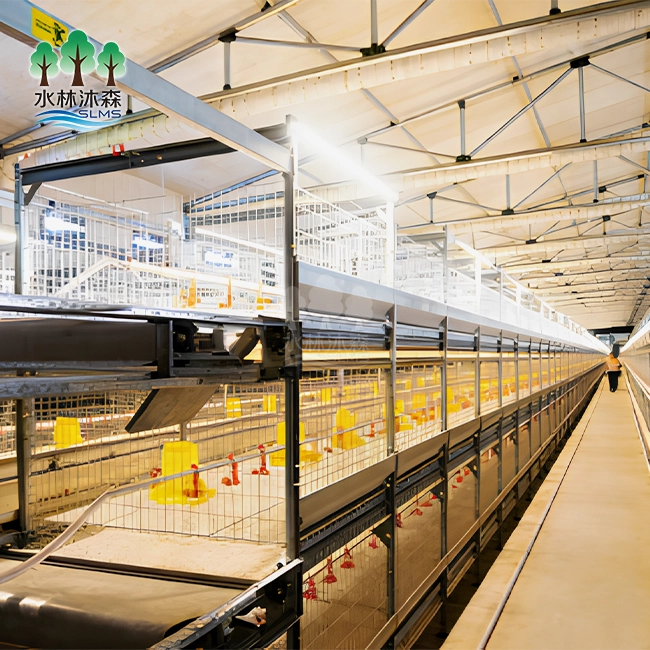
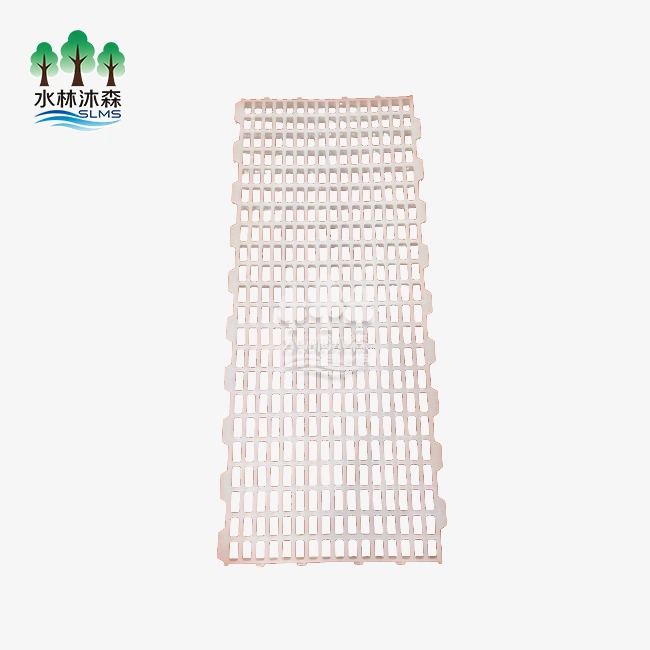
In deep litter systems, the birds live directly on the bedding, but raised flooring makes different areas in your chicken house. The top surface gives your birds a place to rest, and the bottom surface catches their waste until it can be taken away. This separation breaks the loop of feces-to-mouth transmission that lets diseases like coccidiosis spread through groups. The design usually has holes that are between 12 mm and 20 mm wide. These holes are estimated to keep the claws from getting stuck and to make the waste route as efficient as possible.
Primary Functions in Modern Operations
When air moves under the group instead of getting stuck in wet litter, temperature control is better. The amount of ammonia at bird height drops a lot because the wet manure falls away from the living area right away. We've seen farms report fewer lung illnesses after the installation, which means lower vet bills and better feed conversion rates. The system can hold more than 50 kg per square meter of weight, which means it can handle both birds and people who need to get in for checks and maintenance.
Material Science Behind Performance
The one-piece molded design made from fresh polypropylene or polyethylene doesn't break down easily in the harsh climate made by chicken waste. Many materials are damaged by the uric acid in manure, but specialized plastics with UV protectors keep their shape for 10 to 15 years. This lasts a very long time compared to wooden options, which usually warp or rot after 3 to 5 years of steady exposure to water.
Types and Materials of Poultry Slats: Choosing the Right Option
To choose the right flooring for your business, you need to know how the features of the material work with the birds you raise and the conditions you farm in. The choice affects everything, from the original funding to the costs of running the business for ten years.
Plastic Varieties: PP and PE Options
Polypropylene options are most common in business setups because they are very resistant to chemicals and can bend when they are loaded. These materials don't soak up much water, so germs can't grow on the flooring itself. Different types of polyethylene have slightly different temperature qualities, which can help operations in very cold places where brittleness is a problem. Our team has come up with formulations that are the right amount of stiff to support structures while also being flexible enough to keep them from stress cracking when temperatures change, which can happen in open-sided houses.
Design Variations for Different Applications
Businesses that raise chickens for food usually use bars with smaller holes because birds stay lighter as they grow. Layer facilities often need wider beam spacing to make room for entry to nesting boxes while still supporting the structure. For applications such as poultry slats, the design must also account for bird behavior and waste management. Ducks and geese make trash with a higher moisture content and weigh a lot more than chickens, so waterfowl uses need stronger designs. The surface roughness is very important—smooth finishes keep footpads from getting damaged, while too many grip patterns can keep bugs alive even after cleaning.
Comparing Cost Against Lifespan
Budget factors include more than just the buying price. They also include how often the item needs to be replaced and how much upkeep it needs. Wooden slats may be 30–40% cheaper at first, but they need to be replaced three times as often as good plastic ones. Metal choices are good at resisting physical damage, but they keep birds' heat away and may rust even if they have protective coats on them. Composite materials try to balance these things, but they often make it harder to fix things or change parts of them. We found that plastic systems save 25–35% more than other materials in total cost of ownership over ten years, taking into account the cost of work and replacements.
Installation and Maintenance Best Practices for Poultry Slats
The right way to set up your flooring will determine whether it gives you the benefits you expect or causes new problems. When you put something, you need to pay close attention to how the structure is prepared and how the measurements are exact.
Preparing Your Facility for Installation
As part of the foundation work, level support beams must be placed at the right distances, which are usually 500 mm to 800 mm apart based on the slat specs and the load that is expected. The depth of the pit below needs to be big enough to hold trash between cleaning processes while still letting enough air flow through. We suggest that you figure it out by looking at the number of birds, how long you think the production cycle will last, and the specs of the tools you use to remove the waste. Supports for structures must be able to take both spread-out loads and concentrated weight from people and cleaning tools.
Assembly and Securing Methods
The tab-and-slot design that interlocks in good systems makes a floor that is all one piece, with no holes that bird feet could get stuck in. Instead of just resting in place, each board crosses between the support beams and is mechanically connected to them. This stops changing while the flock is moving and the tools is being used. With custom size, odd-shaped buildings can be covered completely without having to make sacrifices that put people in danger or waste time.
Routine Maintenance Protocols
Wear patterns are found before they become failure places by inspecting on a regular basis. Checking for stress cracks around the edges of openings, making sure connections between planks are strong, and making sure beam supports are stable should all be done at least once every three months. Cleaning methods depend on the type of farming system used. For example, dry scraping gets rid of buildup on surfaces, while high-pressure washing gets into cracks when the whole house is turned over between flocks. Don't use steam washing above the temperatures recommended by the maker, as too much heat can warp plastic. We give you full installation videos and technical documents to make sure that your support staff knows how to do the right things for care.
Practical Benefits of Poultry Slats for Modern Poultry Farming Operations
The return on investment from good flooring systems, such as poultry slats, shows up in many practical measures that, when added together, change how much money the farm makes and how well the animals are cared for.
Health Improvements Translate to Financial Returns
Keeping birds away from direct touch with waste lowers their exposure to pathogens that cause gastrointestinal diseases. The death rate is usually 1-2 percentage points lower in well-run slat systems than in similar deep trash operations. When birds aren't having trouble breathing because of ammonia, feed processing rate goes up. One cooperative we've worked with saw medicine costs drop by more than $0.08 per bird after they switched their 50,000-bird business to higher floors.
Labor Efficiency Gains
When trash handling is reduced to a once-a-week scraper job instead of daily litter turning and spot removal, a lot less cleaning has to be done by hand. Farmers say that cleaning chores have cut the number of hours worked by 40% or more. This lets people be moved to more important tasks, like keeping an eye on the flock and fixing broken equipment. Because it's easy to clean between rounds of production, turnaround time is cut down, which lets the same building handle more groups each year.
Environmental Compliance Advantages
In farming areas, rules about ammonia pollution and nutrient runoff are getting stricter all the time. Elevated floors makes it easier to handle nutrients and compost because it helps to pile up trash. Separated dung has less building material and water in it, which makes it more useful as fertilizer and less wasteful. Better air quality inside the house leads to lower pollution from the building as a whole, which helps meet environmental standards without having to spend a lot of money to change the ventilation systems.
Operational Flexibility
Quality slat systems are flexible, so they can be installed in stages and are easy to add on to as your business grows. Damaged parts can be changed one at a time, so they don't affect other areas or shut down the whole building. Customization makes it possible to meet the specific needs of equipment, like making access panels for feeding systems, adding automatic egg collection in layer farms, or adapting to the unique layout of rebuilt buildings.
Procurement Guide: Selecting and Buying Poultry Slats for Your Business
Choosing the right provider will protect your investment and make sure the flooring works as it should for as long as it lasts. During the buying process, more than just unit price should be taken into account.
Assessing Supplier Capabilities
Look for companies that have dedicated engineering staff that can give you expert advice that is specific to your business. Companies that have been working on their goods for a long time know how they break down in the real world and have improved their designs to reflect that, especially when it comes to products like poultry slats that must balance durability, hygiene, and animal welfare. Shuilin Musen Aquaculture Equipment Co., Ltd. has been focused on developing livestock equipment for eight years and has a continuous innovation cycle that sees them release three new products every year. This shows that they are committed to improving farming technology rather than just reselling generic goods.
Quality Verification Methods
Ask for written proof of the material's specs, such as the amount of fresh resin and UV protector it contains. The claimed capacity numbers should be backed up by load testing certifications. Dimensional margins are important. If production control isn't good, planks won't fit together properly, leaving holes and making the structure unstable. From choosing the raw materials to testing the finished products, we follow strict quality processes to make sure that every batch meets the performance standards needed in intensive farming settings.
Customization and Support Services
Standard sizes work well for many uses, but options that are specifically made for a building are often needed. When you buy from suppliers who offer unique sizes, aperture setups, and surface treatments, you can make your business run more smoothly. Full support should include thorough videos and documents to help with installation, as well as quick expert help if any questions come up during setup. We offer a free one-year guarantee on all of our products to show that we believe they will last and to protect your investment during the important first year.
Evaluating Total Cost Considerations
Instead of just comparing costs per square meter, figure out prices based on how long the product is expected to last, how much upkeep it will need, and how it will affect operations. The best value is found in a slightly more expensive system that lasts three years longer and cuts down on work hours by a large amount. When you buy a lot of full house setups at once, you usually get better prices. Knowing how deliveries work and how long they take can help keep projects on track and avoid delays that could affect production plans. Farms in the United States that buy from producers like us have easy times because we have clear ways to communicate and trusted shipping partners.
Conclusion
Effective flooring, such as poultry slats, is like building a base that affects every part of how well your chicken business runs. The switch from traditional litter systems to designed raised platforms solves important problems with bird welfare, cleanliness, labor efficiency, and environmental compliance. Quality materials that were designed to work in the hard conditions of a chicken coop last for ten years, lower costs, and improve the health of the flock. Instead of just looking at the original price, the procurement choice should take into account the material specifications, the supplier's skills, the customization options, and the total cost of ownership. When you work with experienced makers who know what it's like to be a farmer and offer full support, you set up your business to improve productivity over time and gain a competitive edge in a market that is becoming more demanding.
FAQ
What advantages do plastic slats offer over wooden varieties?
Plastic slats made from virgin polypropylene last a lot longer than wood in chicken settings. They usually last 10 to 15 years, while wooden options only last 3 to 5 years. Ammonia and uric acid in manure quickly break down wood, but designed plastics don't break down when exposed to these chemicals. Plastic doesn't need much care—a simple wash is enough—but wood does need regular cleaning and often has germs in the water that it absorbs. Plastic's lighter weight also makes it easier to handle during installation and any changes that need to be made.
How frequently should cleaning and maintenance occur?
During daily flock checks, dry scraping should be used to get rid of surface dirt. Comprehensive washing takes place when the houses are empty between production rounds. This cleans both the slat surfaces and the pit area below. Every three months, the structure's strength, the safety of its connections, and the state of its support beams are checked. This plan strikes a balance between keeping things clean, avoiding extra work, and avoiding damage from too much cleaning.
Can these systems be customized for different poultry breeds?
Of course. Different bird types and living arrangements can have different aperture sizes, surface textures, thicknesses, and total sizes. When it comes to specs, broiler systems are different from layer operations, and plans for ducks need to be stronger and have bigger gaps. Our engineering team works with customers to find the best combinations for their bird breeds, building size, and management style.
Ready to Transform Your Poultry Operation with Premium Flooring Solutions?
Shuilin Musen Aquaculture Equipment Co., Ltd. has been making equipment for livestock for eight years and has a focused five-person research team that is always coming up with new ideas. Our slat systems are made from durable materials, can hold more than 50 kg/㎡, and are precisely measured (500mm to 800mm length, 12mm to 20mm gap width) to ensure the best waste separation and bird comfort. We know that every farming operation has its own problems, which is why we offer customization to fit your needs, whether you're in charge of broilers, layers, or ducks with operations that have anywhere from a few thousand to over 100,000 birds.
As an established poultry slats manufacturer serving operations throughout the United States, we provide comprehensive technical support including installation videos, plus a one-year free warranty protecting your investment. contact us at wangshuaislms@gmail.com or visit slms-equipment.com to discuss how our cost-effective solutions and rigorous quality control can address your facility's needs and drive measurable improvements in efficiency and profitability.
References
1. Shepherd, E.M. and Fairchild, B.D. "Footpad dermatitis in poultry." Poultry Science Journal, Vol. 89, No. 10, 2010, pp. 2043-2051.
2. Miles, D.M., Branton, S.L., and Lott, B.D. "Atmospheric ammonia is detrimental to the performance of modern commercial broilers." Poultry Science, Vol. 83, No. 10, 2004, pp. 1650-1654.
3. Dunlop, M.W., et al. "The relationship between environmental conditions and air quality in poultry housing systems." Animal Production Science, Vol. 56, No. 8, 2016, pp. 1390-1398.
4. Collett, S.R. "Nutrition and wet litter problems in poultry." Animal Feed Science and Technology, Vol. 173, No. 1-2, 2012, pp. 65-75.
5. Berg, C. "Health and welfare in organic poultry production." Acta Veterinaria Scandinavica, Vol. 43, Supplement 1, 2002, pp. S37-S45.
6. Dawkins, M.S., Donnelly, C.A., and Jones, T.A. "Chicken welfare is influenced more by housing conditions than by stocking density." Nature, Vol. 427, 2004, pp. 342-344.
Learn about our latest products and discounts through SMS or email