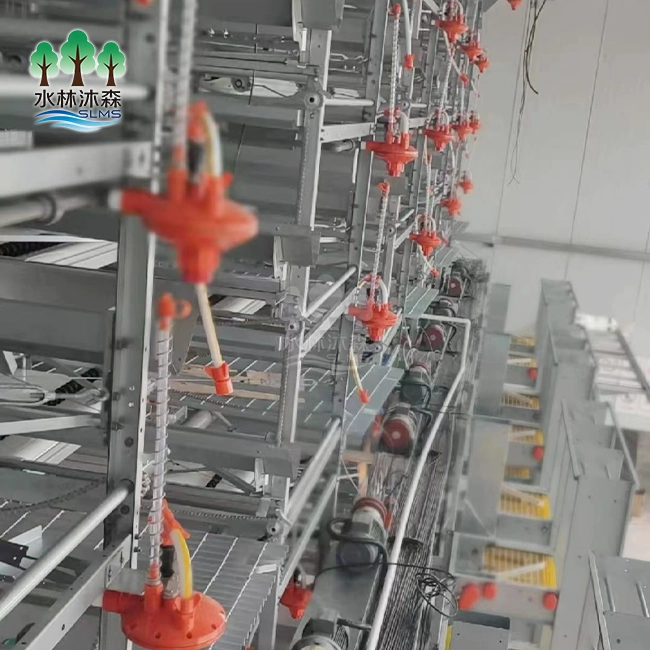
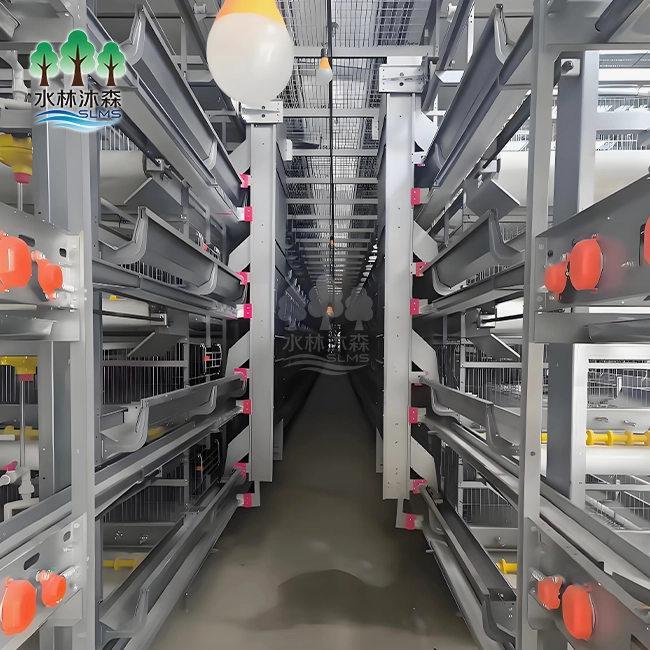
Guide to maintaining actuator motors on chicken breeding farms
If you take good care of your actuator motors, they can last up to 40% longer and your chicken business will have a lot less unplanned downtime. A Chicken Farm Breeding Actuator Motor is the mechanical backbone of modern chicken coops. It precisely controls air systems, food equipment, and systems that get rid of manure. High levels of ammonia, dusty air, moisture, and changes in temperature are all things that these specialized electromechanical devices have to deal with. These conditions would quickly kill normal industrial motors. Regular maintenance protects the health of your group and your bottom line by making sure that your robotic investment keeps working as it should.
Understanding Chicken Farm Breeding Actuator Motors
These days, automatic weather control is very important for chicken farms, and actuator motors make this possible. These machines take electrical energy and turn it into controlled mechanical movement. They can move ventilation curtains, change the position of air intakes, and raise feed lines very precisely.
Core Functions in Poultry Automation
There are three main jobs that actuator motors in chicken houses do. They control the openings that let air into the building so that the static pressure and temperature are spread out evenly throughout the building. They change the heights of the food and watering systems as the birds get bigger. This makes sure that everyone can get to them and keeps hygiene high by limiting human involvement. They are also in charge of the tunnel air doors and curtains, which lets them act quickly during heat stress events.
Technical Specifications That Matter
The hard climate for chickens requires special building methods. When ammonia, water, and dust get into standard motors, they rust very quickly. Custom-built units have sealed housings with an IP65 or IP66 rating, push rods made of stainless steel, and finishes that don't rust and can handle being exposed to harsh farming chemicals every day. Power range is an important thing to look at when choosing actuator motors for your job. Most units are between 0.75KW and 3KW, and how much power they need depends on how much weight they have to move. A copper motor with a cast iron case is durable and good at getting rid of heat when it's running all the time.
How well the motor works with your farm management system depends on how well it can be controlled. Intelligent linking compatibility lets environmental controllers talk to each other without any problems, so temperature, humidity, and air quality monitors can be automatically responded to. Protection features like overload protection, trip limit switches, and emergency stop functions keep equipment from getting damaged and keep operators safe. The structure, which is made up of power, control, and security modules, makes it easier to fix problems and change parts. The motor can handle the high temperatures, moisture, and corrosive atmospheres that are common in chicken plants, according to the operating environment standards.


Common Maintenance Practices for Actuator Motors on Chicken Farms
Unexpected failures of robotic systems can cause costly production delays. Proactive repair can stop these problems before they happen. Setting up a structured repair routine will protect your equipment investment and keep the flock in the best condition possible.
Daily Visual Inspections
You can spot early danger signs when you walk through your chicken coop every day. Listen for strange sounds coming from actuator motors. High-pitched whining, clicking, or grinding sounds are often signs of bearing or gear problems. Check to see if the food and air systems move smoothly all the way through their full range of motion. If the action is jerky or slow, it could be because of a lack of lubrication or a technical problem.
Check the fixing bolts of the Chicken Farm Breeding Actuator Motor to see if they are loose or rusty. During operation, vibration can slowly loosen bolts, which can throw them out of line and speed up wear. Check the electrical connections for burning signs like darkened insulation or smells of burnt metal, which can mean bad connections or too much current draw.
Weekly Cleaning Protocols
When dust builds up on actuator motors, it causes a number of issues. It keeps the motor case from releasing heat normally, which leads to early component failure. Over time, dust can also get inside seals and contaminate internal parts, leading to rough wear. Use compressed air to get rid of loose dust, but make sure to point the stream away from seal surfaces so that it doesn't push contaminants into protected areas. To get rid of any leftover dust, wipe the outside with a slightly damp cloth. High-pressure washing actuator motors directly should not be done unless the maker says it is okay to do so. When units are close to concentrated high-pressure streams, even those with an IP66 rating can have their seals broken.
Monthly Lubrication and Detailed Inspection
When you lubricate bearings and gears properly, they last longer and use less energy. Check the instructions that came with your tools to find out exactly where to lubricate it and what kind of oil to use. Problems are just as bad when there is too much or too little lubrication. Too much or too little lube attracts dust and makes a grinding compound that speeds up wear.
During weekly checks, carefully look over the electrical wires. Check the wire insulation for damage from rodents. This is a frequent issue in buildings used for farming. Check the wire ports to make sure they stay waterproof and tight. Make sure that the supports for the pipe are still in place and haven't moved because of machine vibrations or building settlement.
Check the limit buttons that tell you how far the actuator can move. These safety devices stop over-extension, which could hurt equipment that is attached. Make sure they work right at each end of the journey range. Carefully clean the surfaces of sensors because dust can build up and give false readings that mess up automatic control processes.
Seasonal Deep Maintenance
When chicken houses are being cleaned and disinfected between groups, be sure to do all of the upkeep on the actuator motors. This timing keeps production plans as stable as possible while still letting people get to equipment that is usually surrounded by birds.
Write down how well each motor works while it's running. Take note of any slow changes in reaction times, noise levels, or speed. These trends often show problems that are starting to happen before they become total failures. Instead of waiting for broken parts to happen during busy production times, replace old parts before they do. If you have one, test your backup power sources. Many businesses make sure that important air devices have backup batteries so that they don't lose all of their flock when the power goes out. Make sure these tools work right and have enough power to keep your birds safe.
Troubleshooting Common Issues in Poultry Breeding Actuator Motors
Seeing the signs of a problem and figuring out what's probably causing it lets you act quickly and with little effect on production.
Diagnosing Motor Performance Problems
Systematic analysis is a quick and accurate way to find the root cause of an actuator motor that is acting strangely. Overheating usually happens when there is too much load, not enough air flow around the motor, or electrical problems that cause too much current to flow. Make sure the motor isn't pushing a bigger load than it was meant to handle. For example, ice buildup on ventilation doors in the winter can make the resistance much higher.
Movement that is slow or irregular is usually a sign of a problem with lubrication, mechanical binding, or power supply issues with the electrical system. Check to see if the issue happens all the way through the motion range or just in certain spots. Position-specific problems could be caused by a mechanical obstruction or a problem with the limit switch. On the other hand, operations that are always slow could be caused by electrical or motor winding problems.
Complete motor failure needs help right away. Before you think the motor is broken, check the circuit breakers and the outputs of the control system. A lot of problems that seem to be with motors are actually caused by control systems or wires. Check with a multimeter that voltage hits the motor contacts when the control system tells it to start up.
Electrical System Troubleshooting
A big part of Chicken Farm Breeding Actuator Motor breakdowns is caused by electrical problems. When you have loose connections, resistance builds up, which makes heat. Eventually, the link or wire will break. Tighten all of the main connections and make sure they meet the force requirements. Check the control box for error numbers or lights that show when something is wrong. These days, smart systems often keep track of error messages that help find problems that happen from time to time and are hard to see directly. By looking at these logs, you can find trends, like problems happening at certain times of the day or in certain weather.
Calibration of sensors has a big effect on how well actuators work. To place actuators properly, environmental controls need exact readings of temperature, humidity, and pressure. Sensor drift makes the control system tell the actuators to move in the wrong places, which creates less-than-ideal conditions in the surroundings even though the motors work fine.
Mechanical Issue Resolution
Most of the time, misalignment, rust, or dirt getting in the way cause mechanical binding. Turn off the power and move the device that the actuator controls by hand, making sure that it moves smoothly all the way along its trip range. Problems can be found where there are rough spots or tight areas. In farming settings, binding is often caused by corrosion on links and pivot points. Corroded parts should be cleaned well and lubricants that prevent rust should be used. If you live in a place that has rust problems often, you might want to upgrade to stainless steel parts.
Worn gears inside the actuator make more and more noise until they break completely. This wear usually happens because the bearings aren't well oiled, they're dirty from dust or water, or they're being used at loads that are too high for their design. In most cases, replacing gears needs to be done by a professional, but some flexible designs let you change gear sets on the spot.
Optimizing Energy Efficiency and Performance of Actuator Motors
Energy costs make up a big part of the costs of running a chicken farm. Improving the accuracy of weather control often comes at the cost of lowering the amount of electricity used by actuator motors.
Evaluating Current Energy Consumption
By measuring how much energy is actually used, we can start making improvements. Put energy tracking on the actuator motor circuits to see how they are used throughout the day and throughout the year. When comparing usage during similar weather conditions across different production cycles, look for rises that don't make sense and could mean that equipment problems are starting to happen. When it comes to chicken uses, electric actuators usually use less energy than pneumatic ones. They only use power when they're moving, while air systems need the pump to be running all the time. But pneumatic actuators are better in places where there is a risk of explosion or where there isn't a lot of electricity equipment.
Performance Optimization Strategies
Calibration of the control system has a big effect on both how much energy is used and how clean the surroundings is. When systems aren't tuned properly, actuators cycle too much, which wears out equipment faster and wastes energy. Talk to the company that makes your control system about how to make the best response curves that balance keeping the world stable with keeping actuator movement to a minimum. When used in certain situations, switching to variable frequency drives saves energy and makes performance easier. Instead of just turning something on and off, these drives let you precisely control the speed. This lowers motor stress and makes tools last longer.
When equipment makers release software changes, they often include features and ways to make the Chicken Farm Breeding Actuator Motor software work better. Keep the software versions of smart devices and control systems up to date. These changes can sometimes fix problems with speed or add features that weren't there when you bought the equipment in the first place. Your staff will know how to use automatic systems well if they get regular training. Operators who know how systems work can spot problems early and avoid doing things that waste energy or put extra stress on equipment.
Actuator Motor Installation and Lifespan Best Practices
When you place an actuator motor correctly, it will work reliably for years to come. When you cut corners during installation, you end up with problems that last longer and cost more to fix.
Pre-Installation Planning and Preparation
Planning carefully is the first step to a successful operation. Make sure that the electrical source can handle the motor's needs with a safety cushion. Electrical connections that are too small cause power drops while the motor is running, which causes it to overheat and break down early. Choose mounting places that give you enough room to do upkeep. Actuators that are placed in tight spaces make it harder to clean and check them on a regular basis, which delays upkeep and eventually causes problems.
Think about how the installation will change over time because of birds, feed dust, and manure. Check out the weather and other factors at the planned installation site. No matter how much safety they have, actuators that are mounted in places where they will get manure buildup or steady water contact need to be cleaned more often. Moving something a few feet can sometimes make it last a lot longer.
Proper Mounting and Alignment
Secure fastening stops vibrations that can open bolts and throw them out of place. Use bolts that are right for the material of the structure, like those made of steel, concrete, or wood, and put thread-locking glue on important connections. Make sure that the fastening surfaces are physically sound and can handle the forces of operation without bowing.
When the actuator is perfectly lined up with the device it moves, locking and uneven wear are avoided. When things aren't lined up right, the actuator rod is side-loaded, which damages the seals and speeds up the wear on the bearings. Use the right couplers and links that can handle a little error without putting stress on the actuator. Long-term dependability is affected by how cables are routed. Keep electricity lines safe from damage, water, and rodents. To keep water out, use the right cable ports at the point where the actuator connects to the body. Strain relief stops the weight of the wire from putting stress on internal links.
Understanding Expected Lifespan
The length of time an actuator motor lasts depends on how it is used, how well it is maintained, and how well it was made to begin with. Units that are well taken care of and kept in a controlled setting often last longer than 10 years. Units that are in harsh environments or don't get much care may break down in three to five years. Environmental factors have a huge effect on how long people live. High levels of ammonia, high humidity that doesn't go away, and sudden changes in temperature all speed up the breakdown process. Equipment lasts a lot longer in places where air and weather control are done well than in places where these things are not done well.
Your investment will be safe if you choose sellers who offer full guarantees and support services. The guarantee on our actuator motors covers manufacturing flaws and early breakdowns for a year. This guarantee shows that we believe in the quality of the product and protects your finances during the important early service period. Quality new parts keep the performance and dependability of the equipment up to the end of its useful life. Original tools Manufacturer (OEM) parts are designed to fit and work properly with your tools. Aftermarket parts may be cheaper at first, but they often aren't as good, so they break down early and cost more to fix over and over again.
Conclusion
One of the best purchases you can make in your chicken business is to make sure the Chicken Farm Breeding Actuator Motor units are well taken care of. Regular checks, regular cleaning, the right amount of lubrication, and organized troubleshooting keep equipment from needing expensive emergency fixes and output losses that happen when it isn't taken care of.
You can make repair plans that work for your motors if you know their technical specs, how they should be used, and any environmental problems they might face. Strategies for optimizing energy use lower costs while often improving the accuracy of environmental control. Installing and choosing the right parts will give your automation system years of reliable service, protecting your investment and making sure your flock is in the best possible conditions.
FAQ
What maintenance schedule should I follow for actuator motors?
Daily eye checks should be made for strange sounds or movement issues, cleaning should be done once a week to get rid of dust buildup, lubrication and detailed electrical checks should be done once a month, and buildings should get full repair in between flocks when they are cleaned. This layered method finds problems quickly and keeps production plans as stable as possible. Change the frequency based on the conditions of the area—facilities with a lot of dust or bad air need to be cleaned more often.
How do I know when an actuator motor needs replacement rather than repair?
When the cost of repairs gets close to 60% to 70% of the cost of a new actuator motor, when the motor keeps breaking down in the middle of production even after repairs, or when internal parts like motor windings or gear units stop working, it's time to replace the motor. Widespread rust on the outside that weakens the structure also calls for replacement. Our expert team can look at your case and tell you what the most cost-effective course of action is, whether that's repair or replacement.
Can actuator motor failures affect flock health?
Of course. Ventilation devices that control temperature, humidity, and air quality are run by actuator motors. If a motor fails, it can mess up the airflow system, which can lead to heat stress, cold stress, breathing problems from bad air quality, or massive flock loss during extreme weather. Because of this biosecurity link, regular upkeep is now required instead of being a choice. Problems with the actuators in an automated food and watering system can also hurt the health and performance of the group.
Partner with Shuilin Musen Aquaculture Equipment Co., Ltd. for Reliable Actuator Solutions
Picking the right Chicken Farm Breeding Actuator Motor provider will have a big effect on how reliable and profitable your business is in the long run. Eight years of experience in farming and cattle machinery, with a focus on the unique needs of poultry farms, is what Shuilin Musen Aquaculture Equipment Co., Ltd. brings to the table. Our actuator motors have copper motors inside cast iron cases, clever coupling compatibility, and a lot of safety features, such as the ability to stop in an emergency and protect against overloading. We offer full technical help through installation guides and thorough instructions. For more complicated uses, we can also install the software on-site.
Our one-year free guarantee covers every unit, and our friendly after-sales service is always ready to help. Our ability to customize means that we can give you options that are exactly what you need, whether you're in charge of 5,000 or 500,000 birds. Email our team at wangshuaislms@gmail.com right now to talk about how our actuator motor solutions can improve the stability and efficiency of your farm's automation. Check out our full line of chicken automation equipment at slms-equipment.com. It's made for current intensive farming businesses.
References
1. Jones, P. and Williams, R. (2021). Automation Systems for Commercial Poultry Production. Agricultural Engineering Press.
2. Martinez, S. (2020). "Preventive Maintenance Protocols for Livestock Facility Automation." Journal of Agricultural Mechanization, 45(3), 112-128.
3. Thompson, D. et al. (2022). Environmental Control in Poultry Housing: Equipment and Management. Livestock Technology Publications.
4. Anderson, K. (2019). "Energy Efficiency in Automated Poultry Operations." Poultry Engineering Quarterly, 31(2), 45-61.
5. Chen, L. and Brown, M. (2023). Actuator Technology for Agricultural Applications. Modern Farming Equipment Institute.
6. Roberts, J. (2020). "Lifecycle Cost Analysis of Poultry House Automation Components." Agricultural Investment Review, 18(4), 203-219.
Learn about our latest products and discounts through SMS or email