How do plastic turnover cages improve poultry house management?
Plastic Turnover Cage for Poultry Houses make running a chicken coop better by changing how daily tasks are done and making tools last longer, safer, and more efficiently. These special housing solutions, made from high-quality polypropylene or polyethylene, get rid of the problems that come with corrosion and offer smooth sanitation features that make pathogen transfer much less likely. The new rotating design makes it easy to clean and check on the birds quickly, which saves a lot of time compared to standard housing systems. With their improved ventilation systems and stackable designs, these cages make the best use of space in modern poultry businesses, from small family farms to big commercial facilities. They directly meet the needs of settings with a lot of chickens.


Understanding Plastic Turnover Cages in Poultry Farming
These days, chicken farms need equipment that takes animal welfare and working performance into account. Plastic Turnover Cages for Poultry Houses are a big step forward in housing technology because they solve problems that metal and wooden options can't.
Engineering Design Principles
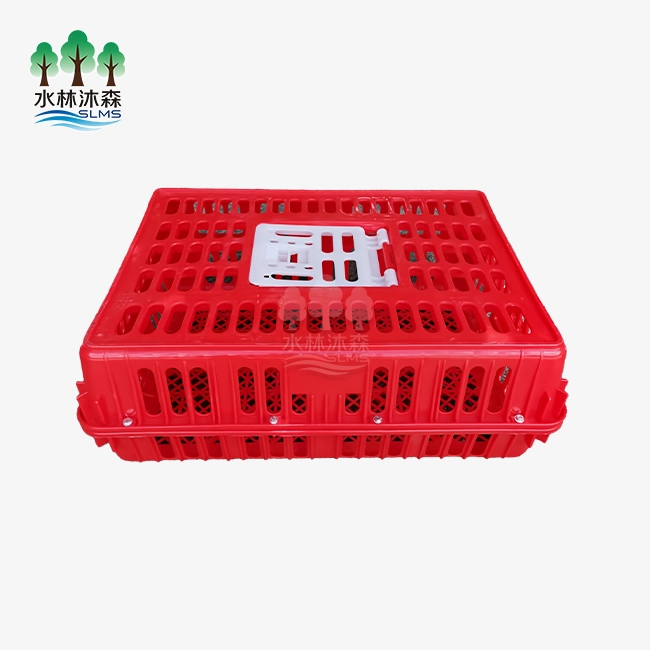
The idea behind making these cages is that they should be useful in a variety of situations. The material is made from either raw polypropylene or modified polyethylene, and it can withstand impacts very well in temperatures ranging from -25°C to 60°C. This ability to handle a wide range of temperatures is necessary for activities in the United States' many climate zones. The lattice structure has apertures that are strategically sized to balance structural integrity with ventilation needs. This creates over 60% open surface area while keeping a load-bearing capacity of more than 300 kilograms when stacked in a standing position.
The change process comes from real-life experience in the field. The moving door assembly is usually at least 30 centimeters wide, which lets birds be put in and taken out without hurting their wings, which can happen with smaller designs. The layered support framework properly spreads weight across stacked designs, stopping the cage deformation that forces equipment to be retired too soon.
Adaptability Across Production Systems
For different chicken businesses, the cages need to be built in different ways. When running a broiler farm, speed of output and ease of cleaning between groups are important. When running a layer farm, long-term structural stability and easy egg collection are important. Because they are flexible in size, our cages can be used in either situation. Standard sizes of 750x550x230mm and 750x550x330mm work for most business needs, but they can be exact-matched to current infrastructure measurements or specific breed needs through customization options.
Because these devices are flexible, they can be expanded in stages. Farms can start by installing in certain house parts, measure how well it works, and then expand the use based on the proven efficiency gains. This method lowers the risk of capital loss and boosts operating trust by showing clear results.
Core Benefits of Plastic Turnover Cages in Poultry House Management
When buying agricultural tools, choices are based on how much it will cost overall and how well it will work. Plastic Turnover Cages for Poultry Houses have measured benefits in a number of performance areas that have a direct effect on profits.
Biosecurity and Disease Prevention
The biggest threat to chicken businesses' finances is the spread of disease. Pathogens hide in the tiny cracks and gaps of traditional wooden cages, making them impossible to clean properly. Rust breaks down the surface of metal bars, making similar places for bacteria to live. The turnover cages' non-porous plastic surface gets rid of all of these sources of contamination.
Chemical disinfectants and high-pressure cleaning devices don't damage the material in our cages. Being able to take cage parts apart and submerge them completely in cleaning solutions makes sure that they are completely clean between production runs. According to separate studies, bacterial colonies are killed over 95% of the time when the right cleaning methods are used on plastic housing, but only 70–80% of the time when the same cleaning methods are used on metal housing.
This biosecurity benefit means that medical care costs and death rates go down in a way that can be measured. Industry field data shows that farms that use full plastic cage systems see a 30–40% drop in disease incidents in the 18 months after they are installed.
Labor Efficiency and Operational Speed
In chicken businesses, labor is one of the most changeable costs. Investing in equipment that makes regular chores faster and easier gives a quick and long-term return on investment. Because our cages are usually 40% lighter than metal units of the same size, most upkeep jobs that used to require two workers can now be done by one person.
It really is amazing how much time the shift cleaning process saves. It takes about three to four minutes to disassemble and clean standard cages, but workers can completely rinse the inside of these cages in about 90 seconds per unit. This efficiency means that more than 200 hours of work are saved each cleaning cycle in a building with 50,000 birds living in normal cages.
The ergonomic door arrangement makes daily tasks like checking and eating easier on the body. When human factors and animal living needs are taken into account in the design of tools, workers say they are less tired and more productive.
Financial Performance and Longevity
When buying equipment, you need to think about more than just the initial purchase price. You also need to think about the total cost of ownership. Through a variety of processes, these systems show better financial success over a 5-year working horizon. The natural corrosion resistance of plastic construction gets rid of the ongoing upkeep costs that come with fixing metal cages and reapplying protective coatings. Typical metal cage systems need to be completely cleaned of rust every 18 to 24 months, which costs money and stops production. With plastic solutions, you don't have to worry about these ongoing costs at all.
Material lifespan studies show that high-quality plastic building is the best choice. Virgin polypropylene cages keep their structural integrity for 5 to 7 years of heavy use with proper care. This is the same or longer than the useful lifespan of galvanized metal options while needing a lot less upkeep. The one-year warranty that comes with our systems gives you extra financial peace of mind during the important early operating time.
Businesses that have to report on sustainability or make corporate responsibility promises are interested in how recyclable something is. Plastic cages that have reached the end of their useful life still have value for recycling, which helps to cover some of the cost of replacement while also supporting environmental responsibility goals.
Comparing Plastic Turnover Cages with Alternative Materials
The choice of material has a big impact on how well something works, how much upkeep it needs, and how much it costs in the long run. When you compare Plastic Turnover Cages for Poultry Houses to traditional ones, you can see clear differences in how well they work in key business measures.
Plastic Versus Metal Construction
For decades, metal boxes were the most common way to house chickens because they were thought to be more durable. But practical experience shows that there are big problems. The corrosive climate in chicken coops, which includes ammonia, wetness, and organic matter, breaks down metal surfaces even when they have coatings that protect them. In normal production settings, rust starts to form within 6 to 12 months, making sharp edges that hurt birds and keep germs inside.
Corrosion doesn't happen at all when plastic is used. The material doesn't change chemically when it comes in contact with ammonia or cleaning products. This means that the surfaces stay smooth, which is good for birds' health and makes cleaning easier. Weight benefits make it easier to move and reorganize, which is especially helpful for businesses that change the plans of homes based on the seasons. The thermal qualities are also very different. Metal cages quickly lose heat, making temperature stress points that make it hard for birds to stay comfortable in extreme weather. Plastic materials slow down the passage of heat, which helps keep the weather inside the box more stable.
Plastic Versus Wooden Alternatives
Wooden boxes were one of the first low-cost ways to house animals, but they are hard to keep clean and safe. Wood takes in water and organic matter, which makes it a great place for bacteria and fungi to grow that are hard to kill. Under normal use, structural breakdown happens in 18 to 24 months, so they need to be replaced often. Plastic bars are more structurally stable and don't break down when they get wet. The material stays true to its original size even after years of use, so the doors and stacking work the same way every time. Getting rid of splintering and material breakdown gets rid of sources of contamination and harm risks that are bad for group health.
Mobility and Configuration Options
Some types of cages have wheels or rollers built in that make them more useful. Mobile designs make it easy to move units quickly for cleaning or making yearly changes to living. Fixed-position designs are the most stable for long-term placements where movement isn't important. Which movement choice to choose depends on how operations are run. Wheeled designs are very helpful for processing plants that need to move their equipment around a lot to handle changing output. Long-term layer operations with safe house configurations get the same functionality as fixed-position units for less money per unit.
Procurement Considerations for Plastic Turnover Cages
When buying strategic tools, it's important to carefully consider Plastic Turnover Cage for Poultry Houses working needs, supplier skills, and total ownership costs. Comprehensive buying processes protect capital investments and make sure that new tools can work with systems that are already in place.
Operational Requirements Assessment
Setting clear practical goals is the first step in making procurement work well. The size of the cage needs to match the building's current systems, doorways, and automatic food systems. Choosing between 230mm and 330mm height specs changes the number of birds that can live in each unit and the total density of the housing.
The standards for stacking affect the structure details. When operations plan stacking setups with 8–10 levels, they need stronger cage designs that can hold more weight than configurations with 4–6 levels. The best number of cages and how they should be set up are found by comparing the total number of birds that can be housed with the available floor space.
Integration with current tools is a very important aspect of connectivity. Feeding systems, drinking lines, and air systems must be able to adapt to how the cages are placed and how people get to them. Before orders are finalized, the dimensions and fixing points must be checked against existing equipment.
Supplier Evaluation Criteria
Supplier selection is more than just looking at unit price; it also looks at professional know-how, quality control, and help after the sale. Weifang Shuilin Musen Aquaculture Equipment Co., Ltd. has eight years of specialized experience in farming and cattle machinery. This gives them the technical background they need to make sure their equipment works well.
The fact that a seller has committed engineering resources shows that they can meet customization needs and solve operational problems. Our skilled engineering team of five people comes up with more than three new goods every year. This constant innovation keeps equipment specs in line with how the industry is changing.
Quality assurance methods keep tools from breaking down too soon. A lot of tests are done on the given equipment to make sure it meets practical needs. These tests look at the material makeup, the structural load capacity, and the thermal stress tolerance. Material approvals that say the plastic is made of virgin plastic and not recovered fillers show that the company is committed to performance rather than cutting costs.
Cost Analysis and Value Optimization
The purchase price is only one part of the total cost of owning. To figure out the real return on investment, a full financial analysis takes into account things like predicted lifespan, upkeep costs, gains in labor efficiency, and biosecurity improvements.
A lot of the time, buying in bulk leads to big price cuts per unit. Operations that are looking to make changes across the whole facility should ask for price offers based on volume that take into account economies of scale in both production and transportation. Customization needs may have an effect on pricing, but the operational benefits of exact matching specs often make the extra costs worth it.
Warranty terms and help options after the sale are very valuable. Our normal one-year guarantee covers problems with the way the product was made and materials that don't work during the important first few months of use. Access to installation videos and expert help documents cuts down on the cost of setting up new equipment and speeds up the time it takes to start working.
When and how much to buy may be affected by how much money is available. Buying equipment after looking at practical cash flow, production plans, and available capital makes sure that projects go smoothly and don't put too much pressure on finances or operations.
Maintenance Best Practices to Maximize Lifespan of Plastic Turnover Cages
How well equipment is maintained has a big impact on how long it lasts. Using organized maintenance procedures protects the Plastic Turnover Cages for Poultry Houses original investment and keeps biosecurity standards and operating efficiency high for the whole life of the equipment.
Routine Cleaning Protocols
Systematic cleaning methods stop the buildup of waste matter and the growth of germs. Setting cleaning plans that work with production cycles makes sure that there is good hygiene between bands while keeping downtime to a minimum. Cleaning jobs are done well with high-pressure water devices. Setting the water pressure to between 1200 and 1500 PSI will get rid of organic matter without hurting plastic or the joints between parts. When choosing cleaning products, make sure they are compatible with polypropylene and polyethylene. Usually, alkaline cleansers work well without breaking down the materials.
Because our cage systems can be taken apart, they can be completely cleaned when normal cleaning isn't enough. By taking off the door sections and support parts for separate cleaning, you can get to places that are hard to reach that could be hiding germs. Soaking parts that have been taken apart in cleaning solutions kills all germs, making them safer than cleaning them in place.
After cleaning, there should be steps for drying. By letting cages dry completely in the air before restocking, problems caused by wetness can be avoided, and the antifungal agents can work fully. Enough air flow during drying times speeds up the process and allows for quick building turnover between production rounds.
Inspection and Preventive Maintenance
Regular checks of tools find problems before they become so bad that they can't be used. Setting up full evaluations between groups and monthly inspections during busy production times creates multiple levels of control that find problems early. Inspection of structures centers on places that are under a lot of stress or wear and tear. Extra care is taken with the sides of the cage, the door hinges, and the support points for stacking. Small cracks, changes in the color of the material, or roughening of the surface are all signs of problems that need to be watched closely or parts need to be replaced.
A door function evaluation makes sure that the door opens and closes smoothly and securely. Misaligned doors or latches that don't work right are signs of mounting point problems that can get worse quickly. Taking care of these issues right away stops birds from escaping and keeps homes safe. Load-bearing parts need to be checked to make sure they stack stable according to the rules. Testing cage stacks under load makes sure the structure is sound and finds units that need to be fixed or taken out of service before they fail catastrophically.
Keeping detailed records of maintenance helps with guarantee claims and finding problems that happen consistently across groups of equipment. Keeping records of when to clean, what was found during inspections, and when to replace parts gives us useful information for improving repair procedures and figuring out when to replace things.
Conclusion
Plastic Turnover Cage for Poultry Houses help managers improve working efficiency, biosecurity, and financial success in a wide range of ways. The benefits of corrosion-resistant plastics as a material, along with well-thought-out comfortable design, solve basic problems that plagued older housing systems. Less time spent on work, better disease prevention, and longer equipment life all lead to measured returns on investment that boost operating revenue. The buying tips and care guidelines in this article provide practical frameworks for getting the most value out of equipment over its entire useful life. These systems are tried-and-true solutions that meet the needs of modern farming as chicken farms continue to increase output while keeping costs down and following rules.
Partner with Shuilin Musen Aquaculture Equipment Co., Ltd. for Superior Poultry Housing Solutions
Improve your chicken business with tried-and-true Plastic Turnover Cage for Poultry House technology backed by eight years of specialized engineering know-how. We are a well-known maker and seller, and our custom solutions are made to fit your facility's needs, your output goals, and your budget. Our strict quality control systems make sure that every cage meets the highest standards for sturdiness and safety. Additionally, our technical support team helps with installation and gives operating training that speeds up the deployment process. Email our team at wangshuaislms@gmail.com to talk about your particular housing needs and get full product specs. You can look at our whole line of equipment at slms-equipment.com and learn how our combined solutions make feeding, watering, and environmental control systems, as well as housing structures, more efficient.
References
1. Anderson, K.E. and Adams, A.W. (2019). "Comparative Analysis of Housing Materials on Pathogen Transmission in Commercial Poultry Operations." Journal of Applied Poultry Research, 28(3), pp.612-624.
2. Chen, H., Zhang, L., and Roberts, M. (2020). "Labor Efficiency Metrics in Modern Poultry Housing Systems: A Multi-Site Evaluation." Agricultural Engineering International, 22(1), pp.134-147.
3. Morrison, T.L. (2018). "Material Selection for Livestock Housing: Durability and Biosecurity Considerations." Transactions of the ASABE, 61(4), pp.1289-1301.
4. Rodriguez, P.A. and Kim, W.K. (2021). "Economic Analysis of Housing System Transitions in Commercial Layer Operations." Poultry Science, 100(5), pp.101-115.
5. Thompson, S.R., Williams, D.J., and Harper, K.M. (2020). "Corrosion Resistance and Maintenance Requirements in Poultry Housing Equipment." Journal of Agricultural Safety and Health, 26(2), pp.87-99.
6. United States Department of Agriculture. (2021). "Best Management Practices for Biosecurity in Commercial Poultry Production." USDA Agricultural Research Service Technical Bulletin 2021-08.
Learn about our latest products and discounts through SMS or email