What are the best materials for a breeding chicken transport cage frame?
When making a Breeding Chicken Transport Cage Frame, the best materials are hot-dip galvanizing steel for the frames and modified high-density polyethylene (HDPE) for the cage modules. Hot-dip galvanized steel is very resistant to rust from ammonia and cleaning products, and zinc coats of more than 275g/m² make sure that the steel will last for 8 to 10 years. Modified HDPE is strong and light, and it can withstand temperature changes from -20°C to +50°C while keeping surfaces bio-safe. This mix of materials in a Breeding Chicken Transport Cage Frame strikes a good balance between load-bearing ability, cleanliness standards, and cost-effectiveness, all of which are important for large-scale poultry business


Understanding the Core Requirements of Breeding Chicken Transport Cage Frames
To pick the right material for transport cage frames, you need to carefully consider a number of practical factors. Large chicken farms that move thousands of birds every week face unique problems that can't be solved by general methods.
Structural Integrity and Load-Bearing Capacity
The frames of transport cages must be able to hold a lot of weight across multiple stacking levels without deforming. When loaded, a fully loaded system can hold 50–75 kg per level, which adds up to 8–10 levels stacked on top of each other on a truck. The frame material must keep its stiffness while it is being loaded, moved over rough ground, and unloaded. Deformation under dynamic loads causes cages to become out of line, birds to get hurt, and more birds to die before they even get to their destination, all of which have a direct effect on profits.
Environmental Resistance and Hygiene Standards
Every day, equipment in poultry farms has to deal with tough weather. Ammonia from waste, water from cleaning, and strong disinfectants all work together to make an environment that quickly breaks down cheap materials. Chemical sanitizers and steam cleaning at temperatures up to 90°C must be applied to materials more than once without causing damage to their structure. To meet biosecurity standards, surfaces must be smooth and not allow bacteria to stick to them. This is especially important when moving between sites where disease spread is a big risk.
Ventilation and Animal Welfare Compliance
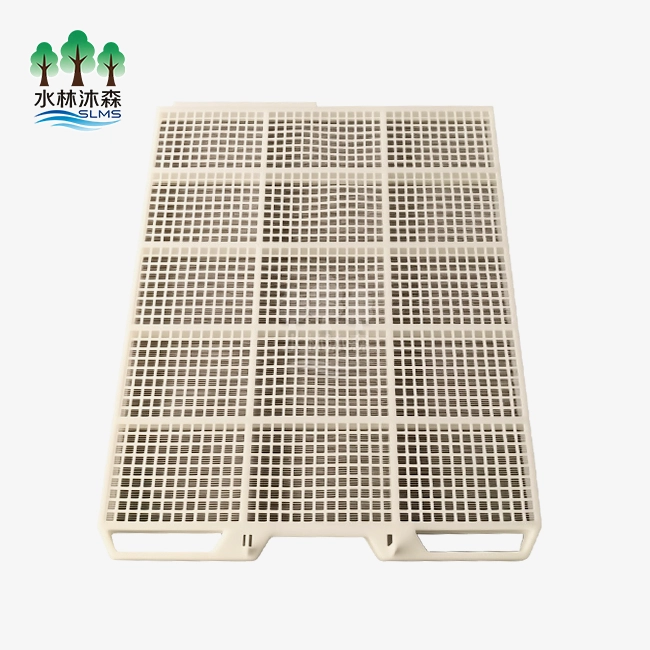
Enough airflow keeps people from getting too hot and suffocating while they're being transported, especially in the middle of the stack, where airflow naturally drops. The choice of material has a direct effect on the design options for airflow. Breeding Chicken Transport Cage Frame needs to have between 40 and 60% open surface area to let air flow evenly and keep the structure strong. In order to meet USDA and animal care standards, materials must support proper ventilation setups and not have any sharp edges or places where animals could get trapped.
Comparative Analysis of Common Materials Used in Breeding Chicken Transport Cage Frames
Hot-Dip Galvanized Steel: The Industry Standard
Hot-dip galvanizing steel is now the most common material used for building frames in businesses. During the galvanization process, a zinc layer is put on the metal to protect it from rust. Quality frames are made from Q235 carbon steel that has a zinc covering that is at least 80 microns thick. This is checked using electromagnetic thickness scales during quality control. This process makes it possible for frames to last 8–10 years in an ammonia-filled chicken coop with little upkeep. The material is very stiff and can hold big stacking loads without giving way. The higher durability makes the extra weight doable, so the original investment is worth it for businesses that want to last a long time.
Modified High-Density Polyethylene (HDPE): Lightweight Innovation
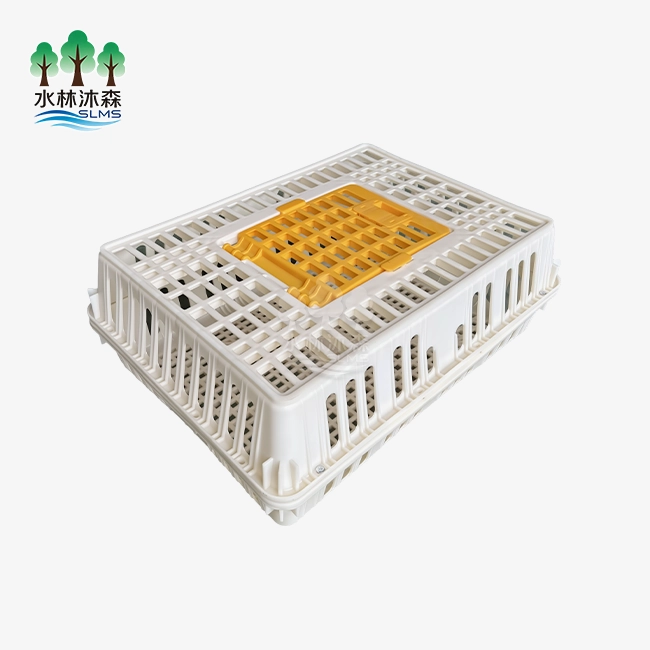
Adding UV protectors and anti-aging chemicals to modified HDPE gives cage modules strong benefits. This new plastic material doesn't rust at all, so you don't have to worry about rusting. It's also a lot lighter than metal options. The smooth, non-porous surface keeps feces from sticking, which cuts the amount of water needed for cleaning by up to 30%. In temperatures ranging from -20°C to +50°C, HDPE stays flexible. This keeps it from breaking down in cold places like normal plastics do. When used every day, the cloth usually lasts between 3 and 5 years. With injection casting, you can make complicated ventilation designs and ergonomic features that you couldn't make with metal production.
Composite Material Systems: Emerging Solutions
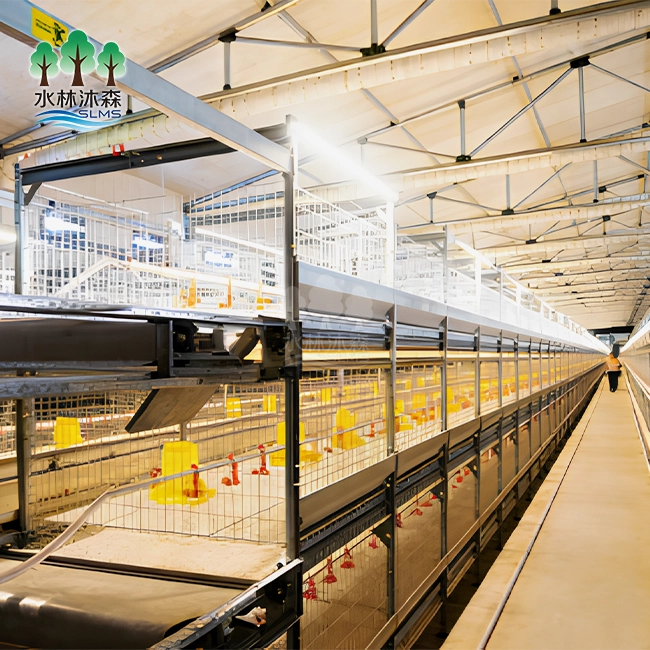
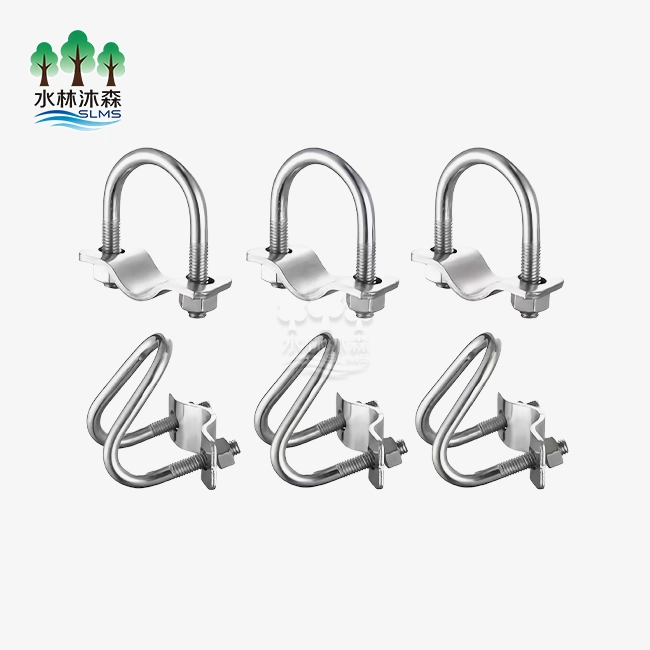
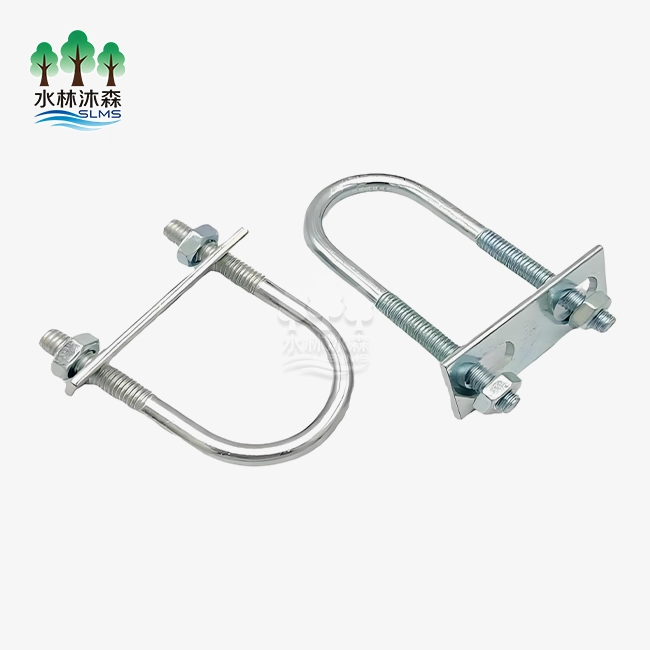
More and more, advanced makers are using mixed methods that combine metal frames with plastic parts. This way of designing uses the best qualities of each material while minimizing the worst ones. Metal frames support the structure and spread the weight, while plastic cage sections keep things clean and lighten the load. Using bolts and clips instead of permanent welds for modular assembly lets you change individual parts, which extends the life of the system as a whole and lowers its long-term costs. The metal frame infrastructure can be kept while a broken plastic box is replaced.
The addition of these materials to Shuilin Musen Aquaculture Equipment's transport cage systems shows how much better farmed gear has become over the past eight years. We've seen how choosing the right materials affects working efficiency in a range of farm settings, from places with controlled humidity to those with harsh climates.
Designing for Efficiency: Material Impact on Breeding Chicken Transport Cage Frame Features
Ventilation Optimization Through Material Choice
Some materials can be arranged in a lattice structure, which makes breathing pathways that keep the body from getting too hot. Comparative field studies show that properly planned ventilation setups lower the number of DOAs by 15 to 20 percent compared to regular boxes with solid sides. Metal frames let holes be precisely cut so that they stay strong while letting the most air flow through.
Plastic units can have textured, raised areas and angled sides that help air flow without having to be machined any further. The Breeding Chicken Transport Cage Frame follows the 2440cm × 1340cm × 116cm size standard that Shuilin Musen Aquaculture Equipment uses, which makes the most of vertical airflow through pull-out cage systems with multiple layers.
Weight and Mobility Considerations
Material quantity has a direct effect on how well it can be handled in daily activities. When things are lighter, workers don't get as tired while loading them by hand, and return times are faster. A 30% lighter transport system made possible by integrating HDPE modules lets one person do work that used to need two, which directly cuts labor costs by over 40%. The lighter weight also makes it more fuel-efficient to move things between sites, which saves money on running costs over thousands of trips every year.
Maintenance Accessibility and Chemical Resistance
How long something lasts and how much it costs to maintain depends on how resistant it is to cleaning agents. When applied correctly, hot-dip galvanized steel can handle strong cleaners without losing its finish. Because HDPE is chemically neutral, you don't have to worry about disinfectant effects. Materials must be able to handle being washed every day without losing their surface, which would make it easy for bacteria to grow. Our technical support team gives customers installation movies and upkeep instructions that are specific to the types of materials used. This way, customers can make sure that their equipment lasts as long as possible by following the right care steps.
Cost and Procurement Considerations for Selecting Cage Frame Materials
Lifecycle Cost Analysis
To evaluate material choices, you need to figure out how much they will cost over their expected service life. A galvanizing steel frame is a better deal because it costs 40% more up front but lasts twice as long. Maintenance prices are a big part of the total cost of ownership. Materials that need to be fixed or replaced too often cause more problems and cost more in work than just the cost of the parts. When handling more than 10,000 birds every day, businesses can't afford for tools to break down during busy times. Buying long-lasting materials keeps production from having to stop, which costs a lot of money.
Supplier Selection and Quality Assurance
Buying from companies that have documented quality control methods keeps you from getting things that aren't up to par. Checking the thickness of the zinc coating, certificates of the HDPE makeup, and the results of structural load tests should all be normal conditions for buying things. If a supplier lets you customize their products, they can change the designs to fit your business's needs, like automatic harvesting systems or different facility plans. Being able to change the sizes and shapes of things makes them more useful than normal choices.
Warranty and After-Sales Support
The quality of the materials is directly related to the terms of the manufacturer's guarantee. Reliable providers who are sure of the materials they use offer full warranty support. The Breeding Chicken Transport Cage Frame we at Shuilin Musen Aquaculture Equipment are so sure of—our hot-dip galvanized steel frames and quality-controlled plastic parts—offers a free guarantee on our transport cage systems for a year. Technical help, such as on-site installation services and quick assistance, adds real value and should be taken into account when making choices about what to buy, along with material specs.
Best Practices for Material Maintenance and Longevity of Breeding Chicken Transport Cage Frames
Material-Specific Cleaning Protocols
Rinsing galvanized steel frames on a regular basis gets rid of ammonia buildup before it gets concentrated and speeds up rusting. Do not use rough cleaning tools on zinc surfaces because they scratch them and make places where rusting can start. Pressure washing is fine for HDPE modules, but metal tools that hit them should be avoided because they can crack or chip the surface. When you can, use soaps that don't change the pH level. Only use strong disinfectants for deep cleaning once in a while, not every day. Controlling the temperature while cleaning stops thermal shocks that can damage plastic parts.
Routine Inspection and Preventive Maintenance
Set up regular check plans to find problems as they arise before they break. Check galvanized coats for rusty spots that mean the zinc is running out and needs to be replaced or touched up. Check plastic parts for stress cracks, especially where bolt holes are and other high-stress areas are found. Make sure that all of the screws are still tight, since vibrations during travel can slowly loosen connections. If you notice the signs of fatigue early on, you can replace them during planned breaks instead of having to make emergency fixes during busy times. Our modular design theory lets you change specific parts without having to throw away the whole system.
Proper Usage Guidelines
Follow the load limits that are given for the materials that make up your tools. Overloading makes structure fatigue and component breakdown happen faster. Stack heights shouldn't be higher than what the maker suggests, because too much weight will crush the lower levels beyond what was intended. Protect equipment from the environment when it's not in use by putting it away under a cover to keep plastic parts from breaking down in the sun and metal frames from getting wet. When lifting, be careful to not hit the frames of the equipment with the forklift, which can damage them and weaken the structure.
These maintenance methods are in line with the long-lasting, low-maintenance design philosophy that guides the creation of all Shuilin Musen Aquaculture Equipment products. Our research and development team is always improving designs to reduce the amount of maintenance needed while increasing the equipment's useful life.
Conclusion
When choosing the best materials for Breeding Chicken Transport Cage Frames, you need to think about how long they will last, how clean they are, how much they cost, and how well they work. The current standard in the industry is hot-dip galvanized steel frames with modified HDPE cage modules. These provide corrosion protection, load-bearing capacity, and hygiene features that are necessary for large-scale chicken businesses.
The choice of material affects all aspects of performance, from how well air works and the number of deaths to how much upkeep costs and how long the equipment lasts. Instead of just looking at the original purchase price, procurement choices should take into account the total cost of ownership, the quality guarantee of the provider, and the support for the insurance. When you take care of certain materials the right way, they last longer and protect your investment. This way, they will keep working well even after years of heavy daily use in tough chicken production settings.
FAQ
What Is the Expected Lifespan of Transport Cage Frames Under Daily Use?
HDPE cage modules last three to five years with proper care, while hot-dip galvanized metal frames last eight to ten years in most poultry businesses. The actual lifespan rests a lot on how well it is maintained, especially by using non-corrosive cleaners and being careful not to damage it when handling it.
How Does Frame Material Influence Bird Mortality During Transport?
Material choice has a direct effect on the design's ability to ventilate, and this has a strong relationship with the number of "Dead on Arrival" Frames with strategically placed air lattices keep the body from getting too hot. According to research, properly designed systems lower the number of DOAs by 15 to 20 percent compared to traditional stacking methods. This is mostly because they have better vertical airflow pathways that stop heat stress and smothering.
Can Individual Components Be Replaced When Damaged?
Professional-grade transport cage systems don't use permanent welds at the points where plastic and metal meet; instead, they use flexible assembly with bolts and clips. This way of thinking about design lets workers repair broken drawers or vertical struts without throwing away whole units. This saves a lot of money in the long run and keeps operations running smoothly even when equipment breaks down.
Partner With a Trusted Breeding Chicken Transport Cage Frame Manufacturer
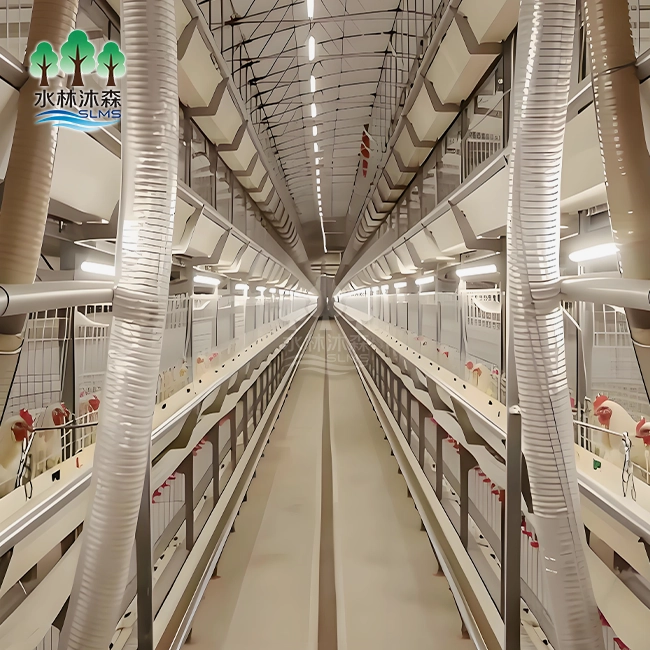
Shuilin Musen Aquaculture Equipment Co., Ltd. has been specializing in chicken transportation solutions for eight years and can help your business. Our Breeding Chicken Transport Cage Frame systems are made of hot-dip galvanized steel with coatings that prevent corrosion. They also have multi-layered pull-out cage designs that make better use of room while keeping the flock safe.
We offer full customization to meet the needs of your building, as well as full technical help, including installation videos, and a free warranty for one year. Our skilled research and development (R&D) team is always coming up with new ideas to make long-lasting, low-maintenance equipment that cuts costs by over 40%. Email us at wangshuaislms@gmail.com to talk about your Breeding Chicken Transport Cage Frame needs with a provider who cares about the success of your business.
References
1. National Chicken Council. (2021). "Animal Welfare Guidelines and Audit Checklist for Broilers." Washington, DC: National Chicken Council Publication.
2. Kettlewell, P.J., Mitchell, M.A., and Meehan, A. (1993). "The Distribution of Thermal Loads Within Poultry Transport Vehicles." Agricultural Engineering Research, 56(3), 227-235.
3. American Society of Agricultural and Biological Engineers. (2020). "ASAE Standards: Design of Ventilation Systems for Poultry and Livestock Housing." St. Joseph, MI: ASABE Technical Publications.
4. Grandin, T. (2019). "Livestock Handling and Transport, Fifth Edition." Wallingford, UK: CABI Publishing.
5. Mitchell, M.A. and Kettlewell, P.J. (1998). "Physiological Stress and Welfare of Broiler Chickens in Transit: Solutions Not Problems!" Poultry Science, 77(12), 1803-1814.
6. United States Department of Agriculture. (2022). "Commercial Poultry Housing: Ventilation and Environmental Control Systems." Agricultural Research Service Technical Bulletin 142.
Learn about our latest products and discounts through SMS or email