Broiler Cage System vs. Floor Raising: A Comparison
The choice between traditional floor-raising systems and new vertical cage systems has a huge effect on how efficiently and profitably a chicken farm runs. In comparison to traditional ways, the Three-tier Broiler Cage stacks three levels of specialized housing to increase room utilization by 300–400%. This vertical method solves some of the biggest problems that large-scale businesses face, like rising land costs, managing diseases more effectively, and making better use of workers' time. Knowing these basic differences helps procurement managers make choices that are in line with the production and growth goals of their location.


Understanding Broiler Raising Methods: Floor Raising vs. Three-Tier Broiler Cage System
In today's poultry farming, housing methods that combine animal comfort, operational costs, and output must be carefully thought out.
Traditional Floor Raising Fundamentals
Floor-raising methods put broilers right on sleeping materials that are spread out on the floor of the chicken house, like rice hulls or wood shavings. Birds are free to fly around the room and do normal things like scratching and dust baths. To keep things dry and stop ammonia from building up, this method needs constant litter control. This method is easy to use, which makes it good for small businesses or farms that are moving from garden production to market production. But as operations grow beyond 10,000 birds, the amount of work needed to clean up the litter and keep diseases under control gets harder.
Multi-Level Cage Architecture
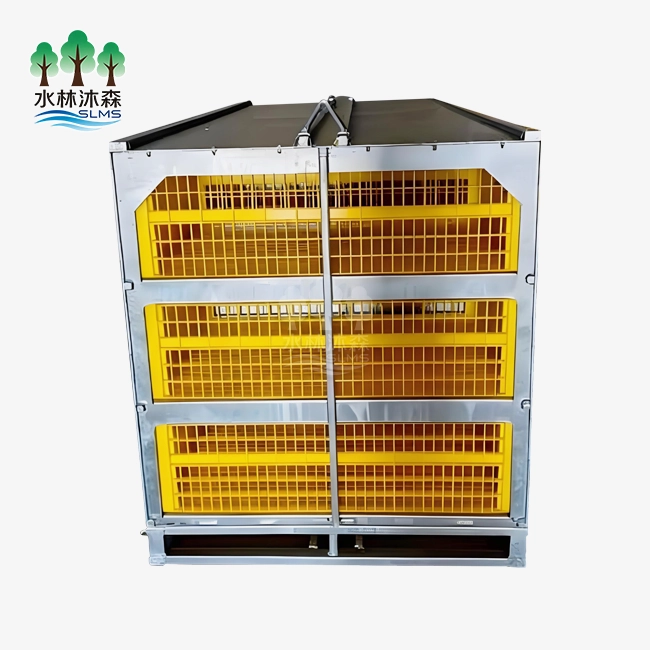
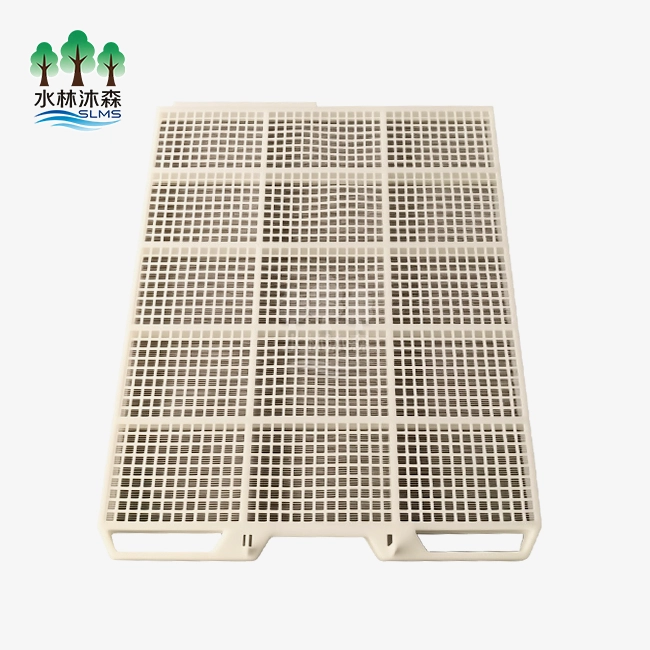
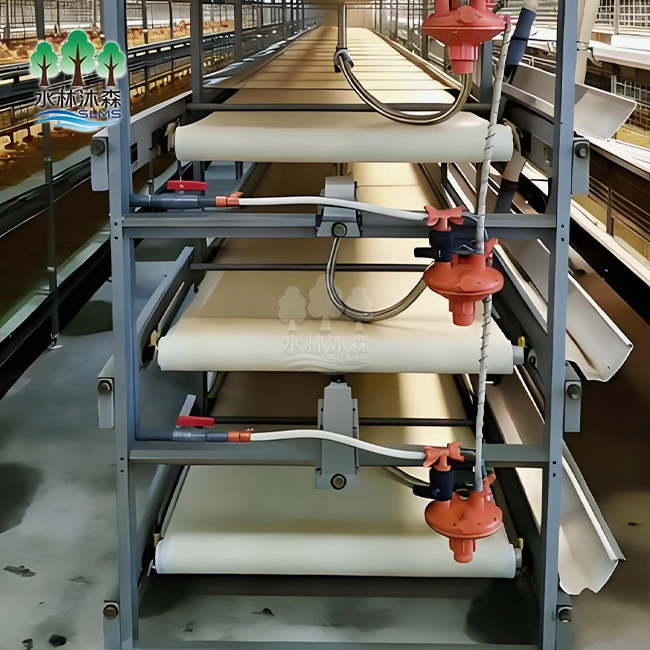
Tiered structures made of Q235 bridge-quality steel and hot-dip galvanization are used in vertical cage systems to make them resistant to rust in high-ammonia settings. Each level works on its own, with built-in nipple watering lines, automatic feed distribution through auger or chain systems, and plastic manure removal belts placed between levels. The bottom mesh has special flexible designs or strengthened plastic slats that protect breast tissue and stop folliculitis and breast blisters that can happen with badly designed systems. Standard lengths are between 1950 and 2150 mm, and tier heights are set to meet the air needs of broilers during their 42- to 45-day growth cycle.
Operational Principle Distinctions
The main difference is how space is organized and how waste is handled. Floor systems use soft bedding to collect waste, which needs to be taken out and replaced every so often. By removing the belts all the time, cage systems physically separate birds from feces, greatly lowering the exposure of pathogens and ammonia levels. This separation directly leads to better respiratory health and a lower rate of coccidiosis, which are two of the main reasons of death and poor feed conversion in broiler farms.
Benefits and Challenges of Three-Tier Broiler Cages Compared to Floor Raising
When switching to vertical cage systems, you have to weigh the big practical benefits against the costs of the switch and the changes that need to be made to management.
Space Optimization and Capacity Enhancement
With vertical cage designs, filling rates can go up to 50 kg per square meter of floor space, which is a huge increase in density. A building that could hold 20,000 birds on floor systems can now hold 60,000 to 80,000 birds in tiered cages without having to make the building bigger. This change is very helpful in places where buying land costs more than $50,000 an acre or where zoning laws make it hard to grow. The space efficiency goes beyond the number of birds that can fit; it also includes lower building energy costs per bird because the costs of heating, cooling, and lighting are spread out over a larger production amount.
Automation Integration and Labor Reduction
Modern cage systems work perfectly with technologies that feed, water, and control the temperature and humidity. Automated nipple drinkers with 360-degree triggers make sure that dogs always have access to water and stop spills that make floor systems wet. When compared to manually filling troughs, mechanized feeding with programmable auger systems provides exact amounts on custom schedules, cutting down on feed waste by 8–12%.
Manure removal belts that work on set cycles get rid of the need to scrape the manure by hand every day, which saves more than 40% of the work that needs to be done. These automation features make it possible for a single operator to oversee much bigger groups, which completely changes how much it costs to raise broilers.
Disease Management and Environmental Control
Keeping animals away from manure may be the most important health benefit of cage setups. Floor-raised birds are constantly coming into touch with feces, which makes it easier for coccidiosis to spread and makes their lungs itch from breathing in ammonia. Three-tier Broiler Cage systems, when dung is removed properly from cage systems, ammonia levels stay below 10ppm, while they are usually between 25 and 40ppm in floor processes.
Lower levels of ammonia make it easier for animals to breathe, increase the feed conversion ratio, and lower the number of animals that are thrown out during processing. The controlled setting also makes biosecurity rules easier to follow because it's easier to clean tools between groups and there are fewer problems with picking up litter.
Investment and Maintenance Considerations
When compared to simple floor infrastructure, which costs only $2–4, full cage systems usually cost $8–12 per bird capacity. This is the main problem. But when you look at the total cost of ownership over the 15 to 20 years that the tools will last, you see a different picture. In most business operations, the prices of medication are cut, feed is converted better, labor costs go down, and the number of birds increases.
These changes pay for themselves in three to five years. Maintenance tasks include checking the watering nipples on a daily basis, lubricating the feed auger bearings, and adjusting the tension on the belt. These jobs need expert know-how, but they can be done with the right training and help from the provider.
Comparative Analysis: Three-Tier Broiler Cage System vs. Floor Raising for B2B Procurement Decisions
Procurement managers evaluating these systems need concrete performance data and financial projections to justify capital allocation decisions to stakeholders.
Productivity Metrics and Growth Performance
Comparing building systems with the same genetic material shows subtle changes in how well they work. Broilers grown in cages usually reach market weight (6.5 to 7.0 lbs) in 42 to 44 days, with feed conversion rates of 1.65 to 1.75, while floor systems have an average FCR of 1.75 to 1.85. This 5-7% improvement comes from using less energy to move around and keeping the temperature comfortable through better climate control.
Death rates in well-run cage systems are between 3 and 4 percent, while they are between 5 and 7 percent in floor operations. This is because there is less disease pressure in cage systems. These small gains add up over the course of a year across many flocks, making big differences in income at scale.
Space Utilization and Scalability Analysis
At approved levels, a 40,000-square-foot building with raised floors can hold about 25,000 broilers. 75,000 to 100,000 birds live in the same building that has tiered cage systems, based on how the tiers are set up and how far apart the aisles are. This three- to fourfold growth in capacity happens without the costs of climate control or building care going up by the same amount. Scalability is especially important for operations that are planning a phased growth, since adding cage tiers to current infrastructure is much cheaper than building new ones.
Total Cost of Ownership Evaluation
A full financial study must look at more than just the original purchase price. It must also include the ongoing costs of running the equipment over its entire life. Cage systems made of galvanized steel that doesn't rust and has a zinc covering that is thicker than 275g/m² last for 15 to 20 years. Floor systems need new litter every 4 to 6 flocks, which costs $0.15 to $0.25 per bird and adds up to $37,500 to $62,500 a year for a 25,000-bird business. Cage systems get rid of this ongoing cost and cut heating costs by 15 to 20 percent by making insulation better and lowering the need for air exchange. Energy-efficient designs with LED lights and air fans that can be set to different speeds save even more money.
Material Quality and Structural Integrity
Premium cage design uses Q235 steel, which is strong and doesn't bend when grown broilers sit on it. Poor systems that use smaller gauge wire or not enough galvanization rust within 5 to 7 years, needing to be replaced too soon. Electro-galvanizing doesn't protect as well against ammonia rust as hot-dip galvanization with a zinc covering that is at least 60–80μm thick.
Three-tier Broiler Cage systems, in particular, benefit from this robust construction because the added weight of multiple tiers demands superior material strength. Bottom mesh specifications have a big effect on the welfare of birds. Breast sores that lead to processing downgrades can be avoided by using flexible mesh or plastic slat systems that are properly designed. To make sure something lasts a long time, the specs for buying it should clearly state the types of materials used, the thickness of the coatings, and how much weight they can hold.
Procurement and Supplier Insights for Three-Tier Broiler Cages
Selecting the right equipment supplier involves evaluating manufacturing capabilities, customization options, and comprehensive service support that extends beyond initial installation.
Manufacturer Evaluation Criteria
Reputable cage system makers show installation samples that can be checked and cover a wide range of temperatures and production levels. Weifang Shuilin Musen Aquaculture Equipment Co., Ltd. has been specializing in cattle equipment for eight years and has a skilled R&D team of five engineers who are always coming up with new product ideas. Our manufacturing process includes strict quality control from choosing the raw materials to checking the finished products. This makes sure that the tools can handle heavy business use. When looking at possible sources, make sure to ask for thorough material specs, check the consistency of the welded joints, and get independent tests done on the thickness of the galvanization coating if you plan to buy a lot of it.
Customization and Design Flexibility
Standard cage layouts work for many businesses, but changes are often needed when the building isn't the right size or when management wants something different. Leading makers offer customization services that include changing the length of the cage, the height of the tiers, and the ability to connect to existing food or ventilation equipment. Our tech team works with clients to come up with custom solutions that work with their site's limitations or meet their output goals. Systems can be set up to vary the stocking density from 40kg/m² for larger goal weights to 55kg/m² for normal market broilers, so they can be customized to fit any needs. This makes sure that the best use of room is made available no matter how the building is set up.
Installation Support and Technical Assistance
The longevity and operating success of a system depend on how well it was installed. We offer full technical support, which includes thorough installation videos, on-site building instructions, and help with integrating food, watering, and ventilation parts. Our construction services make sure the structure is strong by using the right anchors, leveling the tiers, and putting the tension on the manure removal belts correctly. To keep production plans from getting behind, procurement deals should clearly spell out who is responsible for installation, when, and how acceptance testing will be done.
Warranty Coverage and Maintenance Agreements
Standard guarantee terms usually cover production flaws for one year after the installation is finished, but top providers cover structural parts for longer. As part of our guarantee, we'll quickly fix any problems with your equipment and send you new parts for any important parts within 48 hours. Three-tier Broiler Cage systems, however, often require extended coverage due to their multi-level load stress, so we strongly recommend clarifying structural warranty periods in advance. Setting up maintenance service agreements makes sure that you have access to professional support for troubleshooting, training in preventive maintenance, and system optimization after the guarantee time is over. These long-term ties are very helpful as businesses grow or management teams change.
Practical Guide: Implementing Three-Tier Broiler Cage Systems in Your Facility
Successful cage system implementation requires careful planning from site preparation through ongoing operational management, ensuring smooth transitions that minimize production disruptions.
Site Preparation and Infrastructure Requirements
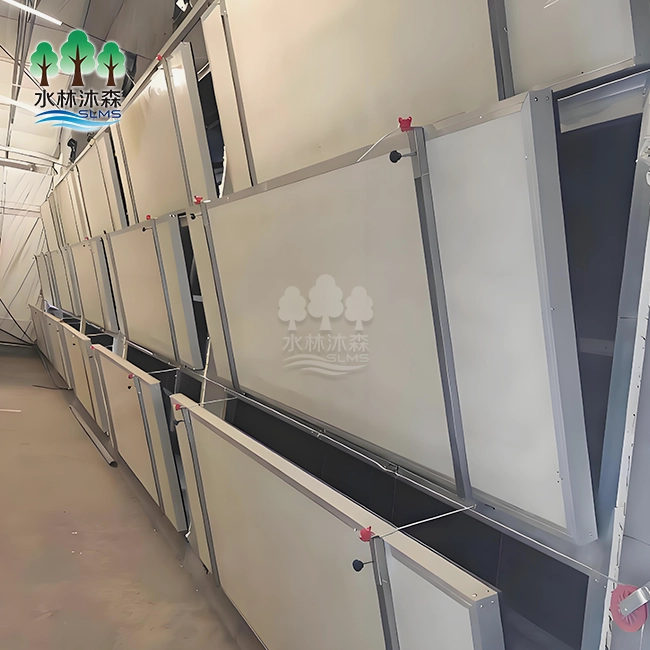
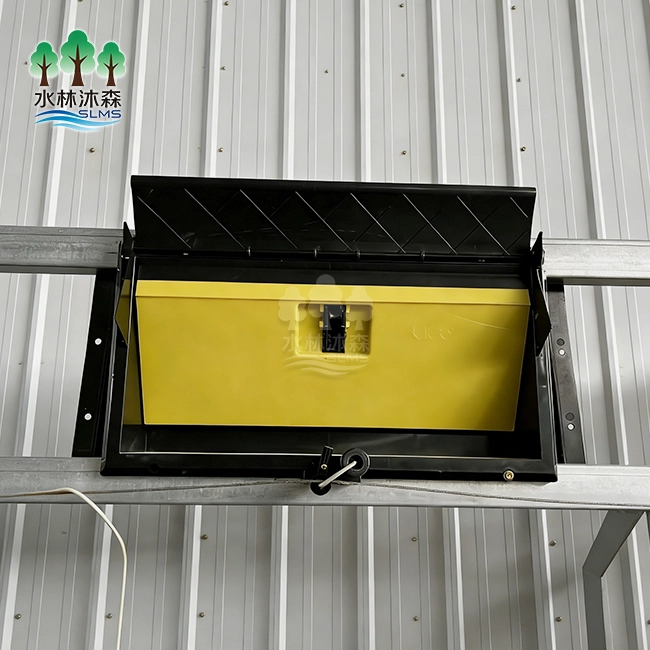
Checking the building's load-bearing ability is the first step in structural assessment, since cage systems add a lot of weight that is heavier than what the floor system needs to support. Having the right ventilation is very important because cage systems need carefully managed airflow to keep all of the levels at the same temperature. We suggest a minimum of 0.1 CFM of air flow per bird while they are nesting, rising to 1.0 CFM at market weight. Electrical systems need to be able to power automatic feeding motors, lighting circuits, and ventilation controls, and they need to be able to handle the right amount of energy and protect the circuits.
Installation Process and System Integration
Assembling goes in a planned way, starting with installing the ground-level tier and working its way up. The structural frames are safely bolted to strengthened floor anchors, and the vertical supports are exactly plumbed to keep the cages from moving out of place. Next, the feeding systems are put together, with auger lines placed so that the feed is spread out evenly and there is little spillage.
Watering nipples should be put up at the right height for the bird's age, usually 6 to 8 inches for chicks and 12 to 14 inches for birds that are ready to be sold. Manure removal belts need to be threaded between tiers with the right amount of tension. Too much tension leads to premature wear, while too little tension causes spillage. For skilled workers, the whole installation process for a 50,000-bird facility usually takes 7–10 days.
Daily Management and Monitoring Protocols
As part of daily operations, the watering nipples, feed auger, and garbage belt are checked to make sure they are working properly. We suggest keeping an eye on things like a bird's eating habits and the volume of its calls to see if they show signs of discomfort in their surroundings or problems with equipment. Stocking density control is still very important, and changes need to be made based on the temperature and the size of the birds. Because of differences in temperature between levels, the climate control has to be changed, especially when the weather is very bad. Keeping detailed records of work lets you compare success and find ways to make things better.
Preventive Maintenance Schedules
Systematic repair makes equipment last longer and stops expensive fails in the middle of a flock. Every month, you have to do things like grease the bearings on the feed auger, check the electrical lines for rust, and test the backup power systems. Every three months, maintenance checks the watering system's pressure, adjusts the tightness of the belts, and looks at the structure's strength, focused on welds and connection points. During between-flock times, equipment can be cleaned thoroughly. Detailed checks are not possible during production, and part replacements are planned based on how parts have worn in previous cycles.
Conclusion
The comparison between broiler cage systems and traditional floor raising reveals clear advantages in space efficiency, disease control, and automation potential that align with modern intensive production demands. Three-tier Broiler Cage configurations, as a specific implementation of multi-tier systems, deliver measurable improvements in feed conversion, mortality rates, and labor requirements that justify higher initial investments through enhanced long-term profitability.
Successful implementation depends on selecting quality equipment from experienced manufacturers, proper installation with comprehensive technical support, and disciplined operational management. Procurement decisions should evaluate total cost of ownership across 15-20 year equipment lifespans rather than focusing narrowly on purchase price, ensuring selections support sustainable growth objectives.
FAQ
What bird capacity does each cage tier accommodate?
Standard three-tier configurations house 80 to 120 broilers in each part of the cage, based on the size and weight of the birds being sold. Full systems can hold 50kg per square meter of floor room, which is equal to 10 to 12 birds per square meter on all levels. To avoid overcrowding that hurts performance and welfare, goal weights, growth length, and temperature control must all be taken into account when figuring out capacity.
How often do cage systems require maintenance?
For every 10,000 birds, daily operating checks take 15 to 20 minutes and focus on making sure the watering and food systems work. For lubrication and thorough checks, monthly preventive maintenance takes two to three hours. Deep cleaning and full evaluation of all equipment between flocks usually takes three to five days, based on the size of the building. When systems are well taken care of, they work effectively for 15 to 20 years, and only need to have things like bearings and belts replaced when they wear out.
Can cage dimensions be customized for specific facilities?
Of course. Manufacturers can adapt to different building layouts by changing the width of the aisles, the gaps between the tiers, and the lengths of the cages. Customization includes integrating with current food systems, ventilation equipment, and infrastructure for handling waste, making sure that everything works perfectly with how things are usually done.
Partner with Experienced Three-tier Broiler Cage Suppliers
At Shuilin Musen Aquaculture Equipment Co., Ltd., we have eight years of experience making equipment for livestock, and our five-engineer research and development team is always coming up with new ideas. Our Three-tier Broiler Cage systems are made of corrosion-resistant galvanized steel, have integrated automatic feeding and watering, and can be configured to meet the specific needs of your location.
During implementation, we help our clients with training guides, on-site expert support, and a full 1-year warranty that covers any problems with the way the product was made. Our methods cut the cost of labor by more than 40% while also improving hygiene and feed conversion, both of which are important for making broiler production profitable. Contact our team at wangshuaislms@gmail.com or visit slms-equipment.com to discuss how our customized cage systems can enhance your operation's efficiency and profitability.
References
1. Appleby, M.C., Mench, J.A., & Hughes, B.O. (2004). Poultry Behaviour and Welfare. Cambridge: CABI Publishing.
2. Dawkins, M.S., Donnelly, C.A., & Jones, T.A. (2004). Chicken welfare is influenced more by housing conditions than by stocking density. Nature, 427(6972), 342-344.
3. Estevez, I. (2007). Density allowances for broilers: Where to set the limits? Poultry Science, 86(6), 1265-1272.
4. National Chicken Council. (2017). Animal Welfare Guidelines and Audit Checklist for Broilers. Washington, DC: National Chicken Council.
5. Ritz, C.W., Fairchild, B.D., & Lacy, M.P. (2009). Litter Quality and Broiler Performance. Athens: University of Georgia Cooperative Extension Bulletin 1267.
6. Shepherd, E.M. & Fairchild, B.D. (2010). Footpad dermatitis in poultry. Poultry Science, 89(10), 2043-2051.
Learn about our latest products and discounts through SMS or email