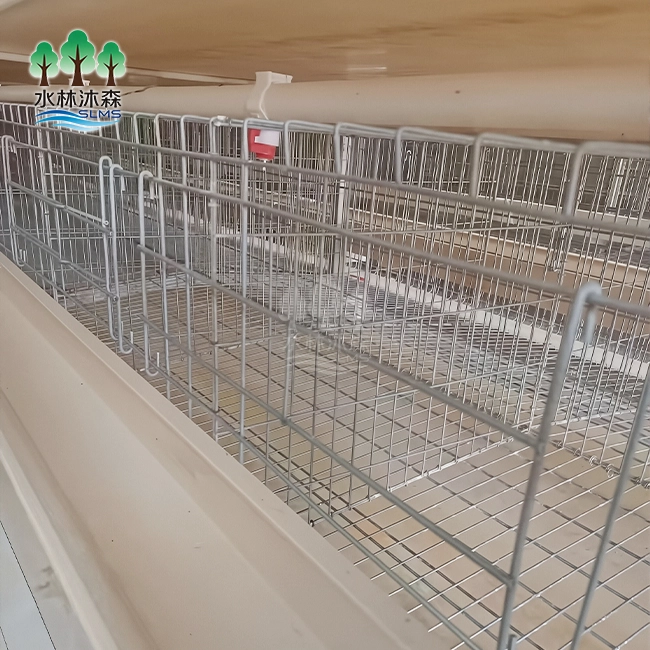
What are the best materials for poultry slat flooring?
When talking about the best flooring options for modern poultry businesses, slat flooring for poultry comes out as the best option because it is clean, efficient, and good for the birds. High-quality polypropylene (PP), polyethylene (PE), stainless steel, and special alloys are some of the best materials for slat flooring for poultry. These materials are better at getting rid of trash, keeping their shape, and standing up to harsh farm settings. Choosing the right material relies on things like the type of bird, the size of the building, the weather, and the goals of the operation. When choosing slat flooring for poultry systems for big poultry houses, procurement managers need to think about how long they will last, how much upkeep they will need, how much weight they can hold, and how much they will cost in the long run.
Putting down slat flooring for poultry is an important investment in modern farming equipment. This book gives useful information for people who are in charge of buying things, agricultural engineers, people who sell farm tools, and farm owners who run large-scale broiler, layer, turkey, or duck businesses. Picking the right material has a direct effect on the results of production, from keeping workers healthy to lowering the cost of labor. Knowing the qualities and performance traits of materials helps people make choices about slat flooring for poultry systems that meet strict animal care standards and give good returns on investment.


Understanding Poultry Slat Flooring and Its Materials
Slat flooring for poultry is like an elevated platform system. It has gaps that are purposefully placed so that manure and waste can fall through and end up in collection areas below. This technical method makes a shield between birds and their waste, which completely changes how biosecurity is managed in commercial chicken houses. Unlike traditional deep litter systems or wire mesh floors, slat flooring for poultry systems keep the surfaces birds touch cleaner and make it easier to remove waste.
The way it works depends on having exact gap sizes that let waste pass without putting bird feet safety at risk. Modern slat designs have gaps between them that are 12 mm to 20 mm wide. This is done so that droppings can fall through while still giving chickens, ducks, and other bird species a safe place to stand. This balance between usefulness and animal wellbeing is a big step forward from older flooring materials that often had to choose between keeping the floors clean and making birds comfortable.
Core Functional Advantages
Elevated wooden systems make it easier to control the temperature and humidity in chicken coops. Keeping birds away from trash lowers the amount of ammonia that reaches the birds, which directly addresses the respiratory health problems that are common in heavy farming operations. Lower exposure to ammonia is linked to better feed conversion rates, lower death rates, and better total group performance. More and more, procurement managers are realizing that these health gains transfer into real economic benefits across all stages of production.
When slat flooring for poultry is installed, ventilation greatly improves. Moving air under the higher platform helps remove moisture and control temperature, making the microclimates inside the structure of the house more stable. This stable setting makes it easier to handle climate control systems and makes it easier for birds to deal with changes in temperature. Well-designed slat flooring for poultry systems are better at managing wetness, which is especially helpful for businesses in rainy areas.
Top Materials Used for Poultry Slat Flooring: Analysis and Comparison
The most important decision in specifying a flooring system is the choice of material. Each type of material has its own set of performance traits that are best suited to a certain set of operational needs and environmental factors. The people who work in procurement need to know about these differences so they can match the qualities of materials with the needs of the building and the management's skills.
Polypropylene and Polyethylene Plastic Slats
Virgin polypropylene (PP) and polyethylene (PE) are the most popular types of floors for chicken coops today because they are very resistant to chemicals and water. These plastics materials don't rust even when they are constantly exposed to acidic chicken waste, which is a big benefit over metal materials in places with a lot of ammonia. High-quality fresh PP formulas contain UV stabilizers and anti-oxidants that make the material last longer than 10 to 15 years, even when it is used a lot.
Engineered plastic bars, including slat flooring for poultry, are strong enough to meet the needs of businesses that need to carry heavy loads. Quality goods can handle standing loads of more than 50 kg per square meter, which means they can support big breeder birds and let maintenance workers walk on floors that have already been installed. One-piece molded construction gets rid of the weak spots that come with parts that are joined together. This stops structural failures that put bird safety and system stability at risk. The material's natural flexibility makes it more resistant to pressure than hard materials, which means it breaks less during installation and daily use.
Galvanized Steel and Aluminum Metal Systems
Metal board systems are the most rigid and long-lasting way to build structures that need to last. Galvanized steel frames don't bend when they're under a lot of weight, and they provide stable surfaces in high-density living layouts. Because the material is strong, there can be longer gaps between support beams, which could lower the cost of installation in big buildings. Hot-dip galvanization protects against rust, but in high-ammonia settings, the coating wears off over time, so it needs to be maintained or replaced eventually.
Galvanized steel doesn't fight rust as well as aluminum alternatives do, and they still have great strength-to-weight ratios. The lighter weight makes it easier to move during installation and means that less support is needed from the structure. These metal systems work well for businesses that want to be as durable as possible and are willing to pay more up front. Proper surface treatments and coats make things last longer, but procurement managers still need to think about how much it will cost to repair things in the long run when they figure out the total cost of ownership.
Composite and Hybrid Solutions
Composite materials are more advanced than single-material systems because they mix polymers with reinforcing strands or chemicals to make them work better. These designed solutions are made to solve specific problems in certain applications, like those that need to be resistant to high temperatures or hold more weight. Composite slats usually cost more than other materials, but they are worth it in certain situations where regular materials don't work. Distributors who serve customers in a wide range of regional areas can help customers with unique environmental problems by giving them composite choices.
How the Choice of Material Influences Poultry Health and Waste Management
Material qualities have a direct effect on how well birds are cared for and how well diseases are prevented. Surface features impact footpad health, an important quality factor in broiler production where footpad dermatitis (FPD) leads to poor handling and financial loses. Plastic bars with smooth, rounded edges reduce the chance of mechanical injuries, and surfaces with different textures provide grip without causing cuts. To keep the edges of metal systems from becoming sharp and damaging to soft foot pads, they need to be carefully finished.
Disease Prevention and Biosecurity
Keeping people healthy and preventing disease: Ground-based systems can't stop the spread of pathogens because of the physical separation that porous flooring provides. Keeping birds away from feces as much as possible lowers their risk of getting coccidia, salmonella, and other gastrointestinal bacteria. The surface qualities of a material affect how well it cleans and how likely it is for bacteria to grow on it. Biofilm doesn't stick to non-porous plastic surfaces as well as it sticks to concrete or wood, so they can be cleaned thoroughly between production rounds. This trait is especially useful in places for people of different ages where strict hygiene is required by biosecurity rules.
The efficiency of waste handling changes a lot depending on the type of material. Plastic slats easily shed manure because their smooth, slightly curved surfaces keep it from building up. This self-cleaning feature keeps surfaces that birds touch cleaner with little work on your part. Depending on the surface finish and gap pattern, metal grids may need to be cleaned by hand more often. When considering material choices, procurement managers should look at how much cleaning work will be needed. This is because operational savings often make up for higher starting material costs over the system's lifetime.
Environmental Control Benefits
The temperature qualities of materials affect how well energy is used and how stable the climate is in chicken houses. Metals are better at conducting heat, while plastics keep heat from moving from birds to trash cans by insulating against heat. This thermal behavior changes how much heating and cooling is needed, especially in climate-controlled buildings that are used in high temperatures. When defining full environmental control systems that are combined with flooring choices, engineering experts should think about these things.
Installation and Maintenance Considerations Based on Material Choice
Longevity and effectiveness of slat flooring for poultry systems depend on how they are installed correctly. Plastic slat systems usually have edge shapes that fit together and lock into place. This makes surfaces that are smooth and don't have any holes where dirt or birds' toes can get caught. For installation, level support beams must be placed at regular intervals. These beams are usually made of PVC, fiberglass, or stainless steel. Manufacturers give clear instructions on how to install their products, and good suppliers offer video lessons that show how to do it right. These tools help you avoid making installation mistakes that hurt system performance or void your guarantee.
Support Structure Requirements
To reach their estimated load levels, different materials need different types of support. Support bars should be 500 mm to 800 mm apart for plastic slats, but this depends on the thickness of the slats and the type of material they are made of. Because metal is more rigid, it may be possible for lengths to be longer. The standards for support must be spelled out clearly in the procurement specs to make sure that the structure is strong enough and that it doesn't fail too soon because of bad installation. Large installations should come with engineering plans and load estimates to make sure the design is right for the purpose.
Customization and Retrofit Compatibility
Modern chicken farms often need special solutions that work with their current infrastructure or with the way their facilities are set up. Leading makers let you customize by changing the sizes of the slats, the gaps between them, and the thickness of the panels to fit your needs. This ability to be changed is especially useful when installing new floors over old buildings that already have support structures and systems for handling waste. Instead of only offering standard catalog items, procurement managers should give more weight to providers that can show they have the technical skills to create custom solutions.
This power to be customized is a big part of how we make things. Shuilin Musen Aquaculture Equipment's engineering team works directly with customers to come up with the best options for their facilities based on their size and working needs. Custom engineering makes sure that flooring systems offer the most value and performance, whether they have to fit into existing infrastructure or be made better for certain kinds of chickens. Professional equipment providers are different from basic vendors because they take a consultative approach.
Decision-Making Framework: Selecting the Best Material for Your Poultry Slat Flooring
For material selection to work well, it's important to carefully consider many factors that are ranked by importance for the job. Before hiring sellers, procurement managers should set clear decision factors to make sure that comparisons are fair and the best results are achieved. Some important things to look at when evaluating something are how long it will last, how much it will cost to own, how much work needs to be done on it, how well it works with other systems, and how capable the provider is.
Durability and Service Life Analysis
How often and how much something costs to replace depends on how long it lasts. If you use quality plastic slats made from new polymers and the right support packages, they should last between 10 and 15 years in normal circumstances. Metal systems might last longer in places with low rust, but they need to be replaced sooner in places with a lot of ammonia. Material tests data and warranty terms that show the maker is confident in the durability claims should be asked for by procurement managers. Certifications from independent tests give you even more confidence in the performance qualities.
Our goods are made with high-quality virgin polypropylene and polyethylene that are specially made for harsh conditions around poultry. Each slat goes through a lot of quality checks to make sure it can hold weight, resists pressure, and is chemically stable. When choosing materials, long-term performance is more important than original cost saves. This makes sure that customers get flooring systems that will last for years. Our slat flooring for poultry systems come with a one-year guarantee that shows we trust the quality of the materials and the craftsmanship used to make them.
Cost-Effectiveness Evaluation
The original buy price of slat flooring for poultry is only one part of the total cost analysis. Other costs like installation, upkeep, and replacement must also be included over the expected service life. Plastic systems usually offer better value for money, even though they may cost more up front than some other options. Less upkeep work and longer periods between replacements save a lot of money for the business. Teams in charge of buying things should make standard cost models that compare choices based on similar lifecycle bases instead of just beginning capital needs.
Quality slat flooring for poultry systems are good for the economy because they cut down on labor costs. Compared to litter-based systems, operations report work requirements dropping by more than 40%. This is mostly because trash management is easier and less bedding material needs to be handled. In big facilities that take care of tens of thousands of birds, these saves add up quickly. Moving workers from routine cleaning tasks to more useful tasks increases the total efficiency and profitability of a business.
Supplier Reliability and Technical Support
The success of equipment rests on both the quality of the materials and the supplier's ability to work with the customer over the course of the relationship. Managers in charge of buying things should judge possible sellers based on their technical knowledge, ability to customize products, dependability in delivery, and quality of after-sales support. Manufacturers who provide thorough installation instructions, such as detailed films and technical literature, lower the risks of execution and make sure the system works properly from the start.
Shuilin Musen Aquaculture Equipment Co., Ltd. has been in business for eight years and has a lot of knowledge with farming and animal equipment. Our full service method includes product development, sales support, expert advice, and service after the sale. We are based in Qingzhou City, Shandong Province. The focused R&D team of five professional engineers is always improving product designs and releasing more than three new products every year. This dedication to technological progress makes sure that customers can get cutting-edge answers to problems that are coming up in the business.
Quality control methods make sure that every part meets strict standards for performance. From choosing the raw materials to delivering the finished product, there are several inspection places that make sure the dimensions are correct, the structure is sound, and the materials meet the standards. When metal building is the best choice for the job, parts made from high-quality galvanized steel or 304 stainless steel offer great strength and corrosion resistance. This constant focus on quality helps customers trust you and builds the foundation for a successful long-term relationship.
Conclusion
When choosing the best materials for slat flooring for poultry, you need to think carefully about how the floor will be used, the surroundings, and your budget. High-quality polypropylene and polyethylene plastics are great for most business uses because they last a long time, don't need much upkeep, and are good for birds. Metal systems are good for situations where the structure needs to be very strong. To do a good job of procurement, you need to look at total lifecycle costs instead of just beginning prices and give more weight to providers who can provide technical knowledge and full support. The choice of material has a direct effect on the health of the chickens, how well trash is managed, and how profitable the business is. When procurement managers make decisions based on a deep understanding of all the materials involved, their businesses are set up to stay ahead of the competition in chicken markets that are becoming more demanding.
FAQ
What load capacity should slat flooring support in commercial operations?
Commercial slat flooring for poultry systems should be able to hold more than 50 kg per square meter of weight, so they can handle big kinds of chicken and make it safe for repair workers to get to the floors. Good products have structure designs that spread loads evenly across support systems. This stops specific stress concentrations from breaking the product too soon. Testing certifications make sure that stated capacities are met under normal circumstances.
How do plastic slats perform in extreme temperature environments?
Premium plastic board recipes stay the same size and don't break easily at temperatures ranging from -20°C to +50°C. Material combinations have ingredients that keep them from breaking when it's cold and from softening when it's hot. UV stabilizers keep things from breaking down when they are exposed to sunshine in buildings that naturally air. These temperature qualities make sure that the system works reliably in a wide range of climates.
Can existing concrete floors be retrofitted with slat systems?
It is possible to do retrofit installations as long as the right support systems are put in place above the current floors. Engineering studies figure out what changes need to be made to accommodate slat flooring for poultry systems while keeping the ceiling height and air performance at a good level. Customized solutions change standard goods to fit the way a building is set up, getting the most out of the investments already made in infrastructure.
Partner with Shuilin Musen for Superior Slat Flooring Solutions
Shuilin Musen Aquaculture Equipment Co., Ltd. sells engineered flooring systems that are made to meet the needs of large chicken businesses that are very strict. Our slat flooring for poultry manufacturer uses high-quality materials and precise production to make goods that can stand up to heavy use and keep birds healthy. Each system can be customized to have lengths between 500mm and 800mm, gap widths between 12mm and 20mm, and a strong load capacity of more than 50kg per square meter.
Our thorough technical help and installation videos make sure that the process goes smoothly, and our one-year warranty guarantees that it will. Email our engineering team at wangshuaislms@gmail.com to talk about your unique needs and find out how our custom solutions can help you save money on costs while improving production. You can see all of our products and get full technical specs by going to slms-equipment.com.
References
1. Shepherd, E.M. and Fairchild, B.D. (2010). "Footpad dermatitis in poultry." Poultry Science Journal, 89(10), pp.2043-2051.
2. Collett, S.R. (2012). "Nutrition and wet litter problems in poultry." Animal Feed Science and Technology, 173(1-2), pp.65-75.
3. Taira, K., Nagai, T., Obi, T. and Takase, K. (2014). "Effect of litter moisture on the development of footpad dermatitis in broiler chickens." Journal of Veterinary Medical Science, 76(4), pp.583-586.
4. Miles, D.M., Branton, S.L. and Lott, B.D. (2004). "Atmospheric ammonia is detrimental to the performance of modern commercial broilers." Poultry Science, 83(10), pp.1650-1654.
5. Martrenchar, A., Boilletot, E., Huonnic, D. and Pol, F. (2002). "Risk factors for foot-pad dermatitis in chicken and turkey broilers in France." Preventive Veterinary Medicine, 52(3-4), pp.213-226.
6. Dawkins, M.S., Donnelly, C.A. and Jones, T.A. (2004). "Chicken welfare is influenced more by housing conditions than by stocking density." Nature, 427(6972), pp.342-344.
Learn about our latest products and discounts through SMS or email