What Is a Breeding House Pipe Fastening Bracket? Functions and Benefits Explained?
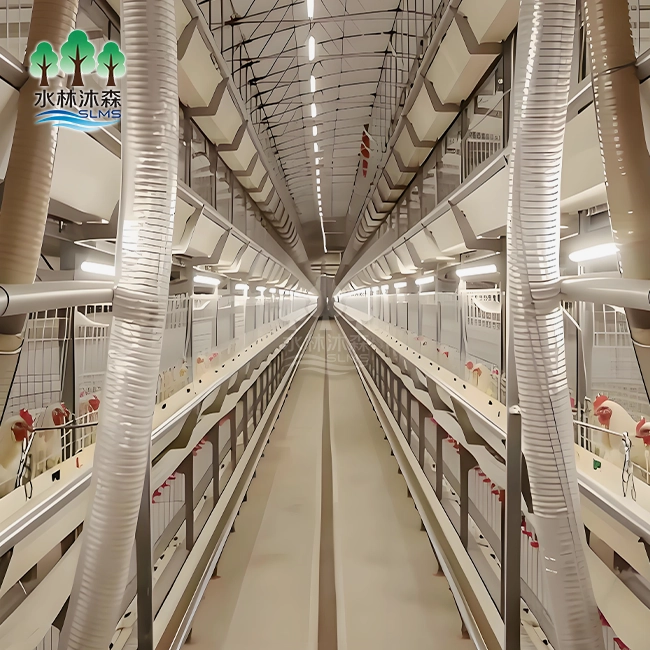
A Breeding House Pipe Fastening Bracket is a special piece of hardware designed to place and support different pipe systems safely in areas with livestock. These brackets are important parts of modern poultry and cattle operations. They are made to survive the harsh conditions found in chicken coops, duck sheds, and other heavy farming facilities. These parts are different from regular pipe brackets because they can handle ammonia, moisture, and the physical stresses that come with working in a farm setting. As the framework for setting up automated feeding lines, water distribution networks, ventilation tubes, and electrical cables, they keep everything firmly in place during daily operations.
Understanding Breeding House Pipe Fastening Brackets
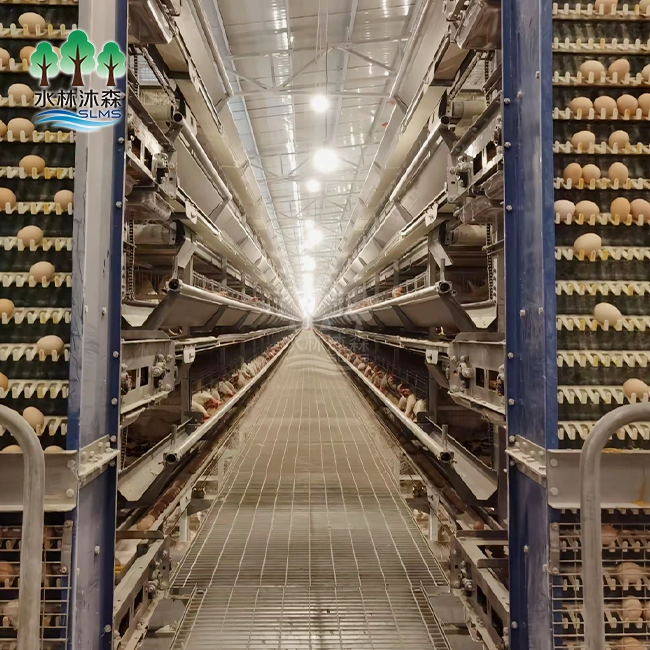
Managing pipes in farming facilities is a problem that has an immediate effect on how well the facilities work and how well the animals are cared for. Proper pipe support stops water lines from sagging, which can lead to uneven distribution, stops feed pipes from shaking, which can scare animals, and keeps cable runs organized, which makes fixing easier.
Core Materials and Construction
Modern Breeding House Pipe Fastening Brackets are made of materials that have been chosen for their reliability in agriculture. Hot-dip galvanized steel is very strong and doesn't rust when exposed to cleaning agents and waste gases. The method of galvanization makes a protective zinc layer that makes steel last a lot longer than painted steel. 304 stainless steel is better for high-end uses, especially in places that need to be cleaned harshly or near the coast, where salt air speeds up rusting.
Design Types and Specifications
Different practical needs call for different types of brackets. Fixed clamps support main power lines in places where there isn't much room for moving. Large-diameter pipes that carry feed or water to various zones work really well with these. Adjustable frames let you place them vertically or horizontally, which is useful for poultry farms where the height of the nipple line needs to be changed every so often as the birds grow. Our pipe clamp systems can fit diameters from Φ6 to Φ75, which means they can be used for everything from sensor wires to main air flow lines. This makes it unnecessary to have different fastening methods, which makes it easier to keep track of inventory and plan installations.
The structural design usually has three built-in parts: a clamp body that goes around the pipe, fastening hardware that makes the grip stronger, and a locking base that connects to structural parts. This modular method lets worn-out parts be replaced quickly without taking apart whole areas of infrastructure.


Functions and Benefits of Breeding House Pipe Fastening Brackets
These clamps are useful for a lot more than just supporting pipes. Additionally, they protect big investments in automation equipment and lower ongoing operating costs by acting as important infrastructure parts.
Preventing Displacement and System Failures
Feeding augers, air fans, and animals moving around in livestock buildings cause constant vibrations. Without the right support, lines slowly move out of the places they were meant to be. There are low spots in water lines where sediment builds up, feeding pipes that aren't lined up with outlet ports, and ventilation tubes that come apart at joints. Good Breeding House Pipe Fastening Brackets stop these fails from happening in a chain reaction by keeping things perfectly aligned even when loads change. Galvanized and stainless steel are resistant to acids and alkalis, which means that clamps will keep their grip strength even when cleaning chemicals wear away at other materials.
Enhancing Operational Reliability
We've seen sites get better when they switch from using homemade supports to designed bracket systems. When pipes stay in the right place, they don't need to be maintained as often because mechanical stress is concentrated at well-designed mounting places instead of randomly causing wear cracks. After carefully bracketing all distribution lines according to manufacturer spacing suggestions, one cooperative that was in charge of 80,000 layers saw a 35% drop in emergency plumbing calls.
Supporting Automated System Integration
In order to stay competitive, modern breeding companies need to use technology. For automated feeding systems to stay calibrated, the pipe runs between the control units and the release places need to be stable. When feeding lines sag or move, volumetric accuracy goes down, which means that the group doesn't get the right amount of food. In the same way, climate control systems need steady ventilation duct placement to keep the airflow patterns that were planned. Brackets that are placed correctly become invisible parts of the system's success because they provide the stable base that these systems need. Because they work with pipes of all sizes, from small sensor lines to big ventilation mains, you can use the same fastening method for all types of infrastructure. This makes training easier and cuts down on the need for extra parts.
How to Choose the Right Pipe Fastening Bracket for Your Breeding House
To choose the right braces, you need to make sure that the material's qualities and load capacities match the needs of the application. The decision process should weigh the short-term budget limits against the long-term costs of the project while making sure it works with the current infrastructure.
Material Selection Criteria
In normal cattle settings, hot-dip galvanized steel Breeding House Pipe Fastening Brackets are very cost-effective. The expected service life is directly related to the thickness of the zinc covering. Heavier coats are worth the extra cost in places with a lot of ammonia, like broiler finishing houses. When chemical protection is important, like in places that treat water with acid or use strong disinfectants between production cycles, stainless steel is the obvious choice. The bigger original investment usually pays off because the product lasts longer and doesn't need to be replaced as often.
Load Capacity and Pipe Compatibility
There must be load-bearing values in every bracket standard that are higher than the weight of the pipe, its contents, and the insulation. Pipes that are full of water put out a lot more pressure than empty feed lines, especially on longer spans that aren't supported. For PVC distribution lines, our engineering team suggests support spacing of 1.5 to 2 meters, which drops to 1 meter near valve groups where weight and vibration are concentrated. The Φ6-Φ75 range that our systems can handle includes the vast majority of farming uses, from 6mm sensor cables to 75mm ventilation mains. This means that you can buy from a single seller instead of having to deal with multiple vendors.
Customization and Bulk Purchasing
Most jobs can be done well with standard brackets, but some building plans work better with custom solutions. Off-the-shelf brackets aren't always the best choice for retrofit jobs in older barns because the beams aren't always spaced evenly or the pipes are routed in strange ways. We have engineers on staff who can make changes to bracket designs that fit in perfectly with existing structures. Bulk buying deals save a lot of money on big building projects and make sure that the quality of the whole installation is the same. These agreements also make transportation easier by combining arrival times and cutting down on the work needed to receive packages.
Installation and Maintenance Guide for Breeding House Pipe Fastening Brackets
The performance and life of a Breeding House Pipe Fastening Bracket are directly affected by how it is installed. When fastening methods don't follow basic mechanical rules, even high-quality brackets break early.
Installation Best Practices
Start by finding the structure parts that can hold the expected loads without bowing. No matter how good the brackets are, light ceiling panels can't hold heavy water lines in place. Mark where the brackets should go based on the recommended spacing, taking into account how the pipes will expand when they are heated. Get mounting surfaces ready by getting rid of any free rust, old coatings, or biological buildup that could get in the way of a secure connection. Place frames so that the clamp bodies are in the middle of the pipes. This will make the tightening pressure even around the outside.
Tighten screws slowly with measured tools instead of impact drivers, which can crack clamp bodies or strip threads if they are overtightened. Our installation videos show the right way to apply torque and the right order to do it. All of our customers can access these tools through our technical help lines. These visual guides are especially helpful for training installation teams that have never worked in a farm setting before.
Troubleshooting Common Issues
Pipe shaking usually means that the support spacing is too close together or that screws are loose and need to be tightened again. During routine repair, all fastening hardware is checked to make sure it is not loose. This finds loosening before it breaks. Corrosion on the bracket that goes beyond surface rust is a sign of either bad material choice or chemical reactions that were not expected, which means the material needs to be upgraded. Keep track of any strange wear patterns and let your sources know about them. This field information helps companies make better products for specific farming uses.
Maintenance Protocols
Visual checks every three months find problems as they start to grow before they become costly fails. Make sure there are no loose bolts, signs of rust, cracked clamp bodies, and that the pipes are lined up correctly inside the frames. Deep cleaning once a year during production breaks lets you check all of the hidden fixing points carefully and repair any broken hardware. Our one-year warranty covers problems with the way the product was made and gives you a set schedule for the first follow-up checks that set the standard performance data for your installation.
Sourcing and Procurement of Breeding House Pipe Fastening Brackets
When you have strategic ties with suppliers, you get value that goes beyond unit price. Reliable suppliers become partners in optimizing the facility because they offer technical knowledge and quick help that generic suppliers can't match.
Identifying Quality Manufacturers
Reputable makers of the Breeding House Pipe Fastening Bracket keep their quality control processes open and clear, and they back up their standards with thorough technical paperwork. Instead of just rebranding generic gear, they put money into research and development (R&D) that leads to constant product changes. Weifang Shuilin Musen Aquaculture Equipment Co., Ltd. has been using this method for eight years to help large-scale chicken and cattle farms. Every year, our skilled engineering team comes up with more than three new goods. Each one meets a specific need that we learn about from working with customers in the field.
Procurement Considerations
When evaluating providers, look at how well they can provide whole solutions instead of just parts. Our bracket systems work perfectly with automatic food systems, water transfer networks, ventilation systems, and climate control equipment. This makes it easier to handle vendors and makes sure that all systems that depend on each other work together. There is a measured value added by technical support resources like installation videos and responsive engineering advice. These resources cut down on installation time and mistakes that hurt system performance.
Logistics for delivery play a big role in planning building schedules. Before you finalize your requirements, make sure you know the wait times, minimum order quantities, and freight plans. When facility layouts call for non-standard solutions, customization services give companies a competitive edge. However, only companies with their own engineering departments can truly make goods, not just small changes to standard designs.
Warranty and After-Sales Support
A full guarantee protects your investment and shows that the maker believes in the quality of the product. Our one-year guarantee against manufacturing flaws gives you peace of mind during the important first year of service, which is when installation problems usually show up. It's also important to have ongoing expert help, since operational questions will come up throughout the lifecycle of the tools. When a customer asks a question, our team quickly answers it, using years of experience in the field to quickly solve problems and suggest improvements based on new best practices.
Conclusion
Breeding House Pipe Fastening Brackets are important pieces of equipment that make modern automated animal operations work properly. Their job of providing systems for feeding animals, distributing water, air flow, and controlling the temperature has a direct effect on how well they work, how much it costs to maintain, and how well the animals are cared for. By choosing between galvanized steel and stainless steel as a material, you can find a good mix between corrosion protection and cost.
You can also choose between fixed and movable brackets based on your specific operating needs. When you put something correctly and follow the manufacturer's instructions, and then do regular upkeep, the system will last longer and work better. Strategic partnerships between suppliers and makers that offer full technical support, the ability to customize products, and strong warranty coverage give value that goes far beyond unit price.
FAQ
What pipe sizes do these brackets support?
Our bracket systems can fit pipes with diameters from Φ6 to Φ75. This means they can be used for a wide range of tasks, from small sensor wires and water nipple lines to big ventilation ducts and mid-sized feeding pipes. With this wide range, you won't need to use different fastening methods for different types of equipment in your building.
How do I choose between galvanized steel and stainless steel brackets?
Hot-dip galvanized steel is very cost-effective in normal cattle settings with normal amounts of ammonia and water. Stainless steel 304 is needed in places that use strong chemical disinfectants, are near the coast and are exposed to salt air, or are high-end installations that need the longest possible service life. To find the best material for your needs, you should look at your unique surroundings and budget.
Can these brackets work with automated feeding systems?
Of course. We made sure that our clamps work perfectly with automatic feeding systems so that the pipes stay perfectly aligned for accurate volumetric delivery. The stable support keeps the pipe from moving, which would mess up the calibration between the control units and the discharge places. This directly helps keep the group healthy and increases the efficiency of feeding.
What installation spacing do you recommend?
As a general rule, brackets should be placed every 1.5 to 2 meters along straight pipe runs. They should be placed about 1 meter closer together near valve groups, bends, or tees, where weight and vibration are concentrated. Based on the width of your pipe, the material it's made of, and the weight of its contents, our expert team can give you specific advice.
Partner with Shuilin Musen for Reliable Pipe Support Solutions
The Shuilin Musen Aquaculture Equipment Co., Ltd. has been solving problems with animal infrastructure for eight years. As a well-known company that makes the Breeding House Pipe Fastening Bracket, we mix professional research and development with strict quality control to make solutions that can handle harsh farming settings. Our brackets can hold pipes with sizes from Φ6 to Φ75 and are made of hot-dip galvanized steel or 304 stainless steel.
They are resistant to corrosion and strong enough to hold loads that are needed for automatic feeding systems and temperature control infrastructure. We back up every installation with full expert help, including video resources, customization services that are made to fit the needs of your building, and a warranty that protects your investment for one year. Email our team at wangshuaislms@gmail.com to talk about your unique application needs and find out how our engineered solutions can help you save money on servicing costs and make your business more reliable. You can look at all of our products at slms-equipment.com and ask for detailed specs for your next job.
References
1. National Chicken Council. (2021). Animal Welfare Guidelines and Audit Checklist for Broiler Chickens. Washington, DC: National Chicken Council.
2. American Society of Agricultural and Biological Engineers. (2020). ASAE Standards: Design of Ventilation Systems for Poultry and Livestock Shelters. St. Joseph, MI: ASABE Publications.
3. Midwest Plan Service. (2019). Structures and Environment Handbook, 14th Edition. Ames, IA: Iowa State University Extension.
4. United States Department of Agriculture. (2022). Modern Poultry Housing Equipment and Environmental Management Guidelines. Washington, DC: USDA Agricultural Research Service.
5. Appleby, M.C., Mench, J.A., and Hughes, B.O. (2018). Poultry Behaviour and Welfare. Wallingford, UK: CABI Publishing.
6. Canadian Agri-Food Automation and Intelligence Network. (2020). Best Practices for Automated Feeding Systems in Intensive Livestock Operations. Guelph, ON: University of Guelph Press.
Learn about our latest products and discounts through SMS or email