What are the main advantages of cooling pads for broiler operations?
The best things about using cooling pads on broilers are that they help with managing heat stress and making the business run more smoothly. When placed correctly, a Poultry House Cooling Pad device can lower the temperature inside by 5 to 8°C during the hottest parts of summer. This directly improves feed conversion rates and lowers the number of birds that die. In addition to keeping the temperature stable, these evaporative cooling systems clear out dust and pathogens from the air. This makes the environment healthy, which helps plants grow consistently. When cooling pads are combined with tunnel airflow, they save a lot of energy, lower labor costs, and make the birds happier in large-scale business operations.


Introduction
One of the biggest problems that current broiler farmers have to deal with is heat stress. When temperatures inside poultry houses go above 26°C, chickens' bodies start to hurt, which shows up as less food intake, slower growth rates, and more deaths. These loses in production directly lead to lower profits and lower standards for animal care.
Traditional ways of cooling, like using fans or spray systems on their own, don't always work right and need a lot of energy. Broiler businesses that serve customers all over the United States need solutions that are reliable, scalable, and keep the environment calm no matter what the weather is doing outside. Evaporative cooling pads have become the best technology for intensive chicken farms because they solve a lot of problems at once, including controlling temperature, making the air better, and saving money.
This in-depth study looks at how cooling pad systems work, the specific benefits they offer broiler farmers, and the practical factors that affect choices about buying them. When farm managers, machinery distributors, and agricultural engineering contractors know about these factors, they can make investments that are better for both output and sustainability.
Understanding How Poultry House Cooling Pads Work
A simple thermodynamic theory describes how evaporative cooling works. When hot, dry air is pushed through media that is filled with water, it quickly evaporates, trading sensible heat for the latent heat of vaporization. The dry-bulb temperature of the air coming into the chicken house is lowered by this process.
The Science Behind Evaporative Temperature Control
The cooling pad system has three built-in parts that work all the time when it's hot outside. The cooling medium is made of specially designed cellulose paper with curved ducts that let air and water stick to the surface more. These lines are usually set up at a 45-degree angle, which creates turbulence that makes the transfer of moisture more effective.
Systems for distributing water keep the pad surface saturated all the way across. Water from a reservoir is moved around by pumps through lines that are placed above the pads. This lets gravity fairly wet the media. Extra water goes back into the tank to be used again. This keeps waste to a minimum and makes sure that the cooling works consistently.
The system is finished with negative pressure ventilation. At the other end of the building, high-capacity vent fans create wind that moves through the wet pads from the outside. This tube ventilation plan makes sure that the temperature is the same all over the building, so there are no hot spots that make birds uncomfortable in certain areas. This efficient setup ensures that Poultry House Cooling Pad systems deliver optimal temperature control and comfort for poultry, especially in hot conditions.
Material Construction and Structural Design
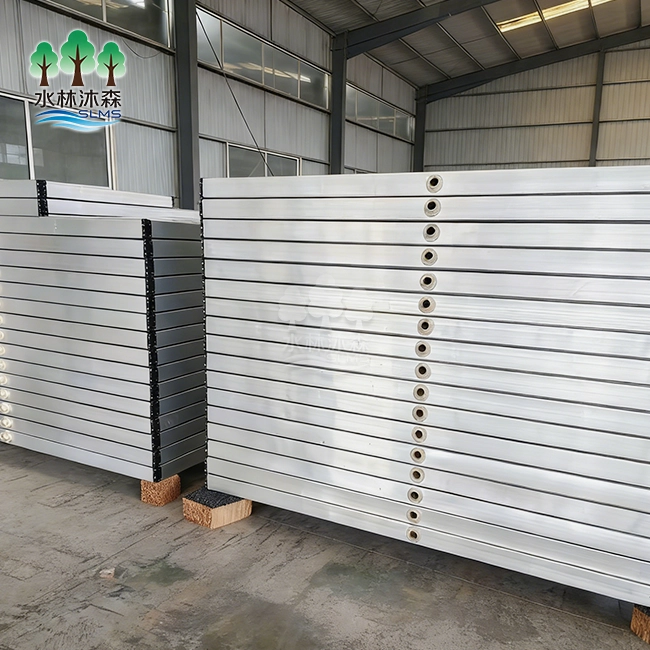
These days, cooling pads are made from high-molecular-weight cellulose that has been treated with cross-linking resins that make it very strong when wet and resistant to biological breakdown. The Model 7090 design, which includes a 7mm wave height and improved flute geometry, is now the standard for broiler operations. You can get these pads in two different thicknesses: 15 cm and 20 cm. The bigger ones will keep you cooler in extreme situations.
Frame building can be different depending on the needs of the business and the budget. Aluminum alloy frames don't rust and are easy to move around because they are light. This makes installation and upkeep easier. For sites with aggressive water chemistry or long operating lifespans of more than ten years, stainless steel frames are more durable.
Installation Requirements and System Integration
Accurate sizing estimates based on building measurements, goal stocking density, and area temperature data are the first step in a proper installation. To keep the best air flow—usually between 1.5 and 2.0 meters per second—through the media, the pad area must match the size of the exhaust fan. If there isn't enough pad area, the air moves too quickly, carrying water with it that wets birds near the intake. On the other hand, pads that are too big make cooling less effective and raise the cost of the equipment.
Sealing around pad frames stops air from leaking out, which lowers the performance of the system. Gaps as small as 2 cm can make cooling less effective by 15–20%, which makes the money spent on good tools useless. Professional installation services use weather-resistant materials that stay in place through multiple production processes to make sure the seal is properly sealed.
Managing the water quality affects how long pads last and how well they cool. Scale builds up in media pathways and lowers absorption rates when there is a lot of minerals in hard water. Regular descaling or pre-treatment methods keep pads working and increase the time between replacements from three years to five years or more.
Key Advantages of Cooling Pads for Broiler Operations
When evaporative cooling technology is used, it has measurable benefits that have a direct effect on business profitability and production measures. These benefits go beyond just lowering the temperature; they also improve animal health, make work more efficient, and protect the environment.
Enhanced Temperature and Humidity Control
The main goal of any cooling device is to keep birds in their thermoneutral zone, which is the temperature range where they use the least amount of energy to keep their body temperature stable. In the summer, cooling pad placements regularly lower temperatures by 5 to 8°C. In dry climates where evaporation is fastest, they can lower temperatures by more than 10°C.
This stability of temperature stops the chain of heat stress signs that destroy the efficiency of production. Birds keep eating normally, making sure they get enough nutrients during important growth stages. The heart rate and breathing stay within normal ranges, which lowers metabolic stress and supports heart health. The cumulative result shows up as higher feed conversion rates, which, for big flocks, save a lot of money by increasing by 0.1 to 0.2 points.
Evaporative cooling systems need to be very careful about how they handle humidity. When systems are set up correctly, they keep relative humidity between 50 and 70%, which is a good range for bird health and litter quality. Too much humidity leads to the production of ammonia and lung diseases, while too little wetness in hot weather doesn't allow birds to breathe properly, which would otherwise maximize evaporative potential. Poultry House Cooling Pad systems are key in maintaining these optimal conditions, ensuring both bird comfort and efficient production.
Superior Energy Efficiency and Cost Savings
When looking at how much power is used per degree of cooling, evaporative cooling systems use about 75% less than mechanical refrigeration options. The main energy users are exhaust fans and water circulation pumps. Compared to air conditioners that use compressors, these two devices use rather little power.
Another big benefit is that labor costs are going down. Once they are set up, automated systems don't need much control. This cuts down on labor costs by more than 40% more compared to human cooling methods like setting up sprinklers or adjusting curtain ventilation often. This automation frees up farm workers to focus on other tasks that add value, like keeping an eye on animals' health and feeding them, instead of making constant changes to the environment control systems.
When large broiler farms raise four to six flocks of chickens a year, the return on investment calculations for installing cooling pads usually show payback times of 18 to 24 months. Because of its good economic picture, the technology is now available to medium-sized businesses and is still necessary for big intensive farms that raise 100,000 birds or more per cycle.
Improved Air Quality and Animal Welfare
Particulate matter in the air gets stuck in the water film that covers the cellulose fibers as it moves through wet cooling media. This filter effect lowers the amount of dust in the air by 40–60%, making it better for breathing and lowering the risk of chronic respiratory disease and airsacculitis. Lower amounts of dust also make it easier on the birds' eyes and make them more comfortable overall during the production cycle.
Better temperature control helps control ammonia in a roundabout way. Litter that is cooler stays drier and supports good microbes that compete with bacteria that make ammonia. Lower levels of ammonia lower inflammation in the nasal tract and make vaccines work better, making the whole group more resistant to disease.
Animal safety standards are putting more and more emphasis on thermal comfort as a basic need for raising animals in a decent way. There are measurable changes in welfare measures like the number of times an animal pants, how often its wings spread, and how active it is during times of heat stress when cooling pad systems are used. These changes are in line with what consumers want and what the law requires in big poultry-producing areas.
Environmental Sustainability Benefits
Evaporative cooling systems use about 15 to 30 liters of water for every 1,000 cubic meters of air they process. This number can change based on the temperature and humidity in the room. This method still uses a lot less water than other ways to cool things down, like high-pressure mist systems, which often waste 30 to 40 percent of the water they spray on. The closed-loop recycling system makes the best use of water while keeping the cooling performance constant.
A study of carbon footprints shows that evaporative cooling lowers the amount of greenhouse gases released when energy is made. Less use of electricity directly leads to less burning of fossil fuels at power plants. When mixed with renewable energy sources like solar panels, which are becoming more popular in farming, the environmental picture gets even better.
This is because high-quality cooling pad systems last longer, which means less trash is made. If you take good care of your pads, they should last at least five years before they need to be replaced, and the cellulose media breaks down naturally when it's time. More than 90% of aluminum and stainless steel frames can be recycled, which supports the circular economy in the supply lines for agricultural tools.
Comparison of Cooling Pads with Other Poultry Cooling Solutions
When broiler producers are thinking about advances in climate control, they need to know how different methods work in a range of operating situations. Cooling pads, stand-alone fan systems, and mist tools are all different in ways that make them better or worse for different uses.
Performance Analysis Across Cooling Technologies
Standalone fan ventilation moves air without lowering the temperature above and beyond what convection does to cool bird surfaces. This method works fine when the temperature outside stays below 28°C, but it doesn't stop heat stress when it's really hot outside. Fans by themselves can't lower the air temperature below the normal level, which makes them less useful in extreme weather.
Fine water droplets are sprayed into the air by high-pressure misting devices. The temperature drops as the water evaporates. In ideal conditions, these systems can cool as well as pad systems, but they have a number of problems that make them less useful in real life. Different droplet sizes cause cooling to work differently; bigger drops wet birds and trash instead of evaporating. Mineral layers from drained water cover all surfaces in the building, making them harder to clean and causing equipment to rust.
When the weather changes, evaporative cooling pads are the most reliable and easy to control way to lower the temperature. The big surface area and controlled application of water make sure that all of the water evaporates before it gets to the bird zone. Because they are so reliable, pad systems are the best choice for tunnel-ventilated buildings that are longer than 100 meters and have trouble keeping the temperature even.
Climate Suitability and Regional Considerations
The best conditions for evaporative cooling are hot, dry places with low relative humidity that allow a lot of water to evaporate. Through properly sized pad systems, temperatures drop by 10 to 12°C all the time in places like the southwestern United States. During the summer, when heat stress would normally mean lower stocking rates or worsened growth performance, these big drops change the way production works.
Evaporative technology has a harder time working in humid places. When the relative humidity in the air is higher than 70%, the evaporation potential goes down, which means that the temperature can only drop by 3 to 5°C. Even so, this ability to cool still has useful effects, especially when paired with effects on air movement that make convective heat loss from bird surfaces stronger. Many businesses in wet areas use pad systems successfully by changing their standards and making the best use of airflow patterns.
Combining cooling pads with extra fans or strategically orienting buildings to get the best performance in a range of climates is one way to do this. These custom designs take into account things like local weather trends, the direction of the wind, and changes in yearly temperatures that affect how much cooling is needed throughout the production year. Poultry House Cooling Pad systems are essential in creating these custom designs, ensuring optimal performance for the unique climate challenges faced by each facility.
Material Specifications and Durability Factors
The cooling capacity and pressure drop properties are directly affected by the thickness of the pad. For setups that don't break the bank, the 15 cm thickness choice works well in mild climates and can cool buildings up to 120 meters long. The extra 20 cm thickness makes the pad work better in harsh climates or longer tunnel-ventilated buildings, making the higher cost worth it by better temperature control and a longer pad lifespan.
The choice of frame material strikes a balance between the original cost and the useful life of the structure. When the water quality is average, aluminum alloy frames last a long time and cost 15 to 20 percent less than stainless steel frames. When working with well water that has a lot of minerals or near the coast where the air is salty, stainless steel is better at resisting rust, which protects the investment for longer periods of time.
Customization options let you perfectly match the cooling ability to your building's needs. Customized solutions that improve performance while keeping costs low are made possible by adjustable pad heights, modular panel layouts, and interaction with automatic control systems. This flexibility is especially helpful for companies that sell tools and do farm engineering work for a wide range of clients with different budgets and operating sizes.
Best Practices for Installation, Maintenance, and Troubleshooting
To get the most out of your cooling pad system's performance and life, you need to pay attention to how it was installed, follow the care guidelines, and know how to fix problems as they come up. These practices protect the investments in tools and make sure that the atmosphere is always controlled the same way during each production cycle.
Professional Installation Techniques
Before the right placement can happen, the structure must be checked to make sure the walls are sound and can support the weight of the pads, frames, and water distribution equipment. Existing buildings may need to be strengthened before they can be installed, especially older buildings that weren't made for tunnel ventilation systems to begin with.
When sealing, it's important to pay close attention so that air doesn't get around the edges of the pad. Frames and building surfaces are kept airtight with weatherproof sealing, expandable foam, and compression seals. By adding inspection holes, you can check that the seals stay in place over time and through different production processes and yearly temperature changes.
The launching of the water delivery system makes sure that the whole pad surface is evenly saturated. Changing the flow rate, leveling the distribution pipes, and checking each exit get rid of dry spots that make cooling less effective. Longer operation times are part of the initial starting processes so that pads can fully saturate and any leaks or pressure imbalances that need to be fixed can be found.
Integration with current ventilation settings makes the system more sensitive to changes in the surroundings. Temperature monitors placed in key areas of the building give information that is used to automatically change the fan speed and turn on the water pump. When control systems are set up correctly, they keep goal temperatures between 0 and 2°C. This keeps birds comfortable while using as little energy as possible.
Routine Maintenance Protocols
Regular cleaning stops the buildup of minerals and microorganisms that make pads less effective. Visual checks once a week show you what needs to be fixed, and high-pressure washing once a month gets rid of dirt and mineral layers that have built up. Cleaning is needed more often in places with hard water or when there is a lot of dust, like on days when feed is delivered.
Monitoring the quality of the water keeps an eye on the amounts of minerals that cause scale to form. Simple conductivity meters give real-time information on dissolved solids, which allows repair to be done before the pad breaks down significantly. By adding inner filters, particulate matter is caught before it gets to distribution systems. This makes pumps last longer and lowers the number of times they get clogged.
Off-season keeping methods keep pads safe when they're not being used. During the winter, when cooling systems aren't being used, thorough cleaning stops mold growth and material degradation. Covering fitted pads protects them from dust buildup and pest damage, which cuts down on the need to clean them before each season and increases their general useful life. Proper maintenance of the Poultry House Cooling Pad ensures its longevity and performance, making it a key element in maintaining a comfortable and healthy environment for poultry.
Common Issues and Troubleshooting Solutions
Uneven cooling along the length of the building is usually a sign of an exhaust fan that isn't working well or air leaks that mess up the planned airflow patterns. By measuring the difference in static pressure between the inlet and exit ends, you can tell if the problem can be fixed by upgrading the fans or adding more building seals. For the best tunnel airflow, target pressure ranges should be between 0.05 and 0.15 inches of water column.
Uneven water flow shows up as dry spots on pad surfaces or too much dripping, which loses water and makes cooling less effective. Individually cleaning clogged distribution outlets is needed, while general flow problems could be a sign of worn pumps or supply line limits. Keeping the water level in storage tanks steady stops cavitation and makes sure that pumps work reliably for long periods of time.
Material decline can be seen when the structure of the cellulose breaks down or when it loses its ability to absorb water. Normal wear patterns show that the flute edges get thinner over time. However, premature failure means that there are problems with the water quality that need better cleaning systems. Most of the time, pads need to be replaced when they have more than 30% damage on the surface or when they stop cooling properly even though water flow and air movement are still fine.
Conclusion
Modern broiler businesses that have to deal with heat stress can benefit greatly from cooling pad devices. Because it reliably lowers temperatures, improves air quality, saves money on running costs, and is good for the environment, evaporative cooling is the best technology for large-scale chicken production. Knowing how systems work, how they compare in terms of performance, and what kind of upkeep they need lets you make smart purchasing decisions that improve both animal comfort and financial results. As climate change gets worse and production keeps going up, it's important to keep investing in tried-and-true cooling methods like the Poultry House Cooling Pad to stay ahead in the global chicken market.
FAQ
Q1: How often do cooling pads need replacement?
A: If you keep up with the upkeep, good cooling pads should work well for three to five years in normal circumstances. Replacement times get longer toward the upper end of this range when managing the water quality stops minerals from building up and regular cleaning gets rid of biological contamination. Operations in places with hard water or a lot of dust may have shorter service lives and need to be replaced before the three-year mark.
Q2: Do cooling pads work in humid climates?
A: When it comes to performance, evaporative cooling systems work best in dry conditions. However, they can still help lower temperatures in wet areas. When the humidity level in the air is higher than 70%, the cooling power will drop to 3–5°C instead of 8–10°C in dry circumstances. No matter what the humidity level is, the system keeps filtering floating particles and improving air movement, which has benefits beyond just lowering the temperature.
Q3: What energy savings can operations expect?
A: When cooling pads are installed correctly, they use 30 to 50 percent less electricity than fan-only systems going at full power to achieve the same level of temperature control. The actual saves depend on the weather, the quality of the building insulation, and how it is used. The small amount of power that water pumps need doesn't add much to total energy costs, but they cool things down a lot.
Optimize Your Broiler Production with Proven Cooling Solutions from Shuilin Musen
With eight years of experience making products and full professional support, Shuilin Musen Aquaculture Equipment Co., Ltd. can provide solid cooling pad options for large-scale poultry businesses. Our Model 7090 Poultry House Cooling Pad seller offers adjustable sizes, a choice of 15cm or 20cm thickness, and frame constructions made of aluminum alloy or stainless steel that won't rust. In addition to high-quality tools, we protect your investment with a one-year warranty, installation guides, and on-site commissioning services.
Our engineering team creates full air solutions that cut costs by over 40% while keeping the environment at its best, no matter how many birds you have to take care of. You can email us at wangshuaislms@gmail.com to talk about your specific needs and get product specs that are tailored to the size of your building and the weather in your area.
References
1. Donald, J. (2018). Broiler Management Handbook: Environmental Control in Modern Poultry Production. Poultry Science Association Press.
2. Lacy, M. P. & Czarick, M. (2019). "Tunnel Ventilation and Evaporative Cooling Systems for Broiler Housing." Journal of Applied Poultry Research, 28(3), 612-625.
3. Purswell, J. L., Branton, S. L., & Bucklin, R. A. (2017). "Effect of Evaporative Cooling on Broiler Performance During Summer Heat Stress." Applied Engineering in Agriculture, 33(4), 551-558.
4. Simmons, J. D., Lott, B. D., & May, J. D. (2016). Climate Control Technology for Intensive Livestock Systems. American Society of Agricultural and Biological Engineers.
5. Yahav, S., Straschnow, A., Plavnik, I., & Hurwitz, S. (2017). "Heat Stress Management in Poultry: Evaporative Cooling Systems and Physiological Responses." Poultry Science Review, 96(8), 2839-2849.
6. Zhang, H. & Xin, H. (2020). "Energy Efficiency Analysis of Evaporative Cooling Pad Systems in Commercial Broiler Production." Transactions of the ASABE, 63(2), 445-454.
Learn about our latest products and discounts through SMS or email