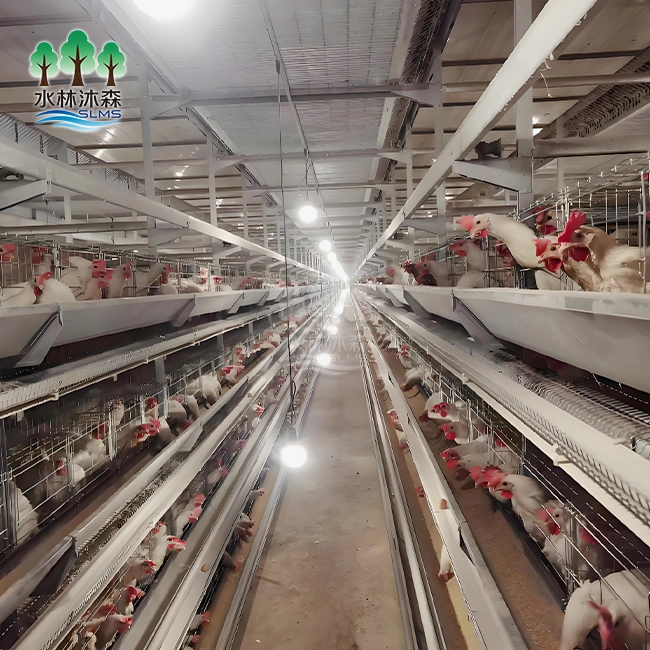
How does a poultry silo feeding system work?
A poultry silo feeding system is an automated way to store and distribute large amounts of feed. It does this by storing the feed in a vertical tower structure and sending it straight to feeding lines through built-in conveying mechanisms. These systems have safe storage tanks, automatic unloading equipment, level monitors, and distribution augers that move feed exactly when it's required. The vertical design keeps your farm's size as small as possible, and the sealed construction keeps feed quality safe from things like rain, moisture, and bugs, so your flock always gets the right nutrition without you having to do anything.


Comprehending the Poultry Silo Feeding System
Today's chicken farms need to be reliable and efficient, and automated feed storage systems are now necessary for farms with anywhere from 5,000 to over 100,000 birds. These systems are a big change from the old way of giving animals by hand, which takes a lot of time and makes it more likely that something will get contaminated.
Core Components and Structure
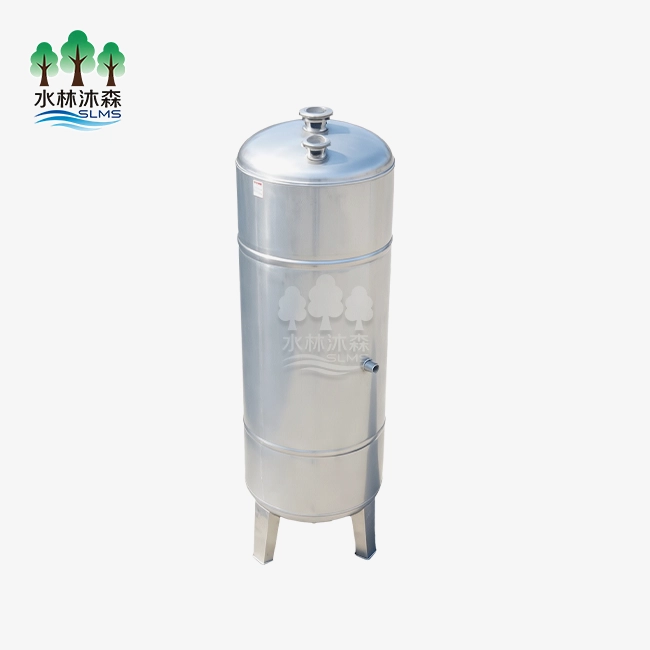
The vertical tower construction is what holds these mechanical systems together. Because they are made of high-zinc steel plates, these towers won't rust or break down for 10 to 15 years of work. There are a lot of combined parts in the main body that all work together perfectly. The holding frame keeps the structure stable even when there is a lot of wind, and the unloading system at the base makes sure that the feed goes out smoothly and without any problems.
Access features include viewing holes placed at key points along the height of the tower. This lets maintenance teams check the inside conditions without having to empty the whole silo. A ladder connected to the outside makes it safe to get to the upper levels. The rain cap covers the top hole to keep it dry, and it lets feed trucks fill the bin quickly while delivering food.
Automated Control Technologies
Level sensors inside the silo keep an eye on the feed supplies all the time, sending real-time information to control screens in your management office. This takes the guessing out of when to make deliveries and stops feed gaps that could hurt the performance of the flock.
Feed bridge happens when feed forms an arch inside the hopper and stops moving. Vibrators placed near the output cone stop this from happening. When the system senses that the flow is being slowed down, these vibrators turn on automatically to keep the release rates steady. Some more advanced models have weighing systems that keep track of how much the birds eat, which helps you figure out the best times to feed them and spot any changes that don't seem right, which could mean your flock is sick.
You can connect the built-in dumping system to your feeding lines directly using flexible augers or chain conveyor systems. When sensors see that the levels of feed pans or troughs are falling, motors start up immediately to fill up the feeding equipment. This closed-loop automation reduces manual labor by over 40% compared to traditional bag-feeding methods.
Storage Capacity Options
These systems can handle tasks of different sizes because they come in capacities ranging from 5 to 30 tons. A 5-ton unit usually feeds smaller family farms or satellite sites for three to five days, based on the size and stage of growth of the flock. Most industrial broiler or layer farms can use mid-range 15-ton silos, which can store enough food for a whole week and cut down on delivery times to once a week.
Large 30-ton versions are used for situations where a lot of houses or farms need a lot of feed every day. No matter how much weight it holds, the vertical form takes up very little floor space. A 20-ton silo usually takes up less than 100 square feet of ground space, which means there is more room for useful living space.
Material Options and Durability
High-quality systems are made of hot-dip galvanized steel with an improved zinc covering, which makes them more resistant to corrosion in damp places like chicken farms. The curved wall design makes the structure stronger and creates an air gap that keeps condensation from building up inside. This part of the design keeps water from building up, which could cause mold to grow and food to go bad.
In high-end systems, stainless steel parts may be used in important places where feed is constantly coming into touch with the system, like the output hoppers and auger housings. Some feed ingredients are acidic, but these materials don't react with them. They also keep their surfaces smooth, which stops waste from building up.
Benefits and Value of Using Poultry Silo Feeding Systems
Moving to automated bulk feed storage gives you real benefits that affect the revenue and long-term viability of your business. Knowing these benefits helps procurement managers set reasonable goals for success and justify the expense. The transition to a poultry silo feeding system delivers measurable returns through efficiency and quality preservation.
Improved Feed Hygiene and Quality Preservation
The sealed environment makes a buffer against sources of pollution that can happen with other ways of storing bags. The weatherproof design keeps the feed's nutritional value from delivery to eating. This is because rain, wetness, and insects can't get through. In places with a lot of pests or a lot of heat, this defense is even more important.
The stable temperature inside the silo stops the hot-cold cycle that leads to condensation and helps bugs grow. Feed keeps its wetness level steady, which lowers the chance of fungal formation that can hurt the health and performance of flocks. The sealed system also keeps wild birds and mice from getting to the kept food, which gets rid of disease-carrying vectors that are biosecurity risks.
Substantial Waste Reduction
Bulk storage gets rid of the 2–5% waste that comes from torn bags, spills that happen during handling, and bags that are only partially closed and left out in the weather. For middle to big operations, this lower waste means thousands of dollars in saved feed costs over the course of a year. The exact transport systems make sure that feed goes straight from storage to places where it is used, without spilling or mistakes made by people handling it.
Integrated weighing systems give accurate information on how much food is being eaten, which helps managers find waste and change feeding plans to avoid overfeeding. This method is based on data and improves feed conversion rates, which directly raises profits per bird grown.
Significant Labor Savings Through Automation
For manual bag feeding to work, workers have to move, open, and pour hundreds of bags every week. This is hard physical work that takes hours and raises the risk of getting hurt. With automated systems, your team can focus on more important jobs like keeping records, keeping an eye on the flock, and maintaining the building.
During key growth times, when birds eat the most food, automated systems keep delivering food without any extra work from the farmer. This dependability is very helpful on weekends and holidays, when it can be hard to find staff. The method works all the time with little control, so you don't have to rely on people being available to do the work by hand.
Energy Efficiency and Long-Term Cost Reduction
The total cost of electricity used by modern drive motors and control systems is much lower than the total cost of electricity used by tractors or other vehicles to move bagged feed around your site. The automatic start-stop feature makes sure that motors only work when feed delivery is needed, so energy isn't lost when the machine isn't being used.
Because it is built to last, your initial investment will continue to pay off for 10 to 15 years with proper upkeep. This spreads the cost of the capital over many production cycles. When you consider less wasted feed, lower labor costs, and better flock performance from regular nutrition, for most business operations the return on investment happens within two to three years.
Installation and Maintenance Guide for Optimal Performance
Your feed storage and distribution system will work reliably for as long as it is used if it is set up correctly and is cared for regularly. Knowing these needs helps you plan your resources and set up good upkeep procedures for your poultry silo feeding system.
Site Preparation and Capacity Selection
Choosing where to put something requires thinking about a number of things. The spot must have firm, level ground that can hold the weight of the fully loaded silo, which for big units can be more than 30 tons. The most stable base is a concrete pad foundation, which usually needs 6 to 8 inches of reinforced concrete that goes at least 12 inches past the silo area.
It's important that feed delivery trucks can get to the site—the position should let trucks get within 20 to 30 feet of the hose. Delivering tools can't get messed up if there is clear room above the fill opening. Think about the direction of the main winds to place the silo so that it protects against the wind without putting extra stress on the structure.
When choosing a capacity, you should think about how often you want deliveries and how your consumption changes with the seasons. Finding the average amount of feed your flock eats each day and multiplying it by the number of days you want to go without delivering gives a standard. Adding 20 to 30 percent of extra capacity keeps you from running dangerously low if orders are late because of bad weather or problems in the supply chain.
Integration with Existing Infrastructure
Through flexible auger tubes or protected chain conveyors, the discharge device can connect to your current supply lines. Professional installation teams look at your present setup and plan connection paths with as few turns and changes in elevation as possible to make sure that the feed flow works well. Sharp turns or too much vertical lift put more stress on the motor, which can wear it out faster than it should.
For electrical links to work, the wire needs to be the right size for the motor loads and control systems. Installing level sensors and control screens in a way that keeps them safe from the weather and lets you see into the silo to fix problems is important. Control panels are often put in barn offices or equipment rooms so that they are easy to keep an eye on.
Routine Cleaning Protocols
Even though the building materials are smooth, feed dust builds up over time on the inside areas. Setting up full cleanouts between groups or at least twice a year stops buildup that could house bacteria or slow down flow. To do the process, the silo must be fully emptied, inspection holes must be opened, and all remaining material must be removed using compressed air or vacuum tools.
The times for cleaning the auger tubes and the delivery lines are the same. By taking off the end pieces, you can brush or clean with compressed air. Some workers run a batch of flushing material, like rice hulls, through the system to clean the insides before moving feed types or when the system is not in use.
Preventive Maintenance Schedule
Every three to four months, level monitors need to be calibrated to make sure they give correct results. Sensor elements that get dusty can give wrong readings, so using compressed air to clean them gently keeps them reliable. Every month, testing the vibrator function makes sure it works right. Often, stuck or broken vibrators aren't noticed until there is a bridge problem.
According to the maker, motor bearings need to be oiled every 6 to 12 months, but this can change based on how much they are used. To avoid surprise breakdowns, check drive belts for wear and make sure they are properly tensioned. The auger system can be visually checked through access holes on a regular basis to look for wear on the helical flighting that could make transporting less efficient.
Troubleshooting Common Issues
Feed crossing usually means that there is too much moisture in the feed or the hopper angle isn't right for the type of feed. If there is a lot of crossing, look for leaks that let rain or condensation form. Increasing the frequency at which the vibrator activates or changing the size of the feed particles in your mill can fix ongoing bridge.
Sensor problems are often caused by issues with the electrical link or interference from dust. Most problems can be fixed by checking the wires and cleaning the sensor parts. If sensors keep giving wrong readings after being cleaned, replacing them is generally easy for people with simple electrical knowledge.
Slow feed delivery could mean that there are problems with the motor, something in the way of the auger, or too many turns in the distribution line. Finding the exact problem is easier when you look for signs of motor overheating, listen for strange noises, and look at the drill through entry points. Usually, normal function is restored by removing any foreign items and making sure the auger can turn easily.
How to Choose the Right Poultry Silo Feeding System for Your Business?
To choose the right tools for your business's needs and future growth, you need to carefully consider a number of important factors. Making choices based on good information leads to long-term happiness and the best return on investment when purchasing a poultry silo feeding system.
Capacity and Automation Level Assessment
Minimum capacity needs are based on the size of your flock now and your plans to grow it in the near future. Find the average daily usage during busy times and multiply that number by the number of days you want to store the food. Organizations that run more than one house need enough space to handle the daily needs of all of them.
There are different levels of automation, from simple gravity-fed systems that need to be started by hand to fully integrated systems that can be monitored from afar and have their schedules set automatically. Farms that have plenty of workers might start with semi-automated systems. On the other hand, businesses that need to manage multiple sites or don't have enough workers will benefit more from full automation packages.
Integration Capabilities
It is very important that it works with the food tools you already have. Your feeding line must be compatible with the discharge system. The auger width, motor power, and connection types must all work together properly. Giving possible suppliers detailed information about the tools you already have helps them suggest configurations that will work with it.
During times of change, some businesses use mixed feeding methods. Making sure that the silo system can work with the current hand feeding system during the switchover keeps your production plan from getting thrown off. When you plan for future growth, you need to choose methods that can add more feeding or discharge points without having to make big changes.
Budget and Total Cost Considerations
The initial buying price is only a small part of the total cost. The costs of installation depend a lot on the conditions of the site, how far away it is from services, and the type of foundation that is needed. Unexpected costs can be avoided by getting thorough prices that list all the parts and installation services.
Costs of doing business include things like using energy, buying supplies for regular upkeep, and replacing parts every so often. Getting information on how much energy motors and control systems use helps you figure out how much electricity will cost you in the long run. Knowing how much new parts cost and how often they need to be serviced gives you a full picture of the costs of ownership.
Supplier Evaluation and Support Services
Manufacturing knowledge and a good name in the industry are signs of dependability and good quality products. Suppliers with a lot of experience in farming tools know what chicken farms need and make goods that meet those needs. Companies that have been around for a while can show proof of good setups and happy customers.
When problems happen, having access to technical help is very important. Suppliers who offer installation films, online troubleshooting help, and on-site service help keep your business running easily and reduce downtime. Asking about how long it takes for them to respond to service calls and whether parts are available can help you figure out how committed they are to providing support.
Future Trends and Innovations in Poultry Silo Feeding Systems
New technologies keep changing how feed is stored and delivered, giving them better features that make control more accurate and efficient. Understanding these developments helps professionals evaluate a forward-looking poultry silo feeding system for their future needs.
Integration of IoT and Smart Technology
With monitors that are linked to the internet, managers can now check feed levels from anywhere using smartphone apps or the web. These systems send out alerts when levels hit certain levels or when odd patterns of use point to possible problems. Using the cloud to store your data creates records of the past that can be used to look at seasonal patterns and make the best use of buying plans.
Algorithms for predictive maintenance look at data on motor performance to find problems that are about to happen before they do. Finding strange vibration patterns, temperature rises, or changes in power usage lets you schedule fixes for when it's not busy, instead of having to deal with breakdowns when they happen.
Artificial Intelligence for Feed Management
Machine learning is used on consumption data by more advanced systems, which change supply times automatically based on flock age, weather, and past trends. This optimization cuts down on wasteful feed purchases that happen when needs are overestimated and makes sure there is enough supply during times of high demand.
Real-time data for feed management help find performance issues that could be signs of health problems or machine issues. When there are sudden changes in usage, alerts go off. This lets problems be looked into and fixed quickly before they get worse.
Eco-Friendly Materials and Energy Efficiency
More and more, manufacturers are using reusable materials and coatings that are good for the environment. These coatings keep up performance standards while also being better for the environment. Control systems and motors that are driven by solar panels use less electricity from the grid. This is especially helpful for sites that are far away and where energy costs are high.
Better insulation materials and motor designs that use less energy lower running costs and help reach sustainability goals. As part of larger company-wide efforts to be more environmentally friendly, some companies put a high value on sellers who show they care about the environment.
Scalable and Flexible Designs
Modular systems that can add more bin units to increase capacity give businesses that are growing a lot of freedom. Instead of changing whole systems as groups grow, farms can add storage space in small steps, which spreads out the cost over time.
Portable bin choices are good for temporary buildings or businesses that move around a lot. These designs keep the main benefits of controlled feeding while allowing for setups that won't last forever.
Conclusion
Automated bulk feed storage systems change the way poultry farms work by getting rid of the need for hard physical work in feeding the birds by hand. They also protect the quality of the feed and cut down on waste. The sealed vertical design lets you store 5–30 tons of feed safely and in a small place. It also has built-in sensors and automatic delivery systems to make sure your flock always gets the food it needs.
When you choose the right provider based on your capacity needs, automation needs, and support skills, you'll see measured returns in the form of lower labor costs, better feed efficiency, and higher biosecurity. Knowing what needs to be done for installation and upkeep makes a system last longer and work better. As technology improves, predictive analytics and online tracking keep making these systems more valuable for modern chicken farmers, especially with systems like the poultry silo feeding system.
FAQ
Q1: What maintenance frequency keeps these systems running reliably?
A: Every three months, the whole system should be inspected, including the calibration of sensors, the cleaning of motor bearings, and eye checks of structural parts. To keep residue from building up, the inside of the bin and the auger lines should be completely cleaned out between groups or at least twice a year. Testing the vibrator's function and the tightness of the belts once a month finds problems early on, so they don't happen at crucial production times.
Q2: What capacity suits a 20,000-bird broiler operation?
A: During busy times, a group of 20,000 broiler chickens eats about 3–4 tons of feed every day. A 15-20 ton bin can store goods for 5–7 days, which is a good balance between reducing the number of deliveries and keeping the cost of the investment low. This capacity lets deliveries happen once a week while keeping extra stock on hand to allow for freedom in the plan.
Q3: Can automated systems work with existing manual feeding equipment?
A: Most automatic silos work well with current feeding lines because they have auger connections that are the right size. The robotic settings can work on their own, which lets you slowly switch from feeding by hand. A professional installation review checks for compatibility and finds any adapters that are needed to make the change process go smoothly.
Partner with a Trusted Poultry Silo Feeding System Supplier
Shuilin Musen Aquaculture Equipment Co., Ltd. has eight years of experience in manufacturing farming and livestock equipment, so they can offer full automatic feed storing options. Our engineering team creates unique systems that meet your exact capacity needs. These systems can be as small as 5 tons for family farms or as big as 30 tons for large-scale businesses. High-zinc-coated steel is used to build each system, and it comes with level monitors, vibrators, and automatic unloading systems that keep the feed quality at its best while cutting down on work costs.
We offer training films and setup services that are done on-site to make sure that everything works well with your current system. Our expert support team and one-year guarantee will protect your investment and keep downtime to a minimum. Email us at wangshuaislms@gmail.com to talk about the specific needs of your business and get a price for a poultry silo feeding system solution that is designed to help you succeed.
References
1. Appleby, M.C., Mench, J.A., and Hughes, B.O. (2004). Poultry Behaviour and Welfare. Wallingford: CABI Publishing.
2. Fairchild, B.D. and Czarick, M. (2008). "Poultry Housing and Management in Developing Countries." Food and Agriculture Organization of the United Nations Technical Paper.
3. Gates, R.S., Casey, K.D., and Wheeler, E.F. (2009). "Assessment of Feed Delivery Systems in Commercial Poultry Operations." Transactions of the ASABE, 52(4): 1289-1297.
4. North, M.O. and Bell, D.D. (1990). Commercial Chicken Production Manual (4th ed.). New York: Van Nostrand Reinhold.
5. Penz, A.M. and Bruno, D.G. (2010). "Feed Storage and Handling Systems for Poultry Production." World's Poultry Science Journal, 66(2): 233-244.
6. Sainsbury, D. (2000). Poultry Health and Management: Chickens, Turkeys, Ducks, Geese and Quail (4th ed.). Oxford: Blackwell Science.
Learn about our latest products and discounts through SMS or email