What is difference between egg belts poultry and conveyor systems
Poultry egg handling equipment plays a pivotal role in ensuring efficiency, product quality, and operational hygiene within poultry farms. Selecting the appropriate system can markedly impact daily output and reduce egg damage. This guide centers on distinguishing between specialized egg belts poultry collection systems and broader conveyor systems, providing B2B procurement professionals with clear insights to make well-informed purchasing decisions tailored to their farm's scale, automation needs, and workflow requirements.
The difference between egg belts poultry and conveyor systems lies primarily in their specialized design and application scope. Egg belts poultry are purpose-built collection mechanisms engineered exclusively for gentle egg transport from nest areas to collection points, utilizing soft materials like polypropylene or polyethylene with thicknesses ranging from 0.4mm to 1.2mm. Conveyor systems represent broader material handling platforms capable of transporting multiple farm products including feed, waste, and eggs, typically constructed with heavier-duty components and modular designs to accommodate diverse operational demands.


Understanding Egg Belts and Conveyor Systems in Poultry Farming
What Are Egg Belts?
Egg belts are special kinds of transport systems that are mostly made for moving eggs gently inside chicken coops. These bands, which are usually made of plastic or polyethylene, keep eggshells safe while they are being collected automatically. The belt widths are usually between 100mm and 300mm, so they can fit a variety of cage configurations and flock sizes. Because they are small and light, they are easy to install and keep up. This makes them perfect for businesses that want simple automation solutions without having to make big changes to their infrastructure.
What Are Conveyor Systems?
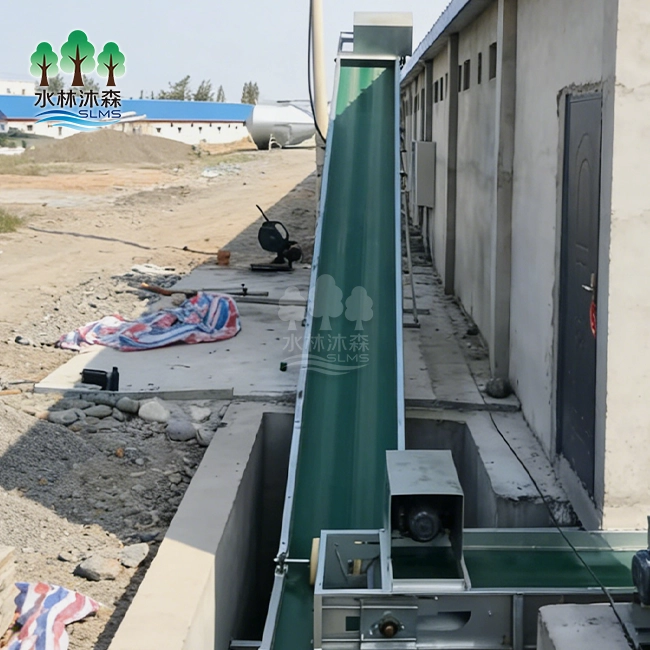
In addition to moving eggs, conveyor systems do a wide range of other transportation jobs on farms, such as distributing feed and getting rid of trash. Stainless steel parts, modular belt designs, and strong drive mechanisms are often used in these systems to handle heavier loads and continuous operation cycles. Because they can do more than one thing, they can be used in many stages of production, which makes them ideal for large factories that need complete automation plans.
Scope and Operational Context
Which method works best for your farm's process depends on how it is used. Egg-specific belts work great in layer houses and broiler breeder facilities that care about being gentle and collecting eggs quickly. General conveyor platforms are used for a wide range of tasks that need to move materials quickly and easily between areas for feeding, collecting eggs, and managing waste. Knowing your main practical challenge—whether it's preventing egg damage as much as possible or improving overall farm logistics—will help you choose the right tools.
Key Performance and Design Differences Between Egg Belts and Conveyor Systems
Material Construction and Load Capacity
Egg collection belts are made of soft, flexible materials that are designed to protect eggs while they are being moved. Compositions of polypropylene and polyethylene don't rust when exposed to water and cleaning products that are often found in poultry environments. These materials don't stretch much when they're under load, so the belt doesn't slip and the eggs stay in the same place during collection runs. Specifications for thicknesses between 0.4 mm and 1.2 mm give enough strength while still allowing for the flexibility needed for gentle egg handling.
Most conveyor systems have bases made of stainless steel and belts made of heavier-duty materials that are made to last for a long time and different types of loads. When they are built, sturdiness and versatility are given top priority. They can hold not only eggs, but also feed bags, machine parts, and trash. This sturdy design allows for higher weight limits and faster transport speeds, but it requires more money up front and more work to keep up.
Automation Levels and Control Systems
Automated egg collection belts are easy to control. They usually have simple on-off buttons or basic timers that work with lighting plans and egg laying patterns. This low amount of automation makes both placement easier and user training less necessary. The systems work perfectly with existing cage designs, so you won't have to make many changes to your current setup.
Modern conveyor systems have customisable logic controllers, variable speed drives, and sensor networks that handle many transport zones at the same time. These systems give you more operational flexibility and the ability to collect more data, but they require more technical knowledge to set up, program, and maintain. In contrast, dedicated egg belts poultry collection solutions offer simpler, more targeted performance for egg-specific workflows, reducing unnecessary complexity while maintaining reliable throughput. The level of sophistication of automation matches the level of complexity of large-scale integrated farming operations.
Size, Capacity, and Scalability
Egg rings work well for both small family farms with a few thousand birds and medium-sized industrial farms with up to 100,000 layers. Because they are modular, they can be expanded in small steps as the group grows. Standard belt lengths can be easily increased by adding simple mechanical links. Customising the width makes sure that the cages fit correctly in a range of setups, including A-frame, H-frame, and expanded colony systems.
When it comes to different types of operations, general conveyor systems are more flexible, but they need more thorough planning for their infrastructure. Their ability to handle multiple types of products at once helps farms grow into new production areas, but this versatility means that they need to be carefully designed at the start so that they can adapt to future growth paths.
Benefits and Limitations: Which Solution Suits Which Poultry Farm?
Advantages of Specialized Egg Collection Belts
Dedicated egg belts are very useful for farms that want to save money, hire as few workers as possible, and make sure the eggs are safe. The gentle handling greatly lowers hairline cracks and other damage that can be seen, which directly raises the percentage of eggs that can be sold. Because installation is easy, your maintenance team can clean and make changes on a regular basis without needing special technical training or outside service contracts.
A real financial benefit comes from lowering the cost of labour. With automated collection, workers don't have to walk through the rows of cages several times a day. This cuts down on human handling by over 40% compared to old-fashioned collection methods. This saves time and money on labour, so farm workers can do other tasks that add value, like checking on the health of the flock and running the facilities.
Energy use stays low because the belts are made of light materials and the drive systems are simple. The systems work successfully in normal chicken houses because they don't need a lot of temperature control or special electrical wiring. Maintenance tasks include cleaning, adjusting tension, and replacing belts on a regular basis. These are all easy tasks that can be done by farm workers.
Advantages of Comprehensive Conveyor Systems
Large, varied operations can benefit from the flexibility that all-in-one conveyor platforms offer. Using integrated systems to move eggs, feed, and waste around the farm makes general planning easier and cuts down on the need for duplicate equipment. Advanced automation features allow precise scheduling, monitoring in real time, and data collection that helps make decisions about how to best optimise operations.
Higher throughput rates are needed for businesses with more than 100,000 birds, where collection speed and handling efficiency have a direct effect on profits. Their strong construction means they will work reliably under continuous operation schedules, which lowers the risk of downtime during times of high production.
Common Challenges and Practical Considerations
The difficulty of maintenance varies a lot between platforms. Egg belts only need basic maintenance, like keeping them clean and making sure they are properly tensioned. This can be done as part of regular farm maintenance plans. For electrical control parts, conveyor platforms may need more advanced troubleshooting tools, a stock of spare parts, and even expert help from outside the company.
For safety's sake, make sure there are proper guards around moving parts and set clear rules for how to operate the machine. Egg belts poultry systems don't pose many safety risks because they run slowly and are easy to get to, whereas larger conveyor systems need more safety training and protective gear to keep people from getting hurt while they are being maintained or used.
Egg belt breakdown troubleshooting usually includes checking for wear, making sure the tension is correct, and making sure the drive mechanism works. For diagnosing a conveyor system, you might need electronic testing equipment and specific knowledge of how control systems work. If you can't get this help right away, the downtime could last longer.
Comparison and Decision-Making: How to Choose Between Egg Belts and Conveyor Systems
Cost Analysis and Budget Considerations
Since the initial cost of specialised egg collection belts is much cheaper than that of full conveyor installations, farms with limited capital funds can actually afford them. Because the design is simple, building costs can be predicted, and the spot doesn't need to be prepared in a lot of detail. When making a budget, you should include replacing the belts at regular times, usually every 18 to 24 months based on the size of the flock and how often they are cleaned, as well as some basic yearly maintenance costs.
Conveyor systems need more money up front to pay for the equipment, the infrastructure needed for installation, the programming of the control system, and training for the operators. But their longer useful life and ability to do more than one thing may make the investment worthwhile for big businesses where saving time and money by automating tasks will pay off in the long run.
Supplier Reliability and Warranty Terms
Checking the credentials of the provider is important for the long-term success of tools. Shuilin Musen Aquaculture Equipment Co., Ltd. has a one-year warranty that covers problems with the way the equipment was made and how well it works. They also have eight years of experience in the field and a dedicated technical support team to back up their guarantee. Videos showing how to install things and detailed technical information make deployment and ongoing maintenance easier.
How responsive suppliers are during warranty periods and how easy it is to get replacement parts have a big effect on operational continuity. Setting up clear lines of contact and learning about support protocols before buying equipment will help you avoid frustrating delays when problems appear.
Farm Size and Automation Requirements
Specialised egg belts are usually the most cost-effective way for small to medium-sized farms with up to 50,000 birds to keep their costs down. The equipment is the right size for their operations without adding extra complexity or capacity that isn't being used. Simple automation on these farms cuts down on work without the need for a dedicated technical staff.
Large commercial operations with more than 100,000 birds should look into comprehensive conveyor systems if their production strategy includes processing feed, automating waste management, and collecting data all at the same time. The higher level of automation helps with the business difficulty that comes with making a lot of things.
Lifecycle Costs and Upgrade Potential
The first cost of buying something, the cost of installing it, the cost of regular upkeep, the amount of energy it uses, and the final cost of replacing it are all part of lifecycle cost analysis. Egg belts have lower total lifetime costs for farms that only collect eggs, since they use less energy and don't need much upkeep. This means that ongoing costs are known.
The total costs of conveyor systems are higher, but they can be upgraded as robotic technology improves. Modular designs let you add small things like automatic sorting, grading integration, and better tracking tools without having to update the whole system. In comparison, dedicated egg belts poultry solutions offer a more fixed but highly reliable infrastructure, ideal for farms that prioritize consistent, low-maintenance egg collection over future robotic add-ons. This possibility of an upgrade gives operations the freedom to plan for long-term growth and technological progress.
Case Studies and Real-World Usage Examples
Medium-Scale Layer Operation Success
A 25,000-bird layer farm in the southeastern United States put in special belts for collecting eggs all over their four-house complex. The installation cut the amount of physical collection work from six hours a day to 90 minutes. The staff were then able to focus on tracking the health of the flock and maintaining the building. Within the first three months, egg damage rates dropped from 4.2% to 1.8%, which directly increased sales and increased profits. The farm manager said that the eggs were better overall because they were handled more gently and were collected at the same time every time. This helped them meet the stricter grading standards that their high-end retail customers needed.
Large-Scale Integrated Farm Implementation
A business farm with 180,000 birds put in full conveyor systems that gather eggs, distribute food, and remove waste from twelve production rooms. The uniform automation platform cut the total amount of work that had to be done by 35%. It also improved safety by reducing the number of people who had to go into production zones. Real-time tracking tools let managers make choices based on data about how much feed to use, when to collect it, and how to change the environment controls. Even though the original capital spending was higher, the business got its money back within 32 months, mostly because of better production consistency and more efficient use of labour.
Lessons Learned and Best Practices
A thorough site survey before choosing equipment, thorough operator training programs, and set preventive repair schedules are all things that all successful implementations have in common. When farms involved providers early on in the planning process, they were able to get customised solutions that worked with their facility's limitations and how they ran their operations. Regular contact between farm management and machinery companies made it easier to solve problems quickly and find new ways to improve things all the time.
Conclusion
Which one is better—specialized egg collection belts or full conveyor systems? It all depends on the size of your farm, your business goals, and your automation strategy. Egg belts poultry are reliable, cost-effective solutions for businesses that only want to handle eggs gently and cut down on labour, while full conveyor systems excel in large-scale operations requiring multi-zone transport and data integration. Their simple design and low maintenance needs make them perfect for small to medium-sized farms that want to improve their efficiency right away without having to spend a lot of money on new infrastructure.
Large-scale operations that need technology for more than one purpose use comprehensive conveyor systems for a wide range of tasks. You can be sure that your equipment investment will continue to provide value and practical excellence by carefully examining its original prices, operational complexity, supplier support capabilities, and long-term scalability.
FAQ
Can egg belts and conveyor systems operate together in the same facility?
Integrated operations often have specialised egg belts inside each house as well as central conveyor systems that move the eggs that are collected to areas where they are processed. This combined method makes the most of the best features of both systems. Egg-specific belts are used for the first gathering, and strong conveyors are used for the next cross-facility transport. The right design makes sure that the transfer points are smooth and that the eggs stay intact during the whole process.
What maintenance schedule do egg belts require for optimal performance?
Cleaning routines that happen once a week get rid of accumulated dirt and manure that could damage egg surfaces or speed up belt wear. Checking the tension once a month makes sure that the track is straight and stops the edges from wearing out too quickly. Every year, full checkups check the drive systems, support fittings and belt integrity to see if they need to be replaced before they break. When properly maintained, polypropylene and polyethylene materials don't let bacteria stick to them. This helps meet hygiene standards that are necessary for food safety compliance.
What factors matter most when transitioning from manual collection to automated belts?
Cage compatibility is the most important thing to think about, so make sure that the belt lengths and support systems match what you already have. Electrical capacity assessment makes sure that drive motors have enough power without overloading the lines that are already there. Operator training programs teach staff how to use systems, fix basic problems, and follow safety rules. Gradual adoption across production houses lets operations be improved and staff get used to the new system before it is used across the whole company.
Upgrade Your Egg Handling Efficiency with Proven Automation Solutions
To get the most out of your chicken business, you need equipment that works well every time, keeps costs low, and keeps product quality high during the collection process. Shuilin Musen Aquaculture Equipment Co., Ltd. makes custom egg belts poultry that are made to meet the needs of modern farming. They have eight years of experience in the field and offer full technical assistance. Our systems can be made to fit your building perfectly with thicknesses and sizes that can be changed from 0.4mm to 1.2mm and 100mm to 300mm.
Email our team at wangshuaislms@gmail.com to talk about your business needs and get expert advice on how to choose the best egg belts poultry supplier solution. We offer installation videos, a one-year warranty, and ongoing technology help to make sure that your investment in automation gets the most out of it. You can look at our whole line of products at slms-equipment.com and learn how our tried-and-true solutions help farms all over the US be more productive and make better products.
References
1. Anderson, K.E. (2021). Modern Egg Production: Technology and Management Practices. Poultry Science Association.
2. Campbell, J.R. & Stevens, D.L. (2020). Agricultural Mechanization and Automation in Poultry Systems. American Society of Agricultural Engineers.
3. Henderson, T.M. (2019). Conveyor Systems Design for Agricultural Applications. Agricultural Engineering International.
4. Roberts, C.W. & Mitchell, P.A. (2022). Poultry Housing Equipment: Selection and Implementation Strategies. International Poultry Equipment Manufacturers Association.
5. Thompson, L.J. (2020). Cost-Benefit Analysis of Automation in Commercial Egg Production. Journal of Applied Poultry Research.
6. Williams, R.D. (2021). Material Handling Systems for Livestock Facilities: Engineering Principles and Best Practices. Agricultural Systems Engineering Press.
Learn about our latest products and discounts through SMS or email