What are key features of modern poultry cage equipment
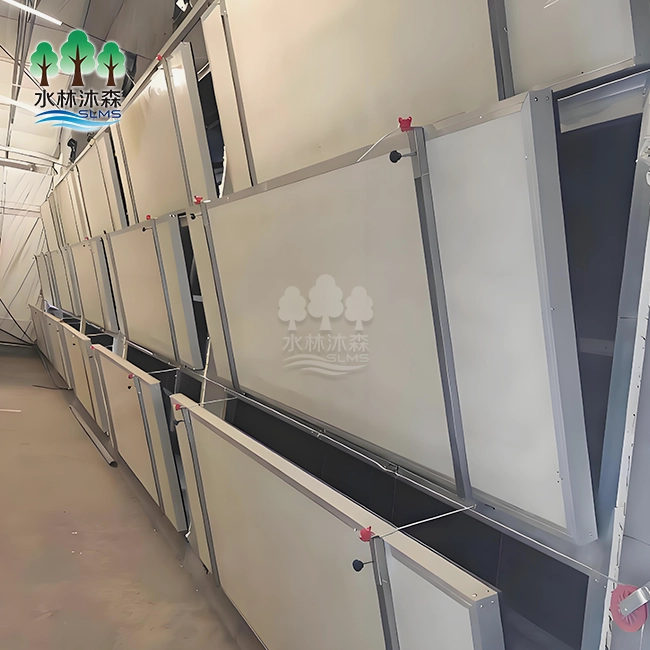
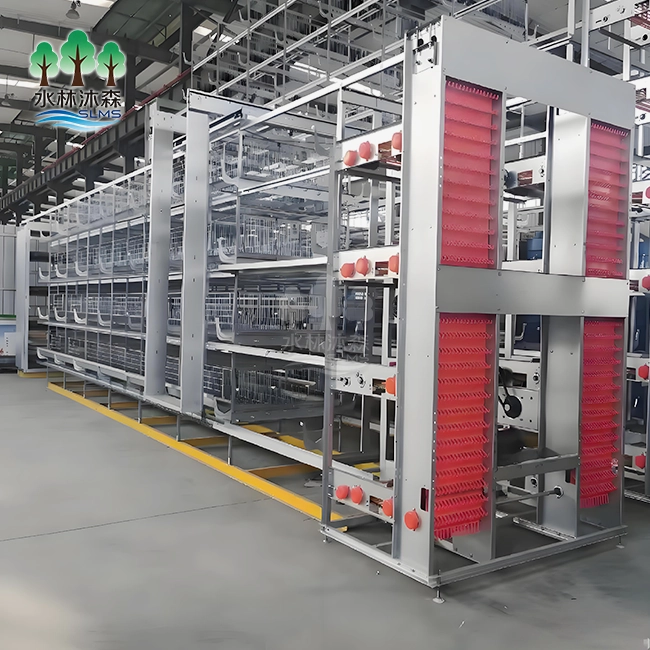
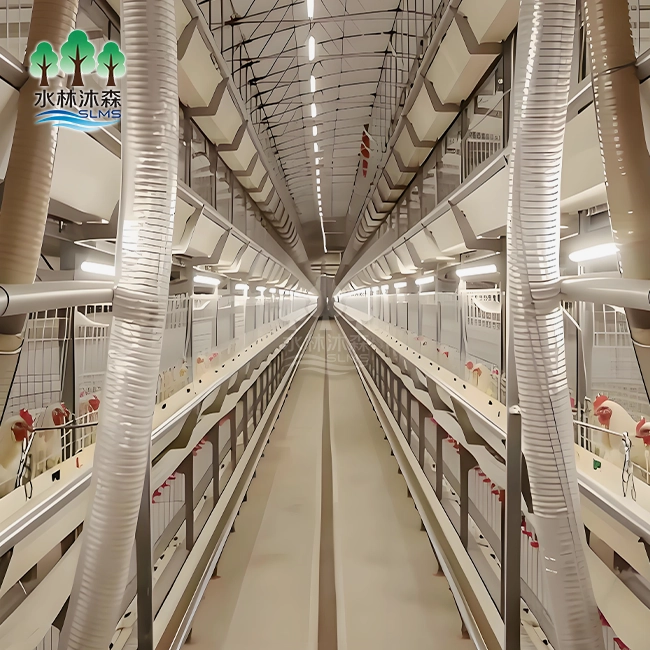
Modern poultry cage equipment represents a transformative shift in commercial egg production, combining vertical space optimization with comprehensive automation. At the forefront of this evolution stands the Eight-tier Layer Cage—an advanced H-frame system that maximizes stocking density up to 40KG/㎡ while integrating automated feeding, watering, and manure removal mechanisms.
These multi-level structures address critical operational challenges facing today's large-scale poultry farms: escalating land costs, labor shortages, and the demand for biosecurity standards that protect flock health. By stacking eight levels within a single footprint, modern cage systems deliver capacity increases of 300-400% compared to conventional housing, fundamentally changing how procurement managers approach facility planning and ROI calculations.


Understanding Modern Poultry Cage Equipment: Core Features and Benefits
Over the past ten years, there have been huge improvements in the technology used to house chickens. The old floor systems and low-level battery cages have been replaced by more advanced vertical housing solutions made for busy production areas. The main goals of modern cage tools are to maximise production per square meter, minimise the amount of work that needs to be done, and keep birds healthy by controlling their surroundings.
Material Quality and Structural Durability
Good cage systems use Q235 bridge steel wire that has been hot-dip galvanised with more than 275g/m² of zinc coating. This standard makes sure that the product can stand up to the harsh, ammonia-filled air that is common in large poultry farms. The galvanisation method makes tools last longer than 15 years, while cold-galvanized options only last 3 to 5 years.
The strength of the structure is very important—each level has to be able to support a total weight load while keeping the mesh tension at a level that keeps birds from getting hurt. Welded joints are put through strict tensile strength tests to make sure they can withstand forces greater than 350N without coming apart. This is very important when automated systems are vibrating continuously during production cycles.
Automation Integration for Labor Efficiency
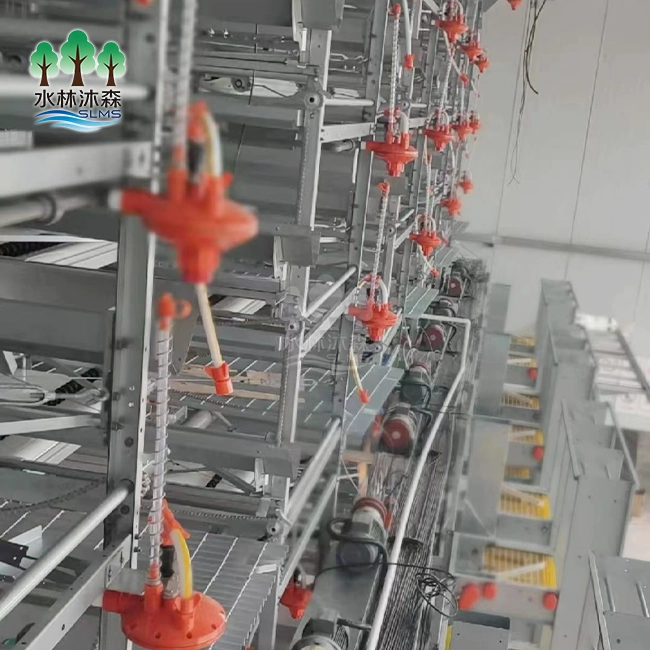
These days, cage equipment is more like integrated automation platforms than simple housing units. Automated feeding systems use chain or auger devices that are timed to feeding schedules to give exact amounts of food. Nipple drinking systems make sure that people always have access to water and stop spills that can make the air more wet and raise the risk of disease.
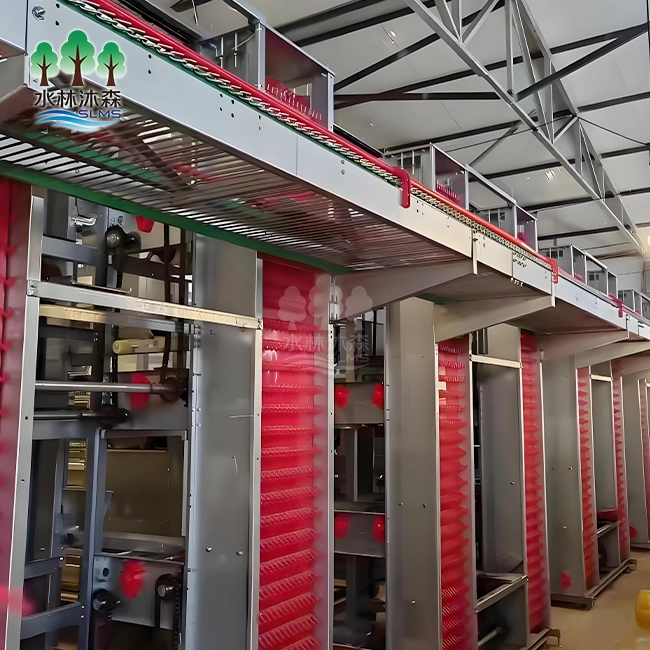
The part that removes the dung uses moving tracks under each level to physically separate the birds from the waste. This design feature cuts birds' exposure to ammonia by 60–70% and greatly reduces the risk of respiratory diseases. Farms that fully automate their operations say that their labour costs have gone down by more than 40%, and now a single worker can manage groups of more than 50,000 birds.
Space Optimization and Production Density
Vertical cage systems change the economics of chicken production in a big way by separating building size from capacity. Multi-tier configurations let operators house much bigger flocks in current buildings or reach their goal capacity with smaller climate-controlled buildings. Because there are more birds in a space, it costs less to heat, cool, and light each one. The design solves the problem of land shortage, which is especially bad in places where real estate is very expensive. It makes it possible to run profitable businesses in places where normal methods would not work.
In-Depth Look at Eight-Tier Layer Cage Design and Specifications
There is a wide range in the level of engineering sophistication and production capacity of multi-tier cage systems. When procurement teams know about technical specifications, they can accurately evaluate offerings and match the capabilities of equipment to operational needs.
Dimensional Standards and Capacity Calculations
Individual cells in standard cage units are 45 cm x 45 cm and measure about 1950 mm in length. With an Eight-tier Layer Cage design, there are 40 kg/㎡ of birds in each cell, which can hold three to four birds based on the breed's size. Each full unit can hold between 288 and 384 birds, so a 10,000-square-meter building can hold more than 100,000 layers. The 10-degree slope at the bottom makes it easier for eggs to roll gently into collection troughs. This lowers the rate of breakage to less than 2%, compared to 5–8% in flat-bottom designs. These measurements show careful biological engineering that strikes a balance between bird comfort, the ease of handling eggs, and the safety of the structure.
Corrosion Resistance and Environmental Performance
The choice of materials has a direct effect on the long-term costs of operations and upkeep. Hot-dip galvanised steel frames can withstand the chemical attacks of cleaning products and soil acids, so they stay structurally sound for 15 to 20 years. Specifications for parts include galvanised iron wire that doesn't rust for the cage mesh and frames, stainless steel fasteners at high-stress areas, and powder-coated surfaces on the food equipment. The design of the ventilation system also affects how well the environment works. For example, Eight-tier Layer Cage systems need negative pressure ventilation with air speeds of 3.5–4.0 m/s to keep the temperature difference between the top and bottom tiers below 2°C.
Automation System Components and Integration
The main thing that sets modern cage equipment apart from traditional living is completely automated operation. System for feeding uses dishes or tube feeders that are driven by chains and spread food evenly across all levels on set times. Nipple drinker lines with individual valves at each cell position are used to deliver water. These lines are pressure-regulated to make sure that water is always available and to stop leaks.
For manure management, deviation-correction rollers run on smooth polypropylene tracks that move waste automatically to collection points outside the living area. Gently inclined designs in egg collection systems move eggs to central gathering stations, where they can be graded and packed automatically. Centralised controllers make these combined systems work, and workers can check on and change settings from afar.
Comparative Analysis: Eight-Tier Layer Cage Versus Other Poultry Housing Systems
Comparing different housing systems objectively can help with purchasing choices. Depending on the size of the business, the goals of automation, and local laws, each method has its own benefits.
Structural Comparison with Three-Tier and A-Frame Systems
The standard in many markets is three-tier layer cages, which have been shown to work well and can be moderately automated. Even though these systems take up little room, they can still be inspected and fixed by hand from the ground. A-frame configurations offer similar advantages, but they can't be used at four levels because of issues with structural movement and managing manure.
While Eight-tier Layer Cage systems have a lot more space, they require complex engineering solutions. Heavy loads are supported by the H-frame structure's strengthened vertical beams, which are set up to line up with the building's foundations. For point loads, you need 30–50 cm deep concrete supports with strengthened channelling to keep the ground from sinking, which would jam belt systems. The operational trade-off is a bigger starting investment for a lot more capability and efficiency in the long run.
Production Efficiency and Welfare Considerations
Choosing a housing system affects more than just the number of birds that can live in it. Cage systems usually have better feed conversion rates than floor systems because they keep animals from moving around too much and waste feed. Automated removal of waste keeps places cleaner, which lowers the risk of sickness and the cost of medicine. Instead of touching the floor, which can make the eggs more contaminated, they should be put right away into padded troughs.
Modern cage designs include features that are good for the birds' wellbeing, like enough head space to let them stand naturally, enough food and water access points to keep them from getting stressed out by competition, and gentle slopes that let them do their natural things while also making it easier to collect their eggs. These design elements allow production rates to go above 95% while still meeting acceptable standards for welfare.
Material Durability: Metal Versus Alternative Components
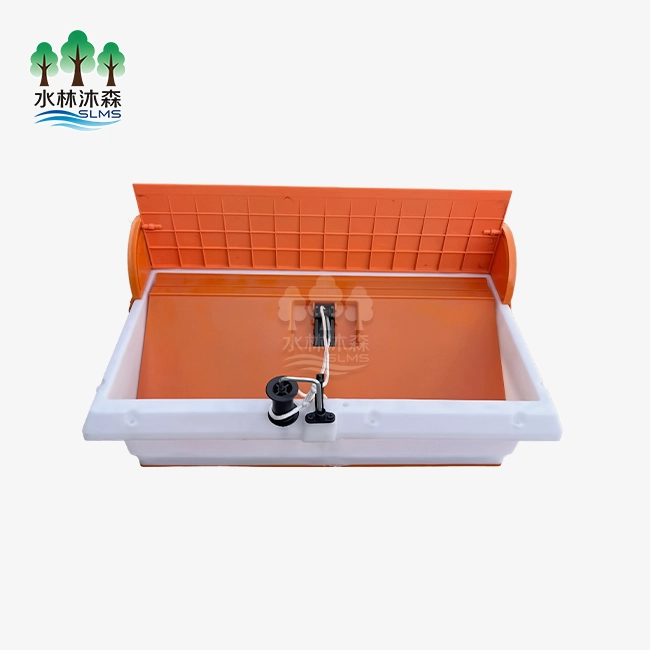
How long an item lasts and how much it costs to replace are affected by the materials used to make it. Using galvanised steel to make metal structures gives them unmatched longevity and load-bearing capacity, which is important for buildings with more than one level. Plastic parts are used in drinking systems and egg collection parts because they are lightweight and don't react with chemicals.
When comparing longevity, metal is better for major structural elements. Steel that has been properly handled can last for 15-20 years, while plastic parts usually need to be replaced every 5–8 years because they break down in UV light and wear out mechanically. When purchasing metal cage systems, teams should use non-destructive tests to check the thickness of the zinc coating and make sure that the weld quality standards are correct.
Procurement Insights: How to Choose and Buy the Right Eight-Tier Layer Cage
To buy equipment successfully, you need to carefully consider your business's needs, the supplier's abilities, and the overall cost of ownership. The buying process for complicated cage systems usually takes three to six months, from the first specification to the commissioning of the installation.
Matching Equipment Specifications to Operational Requirements
The first step in choosing a cage system is to plan its capacity, taking into account both the current flock size and any expected growth. Facilities that house 20,000 to 50,000 birds usually have more than one row of cages, with feed stored centrally and distributed automatically. Larger businesses with more than 100,000 birds need organised plans that make the whole process easier, from delivering food to packaging eggs.
The climate affects the requirements for ventilation systems. For example, places with high temperatures need better insulation and stronger environmental controls to keep the temperature ranges small enough for Eight-tier Layer Cage systems. The amount of automation is another important specification factor. Basic systems include automatic watering and feeding, but the eggs are collected by hand. Fully integrated solutions include robotic egg collection, automatic lighting controls, and data analytics platforms that keep track of how well each row is doing.
Evaluating Supplier Credentials and Support Capabilities
Supplier evaluation includes more than just the price of the tools; it also looks at the supplier's professional knowledge and service infrastructure. Reputable companies have dedicated research and development (R&D) teams. Companies with five or more engineers working on three or more new products a year show they are committed to technological progress. Quality controls in manufacturing should include testing of raw materials, inspections of work-in-progress, and load testing of finished products that mimics full operational stresses.
Support after the sale is very important for long-term happiness. Full warranties that last for a year cover any problems with the way the product was made, and technical support that includes installation videos, remote troubleshooting, and on-site service makes sure that any problems are fixed quickly. Teams in charge of buying things should make sure that the seller has experience with installations of similar sizes and ask for customer examples from farming operations that are similar.
Customization Options and Installation Logistics
There are many uses for standard cage configurations, but customisation can be done to fit the needs of a specific facility or operation. Customised solution providers can change the distance between tiers, change the size of cells to fit different breeds, connect to current feed systems, or add special ways to collect eggs. Customisation options show how skilled the engineers are and how flexible the manufacturing process is. For installations to go smoothly, the seller, the general builder, and the farm management need to work together very closely.
The equipment comes in separate modules that need to be put together by trained workers. Expert installation services make sure that everything is lined up correctly, that the structure is securely anchored, and that the machinery is set up correctly. On-site installation usually takes two to four weeks for buildings that hold 50,000 birds, and all systems are tested while they are loaded before the flock is put in place.
Maintenance, Lifespan, and Maximizing ROI from Eight-Tier Layer Cages
Maintenance protocols and operational management practices have a big impact on how long equipment lasts and how much money it makes. When cage systems are well taken care of, they can produce goods that are useful for 15 to 20 years, giving investors a good return on their large initial investments.
Routine Maintenance Protocols and Corrosion Prevention
Schedules for preventive maintenance should cover mechanical systems, structural elements, and automation parts. Every day, checks are made to make sure the waste belt is working, the water system isn't leaking, and the feed is being distributed evenly. Every week, maintenance tasks include clearing out mineral buildup from the nipple drinker lines, checking for cracks in the egg collection troughs, and making sure the ventilation fan works properly.
Chain drive systems need to be oiled once a month, structural welds need to be checked for stress cracks, and automation sensors need to be calibrated. To stop corrosion, you need to clean up dust and organic matter that has built up every six months, put protective coatings on metal areas that are visible, and replace any galvanisation that is damaged. These protocols make Eight-tier Layer Cage equipment last longer and stop expensive repairs from happening in the middle of production.
Performance Optimization and Energy Efficiency
Through lower input costs and better production metrics, operational efficiency has a direct effect on profitability. Ventilation systems use about 60 to 70 percent of a building's power, so energy management focuses on them. Temperature and humidity sensors control variable-speed fans that move air around while using as little power as possible.
Lighting programs that use LED fixtures use 40–50% less energy than traditional systems and provide spectrum control that helps eggs grow at their best. Feed management methods that exactly measure rations get rid of waste that can cost between 3 and 5 percent of the total cost of feed. Automation systems that use data analytics can find differences in performance between cage rows. This lets focused interventions keep production levels the same across the whole building.
ROI Calculations and Payback Period Analysis
Eight-tier Layer Cage systems have higher investment returns because they have more space, use less labour, and run more smoothly. Complete setups cost between 40 and 60% more than regular three-tier systems because they are more automated and have stronger frames. Operational analysis usually shows that operations with 50,000 birds can cut their annual labour costs by $80,000 to $120,000 by hiring fewer people.
Five to eight percent more money is made because fewer animals die, diseases happen less often, and the eggs are better quality. These factors, along with the lower land costs that come from more dense development, give payback times of 2.5 to 3.5 years. Facilities with production rates of 95% or more and good cost control get returns of more than 25% per year over the 15-year life of their equipment.
Conclusion
The economics of large-scale egg production are reshaped by modern poultry cage equipment, particularly advanced Eight-tier Layer Cage systems. These high-tech platforms combine vertical space optimisation with full automation, which makes it possible to increase capacity, save labour, and improve biosecurity in ways that aren't possible with regular housing.
To make implementation work, you need to pay close attention to choosing the right supplier, installing it correctly, and following strict maintenance rules. The detailed technical specs in this study give procurement teams a way to evaluate equipment and make sure it meets practical needs. As land prices rise and job openings narrow, multi-tier automated cage systems will become a bigger part of industrial poultry production's economic edge.
FAQ
What are the standard dimensions for Eight-tier Layer Cage systems?
Each standard unit is about 1950 mm long, and each cell is 45 cm x 45 cm x 45 cm per unit. The whole Eight-tier Layer Cage building can hold up to 40 kg/㎡ of birds, with three to four birds in each cell, depending on the breed. Each full cage unit can hold between 288 and 384 layers, and the 10-degree slope at the bottom makes it easy for eggs to roll automatically into collection troughs.
How does automation improve productivity in modern cage systems?
Automated systems for feeding, watering, and getting rid of manure cut down on work by more than 40% while also making the group healthier. Accurate feeding gets rid of waste, automatic watering keeps things clean, and constant removal of manure cuts ammonia exposure by 60–70%. With these improvements, production rates can go above 95% with very little staff—typically one expert for every 50,000 or more birds.
What warranty and technical support should buyers expect?
Suppliers with a good reputation offer warranties that cover manufacturing flaws and structural integrity for at least 12 months. Full support includes training guides, help with fixing problems remotely, and services for setting up the system on-site. Good makers have skilled engineering teams that can tailor solutions to specific needs and offer ongoing technical support for the life of the equipment.
Partner with Shuilin Musen Aquaculture Equipment Co., Ltd. for Advanced Eight-tier Layer Cage Solutions
As a reliable Eight-tier Layer Cage manufacturer serving intensive poultry operations across North America, Weifang Shuilin Musen Aquaculture Equipment Co., Ltd. offers proven expertise. Our engineering team has created complete cage systems that are made of hot-dip galvanised steel and fully automated components. This is equipment that was made to work in tough commercial settings. We help purchase teams with the whole buying process, from planning the initial capacity to skilled installation and training of operators on-site.
Our promise includes a 12-month warranty, a lot of technical information with installation videos, and quick support for any questions you have about how to use the product. Because we can customise our solutions, they will perfectly fit the needs of your building and your output goals. You can talk to our technical team at wangshuaislms@gmail.com about your unique wants and ask for more information. Visit slms-equipment.com to see the full range of products we offer and learn how our Eight-tier Layer Cage systems can increase output and revenue in your business.
References
1. American Society of Agricultural and Biological Engineers. (2020). Design and Construction Standards for Ventilation Systems in Livestock Housing Facilities. ASABE Publication Series.
2. Henderson, R.J., & Patterson, P.H. (2018). Multi-Tier Cage Systems: Engineering Specifications and Production Performance Analysis. Poultry Science Journal, 97(4), 1342-1358.
3. National Poultry Technology Center. (2021). Comparative Housing Systems for Commercial Layer Production: Technical and Economic Assessment. Auburn University Agricultural Research Station.
4. Roberts, M.D., & Williams, K.T. (2019). Automation in Intensive Poultry Production: Equipment Integration and Labor Efficiency Outcomes. Journal of Applied Poultry Research, 28(2), 445-462.
5. Thompson, B.L., Chen, Y., & Morrison, D.S. (2022). Material Durability and Corrosion Resistance in Poultry Housing Equipment: Long-term Performance Studies. Agricultural Engineering International: CIGR Journal, 24(1), 89-104.
6. United States Poultry & Egg Association. (2021). Industry Economic Analysis: Capital Investment and Return on Investment in Modern Layer Housing Systems. USPOULTRY Research Report Series.
Learn about our latest products and discounts through SMS or email