What is the difference between cage-free and layer cage systems
The main difference between cage-free and layer cage systems is the number of living units, how well they work, and how much they can be automated. Cage-free systems let hens move around easily in barns, which appeals to markets that care about animal welfare but takes a lot more floor room and work. Layer cage systems, especially more sophisticated models like the Eight-tier Layer Cage, stack birds vertically on galvanised steel frames with automated food, drinking, and manure removal. This design increases output per square metre while lowering labour costs by more than 40%. It is therefore the best choice for large-scale business operations that put ROI and hygiene first.


Introduction
Choosing the right living method for chickens is one of the most important decisions that modern egg farms have to make. It has a direct effect on how much labour is needed, how well the animals are cared for, and how much money you make in the long run. As the demand for eggs around the world keeps going up and rules change, procurement experts have to find a balance between operational scalability, animal care, and the need to make capital investments.
This detailed guide looks at the main differences between cage-free and layer cage systems, focusing on the more advanced multi-tier setups that are changing the way commercial chicken farming is done. We look at how improvements in vertical housing design, integrating automation, and materials engineering have helped farms reach production rates that have never been seen before while still meeting hygiene standards. Understanding these differences in systems will help you make strategic choices that will affect your farm's ability to compete for the next 15 to 20 years, whether you are in charge of a current business that wants to grow or a new building project that needs equipment.
Understanding Poultry Housing Systems: Cage-Free vs Layer Cages
Defining Cage-Free Systems
In cage-free living, laying hens can easily move around inside barns that are enclosed and usually have nest boxes, perches, and litter boxes. Birds can do natural things like dust washing and spreading their wings, which appeals to people who care about animal welfare. Most of the time, these systems store 1 to 1.5 square feet of space per bird in the US, but this can change depending on the licensing standards.
Layer Cage System Fundamentals
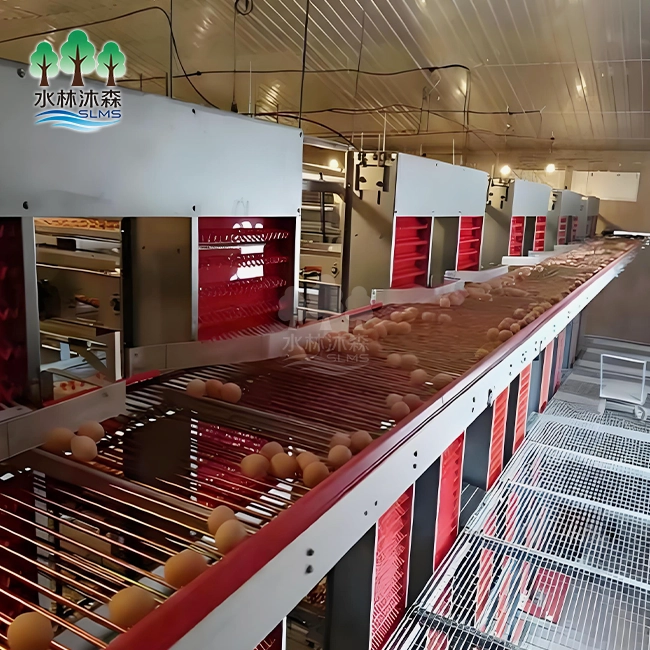
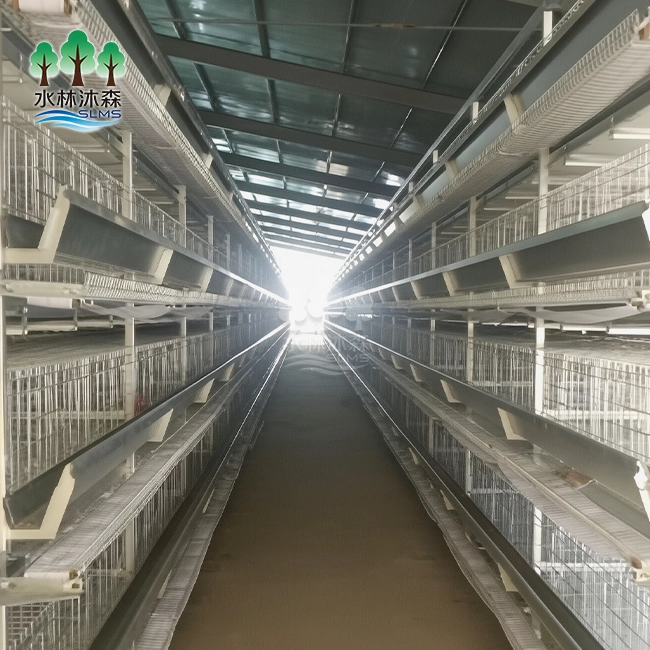
Layer cage systems keep hens in organised wire pens that can have one or more levels. Modern setups have automatic food lines, nipple drinkers, and manure removal systems that use moving belts. The floors of the cages are sloped so that eggs roll into collection holes. This keeps the eggs from breaking and spreading germs. Vertical stacking greatly raises the number of birds that can be kept in a given square foot of space, and this efficiency is taken to its extreme with the Eight-tier Layer Cage, which maximizes bird density while maintaining automated management. More advanced methods can reach stocking densities of 40 kg/㎡.
Key Operational Differences
The main difference between these methods is how they use space. A barn without cages needs about 30,000 to 45,000 square feet to hold 30,000 birds, while an 8,000 to 12,000 square foot multi-tier cage system can do the same. This compression changes both the cost of building and the cost of controlling the temperature, since smaller enclosed areas need less energy to heat and cool.
Differences in feed efficiency can be measured between methods. Birds that live in cages use less energy to move around, so they can turn food into eggs more quickly. Hens that are not kept in cages usually eat 5 to 8 percent more food every day while laying the same number of eggs. There are also different measures of egg quality. Cage systems say they have lower floor eggs and less shell contamination, while cage-free operations stress the health and moral benefits of their products, which can lead to higher prices in some markets.
Deep Dive into Eight-Tier Layer Cage Systems
Advanced Structural Engineering
From standard three- or four-tier setups to eight-tier systems, engineers had to come up with a lot of new ideas. These buildings use H-type frames made from Q235 bridge-grade steel that has been hot-dip galvanised with a zinc covering that is thicker than 275g/㎡ to protect against corrosion in places with a lot of ammonia. The vertical stacking adds about 3.6 meters of useful height to normal chicken coops. Each level is carefully designed to handle the weight of birds, the weight of equipment, and the vibrations from automatic systems.
After more than 15 years of constant use, the galvanised iron wire design hasn't broken down. There are 450 cm of height, 45 cm of width, and 10 degrees of sloped mesh flooring in each of the cage units' separate sections. This angle makes sure that the eggs roll gently into the collection tubes, which lowers the number of broken eggs to less than 0.5% compared to 2 to 3% in systems that are collected by hand.
Integrated Automation Features
These days, multi-tier cage systems are more like whole production environments than just living structures. Eight-tier Layer Cage systems, in particular, exemplify this shift by maximizing space efficiency while integrating advanced automation. Automated feeding systems send exactly measured rations along the length of each tier using chain or auger systems. This gets rid of the need for human feeding and makes sure that the animals get the same nutrition. Nips drinking systems with pressure controls give animals constant access to water, and the ability to track how much they drink lets managers know if there are blockages or health problems that are affecting their ability to stay hydrated.
Automating manure management solves one of the hardest problems in dense chicken farming. Each level has a belt-based removal system that moves waste to collection spots. This keeps it from piling up and drastically lowers the amount of ammonia in the air. Keeping birds away from waste this way lowers the risk of lung diseases and improves the health of the flock as a whole compared to deep-pit systems where manure builds up for weeks.
Environmental Control Considerations
Keeping track of microclimates on eight different levels needs complex air design. Without proper airflow engineering, the temperature difference between the top and lower floors can get as high as 3 to 4 degrees Celsius. Negative pressure tunnel ventilation systems with carefully placed inlets and deflector plates send cool air to the upper levels, keeping the temperature even throughout the building. This uniformity in the climate has a direct effect on feed conversion ratios and egg production rates, since birds that are stressed out by heat have lower egg production rates that can be measured.
Comparison and Decision-Making: Which System Fits Your Operation?
Scalability and Space Efficiency Analysis
Vertical cage systems offer the best flexibility for businesses that can't get enough land or can't afford to expand. When compared to single-tier options that take up the same amount of floor room, an eight-tier setup increases production capacity by 300 to 400%. This advantage of density becomes more useful in places where land prices for farming go up or where zoning laws limit the size of buildings. As the number of tiers goes up, the capital investment per bird housed goes down by a lot. However, this benefit needs investments in robotics and ventilation infrastructure to match.
Labor Economics and Automation Benefits
After feed, labour is the second most expensive thing that chicken farms have to pay for on a regular basis. With fully automated multi-tier cage systems, only one worker is needed for every 50,000 to 80,000 birds, mainly to keep an eye on things and fix problems. Daily tasks like collecting eggs, feeding, and managing manure can be done automatically, so workers can focus on keeping an eye on the health of the group and maintaining equipment.
When activities are cage-free, a lot more work needs to be done. Every day, they have to take care of the nest boxes, collect eggs from the floor, clean the litter, and manually distribute the group so that no one is crowded. According to figures from the industry, cage-free systems need 2.5 to 3 times as many hours of work to make 12 eggs as automated cage systems. This difference grows every year, which has a big effect on running profits over the lifecycles of equipment.
Return on Investment Calculations
When looking at these systems through the lens of return on investment (ROI), you have to compare the initial capital expenditure to the possible income and operational cost savings. Because they require more structural engineering work, computer integration, and more complex weather control, advanced Eight-tier Layer Cage systems usually cost 40 to 60 percent more up front. But the practical efficiency gains, especially the drop in labour costs of more than 40% and the better conversion of feed, usually pay for themselves in 2.5 to 3.5 years under normal production conditions with egg production rates above 95%.
In some areas, cage-free methods may be more expensive, with price differences of $0.50 to $1.50 per dozen. But these premiums have to be balanced out by higher running costs, more feed use, and higher death rates—8–12% per year compared to 4–6% in well-run cage businesses.
Procurement Guide for Eight-Tier Layer Cages
Supplier Evaluation Criteria
To find reliable equipment makers, you have to look at a lot of different competency factors. Technical R&D skills set makers who are constantly coming up with new ideas apart from those who are just copying current designs. Look for providers that have dedicated engineering teams, especially those with proven experience in integrating advanced housing systems like the Eight-tier Layer Cage, which demands precise automation and structural reliability. Companies with five or more professional engineers working on three or more new goods a year show that they are committed to making technology better. This ability to come up with new ideas makes sure that the specs of tools keep up with changing output needs and government rules.
Manufacturing quality control methods in manufacturing have a direct effect on how long equipment lasts and how well it works. Reputable makers use thorough testing methods that cover everything from checking the raw materials to checking the final assembly. Material specs are very important. Make sure that the cage wire and structure parts are made of real Q235 steel that has been hot-dip galvanised, not cheaper cold-galvanized versions that rust in three to five years.
Certification and Quality Standards
When buying things internationally, you need to pay attention to the approval standards. The USDA and state-specific building rules should be followed by equipment that is going to be used in the U.S. Material certificates that check the grades of steel, the thickness of the galvanisation, and the regularity of the coating give customers confidence in the service life claims that are made. Ask for written instructions on how to do the tests, such as checking the load-bearing ability and making sure the corrosion protection is good by using salt spray testing.
Customization Capabilities and Technical Support
Off-the-shelf designs are rarely used for large-scale installs. Your building's size, the amount of space you want, and the facilities you already have all mean that you need custom options. Check to see how customisable the manufacturer's options are. For example, can they change the spacing between the tiers, make the cages bigger or smaller for different breeds, or work with the feed and egg collection systems you already have? Engineering consulting firms can help you get the most out of the design of your system for your unique needs.
Technical support infrastructure is very important during startup and for as long as the system is in use. Manufacturers who offer installation guides, on-site installation services, and easy access to expert support make it easier to complete projects. Check the terms of the warranty. Reliable sellers will offer at least a one-year free guarantee with clear instructions on how to repair parts and fix technical problems. When repair needs to be done, having access to new parts through established distribution networks keeps downtime to a minimum.
Sustainability and Future Trends in Poultry Housing
Regulatory Evolution and Animal Welfare Standards
Concerns about animal care are changing the rules that apply to the U.S. poultry business. Several states have passed or are considering passing laws that set basic room requirements and housing standards. Since 2022, California's Proposition 12 has required a certain amount of space per bird and banned some types of bird enclosures. Similar rules have been put in place in Massachusetts and other similar places, creating a hodgepodge of state-level rules that affect trade between states.
These changes in regulations have a big effect on choices about what tools to buy. Conventional cage systems are allowed by federal standards right now, but forward-thinking businesses need to be aware that regulations could change over the next 15 to 20 years as equipment lifecycles. Regulatory risk can be reduced by investing in flexible systems or setups that meet tighter voluntary approval standards.
Technology Integration and Smart Farming
As new technologies come out, chicken coops are changing from passive infrastructure to smart work settings. Internet of Things sensors built into multi-tier cage systems constantly check the temperature, humidity, ammonia levels, and water use. This information is sent to management systems, which show practical information in real time and use predictive analytics to find problems before they affect production.
Automated monitoring reduces labor requirements while improving flock health outcomes. Systems that identify drops in water line pressure that mean nipple blockages instantly notify managers, keeping animals from becoming dehydrated. Tracking how much food you eat can help find health problems that affect your hunger before they show up as signs. Connectivity and data analytics are becoming normal features on commercial poultry tools, rather than add-ons that can be bought separately. This combination shows the direction of that trend.
Conclusion
Choosing between cage-free and layer cage methods has a big impact on how efficient your business is, how much labour it needs, and how much money it makes. Some people who care about animal safety will be interested in cage-free living, but it comes with a lot of extra costs. For large-scale business operations, multi-tier layer cage systems offer better production costs, especially advanced configurations like the Eight-tier Layer Cage, which use vertical space optimisation and full automation.
Buying good equipment from companies that have strong technical skills, good quality control, and a wide range of support services saves the investment of capital and guarantees operating stability over long service lives. Your choice should be in line with how the market is positioned, the rules that apply, the amount of cash that is available, and your long-term strategic goals.
FAQ
What factors should determine whether I choose cage-free or layer cage systems for my operation?
When making your choice, you should think about how to place your business in the market, how much labour costs in your area, and the size of your operations. Even though they cost more, operations that aim for high-end retail outlets that stress animal care may be able to afford cage-free systems. Large-scale makers who care about production efficiency and return on investment (ROI) often find that multi-tier cage systems with robotics cut labour costs by 40% or more while increasing production per square foot. Check the rules in your area to see if changing animal care standards could affect how long your equipment lasts.
Can eight-tier layer cage systems accommodate different breeds and operation scales?
Good makers let you make changes to fit different breeds and size needs. The length, width, and space between tiers of the Eight-tier Layer Cage can be changed to fit different birds and building restrictions. Systems can be used for operations with 10,000 birds or for sites with more than 200,000 birds thanks to their flexible design. Talk to makers that offer engineering advice about your unique needs to find the best configuration for your operating situation.
What maintenance protocols ensure durability and performance in multi-tier cage systems?
As part of regular maintenance, feeding and watering systems are visually checked every day, nipple drinkers are cleaned once a week, automated parts are oiled once a month, and the whole system is evaluated every three months. To keep manure from spilling, the tightness and position of the belt need to be adjusted from time to time. The hot-dip galvanised construction doesn't rust, but keeping the structure well ventilated to keep ammonia levels in check makes it last a lot longer. These methods are easier to use when manufacturers provide full maintenance documentation and easy-to-reach expert help.
Connect with Eight-Tier Layer Cage Manufacturers for Your Operation
Shuilin Musen Aquaculture Equipment Co., Ltd. is an expert at providing full layer cage options designed for large-scale heavy operations. Our Eight-tier Layer Cage systems are made of corrosion-resistant galvanised steel, have built-in technology that greatly reduces the amount of work that needs to be done by hand, and can be customised to fit the needs of your building.
We've been in the farm equipment business for eight years and have a team of five dedicated engineers working on new solutions. This means we can give your investment the technical know-how and high-quality making it needs. Our full range of services includes help with installation, expert advice, and a guarantee that lasts for one year. You can email our team at wangshuaislms@gmail.com or visit slms-equipment.com to talk about how our Eight-tier Layer Cage supply options can help your egg production business be more efficient and make more money.
References
1. Bell, D.D. and Weaver, W.D. (2002). Commercial Chicken Meat and Egg Production. Springer Science & Business Media.
2. Appleby, M.C., Mench, J.A., and Hughes, B.O. (2004). Poultry Behaviour and Welfare. CABI Publishing.
3. Xin, H., Berry, I.L., Barton, T.L., and Tabler, G.T. (1994). Feed and Water Consumption, Growth, and Mortality of Male Broilers. Poultry Science Journal, Vol. 73, Issue 5.
4. Cheng, H.W. and Muir, W.M. (2004). Chronic Social Stress Differentially Regulates Neuroendocrine Responses in Laying Hens. British Poultry Science, Vol. 45, Issue 2.
5. Shepherd, E.M. and Fairchild, B.D. (2010). Footpad Dermatitis in Poultry. Poultry Science Association Annual Meeting Proceedings.
6. Lay, D.C., Fulton, R.M., Hester, P.Y., Karcher, D.M., Kjaer, J.B., Mench, J.A., Mullens, B.A., Newberry, R.C., Nicol, C.J., O'Sullivan, N.P., and Porter, R.E. (2011). Hen Welfare in Different Housing Systems. Poultry Science Journal, Vol. 90, Issue 1.
Learn about our latest products and discounts through SMS or email