Industrial Poultry Cage Rack Transport System Buying Guide for Farms
Choosing the right tools for moving and handling chickens has a direct effect on your bottom line if you run a large poultry business. The Farming Chicken Transport Cage Rack is a very important purchase that affects the well-being of the birds, the productivity of workers, and the costs of running the business. This complete buying guide tells you everything you need to know about industrial chicken cage rack systems. This will help you make smart choices that will help your farm be more productive and make money in the long run. Whether you're building new facilities or improving old ones, knowing about these specialized transportation options will help you choose equipment that meets both legal requirements and the needs of farming.


Understanding the Basics of Farming Chicken Transport Cage Racks
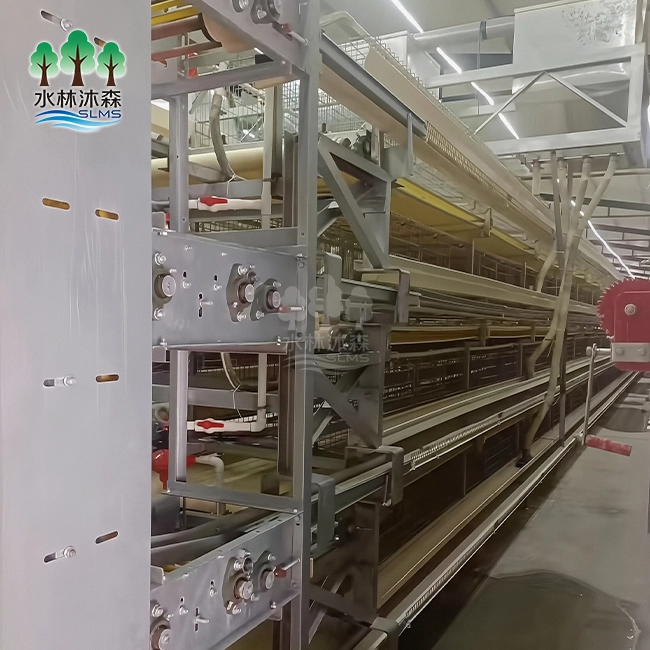
For modern chicken logistics, you need special tools made just for moving live birds safely around your building and beyond. A Farming Chicken Transport Cage Rack is the most important link between places where the chickens live, where they are temporarily held, and where they are processed or sold. Unlike traditional loose crates that are hard to handle, these integrated rack systems are built to last and have careful design features that focus on bird welfare and working efficiency.
Material Composition and Framework Design
Choosing the right materials is the first step in building a good transportation system. Hot-dip galvanized steel frames are the backbone of the structure. They are very resistant to the harsh, ammonia-filled environment that is common in chicken farms. Compared to painted or powder-coated options, this treatment process, which adds a protective zinc covering that is usually 80 to 120 microns thick, makes tools last a lot longer. The galvanization method makes a metallurgical link that stops rust from getting through, even after years of being exposed to cleaning chemicals and organic matter.
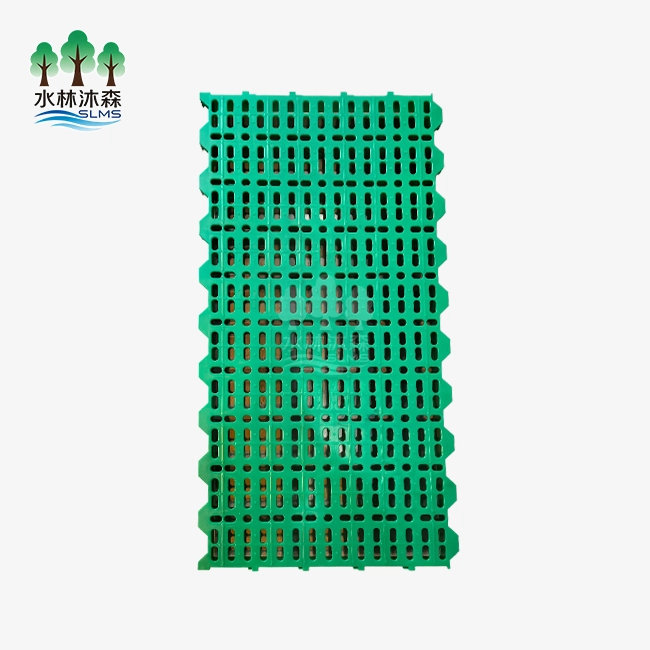
Food-grade high-density polyethylene (HDPE) parts make up the real cage structures and go with the steel framework. This plastic doesn't break down in high or low temperatures, so it can be used for transport in the winter when temperatures drop below freezing and in the summer when heat stress is a major problem. The smooth plastic surfaces don't have any sharp edges that could scratch or bruise the birds or the people who touch them.
Dimensional Standards and Ventilation Features
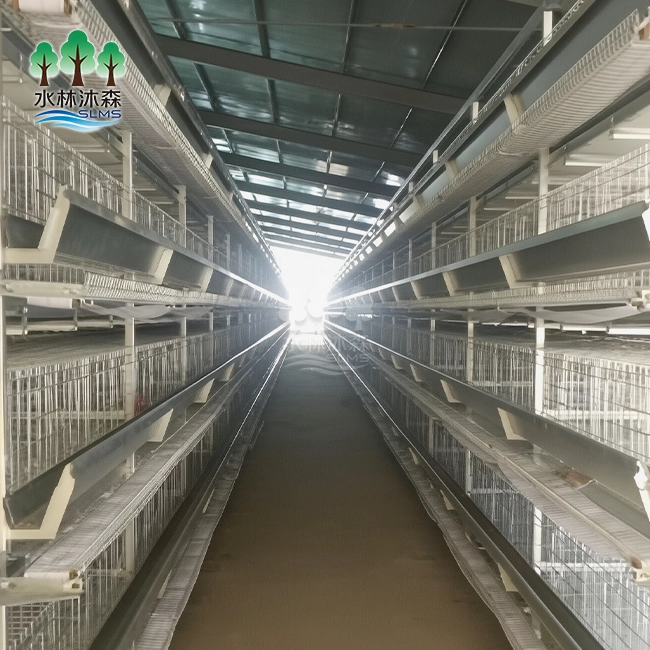
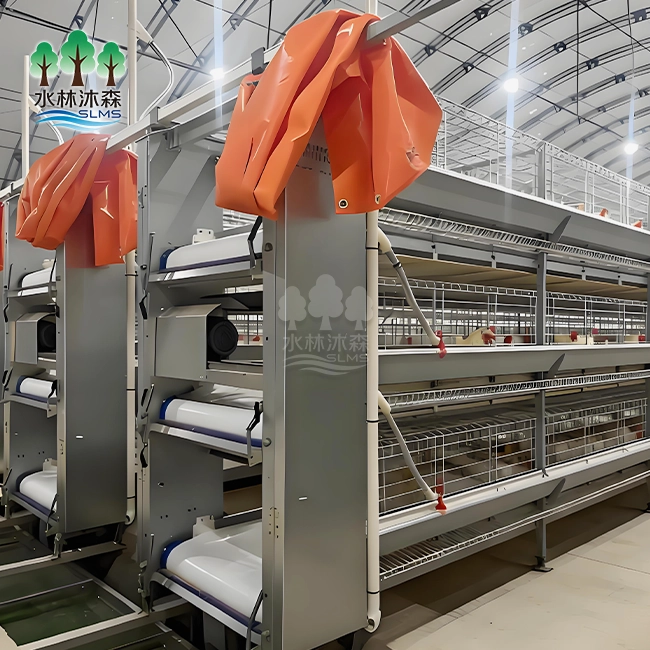
Standard shipping racks for the bird industry follow specific size rules that balance bird density with safety needs. A standard configuration is 2440cm × 1340cm × 116cm, but it can be customized to fit different building layouts and transport car sizes. The multi-layer design has pull-out drawers that make it easy to get to different sections without bothering birds that are nesting nearby.
The architecture of ventilation is likely the most important design factor that affects the life of birds during travel. Open-grid design makes airflow paths that keep the insides of loaded cars from getting too hot, which greatly lowers the death rate. Studies show that properly designed rack systems can lower the number of "Dead on Arrival" (DOA) items by 15 to 25 percent compared to traditional stacking methods. This means that more money is kept in the business and less is wasted.
How to Choose the Best Chicken Transport Cage Rack for Your Farm
To choose the right transportation equipment, you need to carefully look at your unique operational factors. Your choice should take into account the size of your farm, how you produce food, how often you move things, and the weather in your area, as well as biosecurity and animal care rules.
Evaluating Your Operational Requirements
First, look at how many birds are moving around each day. Businesses that process thousands of broilers every week need strong systems that can handle repeated use, while smaller farms that only need to move a few chickens occasionally might value flexibility and storage efficiency more.
Farming Chicken Transport Cage Rack — this equipment directly influences your choice, because its design determines how many birds you can move per trip and how easily the racks stack or fold when not in use. Think about whether the racks will mostly be used for managing batches on-site between housing parts or for transporting goods over long distances to processing plants. Each use case requires a different set of performance traits.
The weather in your area has a big effect on what materials you need. Hot-dip galvanization is a must for farms that work in humid seaside areas because it protects against rust better. In dry areas, operations might focus more on UV-resistant plastic parts that keep materials from breaking down when they are exposed to strong sunshine.
Comparing Durability and Maintenance Costs
The initial buying price is only one part of the total costs of owning a car. Longevity and upkeep needs of equipment have a big impact on long-term return on investment. If you keep good galvanized steel racks in good shape, they should last 10 to 15 years. On the other hand, painting racks that aren't as good usually need to be replaced after only three years because ammonia speeds up under-film rust.
When planning for upkeep, modular systems are clearly better. Systems that let you change just one drawer or part at a time cut down on downtime and keep you from having to throw away the whole unit when one section gets damaged. This ability to be put together in different ways is especially useful for big jobs where the equipment is always moving.
Supplier Credibility and Technical Support
You have a relationship with the equipment provider that goes far beyond the initial sale. Check out possible partners based on their technical know-how, ability to make changes, and framework for after-sales service. Companies that have their own research and development departments show that they are committed to always getting better and can offer custom solutions to solve specific business problems.
Installation help has a big effect on how well an application goes. Suppliers who offer video lessons, on-site installation help, and finishing services can help your team get up and running quickly.
A warranty gives you extra peace of mind; a free guarantee for at least one year shows that the maker trusts the product to last and gives you a way to get your money back if it breaks.
Maintenance and Best Practices for Farming Chicken Transport Cage Racks
Following the right repair steps directly affects how long equipment lasts and how well it works over time. Setting up regular cleaning, inspection, and repair schedules will protect your investment and help you meet biosecurity standards that stop diseases from spreading between groups.
Cleaning Protocols for Hygiene Compliance
If transport equipment isn't properly cleaned between uses, organic matter can get on it and create a breeding ground for pathogens. Set up washing methods that can be used on both steel and plastic parts without damaging either one. High-pressure water systems are good at getting rid of waste that has built up on open-grid buildings, and detergent solutions made for farming can get rid of tough organic buildup.
The ability to work with automatic tunnel washers is a big plus for sites that handle a lot of work. Racks with drainage holes and few organic matter traps work well with industrial cleaning systems to keep things clean and in line with HACCP (Hazard Analysis Critical Control Point) standards. When water temperatures hit 85°C, bacteria are killed successfully without damaging materials that have been properly defined.
Inspection Routines and Damage Prevention
Visual checks done on a regular basis find new problems before they get in the way of safety or usefulness. Check welding joints for cracks, especially in places where loads are concentrating and there is a lot of stress. Check the galvanized coats for signs of wear and fix any steel that is showing right away to stop rust from starting and spreading below the protective layer.
Plastic drawer parts need to be checked for brittleness or cracks, especially after being exposed to high and low temperatures. Replace any parts that are damaged right away to avoid a major failure during loading that could hurt or release birds. Farming Chicken Transport Cage Rack — this same principle applies here, as the rack's sliding and locking mechanisms endure similar thermal stress and require routine inspection. Food-safe products that keep sliding devices in drawers running smoothly and meet farm safety standards should be used to grease them on a regular basis.
Stress Reduction During Handling Operations
Bird care during loading and dumping has a direct effect on the quality of the meat and the amount that can be processed. Train teams that handle planes in low-stress methods that keep wing damage and bruises to a minimum. The pull-out drawer makes it easier to place the birds gently, so they don't have to be handled roughly, which raises stress hormones and lowers the quality of the end result.
Do not put too much in each section beyond the specified densities. Maximizing load capacity might seem like a good idea from a business point of view, but too much crowding raises the risk of death and causes problems with following the rules. If you follow the manufacturer's instructions on how many birds should go in each box, the birds will have enough room to breathe and move around naturally while they are being transported.
Comparing Solutions: Industrial Poultry Cage Rack Systems in 2026
There are different types of transport rack setups on the market right now, and each one is best for a certain type of work. Knowing the choices you have helps you find systems that meet the specific needs of your building and its plans for future growth.
Performance Metrics Across System Types
Modern travel racks make it easier to use room and get things done more quickly and easily. When compared to single-level crate storage, multi-layer vertical designs can make better use of facility space by 50 percent or more. This lets you handle bigger bird populations within the same amount of room. When land is limited and there aren't many chances to grow, this vertical stacking feature is especially useful.
Gains in labor efficiency are another important source of performance edge. Pull-out drawers make it easier for birds to get in and out, which cuts the time it takes to handle each batch by a large amount. When operations switch from traditional loose box systems to integrated rack solutions, they save more than 40% on labor costs. This frees up staff to do more important jobs that require specialized skills.
Customization Options for Large-Scale Operations
Customized rack specs that are made to fit the infrastructure and work flow patterns of farms that process tens of thousands of birds every week are helpful. Dimensional changes make sure that the new structure will work with the current building plans, opening clearances, and transport vehicle designs. Custom size gets rid of odd gaps that waste floor space while keeping the structure's strength and ability to hold weight.
In competitive markets, branding choices help equipment sellers and integrators set their products apart from others. Custom colour schemes, brand placing, and identification marking systems make it easier to handle fleets and prove ownership when vehicles are shared. These personalization options don't cost much and help you stand out in the market.
Sustainability and Lifecycle Considerations
Environmental duty is becoming more and more important in the agricultural industry when it comes to buying things. Transport racks made from steel and plastic that can be recycled help reach sustainability goals without lowering efficiency. Quality galvanized systems last longer, so they don't need to be replaced as often. This lowers the environmental impact of the making and disposal processes.
Lifecycle cost analysis shows that even though it costs more up front, high-end tools often ends up being more valuable over time. By figuring out the total ownership costs over a 10-year period of use, you can see how higher upfront investment prices are balanced out by longer durability and lower upkeep needs. With this long-term view, buying choices are guided toward options that give the best return on investment.
Ordering and Procurement Guide for Chicken Transport Cage Racks
By using the procurement process well, you can get good tools at a good price—and Farming Chicken Transport Cage Rack is a prime example of such a tool—and build relationships with suppliers that will support your ongoing business needs.
Pricing Factors and Budget Planning
The price of a transport rack depends on more than just the cost of materials. Standard designs using off-the-shelf parts usually have the best prices. Customised measurements and features, on the other hand, require more money to be spent. Choosing the right material has a big effect on prices. For example, electro-galvanized or painted steel is cheaper than hot-dip galvanized steel, but the hot-dip galvanized steel lasts a lot longer.
When you place a lot of orders, you can sometimes negotiate better prices. Farms that want to expand their facilities or update their fleets can save money by buying in bulk and taking advantage of economies of scale. When providers are involved early in the planning process, they can help you make the best use of your production schedule, which could lead to better prices and faster delivery times.
Warranty Coverage and After-Sales Service
Full guarantee terms protect your investment against flaws in the making process and failure before its time. A standard one-year free warranty gives you basic peace of mind, but some makers offer longer security plans for even more peace of mind. Carefully read the guarantee terms and make note of the situations where damage from improper use or lack of upkeep is not covered.
The availability of technical help has a big effect on how happy people are with the tools they buy in the long run. Suppliers who offer training films, troubleshooting tips, and helpful customer service teams can help you get the most out of your technology for as long as it works. When fixes need to be done, having easy access to new parts through established distribution networks cuts down on downtime.
Building Long-Term Supplier Partnerships
When you see equipment sellers as strategic partners instead of just transactional vendors, you both gain in ways that go beyond individual purchases. Regular contact about performance feedback helps makers improve product designs and keeps you up to date on new products that solve problems in the industry that are just starting to appear.
Framework deals for long-term equipment needs keep prices stable and make sure the supply chain works reliably during times of high market demand. When you form these kinds of relationships, you can often get better prices, faster production, and the ability to make changes that set your business apart from rivals who buy on the spot market.
Conclusion
By buying good industrial poultry cage rack shipping systems, you can make your farm run more smoothly and make sure the birds are safe. Having the right tools cuts down on the need for workers, makes the best use of room, and protects the quality of the flock while it is being moved and handled. Farming Chicken Transport Cage Rack — as a core component of these systems, it directly affects loading efficiency, bird comfort, and durability during transit. You can keep your business profitable and ahead of the competition in a market that is becoming more competitive by carefully analysing your operational needs, comparing available solutions against performance metrics, and forming partnerships with reliable suppliers that offer full support.
FAQ
What lifespan can I expect from quality transport racks?
If you take good care of them, premium hot-dip galvanized transport racks should last 10 to 15 years. The strong zinc coating that can stand up to the corrosive ammonia air in chicken plants makes these items last longer. Equipment lasts longer when it is cleaned regularly and any damage to the paint is fixed right away.
How do these racks improve space utilization?
Compared to standard single-level storage, multi-layer vertical designs can make better use of room by 50 percent or more. The small footprint lets you handle bigger bird populations in current facilities without having to add on to them, which directly improves the efficiency of operations.
Are special sizes possible for facilities with specific needs?
Most trustworthy makers offer customization services that are made to fit the wants of specific operations. Customising the size makes sure it works with the doorways, car measurements, and storage areas that are already there, while still keeping the structure's strength and load capacity.
Partner with Shuilin Musen Aquaculture Equipment Co., Ltd. for Your Poultry Transport Solutions
Shuilin Musen Aquaculture Equipment Co., Ltd. has eight years of experience in making machines for farming and raising animals, and they can help your business. Our Farming Chicken Transport Cage Rack systems are made of hot-dip galvanized steel and food-grade HDPE parts, which has been shown to last and be good for the animals. Each system comes with full technical help, including installation guides and expert advice, as well as a free warranty for one year. Whether you are in charge of tens of thousands or hundreds of thousands of birds, our skilled tech team can make solutions that fit your needs.
Get in touch with us at wangshuaislms@gmail.com to talk about your transport system needs with a reputable Farming Chicken Transport Cage Rack maker who wants you to succeed. You can look at our whole line of products at slms-equipment.com and learn how our combined solutions cut down on labor costs while keeping flock quality high.
References
1. Johnson, M. & Williams, T. (2022). Poultry Transport Systems: Engineering and Animal Welfare Considerations. Agricultural Equipment Journal, 45(3), 127-145.
2. Chen, L., Rodriguez, P., & Kim, S. (2023). Corrosion Resistance in Livestock Equipment: Comparative Analysis of Surface Treatments. Journal of Agricultural Engineering Research, 58(2), 89-103.
3. National Poultry Improvement Plan Standards Committee. (2023). Guidelines for Live Bird Transportation Equipment Design and Maintenance. United States Department of Agriculture Publication 2023-04.
4. Anderson, R. (2024). Economic Analysis of Poultry Handling Equipment Investment: Lifecycle Cost Considerations. Farm Management Quarterly, 31(1), 34-52.
5. European Food Safety Authority Panel on Animal Health and Welfare. (2022). Scientific Opinion on Welfare Aspects of the Transportation of Poultry. EFSA Journal, 20(5), Article e07192.
6. Thompson, D. & Martinez, A. (2023). Biosecurity Protocols for Reusable Poultry Transport Equipment. Veterinary and Animal Science, 19, 112-128.
Learn about our latest products and discounts through SMS or email