Why Poultry Farms Need Advanced Manure Conveying Systems
Modern chicken farms are under more and more pressure to be more efficient while also following stricter environmental rules. A Chicken Farm Automatic Manure Handling System solves these problems by automating tasks that used to be done by hand to get rid of waste. These high-tech systems use scraper mechanisms and conveyor belts to move dung constantly from living areas to marked collection spots. This greatly reduces the buildup of ammonia and the exposure of pathogens. Farms that take care of thousands to over 100,000 birds gain from less reliance on workers, better air quality, and following the rules for biosecurity and waste management in settings with a lot of livestock.


Challenges in Traditional Poultry Manure Handling
Labor-Intensive Operations and Safety Risks
Getting rid of manure by hand is very hard on farm workers' bodies because they have to do the same things over and over again in places with high levels of ammonia and hydrogen sulphide. Moving big things puts workers at risk of lung damage and injuries to their muscles and bones. Wheelbarrows, shovels, and scraping by hand are common parts of traditional methods, but they are not very good at managing large-scale activities.
Higher change rates and higher labour costs are caused by the physical toll, especially as farms get bigger. Businesses that use old methods have a hard time keeping up with regular cleaning plans. This causes waste to build up in unpredictable ways that threaten the health of birds and workers.
Environmental Compliance and Pollution Concerns
Bad handling of manure leads to big problems with the environment. Methane and nitrous oxide are greenhouse gases that are released when trash builds up. These gases have a big impact on global warming. When manure is kept incorrectly, it can pollute groundwater and nearby bodies of water by adding nitrogen and phosphorus, which can lead to algal blooms and other problems with the environment.
Across North America, regulatory agencies have become stricter about following the Clean Water Act and state-level rules for managing waste. When farms use old-fashioned methods, they have to deal with rising compliance costs, possible fines, and damage to their reputations due to environmental violations that could have been avoided with technologies that remove waste in a planned way.
Hidden Operational Costs
Aside from the clear costs of labour, standard methods have other hidden costs that make businesses less profitable. Making-do cleaning tools that break down often means that they need to be fixed and replaced all the time. When manure removal plans aren't kept consistently, it builds up and needs to be cleaned out quickly, which interrupts production processes.
Birds that are exposed to high amounts of ammonia have less hunger and grow more slowly, which hurts feed conversion rates. Disease outbreaks caused by pathogen-filled litter cost a lot of money in vet bills, medicine, and maybe even group deaths. These reasons make farms less competitive, which makes them put off investments in modernisation.
How Advanced Automatic Manure Conveying Systems Work
Core Components and Integration
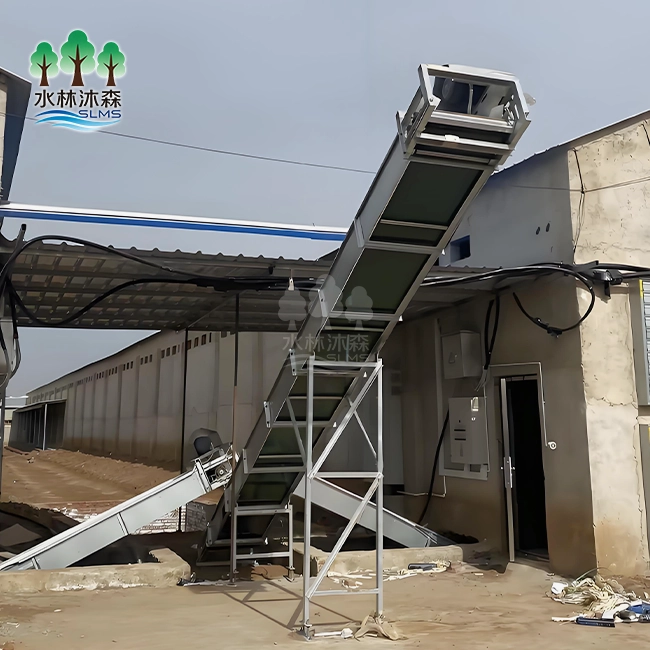
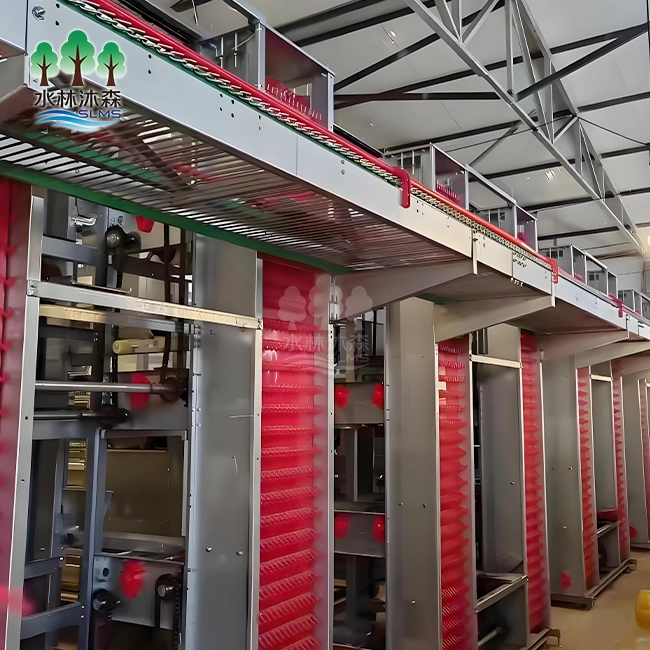
Automatic trash removal systems use mechanical conveyors and smart control systems that are made to work continuously in tough farming settings. Heavy-duty blades are pulled along marked paths by steel ropes or chains in the scraper cleaning system. This physically moves the trash that has built up toward collection zones. On the other hand, the conveyor belt cleaning system moves manure horizontally out of living structures using high-quality polyethylene or PVC belts that are placed under cage systems.
Both parts work perfectly with the H-frame and A-frame battery cage designs that are popular in current layer and broiler farms. The frame of the system is made of high-zinc coated steel or, if you choose, 304 stainless steel, which doesn't rust when exposed to the acidic waste from chickens. Copper motors keep the force constant over long periods of time, so the belt tension and scraper movement stay the same even when the motor is under full load.
Real-Time Monitoring and Control Systems
Modern equipment for moving manure has sensor networks that keep an eye on things like belt speed, motor temperature, and system orientation. Chicken Farm Automatic Manure Handling System integrates seamlessly with these sensors to ensure that manure transport remains consistent and hygienic. IoT-enabled control panels give operators a dashboard view of the state of their equipment, which lets repair teams know about possible problems before they happen. Automated tension adjustment systems stop belt variation, which is a common point of failure in older systems that stops operations.
Software-driven timing lets farms set up cleaning cycles that work with their production schedules. This way, birds aren't bothered too much during sensitive times like when they are laying eggs or eating. This smart technology cuts down on the need for constant human supervision while still making sure the system works at its best.
Maintenance Protocols and Service Life
System dependability over the long term is built on preventative upkeep. Belt strength is checked on a regular basis to look for tears or pulling that could cause the belt to break. Changing the gear oil in reduction motors keeps the drive parts from wearing out too quickly. Testing the thickness of galvanisation makes sure that protective coatings keep their ability to fight rust for the 8–12 years that the equipment is normally used.
Full maker support includes how-to videos, technical documents, and the ability to contact engineering staff for help with problems. A lot of companies offer on-site installation services to make sure everything is set up correctly. They also offer warranty terms that cover problems with the materials or the work. The operational risks are lower with these service models, and investments in automation systems are safe.
Benefits of Implementing Advanced Manure Handling Systems
Dramatic Labor Cost Reduction
Automatic trash removal gets rid of the need for cleaning teams, which cuts the amount of work that needs to be done by more than 60% compared to human methods. Farms re-allocate their workers' time and skills to more valuable tasks, like keeping an eye on the flock, fixing broken equipment, and increasing output. The constant, programmed operation of conveying systems takes the flexibility out of cleaning plans by removing the need for people to make changes.
This keeps waste from building up to levels that could harm birds or the cleanliness of the facility. It becomes possible for smaller businesses to increase production without hiring more workers, while big farms can take care of tens of thousands of birds with only a few cleaners. The money saved on labour usually gives a clear return on investment in 24 to 36 months, which makes automation a good financial choice even for medium-sized businesses.
Enhanced Biosecurity and Bird Welfare
Removing waste on time has a direct effect on disease protection by lowering the number of pathogens in living spaces. Quickly getting rid of trash reduces exposure to dangerous bacteria like E. coli and Salmonella that grow well in litter. Lower levels of ammonia protect the lungs of both birds and humans, which lowers the risk of chronic lung diseases that hurt growth rates and feed conversion efficiency.
Cleaner housing conditions help feather quality and lower behaviours tied to stress, which improves the general welfare of the flock. Better biosecurity rules help farms keep their organic certifications and meet the voluntary animal care standards that big chicken buyers and store chains are asking for more and more.
Environmental Sustainability and Regulatory Compliance
Through the use of air-drying processes built into automated systems, it is easier to make manure that is drier, with a moisture level of 40 to 50 percent. Making organic fertiliser from this dry waste is a good way to turn a problem with getting rid of garbage into a way to make money. Regularly getting rid of trash stops the anaerobic conditions that cause methane releases, which lowers the farm's carbon footprint.
Controlled collection systems stop waste and leaking, which fixes problems with water quality that make regulators look more closely. Chicken Farm Automatic Manure Handling System complements these collection measures by automating the removal and transfer of litter, further reducing spill risks and improving overall hygiene. Farms that use advanced manure handling show that they care about the environment and are willing to do what it takes to protect it. This can help them when they need to renew their permits or go through governmental checks, and it may also help them get sustainability benefits from agricultural development programs.
Choosing the Right Automatic Manure Handling System for Your Poultry Farm
Assessing Farm-Specific Requirements
The first step in choosing the right robotic technology is to look at how your business works. Broiler farms that need to turn over chickens quickly need strong systems that can handle large numbers of birds during short production times. Layer farms, on the other hand, need tools that can run continuously during long laying periods. The size of the facility directly affects the system requirements.
For example, the length of the barn determines the distances that a belt or scraper can run, and the width determines how many parallel conveyor lanes are needed. Depending on how the cage tiers are set up, either belt systems placed under each level or centralised cutter systems will work better. Growth forecasts are very important because modular systems let you add more housing or increase the number of birds without having to update all the equipment.
Evaluating System Compatibility and Customisation
Integration with current technology keeps installation from interrupting output and costing a lot of money to fix. The sizes of the equipment must match the widths of the aisles, the holes for the doors, and the locations of the trash cans. The electrical ability should be enough to handle motor loads without having to update the panel. When working with non-standard building plans or specialised living systems, the ability to customise becomes very important. Reliable makers offer custom solutions that can change the width of the belt, the length of the scraper, and the way the collection is set up to fit the needs of each farm. This allows for the best performance without having to make practical adjustments to fit standard equipment designs.
Comparing Supplier Reliability and Support Services
The quality control and after-sales help provided by the manufacturer have a big impact on how well equipment works in the long run. By looking at the tensile strength specs for belt materials, we can see how long they last under constant loads. Standards for galvanisation width show how long a frame will last in corrosive settings. Motor IP ratings prove that they guard against dust and water getting in, which is important for agricultural uses. In addition to looking at the product specs, you should also look at the track records of the suppliers by reading customer reviews and case study paperwork.
Manufacturers who offer long warranties, like ones that cover parts and labour for free for one year, show that they trust their products to be reliable. Chicken Farm Automatic Manure Handling System benefits directly from such warranties, as its motorized belts, sensors, and tensioners are precisely the components most likely to require service over time. Access to expert help, the availability of replacement parts, and quick response times when equipment breaks down are some of the things that set better suppliers apart from those who offer little or no post-purchase support. Farms do better when they work with equipment providers who are committed to long-term partnerships instead of one-time deals.
Real-World Cases and Future Outlook
Documented Performance Improvements
Large-scale layer farms that use automatic manure systems say that cleaning time is cut by 70% in the first output cycle. By automating trash removal in a standard way, grill integrators who manage multiple contract farms were able to make sure that biosecurity standards were the same everywhere. This stopped diseases from spreading between sites. One farm with 80,000 laying hens saw ammonia levels drop from 35 parts per million to less than 15 parts per million after the system was put in place. This was matched by a 4% rise in feed conversion efficiency. The most important result, according to procurement managers, is that equipment is reliable. Systems stay up 99% of the time over two years of operation when suggested repair plans are followed.
Emerging Technologies and Industry Trends
In the future, systems that handle manure will have machine learning algorithms that use real-time ammonia sensor data and predictive models of waste buildup rates to find the best cleaning processes. When chicken farms are connected to the circular economy, they can provide materials for making green energy through anaerobic digestion and biogas capture. Advanced composting agreements let farms make money off of their waste streams and get almost no cost for getting rid of their waste. Environmental standards are likely to keep getting stricter, which means that adopting automation early is more of a strategic edge than just a practical one. Farms that use these technologies will be able to stay competitive in a business where operating efficiently and being good to the earth are becoming more and more important.
Conclusion
Automated manure transportation systems are a big change in how chicken farms are run because they solve problems with labour, the environment, and hygiene all at the same time. When scraper devices and conveyor belt technologies are combined, they make operations more efficient and save workers more than 60% of their time. They also improve bird care and make sure that regulations are followed.
Customisable options can be used on a wide range of farm types, from small farms to ones with over 100,000 birds. Chicken Farm Automatic Manure Handling System exemplifies this flexibility, offering scalable configurations that match different house layouts and flock sizes while maintaining consistent waste removal performance. Long service lives, full warranty coverage, and maker support systems all lower the risks of implementation. As industry standards move toward more sustainability and automation, being one of the first to use new technology for managing waste gives you a competitive edge that goes far beyond saving money right away.
FAQ
What maintenance does the conveyor belt require?
Once a month, the belt should be checked for signs of wear, tears, or stretching. Track errors that stop operations are stopped by tension changes. When the building is cleaned, the surface of the belt and the rollers that move it are cleaned to get rid of any buildup that could harbour germs. If you take good care of your high-grade polyester belts, they should last between 5 and 8 years before they need to be replaced.
Can the system handle liquid manure from digestive issues?
Belt-type moving systems move liquid or runny waste well without the smearing issues that come with designs that only use scrapers. The continuous belt surface moves the liquid dung to places where it can be collected. Sidewall seals can be added to keep liquid from dripping between cage levels when the animal is having problems with its food and its waste is always liquid.
How does the system perform in temperature extremes?
Standard systems use brand-new polyethylene materials that stay flexible at -30°C, so they don't crack like PVC alternatives often do. When it's very cold outside, a short warm-up cycle before full operation keeps the manure from sticking to the rollers. On the other hand, materials don't break down when they're exposed to high temperatures in naturally aired buildings during the summer.
Partner with Shuilin Musen Aquaculture Equipment Co., Ltd. for Your Automation Needs
The Shuilin Musen Aquaculture Equipment Co., Ltd. has eight years of experience creating and making automated systems for handling chicken waste. Our engineering team makes unique setups for your Chicken Farm Automatic Manure Handling Systems that work with the rest of your system. We offer full installation support, including on-site service choices, detailed technical advice, including installation videos, and quick after-sales help, all backed by our one-year guarantee program.
Email our team at wangshuaislms@gmail.com to talk to experienced equipment experts about your operating needs. You can look at our full selection of cattle equipment at slms-equipment.com and get in touch with a reliable Chicken Farm Automatic Manure Handling System provider who cares about your long-term success.
References
1. National Poultry Improvement Plan. "Biosecurity Principles for Commercial Poultry Operations." United States Department of Agriculture Animal and Plant Health Inspection Service, 2023.
2. Casey, K.D., Bicudo, J.R., Schmidt, D.R., Singh, A., Gay, S.W., Gates, R.S., Jacobson, L.D., and Hoff, S.J. "Air Quality and Emissions from Livestock and Poultry Production/Waste Management Systems." White Paper for National Center for Manure and Animal Waste Management, 2022.
3. Shepherd, T.A., Zhao, Y., Li, H., Stinn, J.P., Hayes, M.D., and Xin, H. "Environmental Assessment of Three Egg Production Systems with Extended Hen Housing." Poultry Science Journal, 2024, Volume 103, Issue 2.
4. American Society of Agricultural and Biological Engineers. "Manure Production and Characteristics Standards." ASABE D384.2 Technical Standards, 2023 Edition.
5. Ritz, C.W., Fairchild, B.D., and Lacy, M.P. "Poultry Housing for Hot Climates: Design Considerations for Waste Management Systems." University of Georgia Cooperative Extension Bulletin 1358, 2023.
6. Environmental Protection Agency. "National Emission Standards for Hazardous Air Pollutants: Reciprocating Internal Combustion Engines—Final Rule Amendments for Stationary Agricultural Engines." Federal Register Volume 89, 2024.
Learn about our latest products and discounts through SMS or email