How Poultry House Egg Conveyor Belt Improves Egg Collection Efficiency
Today, making eggs requires speed, accuracy, and as little waste as possible. A Poultry House Egg Conveyor Belt changes the way eggs are collected by automating the movement of eggs from cages to places where they are processed. This specialized equipment cuts down on the need for manual labor, keeps things from breaking, and speeds up production. These belts are made of strong PP or PE materials that range in thickness from 0.4mm to 1.2mm. They move thousands of eggs every day while keeping gentle touch with the eggs to protect the shells. Automation gets rid of the need to do the same things over and over again, so staff can focus on things like quality control and flock management.


Understanding Egg Conveyor Belts and Their Role in Poultry Houses
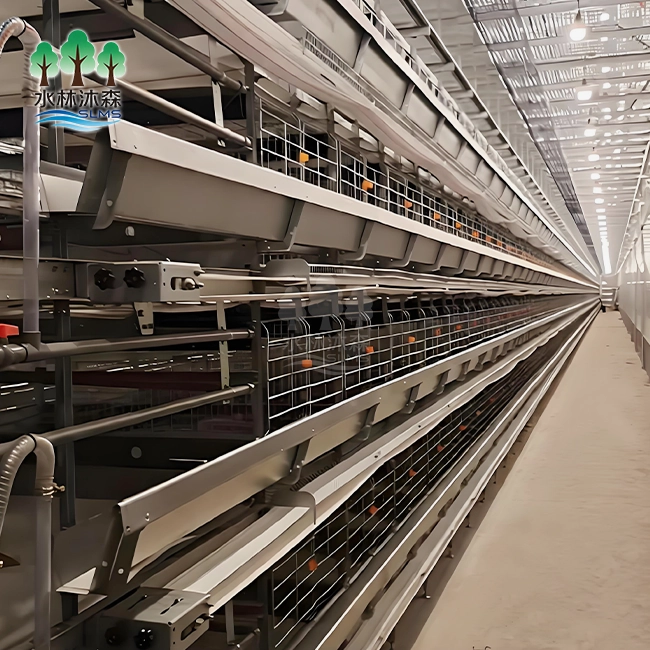
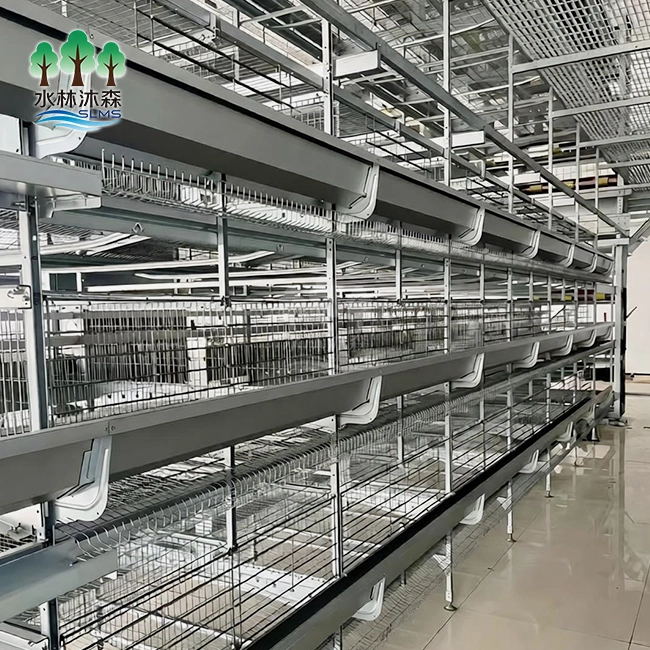
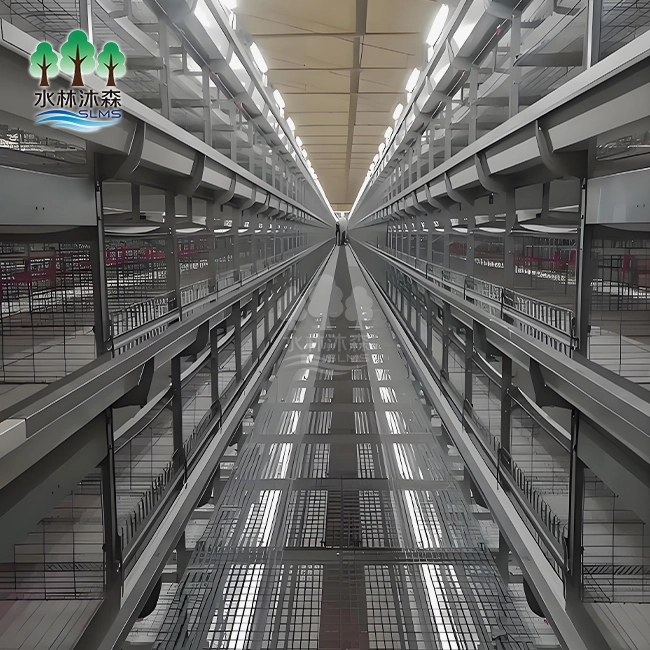
Conveyor systems for eggs are a big change in how business chicken farms handle daily collection jobs. These special belts fit perfectly with different types of layer cages, making smooth paths that move eggs from different nesting places to central stations for sorting.
How Automated Egg Collection Systems Operate
The main idea behind how it works is that the belt moves continuously in time with the setting patterns. A slightly sloped floor in the cage lets the eggs roll onto the conveyor surface as the hens lay them. The belt then moves at steady speeds, usually between 2 and 8 meters per minute, moving the eggs to collection places without bumping into anything. Drive motors placed at regular intervals keep the tension constant along long runs, stopping any slack that could lead to egg buildup or belt slip. When temperatures change, which is usual in poultry houses, tension adjustment devices make up for the fact that materials expand and contract.
Material Composition and Design Features
Polypropylene or polyethylene polymer is used to make high-quality automated Poultry House Egg Conveyor Belts because it is flexible, resistant to chemicals, and safe for food processing. The smooth surface makes it easier for tiny shells to stick to it, and the material's natural elasticity lets it handle small hits. Belt lengths of 100mm to 300mm can fit a range of cage designs, from single-level systems to multi-deck systems that can hold more than 100,000 birds. Different types with holes in them let manure and other debris fall through instead of building up on the shipping surface. This keeps the eggs clean and reduces the amount of work that needs to be done for cleaning.
System Variations for Different Farm Scales
Small family businesses can benefit from semi-automated setups where belts move the eggs to a single collection table where they need to be boxed by hand. Mid-sized farms use fully automatic lines with simple grading tools and egg counters that are built right into the line. Large businesses use advanced packing equipment and conveyor tracks to make an assembly line where eggs move from the cage to the box with little help from a person. Customization choices allow for different building plans, such as 90-degree turns, changes in elevation, and runs of different lengths that can go beyond 150 meters for large operations.
Key Benefits of Using Egg Conveyor Belts in Poultry Houses
When you switch from human collection to automated belt systems, you can see changes in many areas of your business. These benefits have a direct effect on revenue by lowering costs and raising the quality of the product.
Labor Cost Reduction and Workforce Optimization
To collect eggs by hand, workers have to walk back and forth between long rows of cages several times a day, bending and reaching into laying areas over and over again. In standard setups, this process takes 3 to 5 hours per 10,000 hens and requires a lot of work. Automated lines cut down on direct collection work by more than 40%. This frees up workers to do more important tasks, like keeping an eye on the health of the group and maintaining the building. The less physical strain also means fewer accidents caused by tiredness among workers, which lowers insurance costs and helps keep staff in an industry that always needs more workers.
Breakage Rate Minimization
Breaking an egg means losing money because broken eggs can't be sold as Grade A goods. When shells are picked up from nests, moved in collection boxes, and then moved to processing areas by hand, they are hit several times, which causes them to break. Studies from chicken research institutions show that when birds are collected by hand, the breakage rate is between 2% and 4% in ideal conditions, but it rises to 6 to 8% when workers are new or the process is rushed. Poultry House Egg Conveyor Belt systems offer a superior alternative: by treating things gently and consistently, conveyor belt systems keep damage below 1%. The smooth polymer surface protects the eggs from drops and bumps that can happen when using baskets to collect them.
Processing Speed and Throughput Enhancement
The speed of collection has a direct effect on how fresh the eggs are and how the business runs. During peak egg-laying times, automated belts run nonstop and move the eggs right away to processing rooms with controlled temperatures. This quick transport keeps the eggs at the right temperature and stops the shells from breaking down, which happens when eggs stay in warm, wet cages. Operations say that throughput has gone up by 60–80% compared to human ways. This is because processing and shipping can happen the same day, which is why fresh egg markets charge more.
Integration with Farm Management Systems
These days, Poultry House Egg Conveyor Belts are linked to digital tracking systems that keep real-time records of production data. Built-in counters keep track of the number of eggs laid by cage row, letting you see which parts aren't doing well, which could mean there are health issues or problems with the equipment. Automatic alerts let managers know when belt speeds stray from set limits or when an accumulation of eggs points to a problem with the machine. This data integration helps managers make better choices by using correct production data instead of guesses to decide how much feed to give each animal, when to turn on the lights, and when to do medical care.
Common Challenges and Maintenance Tips for Poultry House Egg Conveyor Belts
Automated egg collection equipment makes the process a lot more efficient, and regular repair keeps it running well and extends its life. Your equipment investment is safe if you know about typical problems and follow preventative steps.
Belt Alignment and Tracking Issues
Off-tracking happens when belts move laterally on their rollers, which can damage the edges and lead to egg spills. Most of the time, this problem is caused by uneven stress across the width of the belt or buildup of debris on the guide wheels. Most tracking problems can be avoided by checking the cleaning and position of the rollers on a regular basis. Tension adjustment devices should be checked once a week to make sure that both belt sides are under the same amount of pressure. Facilities that are in dusty areas can benefit from having brush systems that clean the roller surfaces while they are in use.
Cleaning Protocols for Sanitary Standards
Equipment in poultry houses is exposed to organic matter that can harbor diseases if it is not handled properly. Using soft brushes or compressed air to remove dry waste every day and then pressure washing once a week with approved cleaning solutions are good cleaning practices. Because PP and PE are resistant to chemicals, they can be cleaned thoroughly without breaking down. Removable belt sections make deep cleaning easier by letting you soak and scrub the parts outside of the production area. Biosecurity compliance demands written cleaning schedules. This is especially important for sites that serve premium organic or cage-free markets, where sanitation standards are closely watched.
Component Wear Monitoring and Replacement Scheduling
When they are used all the time, drive wheels, tensioning springs, and motor bearings wear out over time. Setting up replacement plans based on working hours instead of just fixing things when they break down stops unexpected downtime. Most high-quality systems work reliably for three to five years before they need major component change. Having a supply of important spare parts on hand, especially motor kits and special rollers, keeps production running smoothly when fixes are needed. Our belt systems have a thorough quality control system that makes sure all of the parts meet strict standards for temperature resistance and sturdiness. This means that major upkeep can be put off for longer periods of time.
Comparing Manual Egg Collection vs. Egg Conveyor Belt Systems
To make smart choices about what tools to buy, you need to know the real differences between manual and automated collection methods. The comparison includes more than just the original buy price. It also looks at things like operating efficiency and product quality. Poultry House Egg Conveyor Belt systems, for instance, demonstrate that automated solutions not only reduce breakage rates but also lower long-term labor costs, making the total cost of ownership far more favorable than manual collection despite a higher upfront investment.
Labor Requirements and Operational Costs
In a 20,000-hen farm, manual collection needs two or three committed workers who spend six to eight hours a day just collecting things. At the current average hourly rate of $15 to $18 for farm workers in the U.S., the cost of labor for collection is more than $75,000 per year. With automated belt systems, only one person is needed to check the quality of the work and keep an eye on the equipment. This saves $50,000 a year in labor costs. Usually, conveyor equipment pays for itself in 18 to 30 months. After that, the cost saves directly increase profits. Smaller farms with 5,000 to 10,000 birds save about the same amount of money, so automation is a good idea for farms of all sizes.
Product Quality and Market Value Impact
Producers are punished by egg grade rules for broken shells, blood spots, and contamination, which are problems that happen more often when eggs are handled by hand. In wholesale markets, items classified as Grade A cost 20–30% more than goods classified as Grade B. Grade A rates stay above 95% for conveyor systems, but they're hard to get above 88–92% for manual processes, even with experienced staff. This difference in quality means an extra $0.15 to $0.25 in sales per dozen eggs, which adds up to a lot of money for businesses that process millions of eggs every year.
Scalability and Expansion Flexibility
As flock numbers grow, manual collection methods become less useful because adding hens takes proportionally more work. Scaling up conveyor belt systems is easy and doesn't cost much more. When you go from 20,000 to 40,000 hens, you have to stretch the belt runs and maybe add more collection places, but the amount of work you have to do doesn't change much. This ability to expand helps farms with their growth plans by letting them add small amounts of capacity without having to change how they run their business. With customization options, you can fit different facility plans, and as your business needs change, you can add on to the building or rearrange the cages.
Procurement Considerations for Poultry House Egg Conveyor Belts
To choose the right egg collection tools, you need to look at a lot of technical and business factors. A good buying process strikes a balance between short-term budgetary needs and long-term working needs.
Material Specifications and Environmental Durability
Belt width is directly related to how long it lasts and how much weight it can hold. Lighter 0.4mm versions work well in smaller facilities with shorter run lengths, while heavy-duty 1.2mm versions can handle the needs of large-scale operations with long conveyor distances. The ability of PP and PE materials to prevent corrosion is very important in chicken houses where ammonia and wetness are present. Temperature steadiness in the 40–100°F range, which is typical in climate-controlled buildings, makes sure that performance stays the same no matter what time of year it is. Purchasing managers should check that the materials they buy have licenses that say they are safe for food and have antimicrobial qualities that keep germs from growing on them.
Supplier Capabilities and After-Sales Support
The knowledge and support infrastructure of the provider have a big impact on how reliable the equipment is. Weifang Shuilin Musen Aquaculture Equipment Co., Ltd. has been specializing in farming machinery for eight years and has a five-engineer research and development team whose main job is to come up with new chicken equipment. The full service option includes training videos, expert support for as long as the equipment lasts, and a free warranty for one year that covers problems caused by manufacturing.
On-site installation help takes care of complicated connections into existing buildings, making sure the right setup stops problems or wear and tear before they happen. The length of downtime during repairs depends on how readily available the parts are. Building ties with providers who keep inventory in your area reduces production interruptions as much as possible.
Poultry House Egg Conveyor Belt systems, when properly installed with expert on-site support, ensure seamless integration into existing facilities, and their modular design means spare parts are typically stocked locally, which further minimizes downtime and keeps your grading line running smoothly.
Customization Options for Unique Requirements
Standard belt setups work for most standard cage plans, but solutions that are made just for your building may be needed. Custom width specs allow for unique cage systems, and variable-length parts work with buildings that aren't all the same size. There are big differences in the integration needs between simple conveyor setups and full automation projects that include systems for feeding, watering, and controlling the temperature. Suppliers who offer technical advice during the specification phase help find the best options that meet both usefulness and cost requirements. Being able to change systems after they have been installed helps operations change as output methods adapt to changes in the market.
Investment Analysis and Return Projections
A full cost analysis should include the price of the item being bought, the cost of installation, the cost of ongoing upkeep, and the expected saves in running the business. Depending on the size of the building and the amount of automation, good conveyor belt systems usually cost between $8,000 and $25,000. Maintenance costs each year are usually between 5 and 8 percent of the starting value of the equipment.
This includes cleaning supplies, small fixes, and replacing parts every so often. Compare these prices to the value of saved labor, fewer breaks, and higher productivity. Most businesses see a return on investment (ROI) within 24 to 36 months, and systems work reliably for 5 to 7 years before they need to be replaced in a big way.
Conclusion
Using specialized conveyor belt systems to collect eggs automatically solves some of the most important problems that modern chicken companies face when it comes to efficiency. When you switch from hand gathering to continuous belt transport, you save over 40% on labor costs, loss drops to less than 1%, and processing speeds up a lot. Poultry House Egg Conveyor Belt systems, in particular, are designed to integrate seamlessly with existing farm layouts, ensuring smooth egg flow from the hen house to the collection point. New materials in PP and PE building make them last longer in harsh farming settings while still meeting food safety standards.
For execution to go well, suppliers must be carefully chosen, installations must be done correctly, and upkeep procedures must be followed consistently. Because the return on investment can be measured, robotics can be used on farms of all sizes, from small family farms to large commercial farms with more than 100,000 hens. This turns egg collection from a time-consuming task that slows down production into a smooth, reliable process that increases both profits and product quality.
FAQ
What determines the appropriate belt width for my poultry operation?
The choice of belt width relies on how the cage is set up and how much flow is needed. Standard facilities with one-tier cages use 100–150mm belts, while 200–300mm lengths work better for multi-deck systems with three to four tiers and can handle more eggs. During peak egg-laying times, wider belts can handle more eggs, keeping them from piling up and breaking or jamming. Talking to experts on the tools can help you figure out the best settings for your flock's size and the layout of your building.
How does belt thickness affect equipment performance and longevity?
Thicker belts (0.8–1.2 mm) last longer and are better for long run lengths and heavy-duty industrial uses. They usually last between 5 and 7 years. Thinner versions (0.4–0.6 mm) work better for smaller activities with shorter conveyor lengths and last between 3 and 5 years. The thickness of the belt affects how flexible it is around the rollers and how much force it needs. Heavier belts need bigger drive motors. Quality of the material is more important than thickness alone; high-quality PP formulas last longer than cheaper ones, no matter what the gauge specs say.
What maintenance schedule keeps conveyor systems operating reliably?
Visual checks are done every day to look for buildups of trash and strange wear patterns. Cleaning with power cleaners once a week gets rid of organic matter and keeps things clean. Checking the tightness once a month makes sure that the belt is moving correctly and that the drive parts are not under too much stress. Professional inspections by trained workers once a year find problems before they become major problems. Facilities that serve business egg markets must keep written records of maintenance to back up guarantee claims and show that they are following the rules.
Partner with Shuilin Musen for Your Automated Egg Collection Solution
Shuilin Musen Aquaculture Equipment Co., Ltd. sells tried-and-true egg conveyor belt systems and has eight years of experience making farm equipment. As a company that only makes Poultry House Egg Conveyor Belts, we can tailor our services to meet the specific needs of your facility. We can make small 100mm belts for smaller businesses or strong 300mm systems for big commercial buildings. Our engineering team offers full support throughout the life of your equipment, including help with installation, teaching on how to use it, and quick technical support.
The one-year guarantee and stock of replacement parts make sure that output doesn't stop. Email our team at wangshuaislms@gmail.com to talk about the problems you're having collecting eggs and get a custom equipment plan. You can look at our full line of poultry automation products and get access to expert tools that will help you make smart buying choices when you go to slms-equipment.com.
References
1. Anderson, K.E. & Jenkins, P.K. (2019). Automation Technologies in Commercial Egg Production: Economic Analysis and Productivity Impacts. Journal of Applied Poultry Research, 28(3), 612-628.
2. Bright, A. & Johnson, R.M. (2021). Material Science Applications in Agricultural Conveyor Systems: Durability and Food Safety Considerations. Agricultural Engineering International, 23(2), 145-159.
3. Campbell, D.L., Hinch, G.N., & Downing, J.A. (2020). Labor Efficiency and Animal Welfare in Modern Egg Production Systems. Poultry Science, 99(8), 3847-3856.
4. Foster, W.H. & Thompson, B.K. (2018). Egg Quality Preservation Through Automated Collection Systems. International Journal of Poultry Science, 17(11), 534-542.
5. Martinez, S.R. & Chen, L. (2022). Comparative Cost-Benefit Analysis of Manual versus Automated Egg Collection in Commercial Layer Operations. Agricultural Economics Review, 34(1), 78-94.
6. Roberts, J.R., Choct, M., & Reece, R. (2020). Biosecurity and Sanitation Protocols for Automated Poultry Equipment. World's Poultry Science Journal, 76(4), 789-803.
Learn about our latest products and discounts through SMS or email