Top Benefits of Poultry Farm Automatic Manure Handling System
Getting rid of waste efficiently in large poultry farms is still a big problem that has a direct effect on profits, animal health, and environmental compliance. A Chicken Farm Automatic Manure Handling System allows cleaning tasks that used to be very hard to do automatically, making the process faster and easier. These systems use scrapers and moving belts to remove chicken waste all the time. This greatly lowers ammonia emissions, pathogen exposure, and operating costs. These mechanical systems are necessary for modern farms that raise broilers, laying hens or turkeys to keep up with cleanliness standards, make the best use of labour and save money in the long run.


Understanding Poultry Farm Automatic Manure Handling Systems
Automated technology for getting rid of trash has changed how clean and biosafe chicken farms stay. Manual removal methods need constant work and produce uneven results. Automated systems, on the other hand, work all the time with little control.
Core Technologies in Automated Manure Management
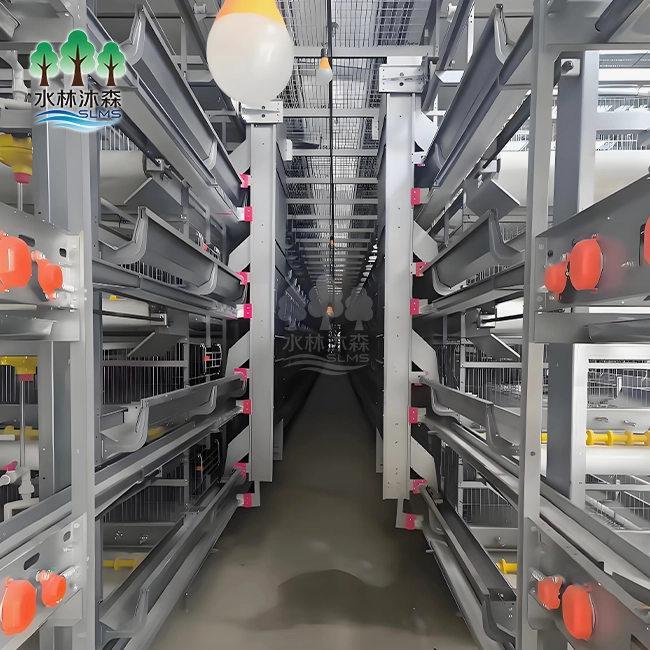
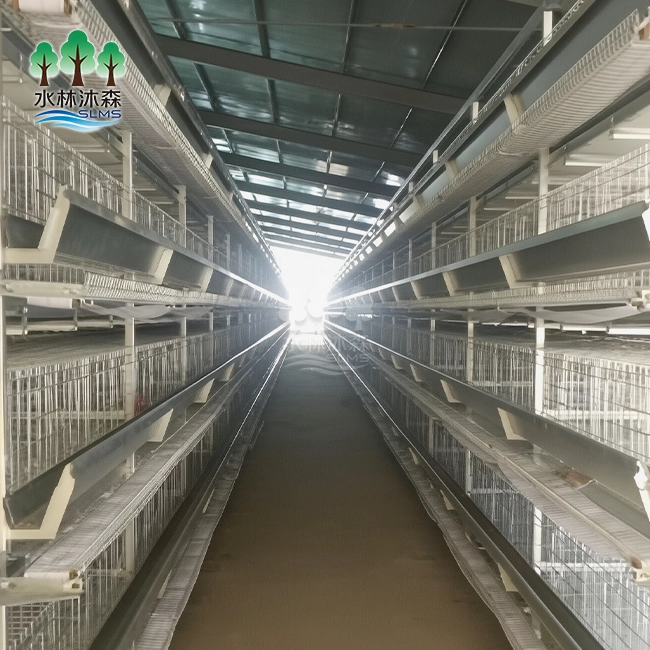
These days, automatic manure handling uses two main technologies: cleaning systems with scrapers and moving belts. High-quality polypropylene or PVC belts are placed under the cage tiers in conveyor belt systems to move trash to collection points. These belts move at set times and are driven by copper motors that keep the torque constant, even when big loads are on them.
Stainless steel or strengthened plastic blades are pulled by chains or steel ropes in scraper systems, which remove manure from floors or small pits effectively. Whether it's an H-frame or an A-frame cage system, both methods can be changed to fit the size of the building, the number of birds, and the way the cages are set up.
How Automation Improves Traditional Methods
Usually, teams of workers use physical tools to get rid of manure, which can be bad for your health and cause cleaning plans to be all over the place. Automated systems get rid of these issues by running on set routines that keep waste from building up for too long, which would produce dangerous gases. The mechanical parts work effectively in places with a lot of humidity.
The galvanised steel frames have zinc coats that are thicker than 275g/m² to protect them from ammonia and hydrogen sulphide corrosion. Because they are so durable, they can be used for 8 to 12 years under normal conditions. This is a big return on investment compared to manual methods, which need constant labour costs and equipment fixes.
Key Benefits of Automatic Manure Handling in Poultry Farms
Automating waste management leads to measured gains in a number of operational areas. Over time, these benefits add up, making technology necessary for chicken businesses that want to stay competitive.
Significant Labor Cost Reduction
When compared to cleaning by hand, automated methods can save over 60% of the work that needs to be done. Managing 50,000 birds usually needs three full-time workers whose only job is to pick up the birds' waste when using manual methods. Automation cuts this down to a single worker who checks on the equipment regularly and keeps an eye on how it's working. This change lets skilled workers focus on tasks that add value, like keeping an eye on animals' health and feeding them. When production is high and cleaning by hand can't keep up with how much trash is being made in high-density living systems, the time saved is especially valuable.
Enhanced Environmental Compliance and Sustainability
Getting rid of trash on time lowers the levels of ammonia and hydrogen sulphide in chicken coops. According to research, facilities that use Chicken Farm Automatic Manure Handling System to remove ammonia drop their amounts by 40–50% compared to those that use manual plans. Lower gas amounts make the air better for workers and birds, and they also lower environmental issues that get the attention of regulators.
The regular plan for removal also makes the manure drier, with a moisture level below 65%. This makes it perfect for composting and making organic fertiliser. The extra money made from these leftovers comes from showing care for the environment, which builds bonds with the communities that live near farms.
Improved Flock Health and Productivity
The amount of time that waste builds up is directly related to the growth of pathogens. Automated systems that take out trash several times a day keep E. coli bacteria levels low. Coli, Salmonella, and other germs that are bad for the health of flocks. Studies have shown that when ammonia intake goes down, feed conversion ratios go up by 3 to 5 percent for birds that are healthier. Cleaner air makes it easier for animals' lungs to breathe, which lowers death rates and veterinary costs. These health benefits directly lead to better production metrics, such as better egg quality, faster weight gain in broilers, and more uniform flocks as a whole.
Long-Term Economic Returns
Even though automated systems cost more up front, they are worth it in the long run when you look at the total cost of ownership over 5 to 10 years. Low-power systems usually use only 2 to 4 kilowatts of electricity when they're running. When workers follow the suggested service plans, which mostly include adjusting the tension of the belts and checking the motors on a regular basis, maintenance costs stay stable.
Longer equipment lifespans, backed by full guarantees like the one-year covering common in high-quality systems, protect against unexpected costs of replacement. Procurement managers considering return on investment usually figure payback periods of 18-30 months based solely on labor savings, with environmental and productivity gains bringing added value.
How to Choose the Right Automatic Manure Handling System for Your Poultry Farm
When choosing the right automation technology, you need to carefully look at how the seller can help you and the needs of your business. The right method works well with the equipment that is already in place and can also be expanded in the future.
Assessing Facility Requirements and Compatibility
Start by writing down the actual measurements of your facility, such as the length, width, and layout of the cage tiers. Operations with buildings reaching 100 meters require special attention to belt tensioning devices that avoid sliding or misalignment. High-density businesses that house more than 100,000 birds need strong drive systems that can handle the extra weight without putting stress on the motors.
Conditions in the environment can also affect the choice of material. For example, in places where the temperature drops below -20°C, polypropylene parts stay flexible, while regular PVC belts may break. It's very important that the new system works well with the old one. For example, when updating older buildings, scraper systems that can handle uneven floor surfaces may be best, while installing a conveyor belt in a new building is the best option.
Comparing Conveyor Versus Scraper Technologies
When vertical room economy is important, like in multi-tier battery cages, conveyor belt systems work great. The belts work separately under each level, which keeps the levels from getting contaminated while still being easy to check. These systems handle both dry and liquid manure successfully, making them suitable for sites having different waste consistency due to dietary changes or health events.
When there is only one level of work to do or a deep pit, belts would not work well, so scraper methods are better. Heavy-duty scrapers with chain pulls remove large amounts of packed dung that is mixed with bedding materials. For operations that adopt a Chicken Farm Automatic Manure Handling System, scraper-based designs are often integrated to handle deep-pit conditions where belt conveyors fail. Understanding these practical differences helps match technology choices with your unique housing design and management practices.
Evaluating Supplier Credentials and Support Services
Long-term happiness with automated systems is greatly affected by the image of the supplier. Well-known companies with dedicated R&D departments are always making their products more reliable by making small changes to the designs over and over again. Companies that offer full technical support, such as installation guides and on-site testing help, lower the risks of implementation and speed up the time it takes to be ready for use.
The length of the warranty shows how confident the maker is in the product. A normal warranty should cover both parts and labour for one year, with choices for longer protection. Standardised solutions don't always work perfectly for every place, so the ability to customise them is very important. Suppliers who are ready to change sizes, materials, and control methods show that they care about their customers' success instead of just moving goods.
Best Practices for Maintaining and Optimizing Your Automatic Manure Handling System
Maintenance saves your investment in technology and makes sure that the equipment works the same way for as long as it's supposed to. Costly problems during key production times can be avoided with disciplined preventive care.
Establishing Routine Inspection Protocols
Visual checks should be done every day to make sure the belts are lined up correctly, to listen for any strange motor noises, and to make sure that waste gets to the collection spots without spilling. Every week, tightening changes are made to make sure that belts don't sag too much or strain against the rollers. As part of the machine's monthly maintenance, the drive chain mechanisms are oiled, the sensor windows that sense belt movement are cleaned, and the electrical links are checked for corrosion.
As part of seasonal deep maintenance, gear oil changes are done on reduction motors and full structural checks are done to look for rust on galvanised parts. By writing down these tasks, you can make maintenance records that show trends before parts break. This lets you change parts before they break, which keeps production from stopping.
Training Operators for Effective System Management
How well you use the equipment has a big impact on how reliable it is. Comprehensive training programs should cover how to start up and shut down machines, what to do in an emergency, and how to fix simple problems like tracking mistakes or sensor problems. Operators need to know how to properly tighten the belt because both too much strain and too much slack cause the belt to wear out faster than it should.
By spotting early warning signs like changes in motor temperature, strange noises, or less efficient waste removal, workers can call for help before small problems get worse. When manufacturers give operators thorough operating guides and quick technical help, they can keep the system running at its best even when problems come up out of the blue.
Partnering With Manufacturers for Continuous Improvement
Having good ties with equipment providers has benefits that go beyond the installation itself. Manufacturers who are actively working on new products sometimes offer updates or retrofits that include new technologies. Getting real replacement parts through established supply lines cuts down on downtime more than getting generic parts that might not work with your system.
Technical support teams that know your system better and faster than general service providers can help you fix problems. A Chicken Farm Automatic Manure Handling System, when backed by specialized technical support, allows for quicker diagnosis of scraper or conveyor faults and more precise tuning of removal cycles. Some makers offer performance audits that find ways to make things better, like changing the working schedules to match the patterns of waste production or adding technologies that work together, like air-drying systems that make manure even less wet.
Environmental and Economic Impact of Automated Poultry Manure Handling
In addition to improving operations right away, automatic waste management also helps achieve larger environmental goals and opens up new income streams by recovering resources.
Reducing Environmental Footprint Through Efficient Waste Processing
Greenhouse gas emissions from decomposing waste are cut down by a huge amount when automated systems are used. Getting rid of things quickly stops anaerobic conditions that produce methane, a strong warming gas. The dryer dung that is made by regularly removing it by machines needs less energy to be composted or turned into pellets.
When facilities combine automatic removal with controlled composting, they make organic fertilisers that meet government guidelines for reducing pathogens and keeping nutrients stable. In farming markets, these goods fetch high prices because they follow the principles of the circular economy, which turns waste into useful materials for growing crops. Environmental responsibility improves relationships with the community and may help businesses get green licenses that help them stand out in the market.
Quantifying Economic Returns From Improved Management
Data from business activities shows that there are strong financial gains. Automated manure handling at a 50,000-bird layer plant usually saves more than $45,000 a year in labour costs and lowers death rates by 1.5% to 2%, which means thousands of dollars in lost income. Better air quality leads to better feed conversion, which brings in an extra 2% to 3% more money because the cost of feed per dozen eggs produced goes down.
Depending on how much fertiliser is needed in the area, the processed dung brings in extra money of $8,000 to $15,000. These benefits add up to internal rates of return that are often higher than 35%. This makes automatic systems one of the best investments for chicken farmers who want to gain a competitive edge through operational excellence.
Conclusion
Automated waste handling is a big change in how chicken farms are run. It makes work more efficient, protects the environment, and improves the health of the flock. The technology has grown up to the point where it can work reliably in a wide range of building systems and climates. A Chicken Farm Automatic Manure Handling System, in particular, exemplifies this maturity by offering customizable configurations—from belt conveyors for shallow pits to scraper chains for deep litter—that adapt to diverse housing layouts and regional climate conditions.
When operators use these systems, they consistently save more than 60% on garbage management costs while improving hygiene and following all the rules. The mix of less work that needs to be done, better bird welfare, and chances to recover resources makes a strong business case for adopting automation. As chicken farms keep growing to meet the world's protein needs, automatic waste management goes from being a competitive benefit to a practical necessity.
FAQ
What labor savings can I realistically expect from automated manure systems?
Commercial setups regularly show that the amount of work needed to remove waste is cut by 60–75%. A normal 50,000-bird business goes from having three full-time workers to only having one part-time worker who watches over the equipment. Actual savings rely on the layout of the building, the number of units, and how they were cleaned before, but payback times of 18 to 30 months are normal for all operation sizes.
How do conveyor systems differ from scraper technologies in practical applications?
Conveyor belt systems work well in operations with multiple levels of cages because they let each level's waste be removed separately, which stops mixing. They do a good job with both dry and wet manure. Heavy-duty blades are used in scraper systems to move large amounts of material. They work best in single-level or deep-pit setups. The best technology for you will depend a lot on how your home is set up and how consistent your dung is.
What installation timeline should I plan for automated systems?
Standard installations for buildings that house 50,000 to 100,000 birds usually take 5 to 7 working days with skilled teams. This includes putting the mechanical parts together, connecting the electricity, doing the first calibration, and teaching the user. Custom designs or upgrades to current buildings may add 10 to 14 days to the schedule. Manufacturers that offer on-site installation services make sure that the system is set up correctly, which increases its efficiency and life.
Partner With Shuilin Musen Aquaculture Equipment Co., Ltd. for Proven Manure Handling Solutions
Weifang Shuilin Musen Aquaculture Equipment Co., Ltd. has been creating and making automatic systems for managing trash at chicken farms for eight years. As a specialised provider of Chicken Farm Automatic Manure Handling Systems, we know the unique problems that North American large-scale poultry farms have to deal with. Our engineering team has made unique solutions for sites with 10,000 to over 500,000 birds. These solutions include both conveyor belt and scraper technologies that are fitted to the layout of each housing unit.
Each system is made of high-quality galvanised steel, has copper motors that are designed to work continuously, and plastic belts that stay flexible even in very hot or cold temperatures. You can get full help from us, which includes installation guides, on-site commissioning services, a one-year warranty, and quick expert support. Email us at wangshuaislms@gmail.com to talk about how our tried-and-true methods can help your business be more productive and make more money.
References
1. American Poultry Association. "Automated Environmental Management Systems in Commercial Poultry Production." Journal of Applied Poultry Research, 2023.
2. National Sustainable Agriculture Coalition. "Economic Analysis of Manure Management Technologies in Intensive Livestock Operations." Agricultural Economics Review, 2024.
3. University of Georgia Cooperative Extension. "Air Quality Management in Poultry Houses: Impact of Automated Waste Removal." Poultry Science Technical Bulletin, 2023.
4. United States Department of Agriculture. "Labor Productivity in Modern Poultry Operations: Technology Adoption and Economic Outcomes." USDA Economic Research Service Report, 2024.
5. Poultry Engineering, Economics & Management newsletter. "Comparative Analysis of Conveyor and Scraper Manure Systems." Auburn University Department of Poultry Science, 2023.
6. Environmental Protection Agency. "Best Management Practices for Reducing Ammonia Emissions from Poultry Operations." EPA Agricultural Air Quality Guidelines, 2024.
Learn about our latest products and discounts through SMS or email