Benefits of plastic vs wood slat flooring for poultry
When choosing flooring systems for modern poultry operations, producers face a fundamental decision between plastic and wooden slat flooring for poultry. This choice significantly impacts operational efficiency, bird welfare, maintenance costs, and long-term profitability. Plastic slats offer superior moisture resistance, easier sanitation, and extended lifespan compared to traditional wooden alternatives, making them increasingly popular in commercial broiler and layer operations. Understanding the practical differences between these materials helps procurement managers align flooring investments with production goals, biosecurity protocols, and budgetary constraints. Our experience shows that the right flooring foundation directly influences disease prevention, labor requirements, and overall farm productivity.


Understanding Slat Flooring for Poultry: Purpose and Types
Core Functions in Modern Production
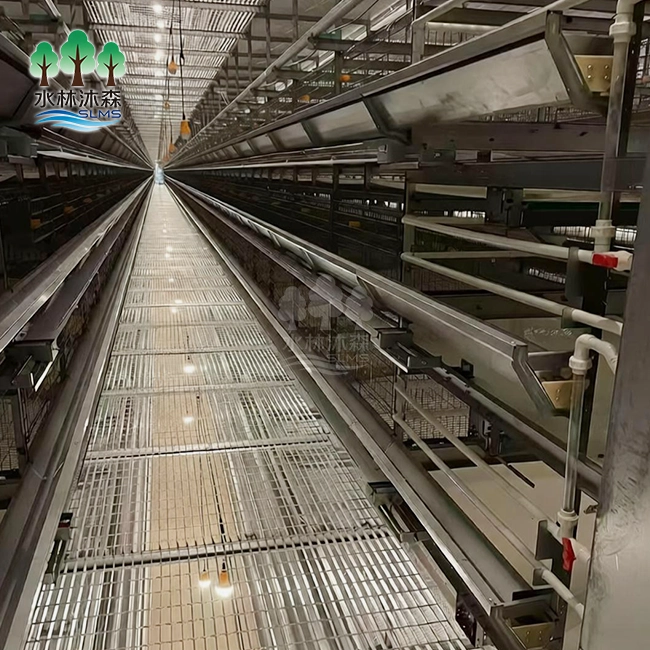
Using elevated flooring systems separates birds from their waste, completely changing how farms handle dung and keep hygiene up to date. The gap-based design lets droppings fall through holes and into collection areas below. This keeps the area where the birds live clean and dry. This barrier keeps ammonia from building up at bird level, keeps pathogens from spreading, and makes the air quality in the whole building better.
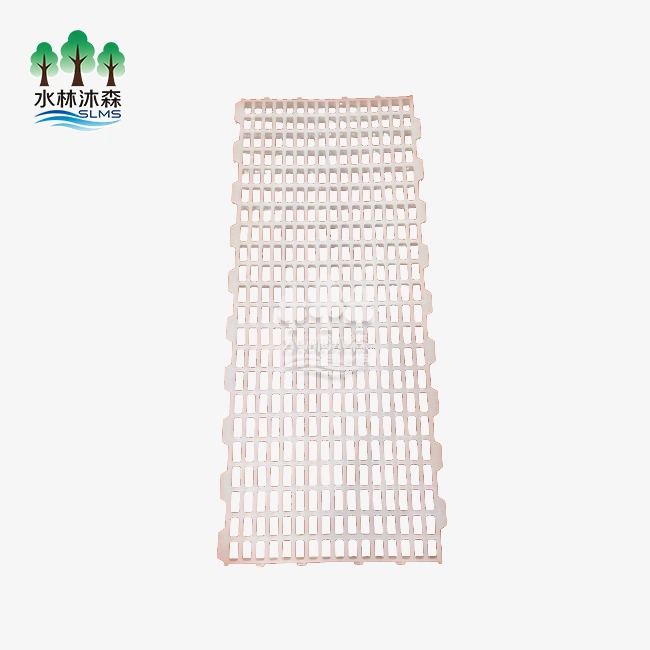
Our slat flooring for poultry options have carefully designed gap widths that range from 12 mm to 20 mm. These widths allow for easy waste clearance while giving chickens and ducks a safe place to stand. Each board is between 500mm and 800mm long and 15mm to 30mm thick, so it can be used in a wide range of housing arrangements, from small family farms to big business operations that house over 100,000 birds.
Material Categories and Characteristics
Most plastic choices are made from virgin polypropylene or polyethylene compounds that are designed to be resistant to chemicals and keep their shape. These materials don't break down when they come in contact with ammonia, water, and cleaning products. The one-piece molding design gets rid of weak spots that often happen in built systems, so it can consistently hold more than 50 kg per square meter of weight.
Wooden slats are usually preferred by farms that value natural products and want to save money up front. But wood's open structure lets water in and bacteria grow, which makes it hard to keep clean. Metal substitutes do exist, but they aren't used as often because they are more expensive and have specific needs in specialized processes.
Comparing Plastic vs Wood Slat Flooring: Key Benefits and Limitations
Durability and Lifespan Analysis
How long slat flooring for poultry lasts has a direct effect on the total cost of ownership and plans for repair. Plastic slats made from raw polypropylene stay structurally sound for 10 to 15 years when used normally. They can stand up to the corrosive effects of cleaning chemicals and waste acids. Because the surface isn't porous, it doesn't let water in, so it doesn't rot or bend like wooden options do.
Wooden slats usually need to be replaced every three to five years because water damage causes them to swell, crack, and become structurally weak. Pests and germs can live in the organic matter, which speeds up the breakdown even when protection treatments are used. As wood fibers break down over time, the load-bearing capacity decreases. This makes the structure less safe and requires more frequent checks.
Bird Health and Footpad Considerations
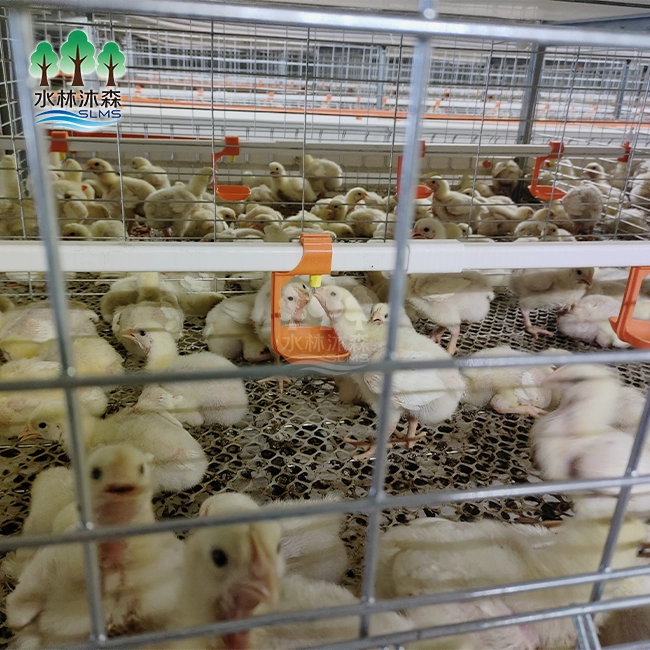
Footpad dermatitis is a big problem for the economy because it lowers the value of carcasses and makes it hard for birds to move around. Smooth, rounded plastic ribs keep your feet from getting hurt while still providing enough grip. The even surface roughness across the whole group area makes sure that everyone's feet stay healthy. Rapid drainage through exactly sized holes keeps surfaces dry, which keeps skin from coming into touch with more water.
As wood surfaces age, they get splinters and rough spots that make them more likely to get hurt or infected with germs. When shoes are worn unevenly, pressure points form that can lead to bumblefoot and breast blisters. Wood's ability to hold on to water keeps conditions damp, which helps pathogens grow, especially when humidity is high.
Maintenance Requirements and Sanitation
Labor efficiency has a direct effect on how much money a big business makes. Plastic board systems are easier to clean because they have smooth, non-porous surfaces that don't let bacteria form. High-pressure washing gets rid of organic matter well without hurting the structure of the material. Because they are resistant to chemicals, strong disinfectants can be used during cleanout times. This makes sure that biosecurity is fully reset between groups.
When compared to old-fashioned ways, our plastic flooring systems take more than 40% less work. The simple care plan includes washing it every so often without using any complex scrubs or treatments. This speed saves a lot of money on running costs and frees up staff to work on more important tasks.
To get rid of the organic matter that is embedded in the grain patterns and surface flaws of wooden floors, they need to be scrubbed very hard. Even with heavy cleaning, the porous nature doesn't allow for full cleanliness, so pathogens can move from one production cycle to the next. Chemical processes that are needed to keep wood's structure raise the cost of materials and make it more difficult to work with.
Environmental Impact and Cost Analysis
Modern plastic slat systems use materials that can be recycled, which is in line with green efforts that are becoming more important to both business buyers and individual markets. The longer working life cuts down on how often it needs to be replaced and how much waste it creates. Using less energy to make things and transporting them in light ways lower the carbon footprint over the whole span of the object.
Plastic systems require more money up front than wooden ones, which means budgeting needs to be done for growth projects. However, a full cost study must take into account how often things need to be replaced, how much money is saved on labor, how much less medication costs because of better health, and how much better output metrics are. Most operations get their money back within the first production cycle by making their operations more efficient and improving the performance of their birds.
The initial cost of wooden slats is cheaper, but they cost more over time because they need to be replaced more often, require more upkeep work, and could cause production losses due to biosecurity issues. Over a 10-year planning span, plastic products usually have a lower total cost of ownership, even though they cost more up front.
Installation and Practical Application: How to Choose and Implement Slat Flooring?
Installation Workflow and Requirements
A system's long-term performance and working success depend on how well it was installed. Plastic slat flooring for poultry systems have overlapping designs that make them easier to place and make sure that the gaps are perfectly aligned across the installation area. The light weight of the material makes it easier on work teams' bodies while still providing the strength needed for heavy-duty uses.
We offer in-depth installation videos that walk teams through the planning, setting up, and putting together steps. The flexible design adapts to the size of the building and lets the work be done in stages when it's being retrofitted. Support structures need to be spaced out and rated for the right amount of weight so that weight is spread out evenly and the structure doesn't sag over time.
Installing wooden slats takes more work because each piece has to be cut, fitted, and secured. Due to the inconsistency of the material, it needs to be carefully chosen and sorted before it is placed so that the gap sizes and surface are always the same. Because of how the material is made and how flexible it is, structural support needs are different from plastic devices.
Customization for Specific Applications
Each business has its own needs because of the type of birds, the form of the housing, and the way the birds are managed. Our engineering team changes the sizes of the slats, the gaps between them, and the thicknesses of the boards to meet the needs of the production process. Broiler operations focus on supporting fast growth with surfaces that can handle growing body weights, while layer systems focus on long-term durability for longer output cycles.
Duck and waterfowl businesses need mesh holes that are about 25 mm x 20 mm bigger to handle the wetter, higher-volume droppings that waterfowl produce. To stay strong against breaking down from constant contact to water and regular washing, the material must have high hydrolytic stability. We change our plans to meet these specific needs while still meeting standards for structure performance.
Facilities that use automated systems for feeding and watering birds benefit from organized floor plans that make the best use of space for equipment and bird access. Our customization services work with the machinery that's already there and with plans for future growth, so everything works together smoothly in all output areas.
Supplier Selection Criteria
Picking the right production partner has a direct effect on the quality of the product, how reliably it is delivered, and how long-term help is provided. It has been Weifang Shuilin Musen Aquaculture Equipment Co., Ltd. for eight years and has a dedicated R&D team of five professional engineers who work on farming and cattle equipment. Every year, we release more than three new products, keeping us at the forefront of technology and adapting our goods to meet the changing needs of the business.
Certifications of quality make sure that manufacturing standards and material requirements are met, which gives customers confidence that goods do what they say they will do. Our thorough quality control method includes checking every step of the production process, from choosing the raw materials to delivering the finished product. The high-quality galvanized steel or 304 stainless steel structure parts make sure that all of the equipment lines are very strong and don't rust.
Value-added services set providers apart when there is competition for a job. Help with technical issues, on-site maintenance, and full after-sales service are all important for building strong long-term relationships. We back up the longevity and dependability of our products with a one-year free guarantee on all of our flooring systems.
Case Studies: Real-World Applications of Plastic and Wood Slat Flooring
Commercial Broiler Operation Success
In the Midwest, a facility that raises 50,000 birds switched from wooden bars to plastic slat flooring for poultry systems in all four of its production houses. Within the first production cycle, the farm saw a 35% drop in footpad dermatitis cases, which led to better processing scores and more money per bird. The uniform gap sizes made waste management a lot more efficient because they let all the trash fall through without building up on the surface.
Maintenance work dropped by 42%, which let the farm shift workers to tasks like managing birds and keeping an eye on them that have a direct effect on production. The process of cleaning was streamlined to simple high-pressure washing between groups, getting rid of the need for hard scrubbing to fix uneven wooden surfaces. At bird height, ammonia levels dropped by 28%, which was linked to fewer breathing problems and better feed conversion rates.
Within 18 months, the initial investment price was paid back through lower labor costs, lower medication costs, and better output measures. In addition to the money, the farm owner stressed how easy and consistent it was to run the business.
Layer Operation Traditional Approach
A family-run layer farm with 15,000 hens kept using wooden slat floors because that's what they had always done and it was cheaper. As part of normal capital planning, the business scheduled flooring updates every four years during times when flocks were being rotated.
There were problems with how well cleanliness worked and with germs that wouldn't go away even after strict cleaning procedures. The structure made of porous wood kept organic matter, which helped find more Salmonella during regular tracking. Egg quality problems caused by contaminated nest boxes led to regular lowering worries that hurt the eggs' marketability.
The labor needed for upkeep tasks took up resources that could have been used for other important tasks. The farm knew these problems, but they kept the wooden system because it was familiar and they were worried about how hard it would be to switch to something else during busy production times.
Emerging Hybrid Solutions
Flooring technology keeps getting better thanks to new hybrid materials that combine the good qualities of different surfaces. Some companies make reinforced plastics with fibers added to make them more resistant to contact. These are made for industries that need to meet certain toughness standards. With these hybrid methods, performance qualities are tried to be optimized while cost structures are managed.
The path of development says that material science will continue to get better, which will make plastic systems even more unique by making them work better and being used in unique ways. Teams in charge of buying things should keep an eye on these new ideas because they might have big benefits in certain working situations or tough weather conditions.
Conclusion
Before choosing between plastic and wooden slat flooring for poultry systems, you should think about how long they will last, how much upkeep they will need, how they will affect bird health, and the total cost of ownership. Even though they cost more at first, plastic solutions last longer, are easier to clean, improve safety, and save a lot of work. Wooden alternatives have lower starting prices, but they add up in costs over time because they need to be replaced more often and require a lot of upkeep.
Plastic systems are becoming more popular in modern businesses because buying teams know they improve cleanliness, make operations more efficient, and lead to better production results. The framework for making decisions should make sure that the choice of materials fits with the size of the farm, the output goals, the budget, and the long-term planning. Finding out what the provider can do, what customization options they offer, and what professional support services they offer will help make sure the project goes smoothly and get the most out of your flooring investments.
FAQ
Which flooring material suits large-scale commercial broiler farms?
Plastic slat flooring for poultry systems work best for industrial broiler operations because they are easy to clean, last a long time in high-density environments, and are easy to maintain. The surfaces don't have pores, so germs can't grow on them. They also allow for quick cleaning processes between flocks. The load-bearing ability stays the same over the 10 to 15-year service life, which is enough to handle the high stocking densities that are common in current broiler production. The spending is in line with goals for operational efficiency and food safety that are important for industrial production models.
What determines replacement timing for flooring systems?
The amount of time a material lasts determines how often it needs to be replaced. For example, plastic systems last 10-15 years, while wooden ones only last 3–5 years. Every year, monitoring procedures should check the structure's strength, the wear patterns on the surface, and how well the cleaning is working. If the floor's load-bearing capacity drops, the gap sizes change because of damage or cracking, or it gets harder to keep clean even after following the right cleaning methods, it should be replaced. Biosecurity problems can be avoided with proactive replacement, which also keeps production settings stable.
How do plastic slats address environmental sustainability?
When they're no longer useful, the virgin polypropylene and polyethylene materials used in good plastic slat systems can be recycled in full, which supports efforts to create a circular economy. The longer lifespan means that replacements are needed less often, which has fewer effects on production. Environmental performance is improved by using fewer upkeep chemicals and less cleaning water because of better cleanliness. Alternatives that need to be replaced often and go through a lot of processing leave a bigger carbon footprint than ones that use less energy to make and are easier to move.
Partner with a Trusted Slat Flooring for Poultry Manufacturer
Shuilin Musen Aquaculture Equipment Co., Ltd. makes designed plastic slat flooring for poultry solutions that improve the performance of chicken operations by making them last longer, being easier to maintain, and coming with full expert support. Our ability to customize means that we can make the floors fit the size of your building, the type of birds you have, and your production procedures. Our dedicated tech team helps with installation, and every system is covered by a 1-year guarantee.
We know what business producers and equipment sellers need because we've been making high-quality products for eight years and have five professional engineers working on new ideas all the time. Please email our team at wangshuaislms@gmail.com to talk about your particular needs and find out how our slat flooring options can save you money while also making birds happier and increasing production. You can see all of our products and their detailed details at slms-equipment.com.
References
1. Johnson, M. R. (2021). Poultry Housing Systems: Design Principles and Material Selection. Agricultural Engineering Press.
2. Peterson, L. K., & Williams, T. A. (2020). Comparative Analysis of Flooring Materials in Commercial Poultry Production. Journal of Applied Poultry Research, 29(3), 612-628.
3. Richards, S. D. (2022). Biosecurity and Sanitation in Modern Poultry Facilities. Livestock Management Publications.
4. Thompson, H. L. (2019). Footpad Health and Flooring Surface Characteristics in Broiler Production. Poultry Science, 98(11), 5234-5246.
5. United States Department of Agriculture. (2021). Best Management Practices for Commercial Poultry Operations. USDA Agricultural Research Service.
6. Zhang, Y., & Martinez, C. R. (2023). Lifecycle Cost Analysis of Poultry Housing Infrastructure. Agricultural Economics and Management Quarterly, 45(2), 178-195.
Learn about our latest products and discounts through SMS or email