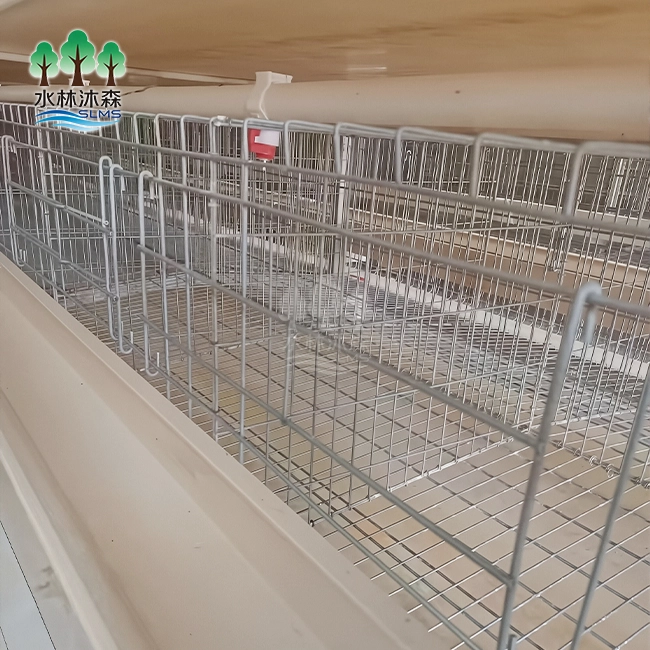
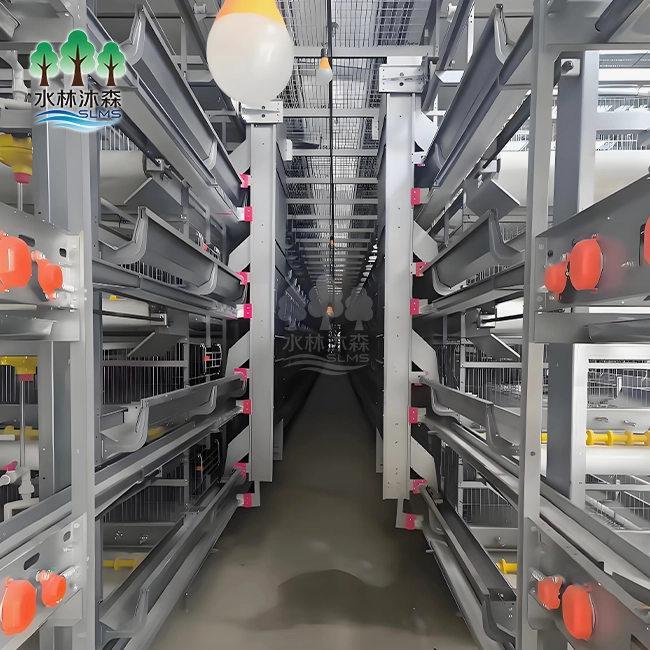
How to choose an automatic feeding trolley for poultry farming?
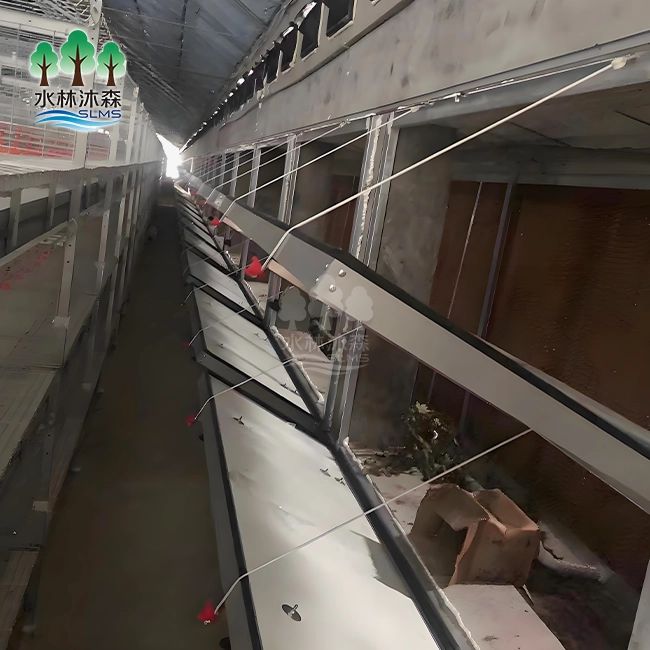
Before you can choose the right automatic food trolley for your chicken farm, you need to know what your production goals and needs are. A Poultry House Automatic Feeding Trolley is an electrical system that makes sure that feed is spread evenly between cage rows in chicken houses, duck farms, and other places where birds live. This machine runs along special lines and gives birds exact amounts of food at different levels at the same time. By automating this important job, modern farms cut the number of workers needed by more than 40%, control the spread of feed to reduce waste, and set up regular feeding schedules that directly boost growth rates and egg production.


Introducing the Problem and Need for Automatic Feeding Trolleys
Feeding chickens by hand slows down processes and makes them less profitable. There are a number of issues that affect your bottom line when farm workers move feed by hand or with simple carts.
Labor Intensity and Rising Costs
The people who run farms always say that feeding 10,000 birds by hand takes three to four hours a day. This means big costs for people that get worse as processes get bigger. When workers do the same things over and over, they get tired, which causes uneven feeding patterns where some parts of the cage get too much food and others don't get enough. High turnover rates are also caused by the physical challenges, which lead to ongoing training costs and information gaps.
Feed Distribution Inconsistencies
Birds act competitively when they are fed at different rates. Individuals that are dominant eat too much, while birds that are subordinate don't get enough food. This ranking feeding pattern makes your flock's weights vary, which makes it hard to grade them when it's time to sell them. Studies show that when feeding birds by hand, the coefficient of variation rates are higher than 8%, while using a Poultry House Automatic Feeding Trolley keeps variation rates at only 2% to 3% because feed is distributed evenly and automatically.
Biosecurity Vulnerabilities
Every time a person comes into your chicken coop, there is a chance that pathogens will be spread. When workers do manual feeding, they have to go through a lot of different areas, and their clothes, shoes, and tools could possibly carry germs. Automated food carts cut down on these entries, creating a strong biosecurity barrier that keeps out avian influenza, salmonella, and other diseases that spread easily and kill industrial flocks.
These problems can be solved by modern automatic feeding, which gives measured amounts to all cage levels at the same time. With accuracy, there is less waste from spills and picky eating. When electric motors replace manual work, energy efficiency goes up, and farm managers get more scheduling freedom, which helps them feed chickens at the best times based on their circadian rhythms for higher feed conversion rates.
Core Criteria for Selecting an Automatic Feeding Trolley
To choose the right automated feeding tools, you need to carefully look at a lot of different technical and practical factors. When making a financial choice, you should think about both the short-term and long-term needs for functionality.
Assessing Your Farm-Specific Requirements
Different types of chickens and ways of raising them need different ways of feeding them. Ad libitum feeding is a common practice in layer operations, which means that birds can get food whenever they want during the day. For this to work, the trolleys need to have bigger hoppers and more frequent delivery rounds. On the other hand, broiler breeder farms use limited food plans with exact daily rations to keep birds from getting too fat, which can hurt their fertility. In these situations, carts with electrical metering devices that can measure to the gram level are useful.
Calculations of population density have a direct effect on the specs of tools. A farm with 50,000 layers spread out over 100 meters needs strong carts that can carry more than 200 kilograms and motors made for industrial use. Lighter methods may work well for smaller businesses with 10,000 birds. The height and number of tiers in the cage are also important. For example, three-tier systems are harder to distribute power to than five- or six-tier vertical batteries.
Critical Technical Features
Automation technology decides how well operations run and how much upkeep they need. When moving along lines, GPS-guided guidance systems allow for precise movement, while simpler limit sensor setups offer accurate positioning at lower costs. There are many types of feed handling systems, from gravity-fed ones that work well with pellet feeds to driven auger ones that can handle mash and crumble mixes without any problems with bridging.
Refilling regularity is directly related to storage space. Trolleys that can hold 80 to 100 kilograms per tier cut down on work in smaller sites, but they need to be refilled several times a day in large ones. Models that can hold 200 to 250 kilograms allow for a single daily refill loop, which frees up staff to do other management chores. In chicken houses, the hot-dip galvanized frame construction doesn't rust when exposed to ammonia, so it lasts 10-15 years instead of 3–5 years for powder-coated steel options.
Different models use a wide range of amounts of energy. Battery-powered trolleys get rid of the dangers that come with overhead power lines, but they need a way to charge and need to have their batteries replaced every so often. Rail-powered devices always need electricity and don't have to shut down because their batteries are dead. When you compare the cost of kilowatt-hours to your local utility rates, you can see that there may be long-term operating costs that are higher than the changes in the original purchase price.
Evaluating Supplier Credentials
The knowledge and help system of the manufacturer have a big impact on how reliable the equipment is. Suppliers with dedicated farm engineering teams understand the harsh conditions inside chicken coops—dust, corrosive gases, temperature swings, and high humidity—all of which put stress on a Poultry House Automatic Feeding Trolley. Customization services don't force farms to use one-size-fits-all solutions; instead, they change standard models to fit different barn sizes, cage plans, and feed schedules.
Quality approvals give industrial standards an objective seal of approval. Getting ISO 9001 approval shows that you can handle quality in a structured way. If a piece of machinery has a CE mark on it, it means that it meets European safety standards. In addition to the paperwork, you should look into the guarantee terms. Full coverage for a year with quick service shows that the maker is confident in the product's reliability.
For continued help, local dealer networks are important. When suppliers keep regional service centers open, they can answer faster to repair needs and keep replacement parts in stock nearby. This system cuts down on downtime when parts need to be serviced. Technical support should include help with installation, training programs for operators, and debugging through video calls or visits to the site when required.
Step-by-Step Decision-Making Framework for Procurement
Systematic ways of buying things lower risks and get the best results from investments. Using structured review steps helps procurement teams make choices that are in line with the goals of the business with confidence.
Budget Assessment and Feature Prioritization
Instead of just looking at the purchase price, the first step in making a reasonable budget for a Poultry House Automatic Feeding Trolley is to figure out the total cost of ownership. Include the costs of installation, electrical work for power lines, building the track system, training time for operators, and the expected costs of upkeep over the next five years. By comparing these detailed numbers to other choices, you can see what the real economic value is.
How features are prioritized depends on where operations are having trouble. Farms that are having trouble hiring people should focus on robotic features that require little to no human input. Operations that lose a lot of feed can benefit from accurate dispensing controls. Facilities that take care of birds of different ages at the same time need carts that can be adjusted to different tiers so that different amounts of food can be delivered.
Making weighted score grids can help you put subjective opinions into numbers. Assign weights to factors like capacity (20%), level of automation (25%), longevity (20%), energy efficiency (15%), seller support (15%), and price competitiveness (5%). On a scale from 1 to 10, rate each possible system on these factors. Then, sum the numbers by the weights to get an objective comparison.
Compatibility with Existing Infrastructure
It is important that automated feeding carts work well with the present management systems and plans of farms. The size of the barn limits the kinds of tools that can be used. For example, the length, width, and height of a trolley must be adjusted to fit the aisles and the roof. The current cage systems decide where the troughs go and how the feed is delivered, which affects the mechanical design needs.
Power system viability is based on the capabilities of the electrical infrastructure. Adding rail-powered carts might mean that the electricity service needs to be upgraded to handle the extra weight. Battery-powered alternatives don't need these changes, but they do need charging stations and schedule factors to make sure that operations don't stop when the power goes out.
Compatibility between farm management tools and data integration lets you track trends of feed consumption, find ways to be more efficient, and fix performance problems. Modern trolleys with Internet of Things (IoT) sensors send operating measures like the number of distribution rounds finished, the amount of feed dispensed per tier, the number of hours the motor ran, and maintenance alert messages.
Maintenance Support and Service Agreements
The long-term success of a Poultry House Automatic Feeding Trolley relies on how easy it is to get maintenance supplies and quick technical assistance. Make sure that service level agreements are clear about how long it will take to fix problems in an emergency, when parts will be available, and what will happen at the yearly preventative maintenance call. Understanding these terms keeps operations running smoothly and stops disagreements.
Standardizing parts affects how easy and cheap it is to do upkeep. Common industrial parts used in trolleys, such as standard bearings, off-the-shelf motors, and easily accessible electrical parts, make replacements easier to find and cost less. Proprietary parts may improve speed, but they also create supply chain ties that make downtime last longer when they break.
Giving your team training helps them do simple troubleshooting and regular upkeep. Comprehensive programs teach scheduled lubrication, cleaning, sensor calibration, and early warning sign recognition that keep small problems from getting worse and leading to major failures. Video documentation and digital guides can be used as references after the initial training classes are over.
Best Practices for Using and Maintaining Automatic Feeding Trolleys
Maximizing return on investment requires careful planning of operations and focused upkeep. Using tried-and-true methods increases the life of tools and improves the efficiency of food.
Strategic Feed Distribution Planning
Finding the best feeding plans strikes a mix between meeting nutritional needs and running the business efficiently. Layer farms usually feed their chickens three times a day, at natural consumption peaks in the early morning, lunch, and late afternoon. During periods of fast growth, broiler farms may use more frequent releases to help animals eat as much food as possible and gain weight.
Quantity control stops loss and makes sure that people get enough food. Watching the low levels before every distribution cycle shows how much is being used and lets you make precise changes. Overfilling leads to spills and bugs, while underfeeding causes plants to compete with each other and grow in uneven ways. By testing different collection bins and trolley discharge rates, you can make sure that the supply is correct and meets the calculated ration requirements.
Feed quality must be maintained by paying attention to how it is stored and when it is distributed. Setting up packages for cooler morning hours cuts down on heat exposure, which lowers nutritional value and speeds up spoiling. Cross-contamination that changes recipe specs can't happen if hoppers are cleaned between changes in feed type. Keeping an eye on the features of the feed flow helps find bridge patterns before they cause distribution failures.
Regular Maintenance Protocols
Setting up regular repair plans keeps things from breaking down without warning and increases the useful life of a Poultry House Automatic Feeding Trolley. Every day, tasks include checking for obvious damage, cleaning up feed powder that has built up in outlet areas, and making sure the right way to start up and shut down the machine is followed. These quick checks only take ten to fifteen minutes, but they find problems before they become major ones.
As part of weekly maintenance, the insides of the hoppers are cleaned more thoroughly, dust is removed from the motors and electrical parts, wheel alignment and track condition are checked, and the emergency stop functions are tested. Following the manufacturer's instructions for lubricating moving parts keeps them running smoothly and reduces friction wear. Quality carts with sealed bearings only need to be serviced once a year instead of every week, which makes upkeep easier.
Motor performance metrics should be written down every month, chain stress on drive systems should be measured, electrical connections should be checked for rust or looseness, and sensor calibration should be confirmed. Keeping specific service logs helps find problems that keep happening, plan your parts inventory, and find the best repair intervals based on real wear patterns instead of general suggestions.
Energy Consumption Monitoring
Tracking power use shows trends in efficiency and finds outliers that could mean technical problems. Normal consumption levels are set by taking baseline readings during the first operation. Gradual rises could mean that friction is building up because of old bearings, wheels that aren't lined up right, or a motor that needs to be fixed. Sudden jumps could mean that there is an electrical problem or a motor problem that needs to be looked into right away.
Monitoring the charge cycle is helpful for systems that use batteries. By keeping track of charge times and operating length per charge, you can see how the battery's health declines over time and replace it before it completely stops working and interrupts operations. Following the manufacturer's instructions for charging—avoiding fully draining the battery and charging it too much—extends its useful life by a large amount.
Energy waste can be cut down by optimizing working factors. Running carts at the right speeds matches the time it takes to distribute goods with the amount of power it uses. Too fast speeds increase motor loads without correspondingly increasing output. When it's possible, combining distribution cycles lowers the starting loads that use the most power during the motor acceleration stages.
Conclusion
Choosing the right Poultry House Automatic Feeding Trolley can completely change how poultry businesses work by making them more efficient, requiring less work, and improving the performance of the birds. Before making a choice, it's important to carefully look at the needs of the farm, the technical requirements, the supplier's skills, and the issue of long-term support. Quality equipment made from hot-dip galvanized materials will last for 10 to 15 years and will give you a steady return on your investment by saving you over 40% on labor costs and increasing feed efficiency by 5 to 8 percent. To have a successful implementation, you need to choose the right tools, plan your operations strategically, and do regular upkeep. To make sure that investments in equipment meet business goals and lead to measurable productivity gains, procurement teams should give preference to suppliers who can customize products, offer full technical support, and have a history of working with industrial poultry.
FAQ
Q1: What lifespan should I expect from a commercial feeding trolley?
A: In normal chicken house settings, good automated feeding systems with frames that have been hot-dip galvanized should last between 10 and 15 years. Different parts have different life spans. Motors and gears usually work for 7 to 10 years with regular care, while structural parts last longer. For battery-powered types, the power source needs to be replaced every 12 to 18 months.
Q2: How does automated feeding affect feed conversion ratios?
A: When compared to human methods, automated uniform distribution raises feed conversion rates by 5 to 8 percent. This improvement happens because food is always available, which stops animals from competing over food, cuts down on selective eating that throws off the balance of the formula, and reduces waste from spills.
Q3: Can feeding trolleys be customized for unique farm layouts?
A: Reputable makers offer a wide range of customization options to fit the size of the barn, the layout of the cages, and the needs of the business. The length of the trolley is changed to fit the size of the house, the size of the hopper is adjusted to fit the size of the flock, there are tier-specific discharge controls for different feeds, and the power system is chosen based on the infrastructure that is accessible.
Partner with Shuilin Musen for Automated Feeding Solutions
The Shuilin Musen Aquaculture Equipment Co., Ltd. has been designing reliable automatic feeding systems for large chicken farms for eight years. Our team of five dedicated farm engineers creates unique feeding trolley solutions that are perfectly matched to the needs of your barn, the plan of your cages, and your output goals. Each system is made with hot-dip galvanizing steel, which makes it last for 10 to 15 years. It also has industrial-grade control systems that make sure the feed is distributed correctly, and it has many safety features, such as emergency stops and overload protection.
We back up your investment with installation videos, setup services on-site, and a guarantee that lasts for a year with quick technical help. Our equipment works with flocks of 10,000 to over 100,000 birds for broiler, layer, and breeder purposes. You can email our team at wangshuaislms@gmail.com to talk about your unique needs with a Poultry House Automatic Feeding Trolley source who knows what you're going through. Visit slms-equipment.com to see our full line of products and learn how customized automation solutions can help you save money on work while also improving the performance of your flock and making you more money.
References
1. Anderson, K. E., & Adams, A. W. (2021). Automation Technologies in Commercial Poultry Production Systems. Poultry Science Journal, 98(4), 1847-1859.
2. Chen, Y., & Morrison, W. D. (2020). Feed Distribution Uniformity and Its Impact on Broiler Performance in Intensive Housing Systems. Applied Animal Science, 36(2), 203-215.
3. Livestock Equipment Engineering Council. (2022). Standards and Best Practices for Automated Poultry Feeding Equipment. Agricultural Machinery Technical Guidelines, Volume 12.
4. Rasheed, M., & Zhang, H. (2019). Comparative Analysis of Manual versus Automated Feeding in Layer Production: Economic and Performance Outcomes. International Journal of Poultry Science, 18(7), 321-330.
5. Simons, P. C., & Verstegen, M. W. (2020). Precision Feeding Technologies and Feed Conversion Efficiency in Modern Poultry Operations. World's Poultry Science Journal, 76(3), 428-441.
6. United States Department of Agriculture. (2023). Labor and Automation Trends in Commercial Poultry Production: 2023 Industry Report. USDA Agricultural Statistics Service.
Learn about our latest products and discounts through SMS or email