Comprehensive Guide to Slat Flooring for Poultry
Modern poultry house is transformed by slat flooring for poultry, which isolates birds from waste and improves hygiene and efficiency. Ammonia management and disease prevention are addressed by this raised flooring solution for large-scale chicken farms. Technical standards, performance advantages, and supplier competencies are crucial for procurement managers and farm engineers seeking cost-effective, animal welfare solutions. This thorough handbook helps decision-makers analyze, choose, and deploy slatted floor solutions that boost productivity and cut labor expenses by over 40% compared to standard bedding techniques.


Understanding Slat Flooring for Poultry: Concepts and Benefits
What Makes Slatted Floor Systems Essential?
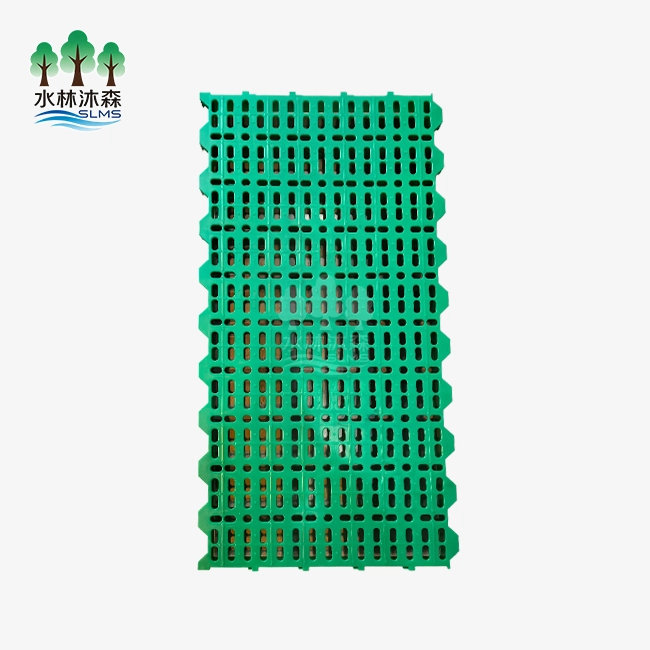
Modular panels put above manure collecting locations have carefully constructed holes that allow droppings to fall through while providing secure foothold for birds. These raised platforms transform waste management in chicken coops, duck sheds, and other animal facilities, unlike deep litter systems that require frequent bedding replacement and hand cleaning. The design immediately separates chickens from their excreta, stopping the pathogen transmission cycle that causes Coccidiosis and Salmonella. This biosecurity advantage lowers medicine costs and boosts flock survival through the implementation of a high-quality slat flooring for poultry systems.
Material Comparison and Performance Characteristics
Three main materials dominate the market, each with unique operating benefits. Virgin polypropylene or polyethylene plastic systems resist ammonia and uric acid and preserve dimensional stability from -20°C to +50°C. These polymer-based solutions can survive high-pressure washing and harsh disinfectants, making them perfect for rigorous cleaning.
Galvanized steel or stainless steel slats may support turkeys and breeding animals that weigh above 4kg. Sagging can cause leg injuries and lower breeding fertility, but the firm construction avoids it. Wooden slats are less popular in modern buildings but still used in specialist applications with tight budgets. Because porous surfaces absorb moisture and colonize microorganisms, they need to be replaced more often.
Measurable Health and Operational Benefits
Reduce ammonia to help the environment immediately. By letting dung fall below bird level, ambient ammonia concentrations drop 60-70% compared to litter floors, lowering respiratory illness. Since birds spend less energy combating chronic respiratory irritation, cleaner air boosts feed conversion rates.
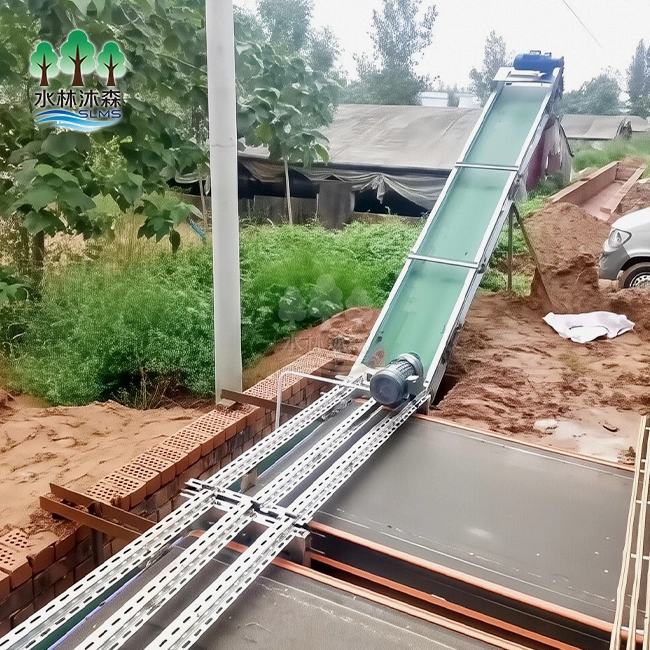
Slats with rounded edges and adjusted aperture diameters increase footpad health. Proper designs reduce Footpad Dermatitis and breast blisters, processing downgrades that affect revenue per bird. Waste disposal efficiency skyrockets. Manure is collected in pits or channels below the floor, where automatic scrapers or belt systems remove it periodically. This automated method removes manual litter cleaning, freeing up staff to monitor bird health and optimize feeding programs.
Designing and Installing Poultry Slat Flooring: Best Practices
Critical Design Parameters for Different Bird Types
Slat flooring for poultry size must enable quick development and large stocking volumes in broiler operations. Gap widths between 12mm and 20mm allow excrement to flow through while preventing toe entrapment in newborn chicks. Whatever your bird count, 500mm to 800mm board lengths allow modular installation to fit different housing structures.
Layer and breeder facilities need stronger structures. To sustain larger mature birds and let maintenance professionals to walk on the flooring during routine inspections, the load-bearing ability must surpass 50kg per square meter. One-piece molded design reduces weak areas where jointed systems fail under stress. Duck and duck applications are complicated by increasing moisture and falling volumes. The material composition must be hydrolytically stable to prevent deterioration from frequent water exposure and handle wetter waste with a 20-25mm aperture spacing.
Installation Process and Technical Support
The site is prepared by building a level support structure with PVC beams, galvanized steel triangle supports, or fiberglass pultrusions depending on span width and manure pit corrosion. Deflection from improper support beam spacing degrades flooring integrity over time.
Our informative video instructions guide you through each phase of installation, from assessing infrastructure to fastening panels with correct overlap to avoid gaps. Single-person installation of modular boards is possible, however coordinated team deployment speeds up large-scale projects. The thickness of panels ranges from 15mm to 30mm, with thicker profiles suggested for breeding homes and smaller profiles for lighter broiler operations. This modification lets you get the proper specs without over-engineering or sacrificing performance.
Maintenance Protocols That Extend Lifespan
Routine cleaning involves simply high-pressure washing between flocks, a huge reduction in litter pickup and disposal. Quality polymers' non-porous surfaces minimize biofilm adherence, maximizing disinfection efficiency during sanitation operations.
Focus on support beam integrity and panel locking mechanisms during inspections. We use precise molding controls to ensure the interlocking edges have gaps under 2mm to avoid toe entrapment. Replacement of worn or damaged panels without disturbing neighboring portions reduces maintenance downtime. Seasonal temperature cycling requires thermally stable materials. Our slats resist brittleness in winter and warping in summer, unlike lesser alternatives.
Comparison and Decision Support: Choosing the Right Slat Flooring Solution
Evaluating Alternatives: Wire Mesh vs. Plastic vs. Traditional Litter
Wire mesh flooring separates manure well but poses footpad health risks, especially in layer businesses where hens stand for long durations. The rough, narrow contact surface promotes pressure points that cause irritation and Staphylococcus aureus infections.
Traditional deep litter systems have the lowest initial expenditure but significant recurring costs. Over production cycles, bedding material purchases, litter management labor, and bird-waste interaction raise disease pressure and lower profitability. As ventilation systems work harder to handle litter pack ammonia and moisture, energy costs rise.
Plastic slat flooring for poultry systems hit the sweet spot between initial expenditure and operating savings. These flooring amortize capital expenses and safeguard flock health and decrease labor requirements for 10-15 years when made from virgin polypropylene with UV stabilization packages.
Specifications Matched to Production Systems
Small rectangular slot layouts, 20mm x 20mm or narrower, make hens comfortable and keep eggs clean by keeping birds off dung collection regions in commercial layer aviaries. Our engineers use bespoke design to integrate nest boxes and feeding lines. To promote mating, broiler breeders favor structural integrity. Sagging legs and fertility in heavier birds are prevented by reinforced ribbing. The slightly convex rib shape accelerates manure shedding, retaining self-cleaning capabilities in high-density situations.
Procurement Strategy for B2B Buyers
Bulk ordering saves money and ensures product consistency across your company. Prioritize suppliers that can verify raw material using Differential Scanning Calorimetry analysis, ensuring 100% virgin material rather than recycled component that affects impact strength and lifetime.
Load testing paperwork should meet ANSI/ASAE EP455 criteria for deflection under standardized weight applications. Request samples for on-site examination of aperture edge flash and burr characteristics since even tiny defects might cause foot abrasions and bacterial infections. Professional equipment providers differ from commodity sellers in customization. Due to infrastructure, bird breeds, and environment, your business has unique needs. Suppliers who allow board length, gap width, and thickness changes show they can create solutions for your demands.
Trusted Brands and Supplier Insights for Poultry Slat Flooring
Manufacturer Selection Criteria
Professional equipment vendors like Weifang Shuilin Musen Aquaculture Equipment Co., Ltd. use a holistic approach to provide the best slat flooring for poultry solutions. Our eight years of experience in agriculture and animal machinery includes solution creation as well as product production. Our five-engineer R&D team develops around three new product designs every year to meet industry difficulties.
Technical support infrastructure determines partnership longevity. Access to installation, troubleshooting, and maintenance techniques after product delivery maximizes equipment performance. We answer facility-specific implementation questions with informative video lessons and quick technical support. Before shipment, quality assurance checks that each panel fulfills strict temperature, moisture, and chemical resistance criteria. During manufacture, our products are tested from raw material verification to completed product inspection to ensure consistent performance in harsh poultry situations.
Warranty and After-Sales Commitment
Our one-year free warranty proves product longevity and quality. Your investment is protected throughout the vital first deployment period, and our technical staff may enhance system performance based on operational input. Beyond dimensions changes, customization services include material selection, support structure recommendations, and feeding, watering, and ventilation system integration. This comprehensive approach guarantees your flooring investment improves facility performance rather than just one area.
Conclusion
Technical parameters, supplier capabilities, and long-term operating goals must be considered when choosing a slatted flooring system. Quality polymer or metal slats promote bird health, waste management efficiency, and labor cost reduction over 10-15 years, justifying original capital expenditure. Procurement decisions should emphasize vendors with manufacturing knowledge, complete technical support, and customization capabilities to match facility flooring needs. Strategically investing in slat flooring for poultry improves operational efficiency, animal welfare, and competitiveness in increasingly competitive poultry markets.
FAQ
How Do I Choose Between Plastic and Metal Slats?
Bird kind and weight determine material choice for slat flooring for poultry. Chemical resistance and reduced cost per square meter make plastic systems ideal for layer and standard broilers. Metal is needed for heavier breeders over 4kg to prevent structural sagging. In severe heat, metal performs better than plastic, which may degrade despite UV stability.
Can Slatted Flooring Reduce Disease Incidence Compared to Litter Systems?
Yes, significantly. By preventing bird contact with excrement, slats prevent Coccidiosis transmission. Low bird-height ammonia reduces respiratory illness pressure. Studies provide 30-40% medicine cost reductions in facilities switching from litter to well maintained slatted systems, depending on biosecurity standards and management techniques.
What Customization Options Are Available?
We alter board length to fit your coop, gap width based on bird age and kind, and thickness based on load. Support beam spacing and material can be tuned for pit storage, motorized scrapers, or belt systems for manure management. Our engineering team analyzes your facility architecture to offer operationally optimal combinations.
Transform Your Poultry Operation with Shuilin Musen Slat Flooring Solutions
Ready to reduce litter management work and improve flock health? Shuilin Musen Aquaculture Equipment Co., Ltd. has eight years of experience installing slat flooring for poultry. Our engineers tailor solutions to your facility, bird varieties, and budget, whether you have 5,000 or 100,000 birds. As a reputable manufacturer, we provide installation videos and prompt consulting. Contact wangshuaislms@gmail.com immediately to discuss your needs and obtain a full proposal.
References
1. Shepherd, E.M. and Fairchild, B.D. (2010). "Footpad dermatitis in poultry." Poultry Science, 89(10), 2043-2051.
2. Miles, D.M., Branton, S.L. and Lott, B.D. (2004). "Atmospheric ammonia is detrimental to the performance of modern commercial broilers." Poultry Science, 83(10), 1650-1654.
3. Taira, K., Nagai, T., Obi, T. and Takase, K. (2014). "Effect of litter moisture on the development of footpad dermatitis in broiler chickens." Journal of Veterinary Medical Science, 76(4), 583-586.
4. Dawkins, M.S., Donnelly, C.A. and Bird, T.A. (2004). "Chicken welfare is influenced more by housing conditions than by stocking density." Nature, 427, 342-344.
5. Hartung, J. and Saleh, M. (2007). "Composition of dust and effects on animals." Landbauforschung Völkenrode, Special Issue 308, 111-116.
6. Collett, S.R. (2012). "Nutrition and wet litter problems in poultry." Animal Feed Science and Technology, 173(1-2), 65-75.
Learn about our latest products and discounts through SMS or email